
9 min walk
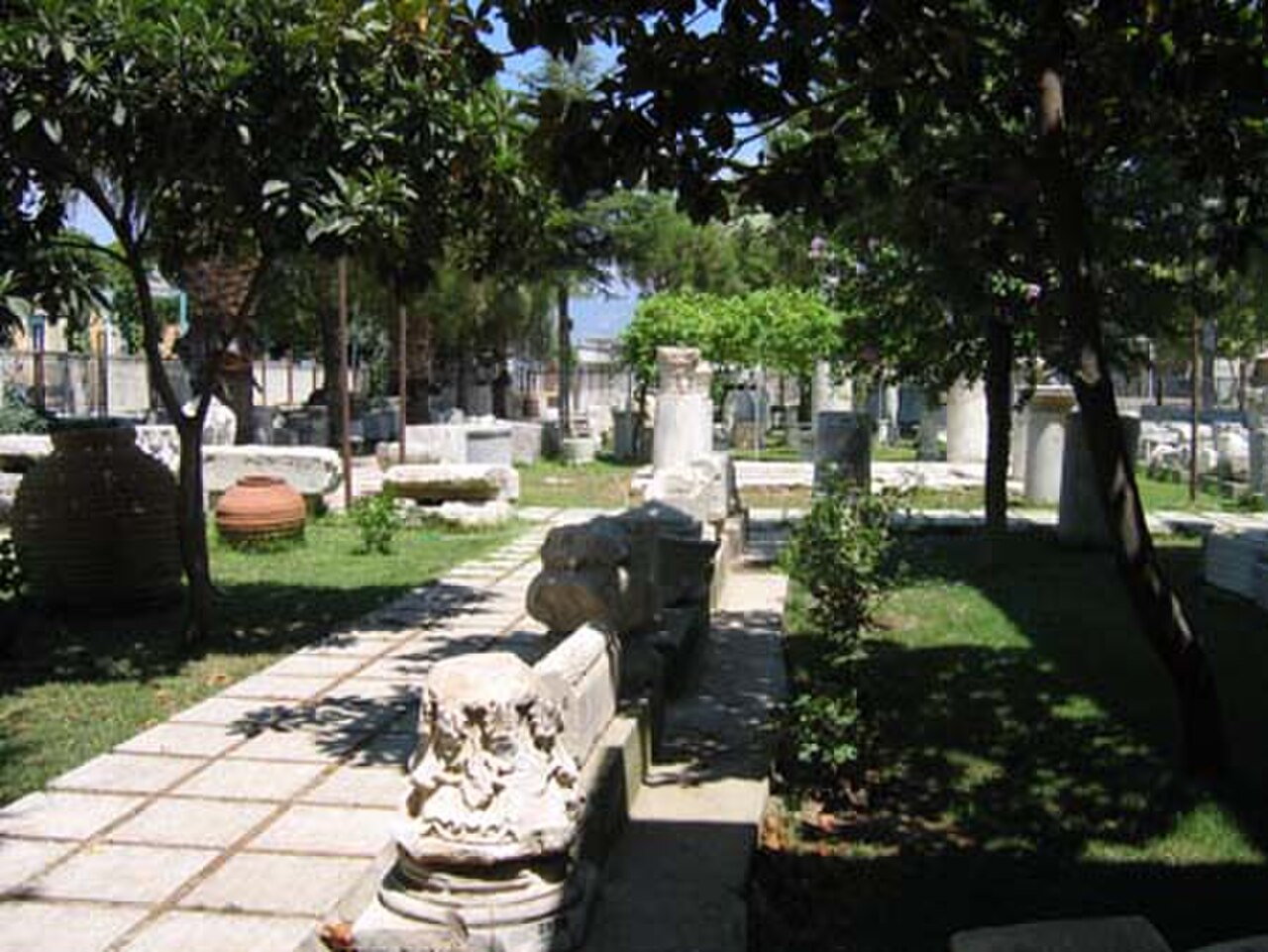
Milas Museum
- Must see
- Museum
Language · 11 published
Historic monument · Muğla
Reviewed by Elena Voss · Roavina Travel Editor
This place is a Archaeological site.
Milas is the modern town built around ancient Mylasa, a principal Carian centre with at least 5,000 years of history. Its character comes from the overlap of an inhabited district centre and a broad archaeological setting, not from one self-contained attraction. The Ministry of Culture and Tourism’s Milas Museum Directorate identifies the Uzunyuva Mausoleum and Museum Complex as a managed heritage group containing Milas Mansion, the Milas Carpet Museum, a Children’s Activity Centre, the Hekatomnos Tomb Monument and the Hekatomeion Sacred Area. Milas is best understood as a historic base for urban heritage and nearby ancient sites.
Checked 2026-09-02 · Source
Milas’s Mylasa identity supplies the historical frame; the Uzunyuva complex provides museum, domestic, craft and funerary perspectives. Milas Mansion introduces restored local architecture, while the Milas Carpet Museum connects the town’s heritage with regional craft traditions. The Children’s Activity Centre adds a family-oriented element. Hekatomnos Tomb Monument and the Hekatomeion Sacred Area shift the experience toward Carian archaeology. Beyond the centre, Labraunda, Iasos, Euromos and Herakleia broaden the picture through different settings and scales. Plan by themes and locations, because these are related places rather than rooms in one building.
Checked 2026-09-02 · Source
Reserve at least half a day for a first look at Milas itself, allowing time for the town’s historic fabric and museum-managed elements that are open during your visit. A fuller heritage day needs extra time for one outlying ancient site and the road journey to it. Labraunda is 14 kilometres from Mylasa, the ancient name of present-day Milas, according to the Ministry of Culture and Tourism, but it is not part of the same compact walking circuit. Treat the centre and an archaeological excursion as linked parts of a day, with realistic transfer time. Several ancient settlements deserve more than one day.
Checked 2026-09-02 · Source
Milas suits a cultural itinerary between the Aegean coast and inland Muğla, especially when you want historical context before exploring the wider district. The town has no site-wide visiting timetable: the official museum authority states that hours and closure days apply to individual museums and archaeological sites. Set the day around the particular venue you intend to enter, rather than treating Milas as one attraction with one opening window. Outdoor ruins are easier to appreciate in comfortable daylight, while the town’s indoor and urban layers provide an alternative when a separate archaeological stop does not fit. Seasonal arrangements should not be generalized across the district.
Checked 2026-09-02 · Source
Entering Milas as a town has no admission ticket. That fact does not establish free entry to every museum or archaeological site within the district, since each managed venue may have its own admission rule. The Ministry’s published guidance provides the responsible public framework for museum entry, while the individual museum or archaeological-site listing remains the relevant place-specific reference. For a day centred on Uzunyuva, consider the exact component you plan to visit; for Labraunda, Iasos, Euromos or Herakleia, treat the site as a separate ticketing decision. Keep the free town visit separate from controlled heritage venues when budgeting.
Checked 2026-09-02 · Source
Milas has intercity bus connections toward Bodrum and other provinces, while named local minibus routes link Milas with Güllük–Bodrum, Yatağan and Muğla. Milas–Bodrum Airport is 17 kilometres from Milas district centre. The Ministry lists HAVAŞ, MUTTAŞ, municipal minibuses, taxis, rental cars, private vehicles and other road connections among the airport access options. Public transport can place you in town for an urban heritage visit. A planned car or taxi journey is more practical when combining the centre with dispersed ancient sites, because the district itinerary is geographic rather than one continuous pedestrian route.
Checked 2026-09-02 · Source
Milas is not a single controlled attraction with one gate, universal timetable or blanket accessibility promise. The official museum description separates the Uzunyuva components, and the practical conditions of a museum, historic building, tomb monument and open archaeological area can differ. Build the day around the exact venue names, allow transfer time between the centre and outlying ruins, and expect outdoor exposure at archaeological sites. Keep accessibility decisions specific to the chosen route and managed site.
Checked 2026-09-02 · Source
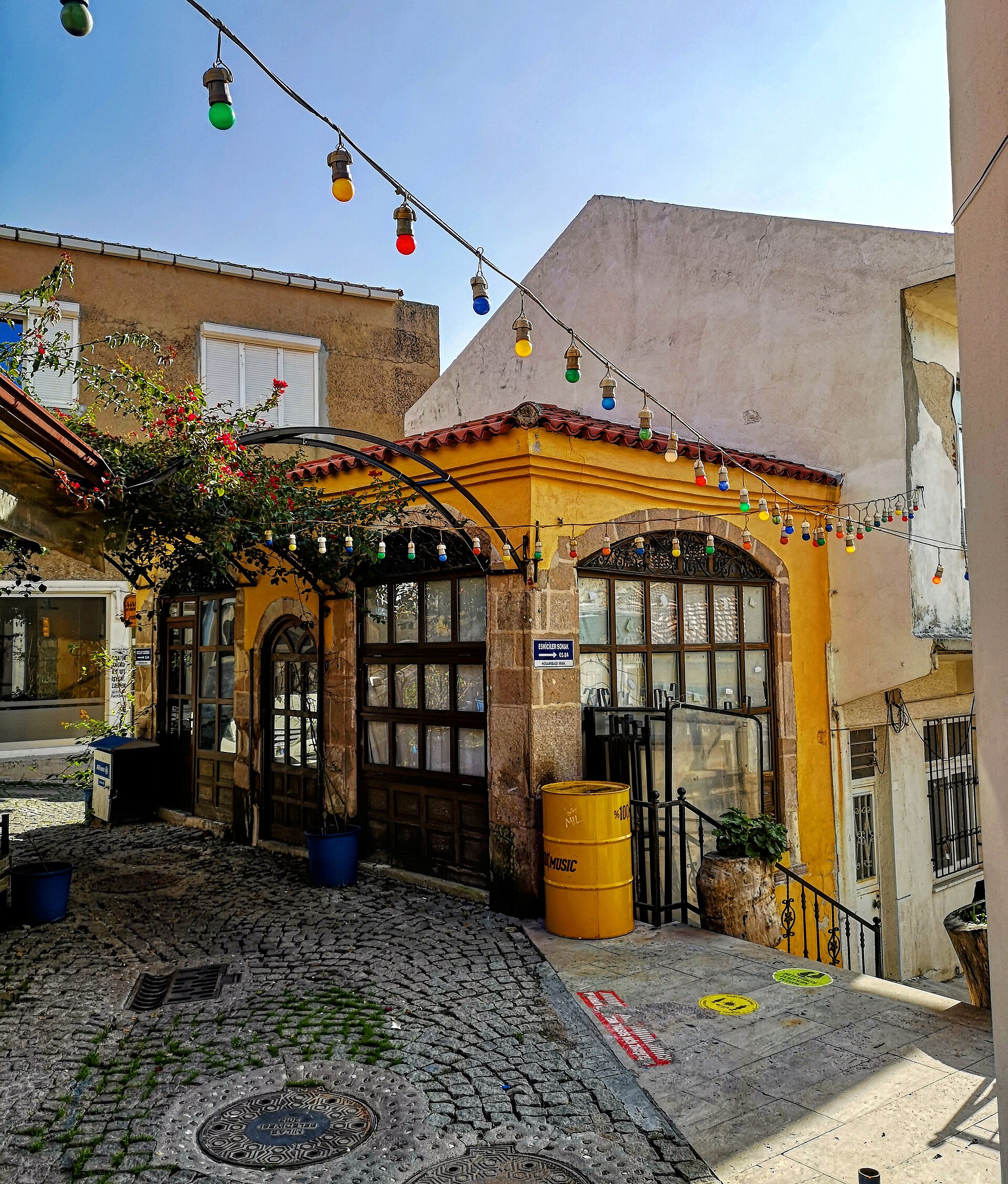
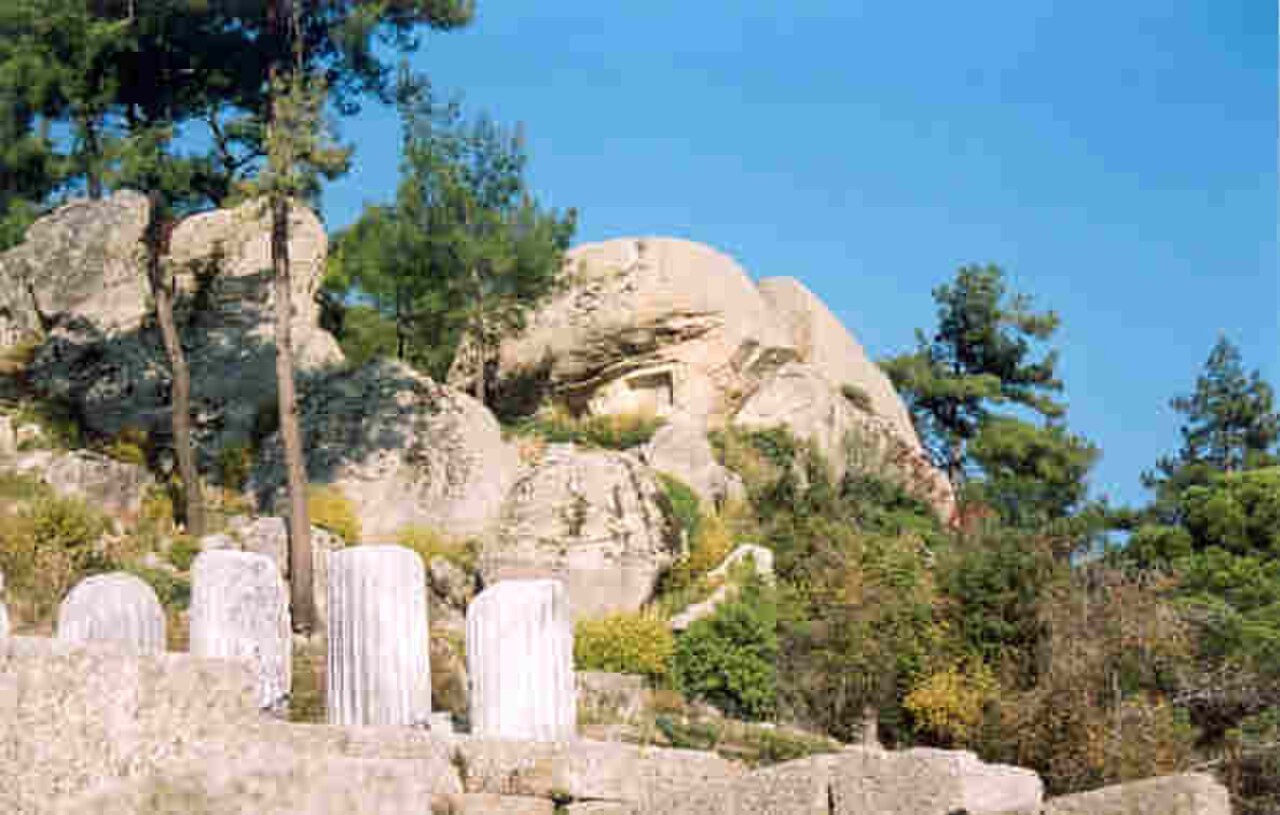
Milas rewards photographs showing contrasts within one historical landscape: lived-in streets, traditional architecture, restored domestic interiors, carpet heritage and monumental remains associated with Uzunyuva. The Hekatomnos Tomb Monument and Hekatomeion Sacred Area add archaeological subjects whose scale and setting differ from the urban centre. A useful sequence moves from town detail to museum texture, then to stone and open excavation space at a separate site.
Checked 2026-09-02 · Source
Milas was known as Mylasa in antiquity and was one of the principal cities of Caria.
The Milas District Governorate describes Milas as having at least a 5,000-year history.
Milas served as a capital during the Carian period and later during the Menteşe Beylik period.
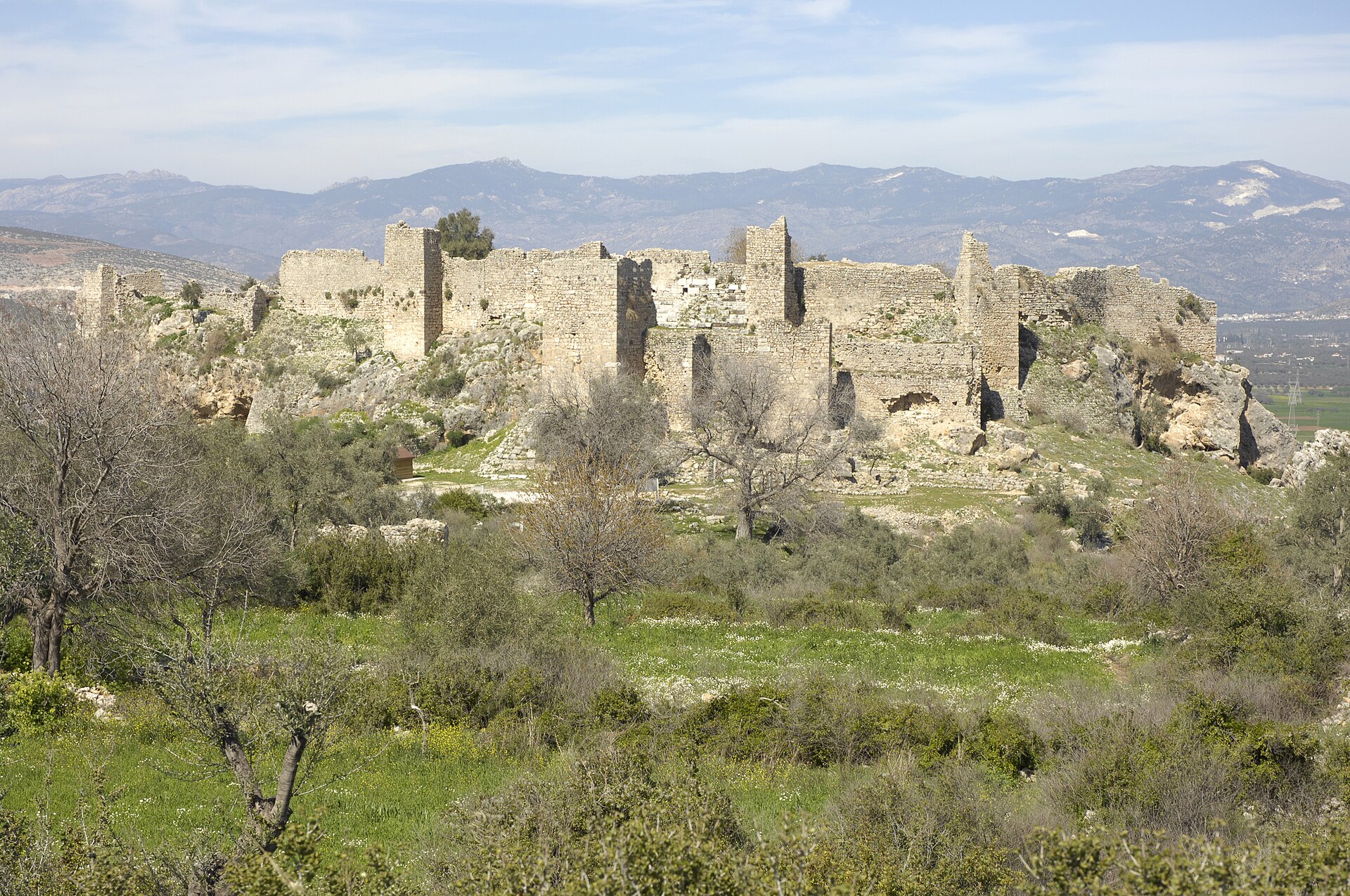
The Milas District Governorate states that 27 ancient cities were established in Milas’s history and identifies Iasos, Labraunda, Euromos and Herakleia among the surviving sites.
The Ministry of Culture and Tourism states that Labraunda is 14 kilometres from Mylasa, the ancient name of present-day Milas.
Milas–Bodrum Airport is the nearest airport and lies 17 kilometres from Milas district centre.
Loading the interactive map…
The interactive map could not be loaded.
Last updated:
Source: OpenStreetMap contributors, Wikidata ·