Check the spelling, or browse the hierarchy from the country page.
City guide · Türkiye
Nightlife, Theme: Viewpoints, Good for families in Muğla, Türkiye
Muğla is a province-wide Aegean destination rather than a single city-centre stop. Its visitor geography is divided between the Bodrum peninsula, the Marmaris a...
Editorial responsibility: Elena Voss
· Roavina Travel Editor
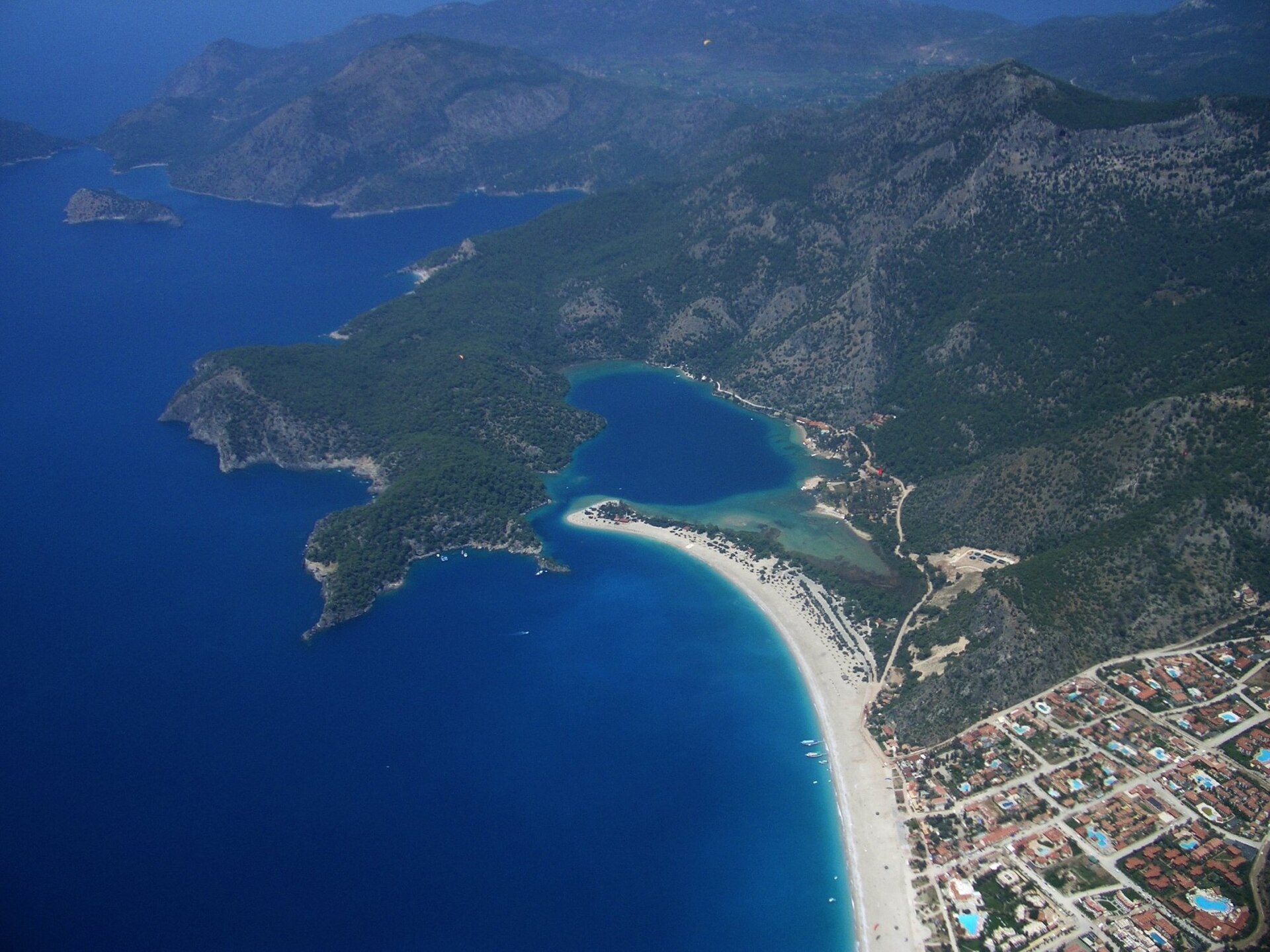
Muğla is a province-wide Aegean destination rather than a single city-centre stop. Its visitor geography is divided between the Bodrum peninsula, the Marmaris and Datça coasts, the Fethiye–Ölüdeniz area, Dalyan and the Köyceğiz wetlands, and the Gulf of Gökova. Bodrum combines the Castle of St Peter, the ancient theatre and the remains of the Mausoleum of Halicarnassus with beaches and marina life. Marmaris opens onto a sheltered gulf with İçmeler, Turunç and Orhaniye nearby, while Fethiye connects Çalış, Kayaköy, Ölüdeniz and the Lycian coast. Patara, İztuzu, Akyaka, Akbük, Kızkumu, the Datça coves and Knidos add different swimming and archaeological settings. Sea conditions are local: a protected bay may be calm while an exposed beach is windy, and conservation rules matter at turtle-nesting beaches, wetlands and protected coves.
November · The Turkish State Meteorological Service records a 21.5°C mean high and 10.3°C mean low for Muğla in November; this offers generally workable conditions for a mixed indoor and outdoor itinerary.
The list is built from real place data, so an empty result means the combination genuinely has no match — not that the page failed. Loosen one filter and the ranking returns.
Muğla city is inland, while the principal holiday areas sit on separate peninsulas and gulfs. Bodrum is a peninsula destination: central Bodrum, Gümbet, Bitez, Ortakent, Yalıkavak and Turgutreis are linked by local roads but function as distinct bases; the castle, harbour and ancient theatre are concentrated in Bodrum town, while beaches spread around the peninsula. Marmaris sits at the head of a deeply indented gulf. İçmeler and Turunç are nearby resort areas, while Orhaniye and Kızkumu are separate road trips; Datça and Knidos belong to a longer western excursion. Fethiye is the gateway for Çalış, Kayaköy and Ölüdeniz, and for inland sites such as Tlos, Letoon and Saklıkent. Dalyan provides access to Kaunos, İztuzu and the Köyceğiz–Dalyan protected wetland system. These clusters should be planned separately: Bodrum–Marmaris–Fethiye is an inter-urban journey, not a walkable circuit, and mountain roads, peninsula traffic and seasonal boat services affect day plans. Archaeological entrances and visitor arrangements are separately managed, so a beach itinerary should allow time for each site.
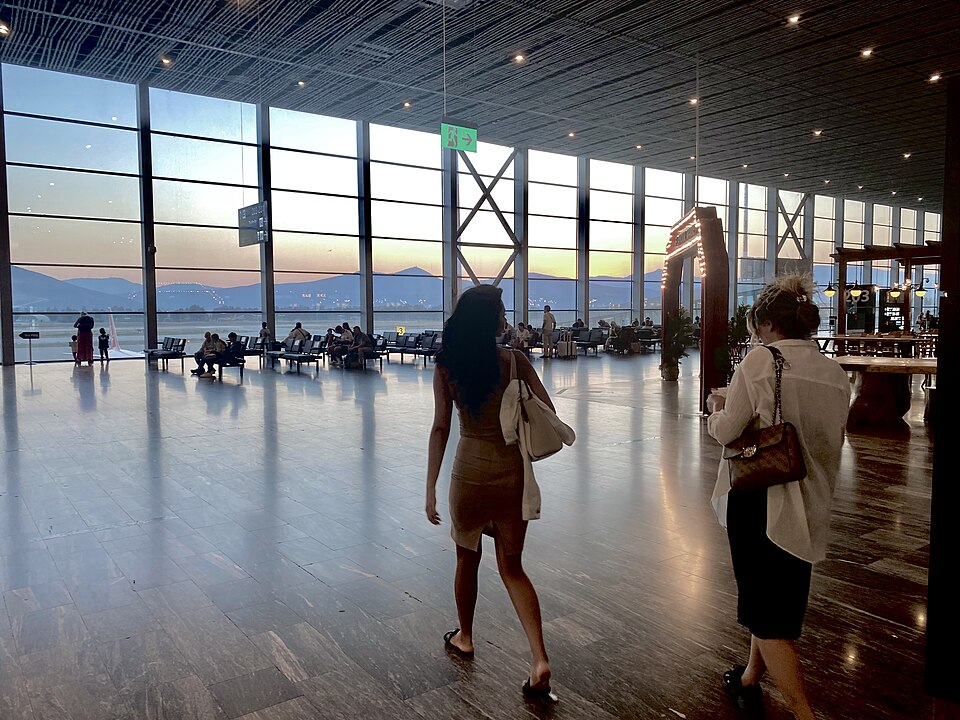
Use intercity buses for the main hubs and a car for the province’s dispersed beaches, coves and inland ruins. The municipal transport network and local dolmuş services are useful around Bodrum, Marmaris, Fethiye and nearby resort areas, but a remote cove, Knidos, Tlos, Letoon or Saklıkent usually needs a road transfer or an organised local excursion. Milas–Bodrum Airport serves the Bodrum side; Dalaman Airport is the practical air gateway for Marmaris, Dalyan and Fethiye. Fethiye and Marmaris harbours support licensed boat excursions to coves and islands, but routes and departure times are operator- and season-dependent, so verify them locally. Ölüdeniz is a straightforward road outing from Fethiye, yet peak-season traffic can make the approach slow. In İztuzu and the Köyceğiz–Dalyan wetlands, and in protected parts of the Gulf of Gökova, follow current municipal and Ministry instructions: use signed access, respect nesting or habitat restrictions, and do not treat an empty-looking cove as an unrestricted landing place. For swimming, ask locally about wind, currents, boat traffic and temporary beach notices on the day.
Should I treat Muğla as one city when planning a visit?
No. For visitors, Muğla is a province-wide destination. Muğla city is inland, while Bodrum, Marmaris, Datça, Fethiye, Ölüdeniz and Dalyan are separate coastal clusters. Choose a base by coastline and interests, then plan other clusters as journeys rather than nearby neighbourhoods.
Which Muğla beaches and coves are useful reference points?
Bodrum’s peninsula beaches, Marmaris and İçmeler, Turunç, the Datça coves, Fethiye’s bays, Ölüdeniz, İztuzu near Dalyan, Akyaka, Akbük, Kızkumu and Patara represent the province’s range. Their exposure and facilities differ, so swimming conditions should be checked locally rather than assumed from the beach’s reputation.
Which archaeological sites fit the main Muğla clusters?
In and around Bodrum, see the Castle of St Peter, the ancient theatre and the Mausoleum remains. From Fethiye, Tlos and Letoon form an inland Lycian excursion, while Kayaköy adds a historic settlement closer to the coast. Dalyan is the base for Kaunos. Knidos is at the far end of the Datça peninsula and deserves a dedicated outing; check the Ministry’s current site information before setting out.
What is the most practical way to move between Bodrum, Marmaris and Fethiye?
Intercity buses suit the main town-to-town links, while a hire car is more practical for coves, beaches, villages and inland ruins. Milas–Bodrum Airport is the Bodrum gateway; Dalaman Airport is the closer air gateway for Marmaris and Fethiye. Check current bus company, airport transfer and municipal transport information because routes and times can change.
Where do conservation rules most affect a beach day?
İztuzu is associated with sea-turtle nesting protection, and the Köyceğiz–Dalyan area contains protected wetland habitat. Protected landscapes also extend around parts of the Gulf of Gökova. Follow current signs and instructions, keep out of restricted nesting or habitat areas, use authorised access and landing points, and leave no rubbish. Conditions and controls can be seasonal.
Can I visit Ölüdeniz from Fethiye without changing hotels?
Yes. Fethiye is a practical base for a road outing to Ölüdeniz, and also for Kayaköy and the routes towards Saklıkent, Tlos and Letoon. The distance is manageable, but summer congestion can lengthen the approach. Use current local transport information and allow time for the return journey, especially if combining Ölüdeniz with another excursion.
How many days should I allow for Muğla?
Suggested stay for a first visit: 4–5 days. This range covers Muğla’s inland centre and one chosen coastal base with a nearby route, not every Bodrum, Fethiye, Marmaris and Datça area. Allow separate travel time between the clusters.
Cookie choices
Advertising is currently off. Where consent is required, optional cookies wait for your choice. Declining switches analytics off.