.JPG)

39 min walk
Sustainability & Innovation Centre
- High
- Historic monument
Nature site · Dubai
محمية المرموم الصحراوية
| Per person | Free entry |
|---|
Checked 2026-08-31 · Source
Read from the OpenStreetMap access tags; anything not listed has no tag recorded.
Set the group type to family in the planner and the day window contracts to about three quarters of a solo day.
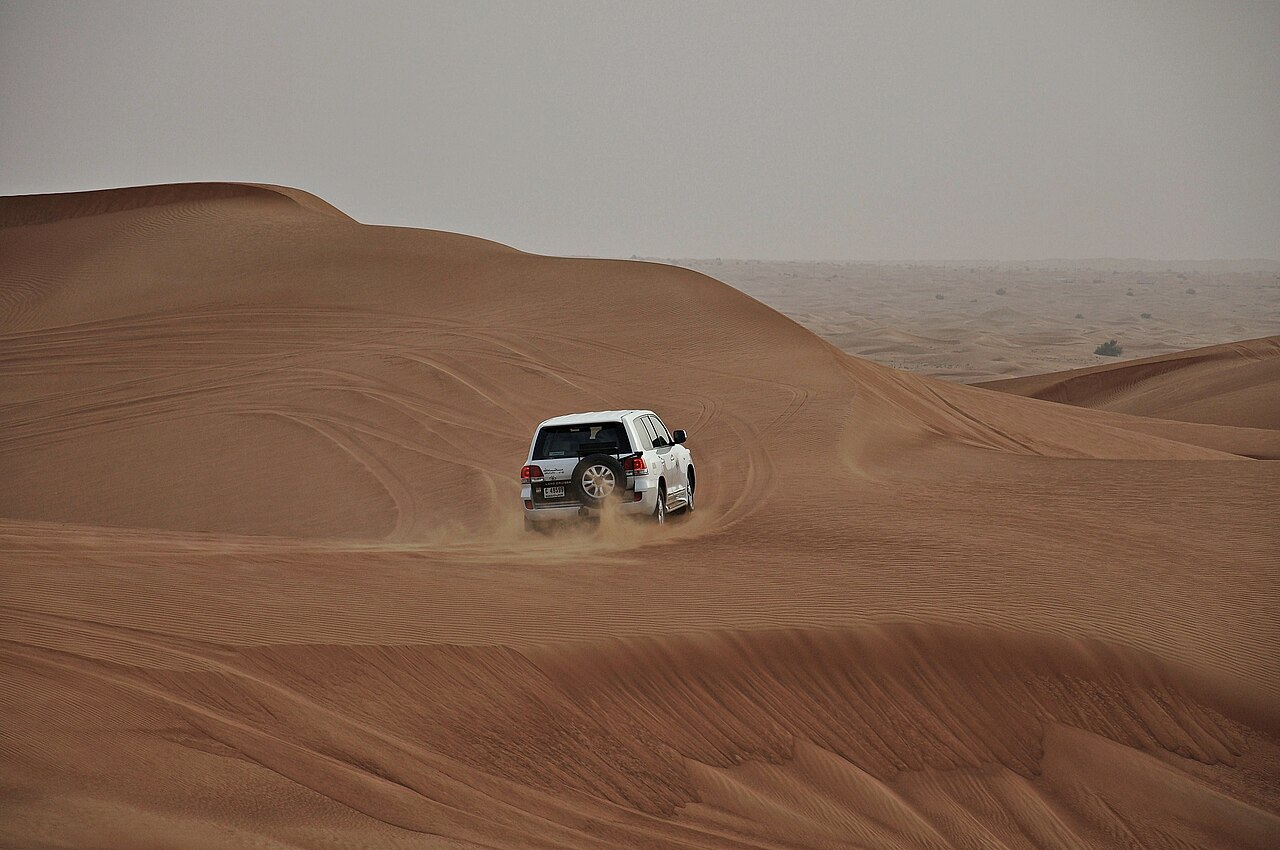
Al Marmoom Desert Conservation Reserve is the largest unfenced nature reserve in the United Arab Emirates, located in the desert interior of Dubai. The protected area encompasses extensive dune landscapes, sabkha flats, and gravel plains. It was established to conserve the emirate's desert ecosystem and heritage. The reserve covers a substantial area of the Dubai emirate and represents a significant commitment to environmental preservation in a rapidly developing region. Open to the public throughout the year; Dubai Municipality does not publish a numeric daily schedule specifically for Al Marmoom.
Checked 2026-08-31 · Source
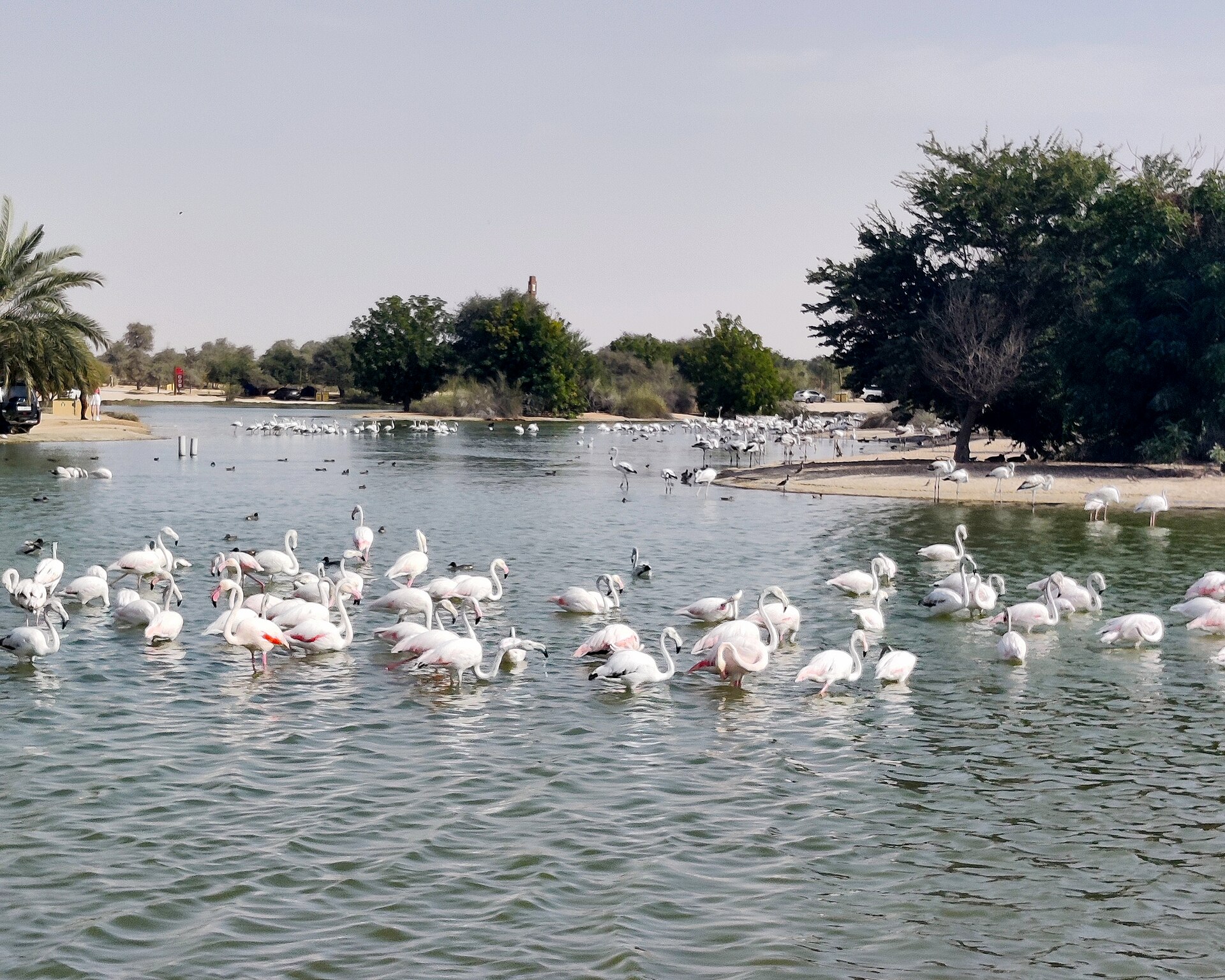
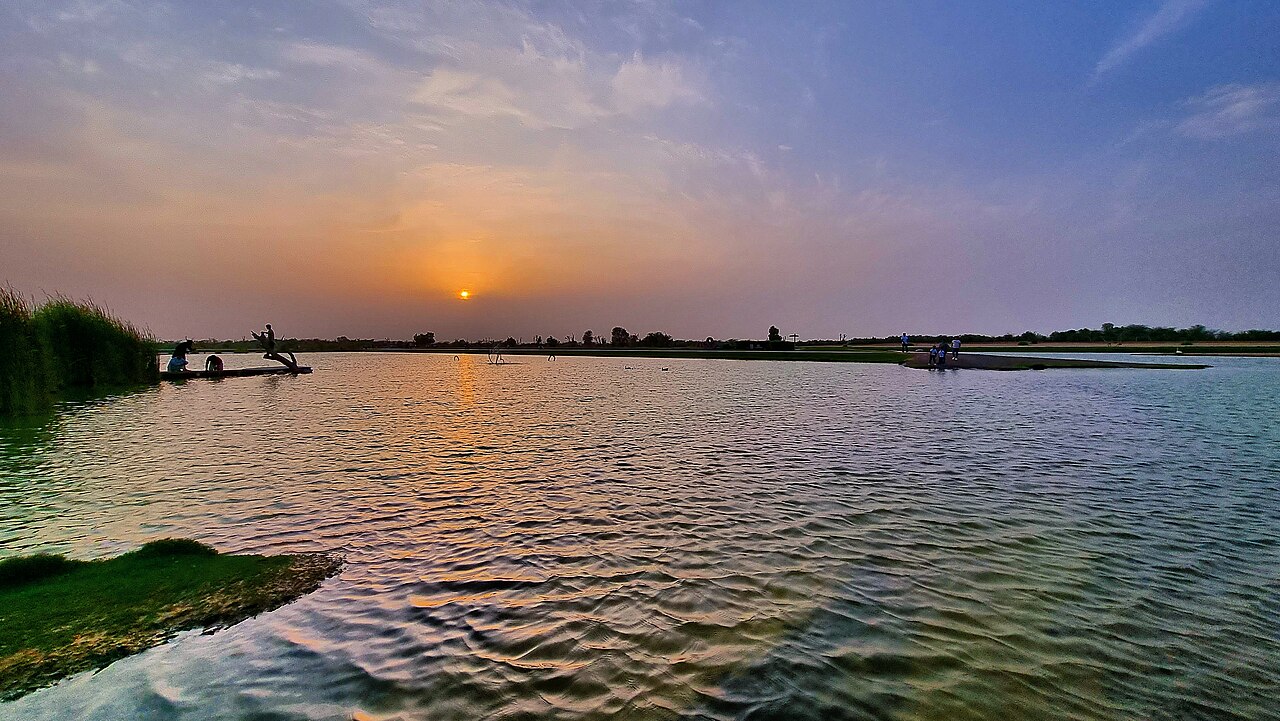
The reserve contains diverse desert habitats including sand dunes, salt flats, and rocky outcrops. It supports populations of Arabian oryx, Arabian gazelles, and various reptile and bird species. The area includes traditional Bedouin cultural elements and archaeological sites. Al Qudra Lakes, a series of man-made lakes, lie within or adjacent to the reserve boundaries and attract migratory birds. The landscape offers open desert vistas with minimal development. Flora includes drought-resistant species adapted to arid conditions. No weekly closure day is listed. Families, individuals and photographers may enter during the reserve’s opening hours after walk-in registration.
Checked 2026-08-31 · Source
The duration of a visit depends entirely on chosen activities and personal interest. Casual visitors driving through may spend one to two hours. Those engaging in wildlife observation, photography, or desert walking could allocate half a day. Extended experiences such as overnight camping or guided desert excursions would require substantially longer periods. The reserve's large scale means that reaching different areas takes considerable driving time. Visitors should factor in travel from Dubai urban centres, which may add significant duration. General visitors use walk-in registration; the municipality’s visit procedure requires no ticket purchase. Dubai Municipality’s guided protected-area tours are explicitly free.
Checked 2026-08-31 · Source
Desert conditions in this region feature extremely hot summers and milder winters. Daytime temperatures from June through September regularly exceed forty degrees Celsius, making outdoor activities hazardous. The period from November through March offers more temperate conditions for desert visitation. Early mornings and late afternoons provide preferable lighting and temperature conditions year-round. Open to the public throughout the year; Dubai Municipality does not publish a numeric daily schedule specifically for Al Marmoom. Road access reaches the Al Qudra Lakes entry points. The reserve’s natural terrain includes dunes, gravel plains, sabkhas and sand sheets, so continuous step-free movement is not available across the landscape.
Checked 2026-08-31 · Source
Access arrangements for Al Marmoom Desert Conservation Reserve are not standardised through a single ticketing system. Some activities within or near the reserve may be offered by commercial operators with their own pricing structures. Certain areas may be freely accessible while others require permits or guided arrangements. General visitors use walk-in registration; the municipality’s visit procedure requires no ticket purchase. Dubai Municipality’s guided protected-area tours are explicitly free. Road access reaches the Al Qudra Lakes entry points. The reserve’s natural terrain includes dunes, gravel plains, sabkhas and sand sheets, so continuous step-free movement is not available across the landscape.
Checked 2026-08-31 · Source
The reserve lies inland from Dubai's coastal urban area, accessible via road connections. Personal vehicle or hired transportation is typically necessary as public transport does not extend into the desert interior. Road surfaces vary from paved highways to graded tracks and soft sand. Navigation aids are advisable. Arrive by road via Saih Al-Dahal Road, which connects Saih Al-Salam Road with the Mohammed bin Rashid Al Maktoum Solar Park and links directly to the Al Qudra Lakes entry points. The northern approach begins at the Saih Al-Dahal Road–Saih Al-Salam Road roundabout immediately after Al Qudra Cycling Station. The responsible authorities do not list a direct public-transport stop for the reserve.
Checked 2026-08-31 · Source
Desert environments present genuine hazards requiring preparation. Dehydration and heat-related illness threaten visitors who underestimate conditions; carrying abundant water is essential. Soft sand can immobilise vehicles without recovery equipment and experience. Wildlife including snakes and scorpions inhabits the area though encounters are infrequent. Remote location means limited mobile telephone coverage and delayed emergency response. Weather can deteriorate suddenly. Road access reaches the Al Qudra Lakes entry points. Eight bird hides provide defined wildlife-viewing points, but Dubai Municipality does not identify accessible paths, ramps or accessible toilets at them. Dubai Municipality manages Al Marmoom as part of Dubai’s network of eight protected areas.
Checked 2026-08-31 · Source
The reserve offers exceptional opportunities for landscape photography with expansive dune formations, dramatic skies, and quality natural light during golden hours. Wildlife photography requires patience, appropriate telephoto equipment, and respectful distance from animals. The Al Qudra Lakes area attracts bird photographers particularly during migration periods. Night photography benefits from reduced light pollution compared to urban Dubai. Sand poses significant risk to camera equipment; protective measures are essential. The stark desert palette of tans, golds, and blues provides strong compositional elements. Dubai Municipality manages Al Marmoom as part of Dubai’s network of eight protected areas.
Checked 2026-08-31 · Source
Dubai Municipality manages Al Marmoom as part of Dubai’s network of eight protected areas.
It lies in the Saih Al Salam desert area, covers 949.35 square kilometres and accounts for almost 23% of Dubai.
The recorded habitats include dunes, sand sheets with Panicum, Prosopis cineraria woodland, aeolianite, sabkha interdunal plains, gravel plains and artificial lakes.
Dubai Municipality records 258 bird species, 11 mammals, 26 reptiles, 47 plant species, 134 invertebrates and three fish species.
Families, individuals and photographers may walk in during opening hours, but must complete walk-in registration and present Emirates ID if a security officer requests it. Schools and universities must pre-book.
Visitors can use eight bird hides, watch and photograph wildlife, and visit the lakes throughout the year for leisure and recreation.
Loading the interactive map…
The interactive map could not be loaded.
Last updated:
Source: OpenStreetMap contributors, Wikidata ·