.jpg)
2 min walk
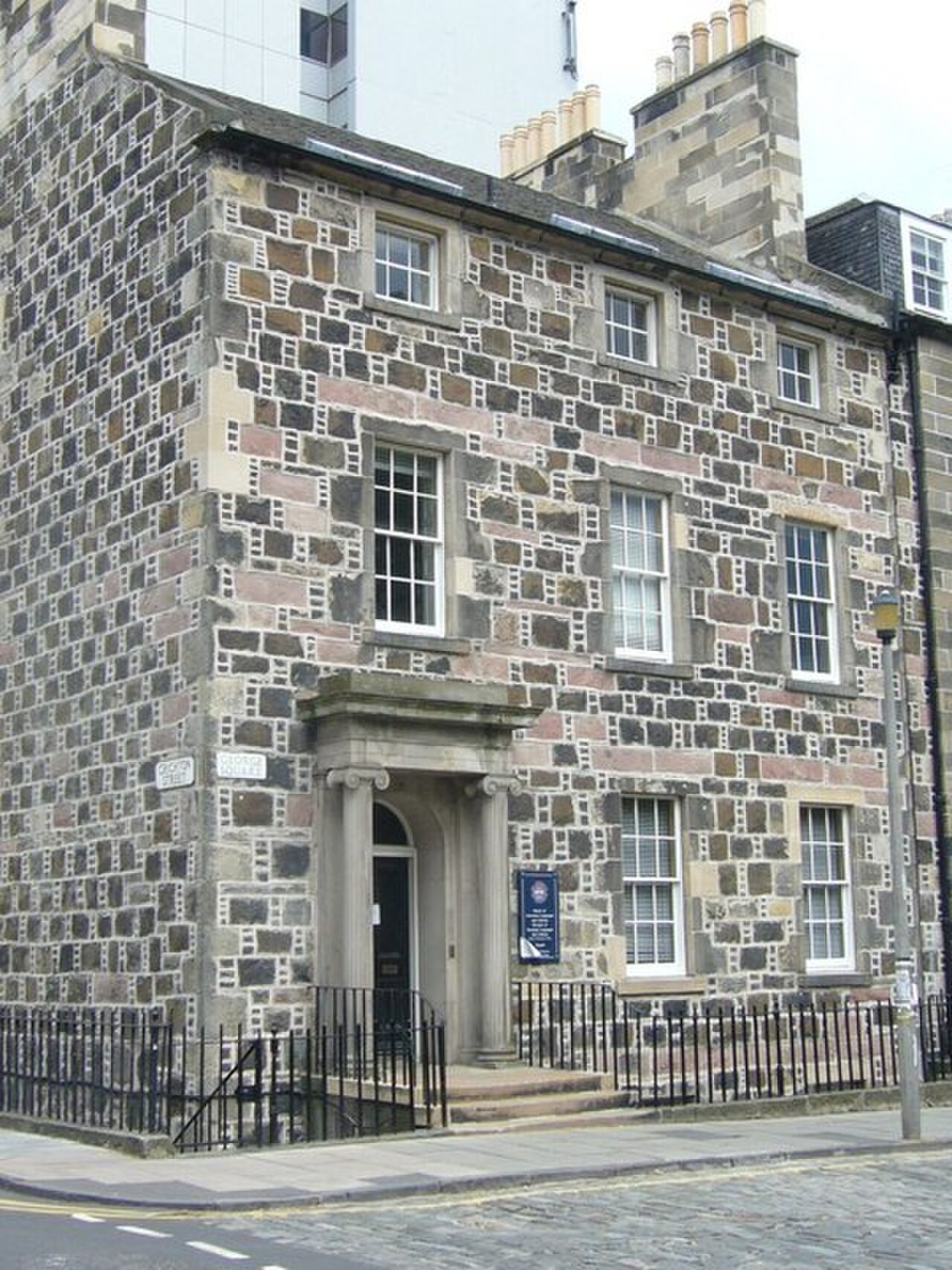
George Square
- Notable
- Nature site
Language · 11 published
Museum · Edinburgh
Reviewed by Elena Voss · Roavina Travel Editor
This place is a Museum. It was established in 1884.
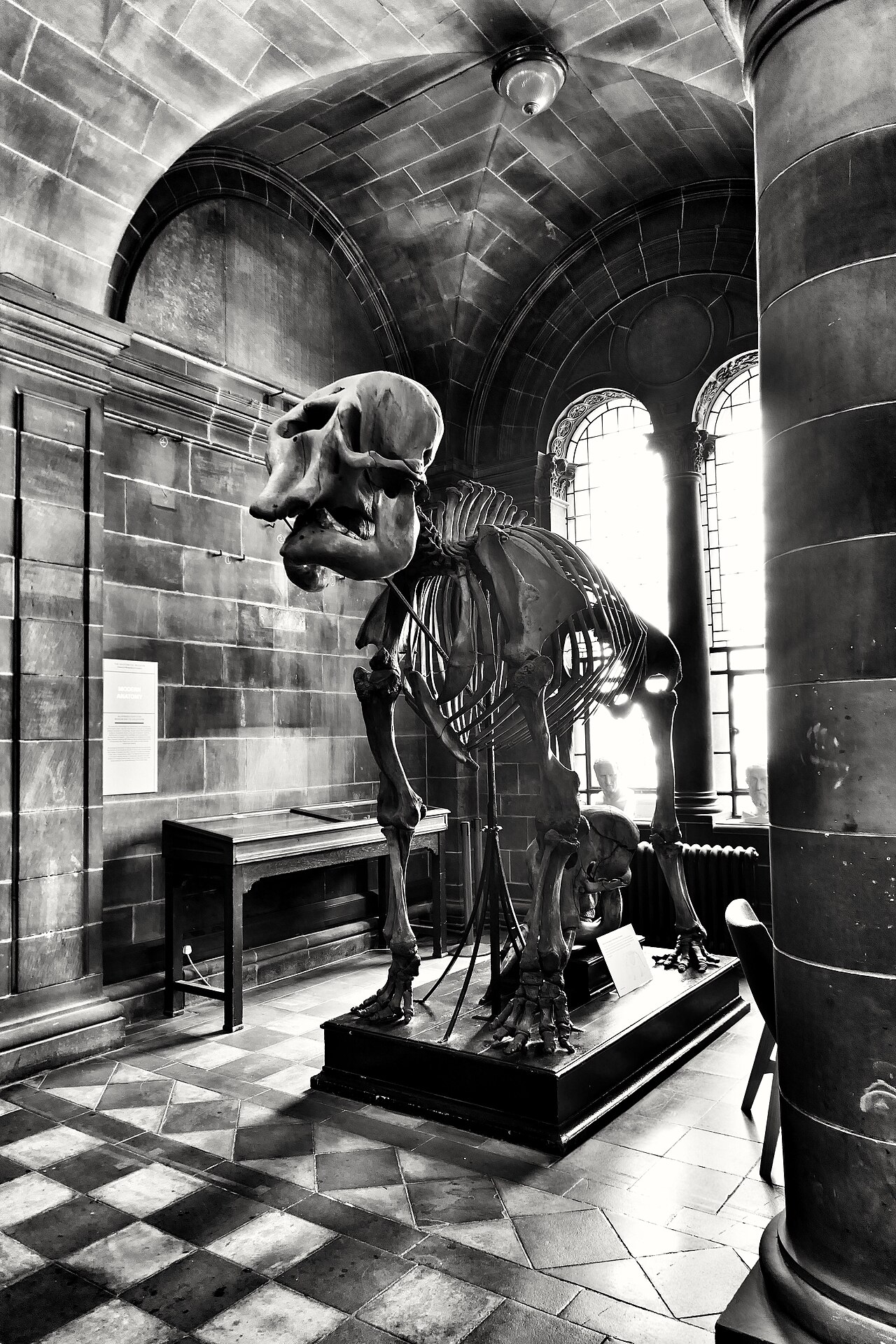
The Anatomical Museum is a historic medical collection associated with the University of Edinburgh. It belongs to the university’s long tradition of anatomical teaching and research, and its purpose is rooted in the education of medical students rather than in the design of a mainstream tourist attraction. The museum represents an important part of Edinburgh’s intellectual and scientific heritage. A visit is therefore best understood as an encounter with a teaching collection and with the history of medical education. Its subject matter is serious, and the experience suits travelers interested in anatomy, medicine, ethics, and institutional history.
Checked 2026-08-26 · Source
The collection includes anatomical specimens, skeletal remains, prepared human and comparative anatomy displays, teaching materials, equipment, and documents connected with university instruction. Many objects reflect historical methods of preservation and demonstration, showing how medical students were trained over earlier generations. The collection also carries the difficult history of anatomical procurement, including periods when body snatching and other unethical practices affected medical study. Expect a focused academic environment rather than a polished entertainment display: the specimens, their arrangement, and their historical context are central to what makes the museum distinctive.
Checked 2026-08-26 · Source
A visit of approximately forty-five to ninety minutes gives most travelers time to engage with the principal specimens and the history of the collection. An hour is suitable for a measured introduction, while medical students, researchers, and visitors with a strong interest in anatomy may spend longer with particular displays. The collection is compact enough that extensive walking is not required. The emotional weight of human remains can also affect pace, so allow yourself time to pause. Combine the museum with other University of Edinburgh heritage sites if you want a fuller academic-history itinerary.
Checked 2026-08-26 · Source
This museum is not a routine daily stop in the way a large public museum is. Its university setting means access is connected with academic activity, designated openings, or special events, and arrangements can vary with the term calendar. Build the visit around a confirmed opportunity and keep the rest of your Edinburgh day flexible. The central university quarter is convenient to explore in daylight, with the Old Town and Royal Mile nearby. Because the collection is sensitive and access is specialised, a calm visit with enough time for reflection is more suitable than a rushed attraction-hopping schedule.
Checked 2026-08-26 · Source
The museum’s university status gives the visit a different character from a commercial attraction with a permanent ticket desk. Access may be connected with designated public openings, academic visits, or special events, and the arrangement can differ between those occasions. Plan around the access invitation or event information that applies to your visit. The collection’s educational purpose is more important than a conventional sightseeing rhythm, so pair it with the university quarter and nearby Old Town rather than travelling across Edinburgh for a brief unscheduled stop. Student, researcher, and general visitor arrangements may follow separate routes.
Checked 2026-08-26 · Source
The museum is in the University of Edinburgh’s central area, close to Edinburgh’s historic core. Edinburgh Waverley station provides the main rail connection, and the university quarter can be reached on foot from the station through the Old Town. Local buses serve central stops around the university precinct. Central Edinburgh is hilly, with gradients and steps forming part of many walking routes, so allow extra effort when carrying luggage or travelling with mobility limitations. Identify the particular university entrance before setting out, since academic buildings can be less visibly signed than purpose-built visitor attractions.
Checked 2026-08-26 · Source
Human remains and preserved medical specimens are central to the museum, and some displays may be distressing. The collection’s history also raises difficult questions about consent, acquisition, and older medical practice. Younger visitors and anyone sensitive to this material should consider the subject carefully before entering. The historic university environment may include stairs, uneven surfaces, and fewer visitor facilities than a modern museum. Move slowly, read the material with attention, and treat the displays with dignity. The setting is educational and reflective, not a casual family attraction or a light diversion between more conventional sightseeing stops.
Checked 2026-08-26 · Source
The collection’s human remains and sensitive medical material call for restraint in photography. Give priority to the dignity of the specimens and to the quiet concentration of other visitors. Keep cameras away during any explanation or teaching activity, and avoid flash in the display rooms. The museum is better suited to careful observation than to collecting a large set of images. Exterior photography of the university surroundings and central Edinburgh streets offers a less sensitive way to record the visit. If an image is permitted, compose it as documentation of medical history rather than as a novelty.
Checked 2026-08-26 · Source
It is a University of Edinburgh medical teaching collection focused on anatomical specimens, medical education, and the history of anatomical study.
Yes. The collection includes prepared human anatomical specimens and skeletal remains used historically for teaching.
Allow approximately forty-five to ninety minutes, with additional time if you want to combine the museum with other university heritage sites.
The collection contains preserved human remains and confronting medical material, so families should consider each child’s age and sensitivity before visiting.
It is in the University of Edinburgh’s central area, within walking distance of the Old Town and Edinburgh Waverley station, although central routes can be hilly.
The displays connect with older medical teaching and with difficult collecting histories, including body snatching and procurement practices now regarded as unethical.
Loading the interactive map…
The interactive map could not be loaded.
Last updated:
Source: OpenStreetMap contributors, Wikidata ·