.jpg)
1 min walk
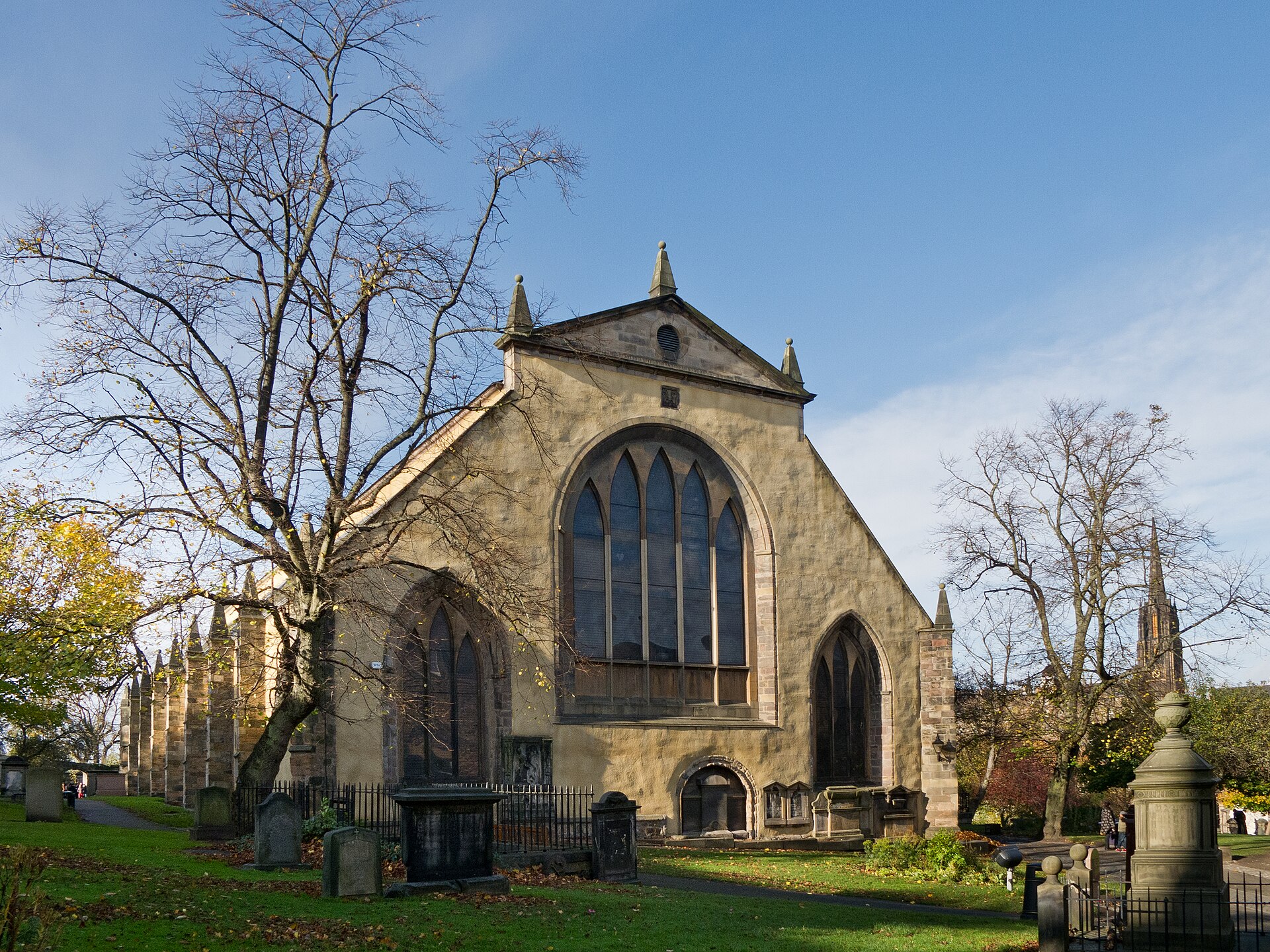
Greyfriars Kirk
- Must see · Heritage site
- Place of worship
Language · 11 published
Historic monument · Edinburgh
Reviewed by Elena Voss · Roavina Travel Editor
| Monday | 00:00 – 23:59 |
|---|---|
| Tuesday | 00:00 – 23:59 |
| Wednesday | 00:00 – 23:59 |
| Thursday | 00:00 – 23:59 |
| Friday | 00:00 – 23:59 |
| Saturday | 00:00 – 23:59 |
| Sunday | 00:00 – 23:59 |
Checked 2026-08-31 · Source
Read from the OpenStreetMap access tags; anything not listed has no tag recorded.
Set the group type to family in the planner and the day window contracts to about three quarters of a solo day.
This place is a Attraction.
Greyfriars Bobby is a small statue in Edinburgh commemorating a Skye Terrier who reportedly guarded his owner's grave for fourteen years in the nineteenth century. The bronze sculpture stands near Greyfriars Kirkyard in the Old Town. It has become one of Edinburgh's most photographed and internationally recognised symbols. The story of loyalty has been popularised through books and films. The statue was erected in 1873. Visitors often rub the dog's nose, which has worn the bronze to a lighter colour over generations of touching.
Checked 2026-08-31 · Source
The statue itself is an outdoor monument with no interior. The surrounding area includes Greyfriars Kirkyard, a historic cemetery with notable graves and monuments dating back centuries. The kirkyard contains the grave of John Gray, Bobby's reputed owner. Nearby stands Greyfriars Kirk, a working church with its own history. The immediate vicinity features traditional Edinburgh architecture, cobblestone streets, and narrow closes characteristic of the Old Town. Visitors typically combine a stop at the statue with exploration of the broader kirkyard and surrounding streets.
Checked 2026-08-31 · Source
A visit to the statue itself requires only a few minutes for observation and photography. Most visitors spend fifteen to thirty minutes in the immediate area, including reading any nearby plaques and examining the statue details. Those exploring Greyfriars Kirkyard thoroughly may spend forty-five minutes to an hour wandering the historic graveyard paths. The site suits brief stops during wider Old Town exploration. No queues or entry procedures delay visitors. Early morning or evening visits offer quieter experiences when tour groups have dispersed from the area.
Checked 2026-08-31 · Source
Open daily, 24 hours. The outdoor statue has no scheduled closure days. The statue is accessible at all hours as an outdoor public monument. Edinburgh's weather is notoriously variable throughout the year. Summer months bring longer daylight hours and more favourable conditions for outdoor photography, though crowds peak during festival season in August. Winter visits offer atmospheric conditions with potential frost or snow, but daylight hours are significantly shorter. Shoulder seasons of spring and autumn may provide reasonable compromise between weather and visitor numbers. Rain is possible in any season.
Checked 2026-08-31 · Source
Free attraction; no admission ticket is required. No admission fee applies to view the outdoor statue. The monument stands in public space freely accessible to pedestrians. Some visitors choose to join paid walking tours of the Old Town that include the statue as a stop, but independent visits cost nothing. Greyfriars Kirk may have separate arrangements for interior visits or special events. Visitors should verify current conditions independently before planning expenditure around this site.
Checked 2026-08-31 · Source
The statue is at the junction of George IV Bridge and Candlemaker Row, EH1 2QQ. Edinburgh Bus Tours identifies CitySightseeing Edinburgh Stop 5 and The Edinburgh Tour Stop 9 as the nearby tour-bus stops. The statue stands in Candlemaker Row, south of Edinburgh's Royal Mile in the Old Town. Walking from Waverley Station takes approximately fifteen minutes uphill through the historic core. Numerous bus routes serve nearby streets including George IV Bridge and Chambers Street. The area lies within Edinburgh's compact city centre, making walking the most common approach for visitors already exploring the Old Town. Taxis and rideshare services can access nearby roads. The terrain involves cobblestones and moderate inclines that may challenge some mobility requirements. Signage throughout the Old Town directs visitors toward major landmarks.
Checked 2026-08-31 · Source
There is level access to the statue. The ground is uneven in places. The statue is beside a busy road. The statue's popularity creates persistent crowding during peak hours, particularly midday when tour groups converge. Rubbing the nose, while traditional, accelerates wear on the historic bronze. The surrounding streets are narrow with vehicle traffic despite pedestrian priority. Cobblestone surfaces become slippery in wet conditions, which are frequent. The adjacent kirkyard contains uneven ground, trip hazards, and historic monuments requiring respectful behaviour. Some visitors report aggressive bird activity in the area. Pickpockets may operate where tourists gather. Winter conditions bring ice risks and rapidly diminishing daylight for photography and navigation.
Checked 2026-08-31 · Source
The small statue presents compositional challenges due to its scale and persistent crowds. Early morning offers optimal lighting and reduced pedestrian interference. The bronze material responds dramatically to low-angle sunlight, highlighting worn textures particularly on the nose. Wide apertures help isolate the subject from busy backgrounds. Including surrounding architecture provides context but complicates framing. Tripods may obstruct narrow pavements and attract official attention. Overcast skies, common in Edinburgh, produce flat even lighting that reduces harsh shadows but diminishes dimensional quality. Night photography is possible but street lighting creates mixed colour temperatures and potential glare on polished surfaces.
Checked 2026-08-31 · Source
It depicts a life-size bronze terrier standing on a cylindrical red-granite plinth with an octagonal basin and a higher circular basin.
Sculptor William Brodie created the monument in 1873.
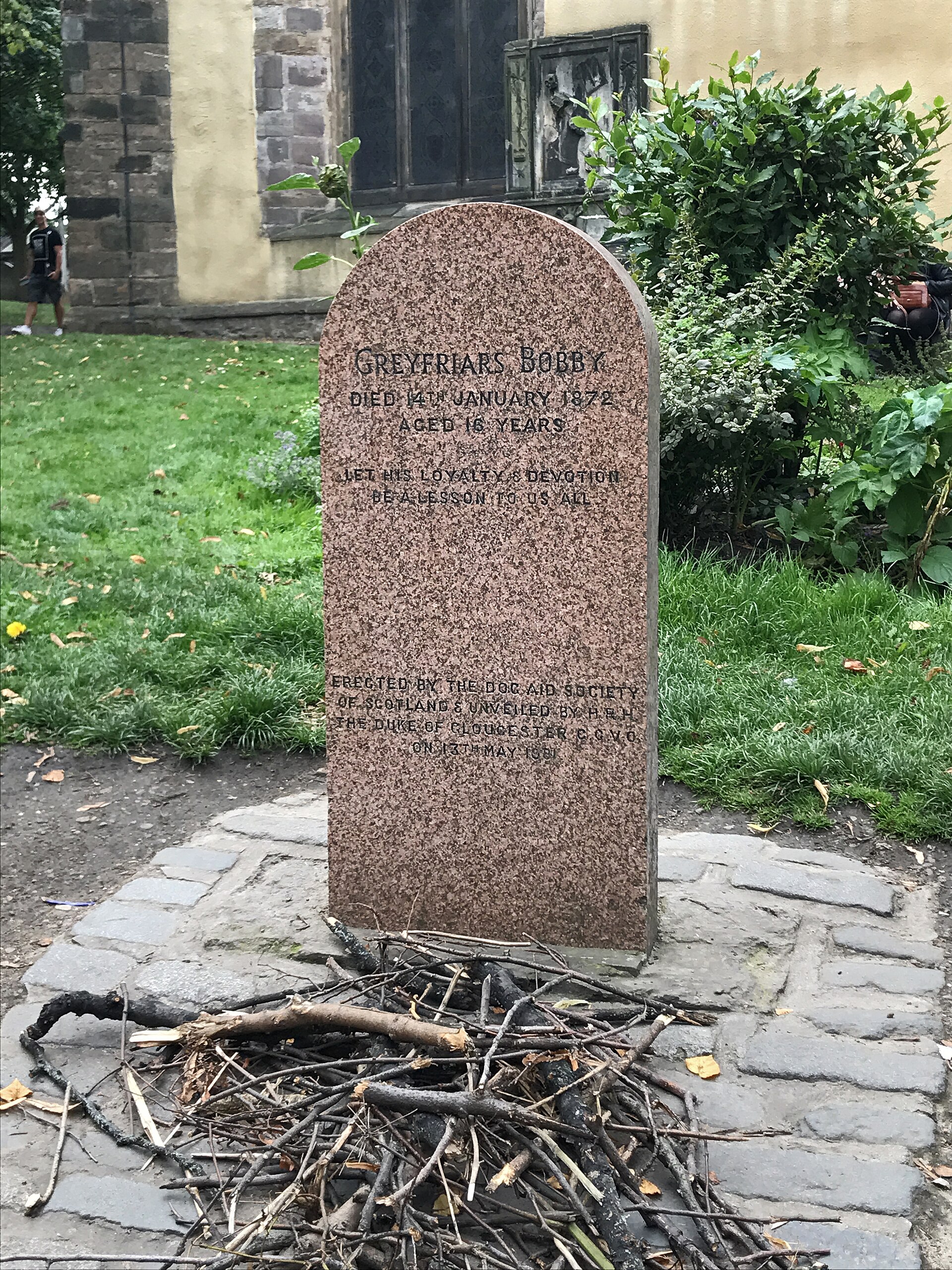
Its inscription commemorates Bobby's fidelity after he followed his master's remains to Greyfriars Churchyard in 1858 and remained near the grave until his death in 1872.
The inscription records that the monument was erected with permission by Baroness Burdett Coutts.
Yes. Historic Environment Scotland records the Greyfriars Bobby Fountain as a designated Category A listed structure, added to the list on 29 April 1977.
No. Museums & Galleries Edinburgh asks visitors not to touch the nose because doing so damages the statue.
Loading the interactive map…
The interactive map could not be loaded.
Last updated:
Source: OpenStreetMap contributors ·