
1 min walk
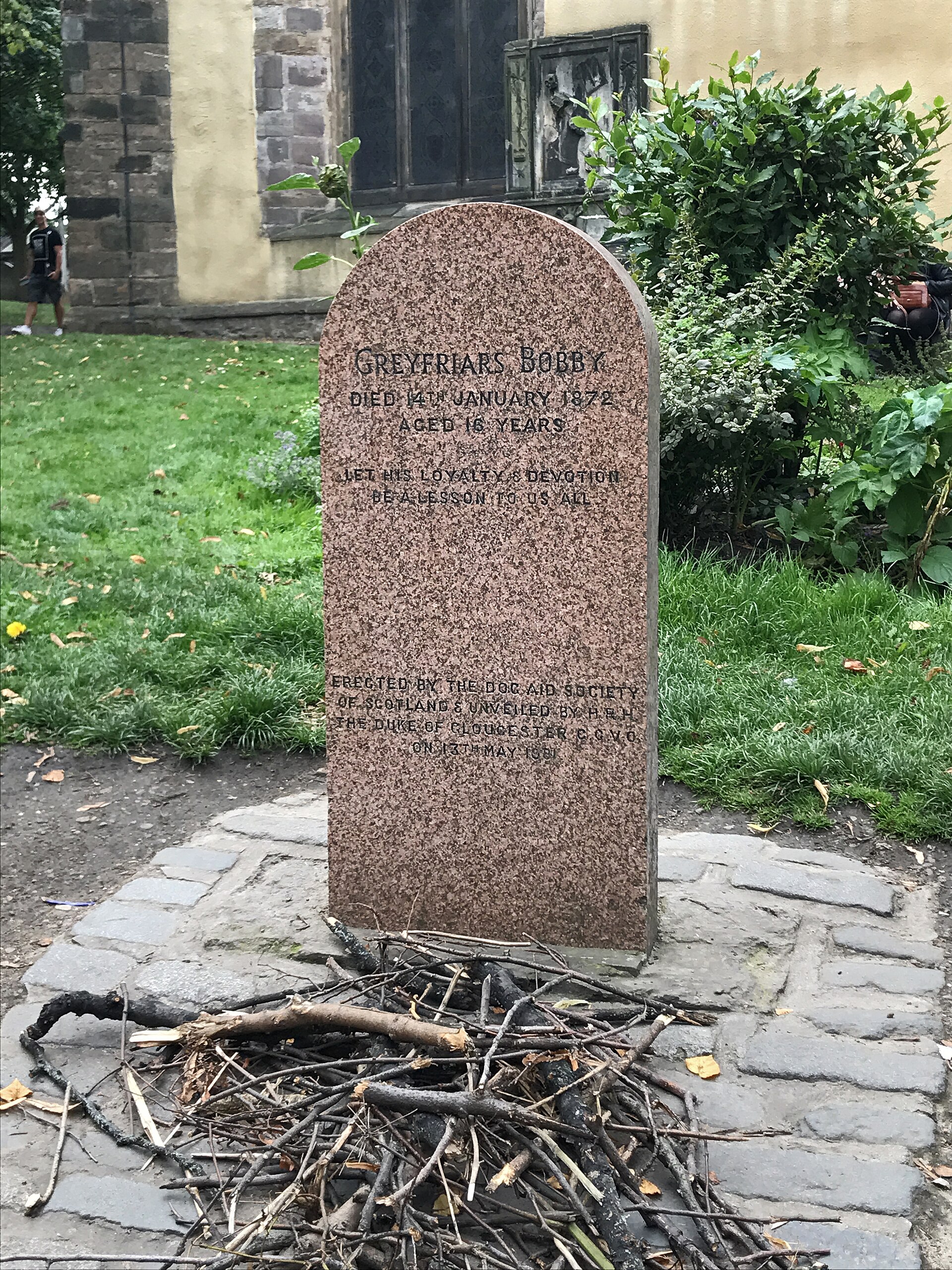
Greyfriars Bobby
- Must see
- Historic monument
Language · 11 published
Place of worship · Edinburgh
Reviewed by Elena Voss · Roavina Travel Editor
| Monday | 10:30 – 16:30 |
|---|---|
| Tuesday | 10:30 – 16:30 |
| Wednesday | 10:30 – 16:30 |
| Thursday | 10:30 – 16:30 |
| Friday | 10:30 – 16:30 |
| Saturday | 12:00 – 16:00 |
| Sunday | Closed |
Checked 2026-08-31 · Source
Read from the OpenStreetMap access tags; anything not listed has no tag recorded.
Set the group type to family in the planner and the day window contracts to about three quarters of a solo day.
This place is a Attraction. It carries the category A listed building heritage designation.
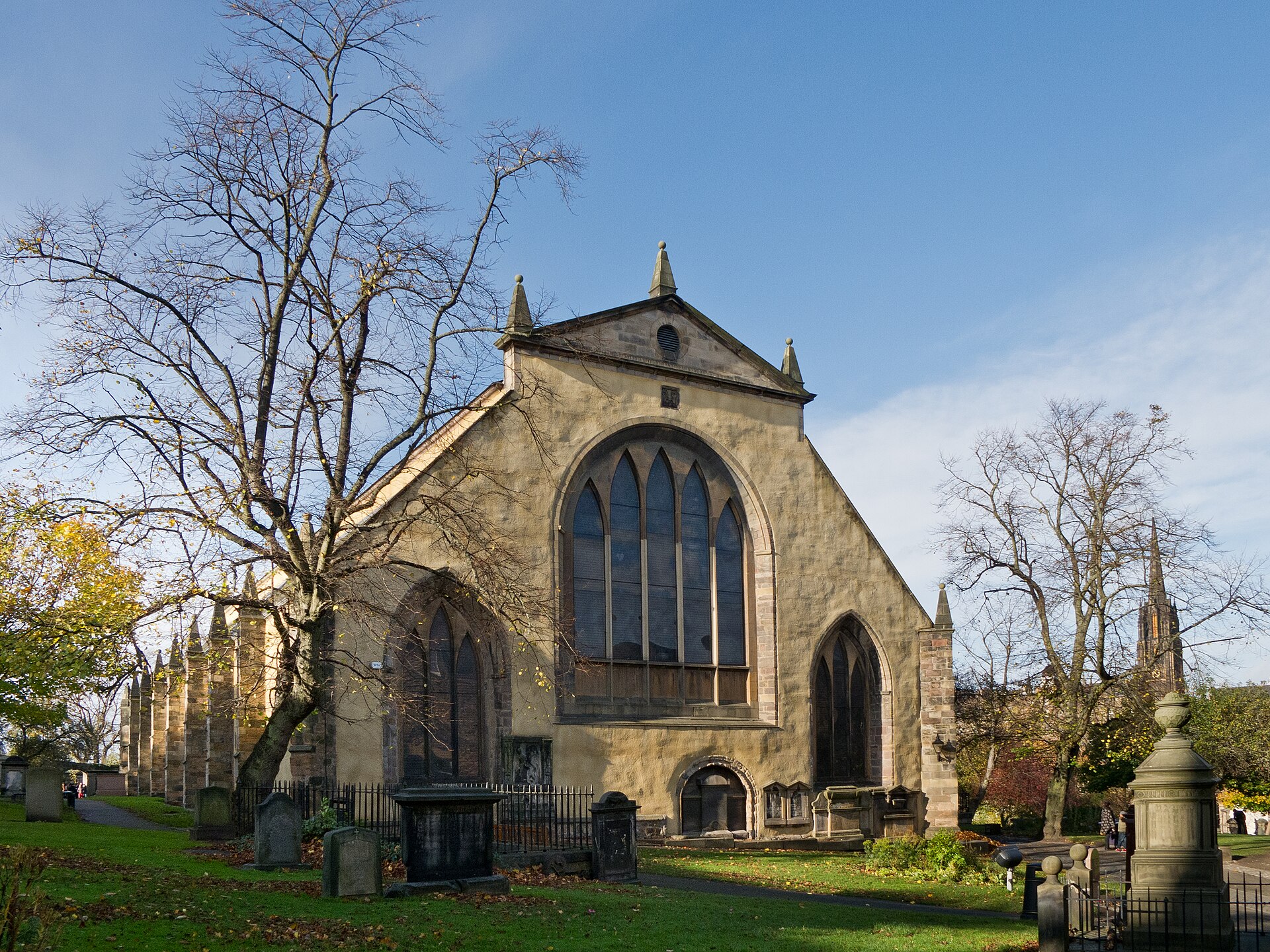
Greyfriars Kirk is a historic parish church located in Edinburgh's Old Town, near the southern edge of the city centre. The church stands within Greyfriars Kirkyard, a substantial graveyard with notable monuments. The site has served religious purposes since the early seventeenth century, with the current building reflecting later reconstruction after historical damage. The kirk occupies a prominent position in Edinburgh's religious and cultural heritage, associated with significant historical events including seventeenth-century covenanters. The surrounding kirkyard contains graves of prominent Scottish figures and provides an atmospheric setting that attracts visitors interested in Scottish history and heritage architecture.
Checked 2026-08-31 · Source
The interior of Greyfriars Kirk contains elements of historical church architecture, including features installed during post-damage reconstruction. Visitors can observe the main worship space with its characteristic layout. The church contains memorials and historical fixtures reflecting its long religious function. The adjoining kirkyard extends the visitor experience substantially, with numerous gravestones, tombs, and monuments spanning several centuries. Notable burial sites include those associated with Scottish historical figures. The kirkyard's atmospheric quality derives from its dense collection of monuments and mature vegetation. The site also maintains connections to the story of Greyfriars Bobby, the loyal dog commemorated nearby, though the specific memorial locations require on-site identification.
Checked 2026-08-31 · Source
A thorough visit to Greyfriars Kirk and its surrounding kirkyard typically requires between forty-five minutes and ninety minutes, depending on individual interest levels. Those primarily interested in a brief exterior appreciation and kirkyard walk may complete their visit in approximately thirty minutes. Visitors with strong interest in historical gravestones, architectural details, or photographic documentation should allocate additional time. The kirkyard's extensive area rewards slower exploration. Combined visits with nearby attractions in Edinburgh's Old Town, including the adjacent Greyfriars Bobby statue, may extend the overall time commitment. Personal pacing varies considerably based on weather conditions and crowd density, which fluctuate seasonally and during festival periods.
Checked 2026-08-31 · Source
April–October: Monday–Friday 10:30–16:30; Saturday 12:00–16:00; Sunday closed to general sightseeing under the normal visitor schedule. Special events can change the published hours. The Kirk is closed to general visiting on many August dates while operating as a ticketed Edinburgh Festival Fringe venue. Edinburgh's climate tends toward cool temperatures and unpredictable precipitation throughout the year, with summer months generally offering longer daylight hours and milder conditions for outdoor kirkyard exploration. Winter visits occur in reduced daylight with possible adverse weather affecting comfort. The Old Town location means surrounding streets experience significant foot traffic during Edinburgh Festival periods in August, potentially affecting access and atmosphere. Early morning and late afternoon typically offer reduced crowding.
Checked 2026-08-31 · Source
Free general admission; donations are encouraged. Ticketed events are separate. Visitors should verify current admission policies through official channels before visiting. Many historic Scottish kirks operate with voluntary donation systems rather than fixed admission fees, though specific arrangements vary by site and may change. Some church buildings may restrict certain interior access during active worship or private events regardless of general admission policies. Group visits or special access requirements may involve separate arrangements. The surrounding kirkyard typically remains accessible as public space, though respectful conduct is expected given its active cemetery function. Visitors should carry appropriate payment methods for any donations or fees encountered upon arrival.
Checked 2026-08-31 · Source
Lothian Buses services 2, 9, 23, 27, 35 and 45 stop nearby. Edinburgh Waverley station is approximately a 10-minute walk away. Nearby car parks are on Chambers Street and Lauriston Place; the Kirk lies inside Edinburgh’s Low Emission Zone. Greyfriars Kirk occupies a central Old Town location accessible through Edinburgh's pedestrian network. The site lies within reasonable walking distance from Waverley railway station and the Royal Mile. Multiple bus routes serve surrounding streets, with stops on Lauriston Place and nearby thoroughfares. The Grassmarket area lies immediately adjacent, offering additional approach routes. Edinburgh's compact city centre enables integration with broader Old Town exploration.
Checked 2026-08-31 · Source
Level access into the Kirk. Toilet facilities for visitors with limited mobility. Blue Badge parking can be arranged in advance through the Kirk office. The kirkyard remains an active cemetery requiring respectful conduct throughout. Uneven ground, worn paths, and weathered stone surfaces present trip hazards requiring appropriate footwear. Weather conditions change rapidly; shelter within the church building may be limited during non-service times. Some memorial stones are fragile and should not be touched or climbed. The site's historical atmosphere includes associations with mortality and specific historical tragedies that may affect sensitive visitors. Wildlife inhabits the kirkyard, including birds and squirrels. Personal belongings require attention in any tourist-frequented area.
Checked 2026-08-31 · Source
Photography opportunities at Greyfriars Kirk encompass architectural subjects, historical gravestones, and atmospheric kirkyard compositions. The stone building presents textural detail and historical character suitable for varied photographic approaches. Kirkyard monuments offer documentary and artistic possibilities, with mature trees providing framing elements. Light conditions vary substantially with season and time of day, affecting mood and visibility. Overcast skies typical of Edinburgh reduce harsh shadows but may flatten contrast. Respectful practice is essential: avoid disturbing other visitors, maintain appropriate distance from any services or mourners, and refrain from moving objects for photographic purposes. Tripod use may attract attention or restrictions in confined spaces.
Checked 2026-08-31 · Source
The Kirk opened on Christmas Day 1620 after construction began in 1602; it was Edinburgh’s first post-Reformation church.
The National Covenant was presented and signed in front of the pulpit in 1638, and an original copy is displayed in the Kirk museum.
The museum includes an original National Covenant, an 1867 oil painting of Greyfriars Bobby, a King James VI Bible and examples of early communion plate.
The Peter Collins organ was built in 1990, has three manuals and contains nearly 3,400 pipes.
The City of Edinburgh Council, not Greyfriars Kirk, manages the Kirkyard; the gate on Candlemaker Row provides access 24 hours a day.
Information boards forming a self-guided tour are available inside in several languages, and volunteer Welcomers can answer questions.
Loading the interactive map…
The interactive map could not be loaded.
Last updated:
Source: OpenStreetMap contributors, Wikidata ·