
3 min walk
Arthur's Seat
- Must see
- Viewpoint
Language · 11 published
Nature site · Edinburgh
Reviewed by Elena Voss · Roavina Travel Editor
| Monday | 00:00 – 23:59 |
|---|---|
| Tuesday | 00:00 – 23:59 |
| Wednesday | 00:00 – 23:59 |
| Thursday | 00:00 – 23:59 |
| Friday | 00:00 – 23:59 |
| Saturday | 00:00 – 23:59 |
| Sunday | 00:00 – 23:59 |
Checked 2026-08-31 · Source
Read from the OpenStreetMap access tags; anything not listed has no tag recorded.
Set the group type to family in the planner and the day window contracts to about three quarters of a solo day.
This place is a Park. It was established in 1541.
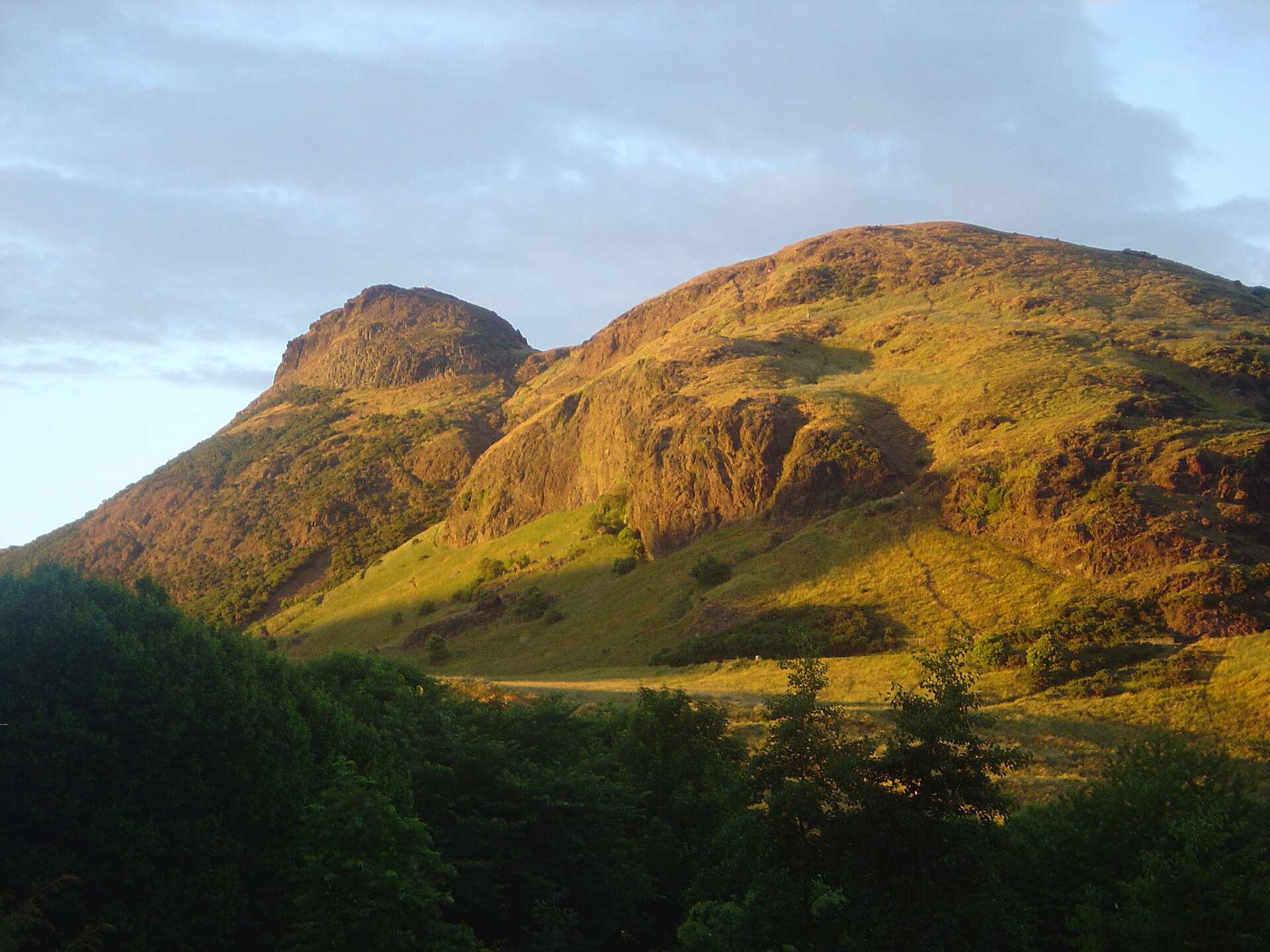
Holyrood Park is a royal park in Edinburgh, Scotland, associated with the Palace of Holyroodhouse. It covers a substantial area of open landscape including hills, lochs, and rocky outcrops. The park contains Arthur's Seat, an ancient volcano and the highest point in Edinburgh, offering panoramic views. It has been a royal park since at least the 16th century and remains under the management of the Crown. The landscape combines natural features with historical significance, including remains of prehistoric forts and medieval agricultural patterns.
Checked 2026-08-31 · Source
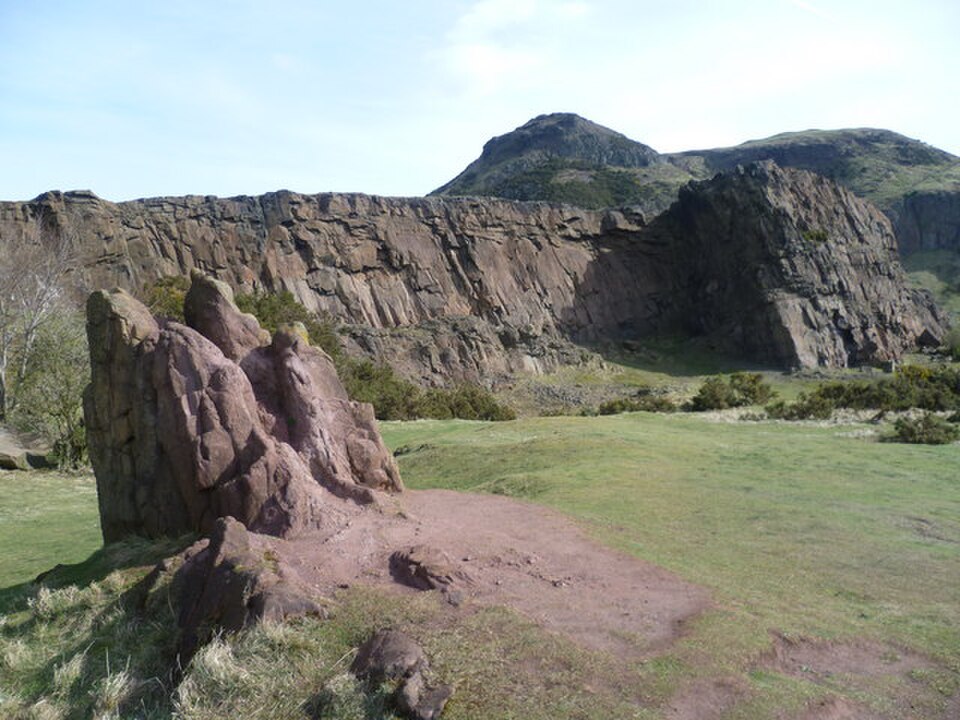
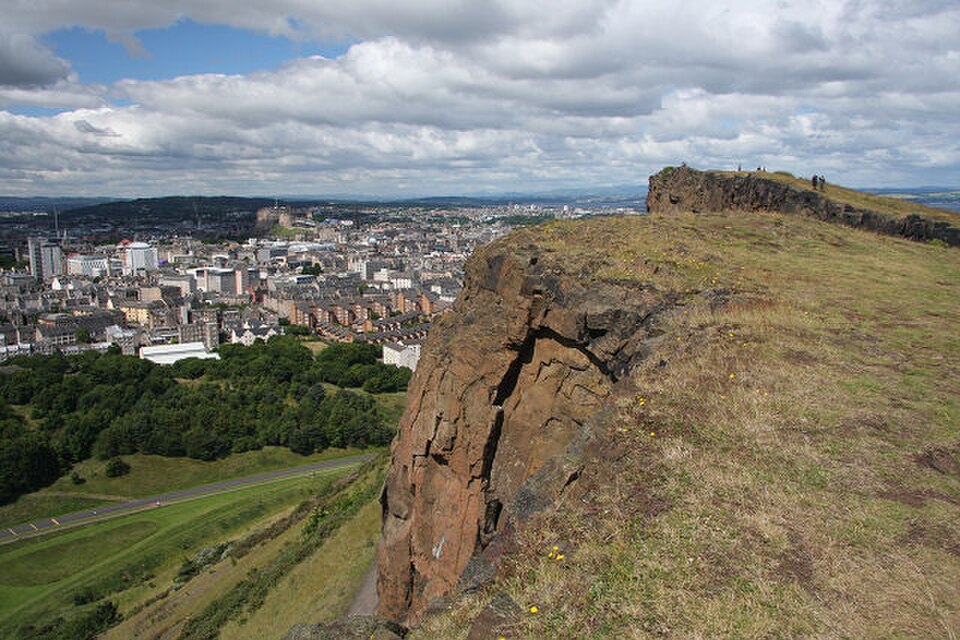
The park contains Arthur's Seat, Salisbury Crags, and several smaller hills. There are three lochs: St Margaret's Loch, Dunsapie Loch, and Duddingston Loch. Ruins include the 15th-century St Anthony's Chapel. The landscape features volcanic rock formations, grassland, and wetland habitats. Wildlife includes various bird species. The park contains paths and tracks throughout. The Salisbury Crags provide a dramatic cliff face. There are no visitor centres or permanent exhibitions within the park boundaries. The terrain varies from gentle slopes to steep ascents. city_place_id; stored production name and coordinates were copied without approximation.
Checked 2026-08-31 · Source
Visitors typically spend between one and four hours in Holyrood Park depending on chosen activities. A circuit of Arthur's Seat requires approximately two to three hours for most walkers. Shorter walks to viewpoints or around the lochs may take forty minutes to one hour. Photography stops and rest breaks extend visit duration. The park is accessible for brief visits or extended exploration. Fitness level and weather conditions significantly affect timing. Many visitors combine the park with adjacent Palace of Holyroodhouse or Scottish Parliament visits.
Checked 2026-08-31 · Source
Open 24 hours daily, year-round; no scheduled pedestrian closure days. Most of the park remains open. The High Road is closed to motor traffic but remains accessible to pedestrians and dismounted cyclists. Radical Road and the climbing areas are closed for safety. Park roads normally close to vehicles during the day on Saturdays and Sundays. Holyrood Park is open year-round. Weather conditions vary substantially across seasons, affecting accessibility and safety. Winter visits require caution due to ice and reduced daylight. Summer offers longer daylight hours and generally more stable conditions. Morning visits may provide quieter conditions. Visibility for views from Arthur's Seat depends on weather. Wind speeds can be significantly higher on exposed summits than at ground level. Visitors should check local weather forecasts before ascending. The park may experience high visitor numbers during Edinburgh Festival period.
Checked 2026-08-31 · Source
Free general admission. Entry to Holyrood Park is free of charge. No ticket is required for access to walking paths, hills, or loch areas. The park operates as public open space. Separate charges apply for Palace of Holyroodhouse entry, which is adjacent but distinct. Any future changes to access arrangements would be publicised by the managing authority. Donations to park maintenance are not solicited at entry points.
Checked 2026-08-31 · Source
Lothian Buses service 35 serves the Scottish Parliament stop for the Holyrood side of the park. Services 2, 14, 30 and 33 serve the Royal Commonwealth Pool stop for approach from the south. Holyrood Park is located in central Edinburgh, east of the Old Town. The park borders the Palace of Holyroodhouse and the Scottish Parliament building. Multiple bus routes serve the surrounding area. Edinburgh Waverley railway station is approximately fifteen minutes walk from park entrances. The nearest tram stop is not immediately adjacent. On-street parking near entrances is limited and restricted. The park has several pedestrian access points including from Holyrood, Duddingston, and Dunsapie. Cyclists can use designated paths. The terrain is unsuitable for standard wheelchairs on most routes.
Checked 2026-08-31 · Source
The Volunteers’ Walk–Camstane–Hunter’s Bog–St Margaret’s Loch route is described as wheelchair accessible, although it includes rough tracks and slopes. Broad Pavement Car Park has free parking for Blue Badge holders. Toilets are available at the Holyrood Park Education Centre; there are no toilets along the named route. Terrain is uneven and steep in places with exposed rock. Paths can be slippery when wet or icy. Cliff edges on Salisbury Crags present fall risks. Weather changes rapidly; fog reduces visibility significantly. No permanent shelter exists on higher ground. Mobile phone coverage may be intermittent. No drinking water sources are available within the park. Visitors should carry appropriate footwear and clothing. Livestock may graze in certain areas. Ticks are present in grassland and woodland edges. Solitary walking after dark requires caution. Emergency services access is constrained by terrain.
Checked 2026-08-31 · Source
Holyrood Park offers extensive photographic opportunities. Arthur's Seat summit provides panoramic city and coastal views. Salisbury Crags offers dramatic geological subjects and skyline compositions. The three lochs provide reflective water features with bird life. St Anthony's Chapel ruins present architectural texture subjects. Sunrise and sunset create varied lighting conditions. Wide-angle lenses accommodate expansive landscapes. Telephoto lenses suit distant city detail and wildlife. Weather conditions dramatically affect image character. Tripod use is practical on stable ground but challenging in wind. No commercial photography permits are visibly enforced. Drone operation would require compliance with aviation regulations.
Checked 2026-08-31 · Source
They are next to the Holyrood Park Education Centre on the park’s north side, behind the Palace of Holyroodhouse. June–August hours are 08:00–17:00 Monday–Wednesday and 08:00–19:00 Thursday–Sunday; other seasonal hours apply.
Yes. Owners must remove waste and follow seasonal signs requiring dogs to be kept on leads near nesting birds.
Cycling is permitted on the roads and the green path beside Queen’s Drive; off-road cycling is prohibited.
No. Radical Road is closed because of the falling-rock hazard.
Yes, with a free permit obtained from the Holyrood Park Ranger Service.
No. Camping, fires, barbecues and golf are prohibited throughout the park.
Loading the interactive map…
The interactive map could not be loaded.

Last updated:
Source: OpenStreetMap contributors, Wikidata ·