
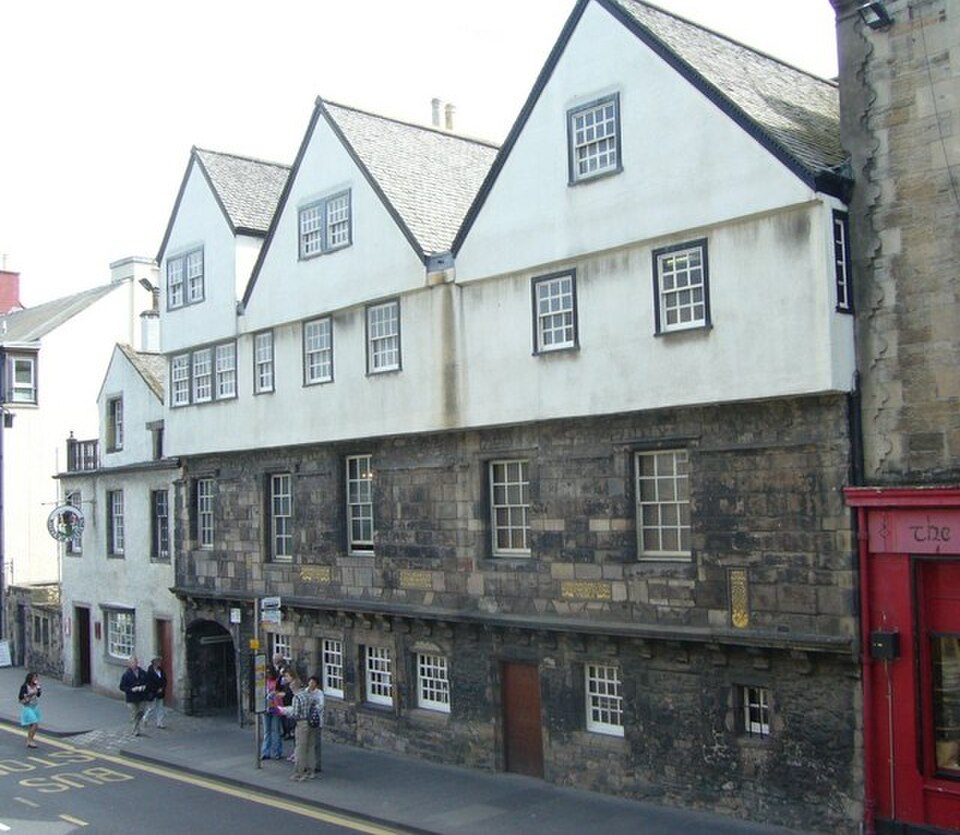
1 min walk
Museum of Edinburgh
- Must see
- Museum
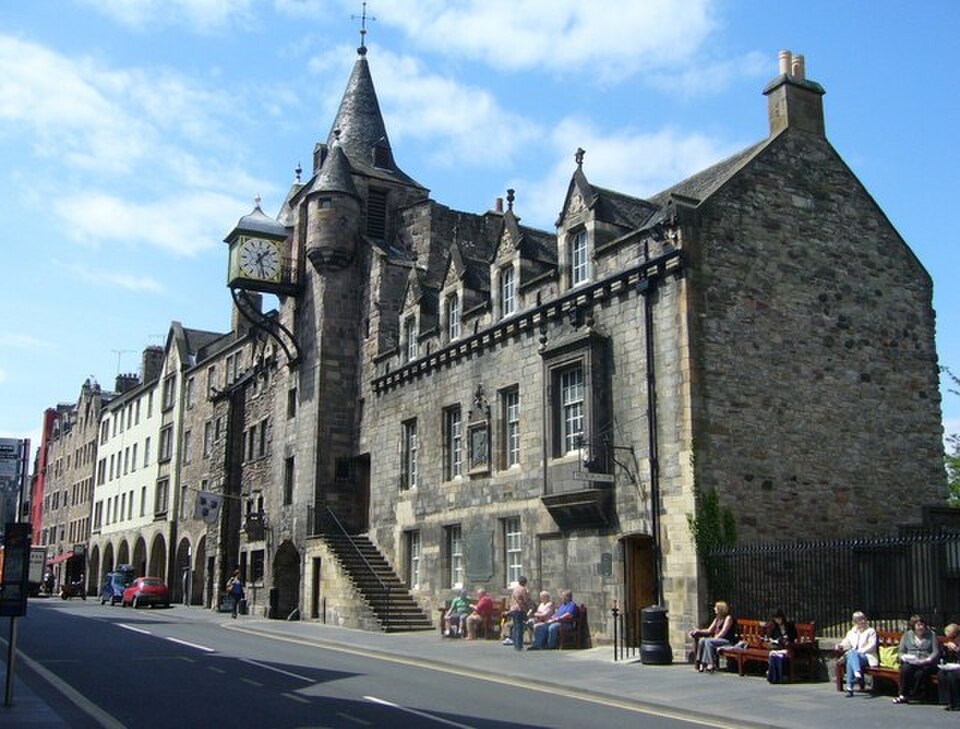
Museum · Edinburgh
The People's Story Museum
| Monday | 10:00 – 17:00 |
|---|---|
| Tuesday | 10:00 – 17:00 |
| Wednesday | 10:00 – 17:00 |
| Thursday | 10:00 – 17:00 |
| Friday | 10:00 – 17:00 |
| Saturday | 10:00 – 17:00 |
| Sunday | Closed |
Parsed from OpenStreetMap opening hours on 2026-09-09.
People's Story Museum presents Edinburgh's social history through the experiences of ordinary residents. It occupies the historic Canongate Tolbooth on the Royal Mile, giving the visit a strong connection with the surrounding Old Town. The displays focus on working life, homes, neighbourhoods, leisure and community relationships from the late eighteenth century to the present. Personal testimonies, photographs, documents and everyday objects make the museum feel intimate rather than monumental. It is a rewarding stop for travellers who want to understand how Edinburgh was lived in, not only how it was governed or celebrated. The People's Story Museum is a social history museum located in Edinburgh, Scotland. The museum presents social history content that parents should preview for younger children. Some exhibits address challenging living conditions and historical hardships. The compact size suits family visits.
Checked 2026-08-26 · Source
Inside, visitors move through displays about domestic life, workplaces, recreation and social change. Reconstructed settings include a jail cell, a wartime kitchen and a 1950s kitchen, while personal stories give the objects their human context. Local donations, family photographs and written records show how several generations experienced changing homes, jobs and communities. The museum's smaller scale makes it easy to concentrate on individual stories and details. Read the testimonies alongside the objects: the contrast between a humble possession and the life attached to it is central to the museum's character.
Checked 2026-08-26 · Source
Allow about one to two hours for the museum. A shorter visit can cover the main reconstructed rooms and broad themes, while a longer stay suits travellers who enjoy reading testimony and examining photographs closely. The building is compact, so the experience is focused rather than physically demanding through distance. Families may move more quickly, especially if younger children prefer the reconstructed spaces to the written material. If social history is a main interest, leave extra time for the voices and documents that reward patient attention.
Checked 2026-08-26 · Source
The museum's Royal Mile setting is busiest during summer and Edinburgh's August festival season, when tour groups, performers and pedestrians fill the street. A morning visit usually gives you a calmer approach through the Old Town. Winter can feel quieter, although Edinburgh's daylight is shorter and rain is possible in every season. The surrounding Canongate and Royal Mile remain worthwhile even when the street is lively. Plan the museum as a focused indoor pause between other Old Town sights rather than as a rushed detour.
Checked 2026-08-26 · Source
The museum is a public social-history attraction where general browsing is associated with the wider tradition of free Scottish museum visits and voluntary support. Special displays, events or organised group activities can follow different arrangements. Treat the visit as an easy addition to a Royal Mile walk, with no need to build a long stop around ticket administration. The most valuable part of the experience is the collection of personal voices, reconstructed rooms and local objects rather than a single headline exhibit.
Checked 2026-08-26 · Source
People's Story Museum stands on the Canongate section of Edinburgh's Royal Mile, between the Old Town's castle and palace landmarks. Walk from Edinburgh Waverley station through the historic centre, or approach on foot from nearby Royal Mile attractions. Buses serve streets around the Old Town, but the final approach is on foot because the Royal Mile is primarily pedestrian space. The immediate area has limited parking and steep Old Town gradients. Comfortable shoes are useful for the cobbles and slopes surrounding the building.
Checked 2026-08-26 · Source
This is a historic building, so narrow doorways, uneven surfaces and changes in floor level may affect how comfortably you move through it. The displays include poverty, imprisonment, difficult work and wartime experience; younger visitors may respond differently to these subjects. Outside, the Royal Mile can become tightly crowded, particularly during festivals. Keep personal belongings close in dense pedestrian flow and allow more time for the Old Town's cobbles and gradients. The intimate scale is part of the appeal, but it also leaves limited room when groups arrive together.
Checked 2026-08-26 · Source
The Canongate Tolbooth and the surrounding Royal Mile provide strong exterior subjects, especially when photographed with the stone closes and changing elevations of the Old Town. Inside, the reconstructed kitchens, jail setting, objects and family photographs create a quieter visual record of Edinburgh life. Follow the museum's displayed rules about indoor photography and flash, and give other visitors space in the compact rooms. Outside, the architecture is easiest to frame during a less crowded period, when groups and performers do not block the frontage.
Checked 2026-08-26 · Source
It explores ordinary Edinburgh life, including homes, work, leisure, poverty, community experience and social change from the late eighteenth century onward.
It is in the historic Canongate Tolbooth on the Canongate section of Edinburgh's Royal Mile in the Old Town.
Most travellers can allow one to two hours, with extra time useful for reading personal testimonies and examining photographs and documents.
The displays include a jail cell, a wartime kitchen and a 1950s kitchen, alongside objects and stories from Edinburgh residents.
Yes. The museum is within walking distance of Waverley station through Edinburgh's central Old Town and Royal Mile.
Its focus is on working-class and everyday voices, using personal testimony and familiar possessions instead of concentrating on rulers, monuments or elite life.
Loading the interactive map…
The interactive map could not be loaded.
Last updated:
Source: OpenStreetMap contributors, Wikidata ·