

_-_geograph.org.uk_-_4311613.jpg)


2 min walk
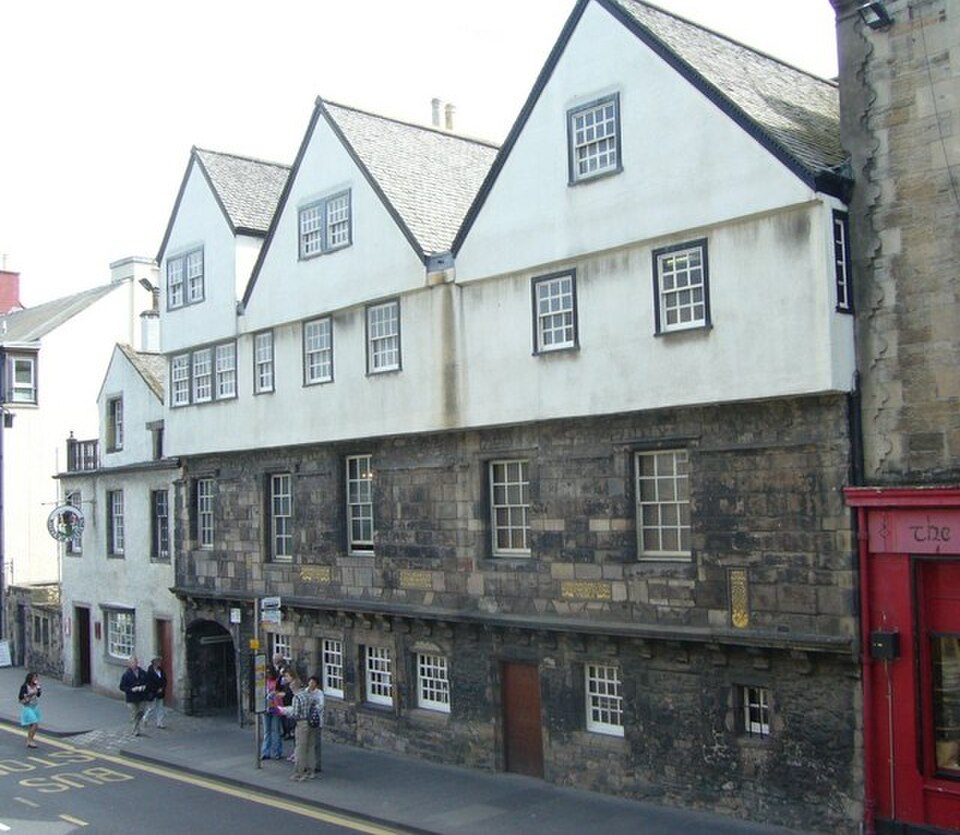
Museum of Edinburgh
- Must see
- Museum
Language · 11 published
Nature site · Edinburgh
Dunbar's Close Garden
Reviewed by Elena Voss · Roavina Travel Editor
This place is a Attraction.
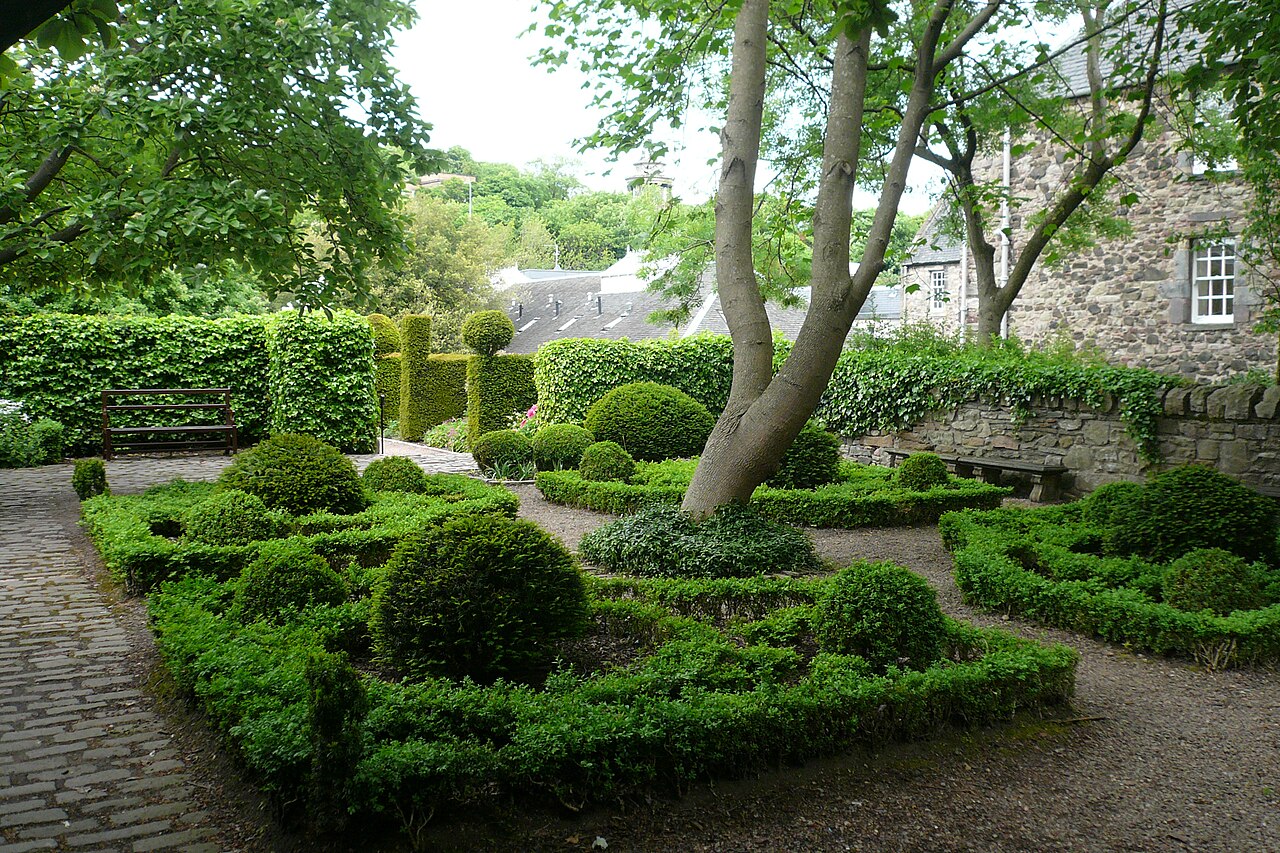
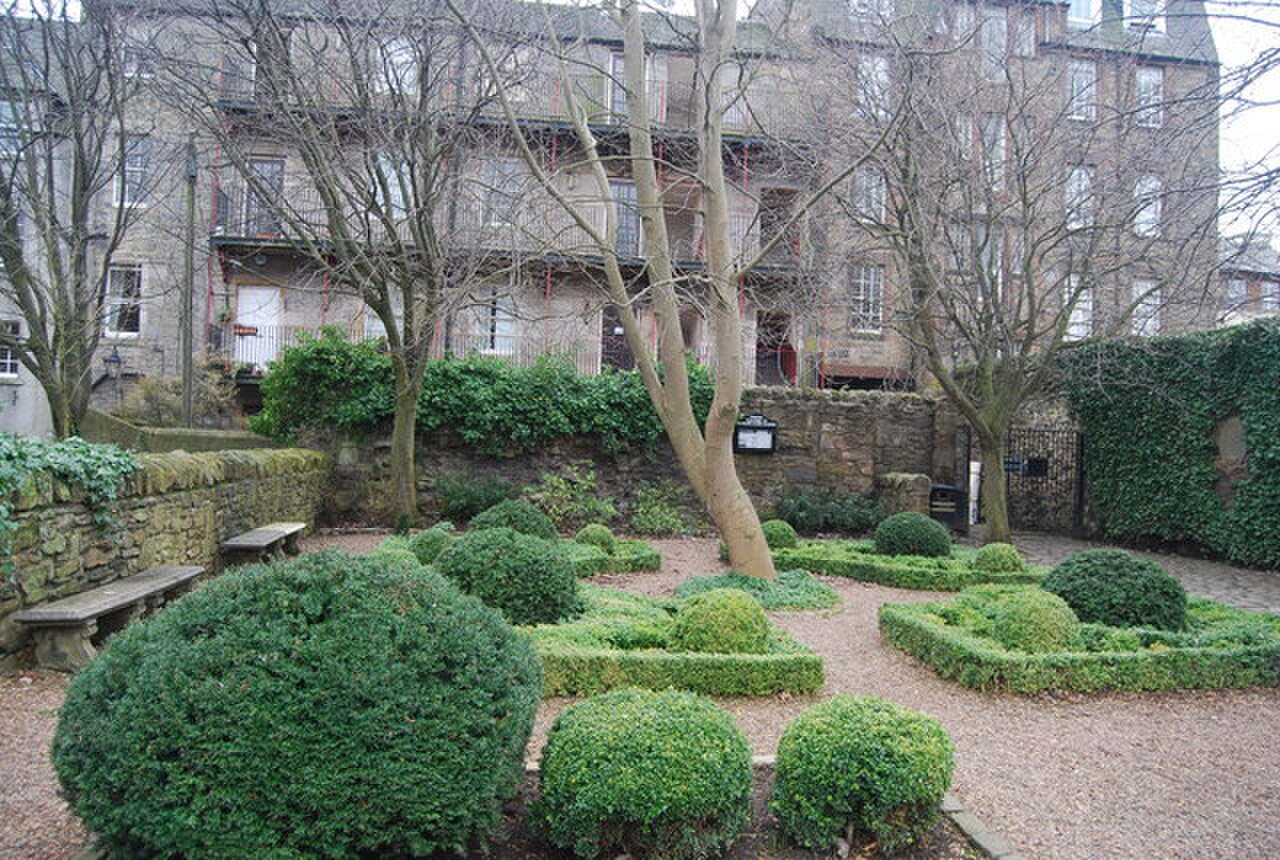
Dunbar's Close Garden is a hidden walled garden in Edinburgh's Old Town, situated on the Royal Mile near Canongate. It occupies the site of a former tenement close, recreated as a 17th-century-style garden. The garden is named after David Dunbar, a writer who owned property on the close in the late 18th century. It offers a tranquil retreat from the busy thoroughfare, presenting visitors with a formal layout typical of Scottish gardens from the historical period. The space serves as a public garden maintained for the enjoyment of residents and visitors seeking quiet amid the urban environment.
Checked 2026-08-26 · Source
The garden features a formal layout with gravel paths dividing planted beds into geometric sections. Visitors will find traditional planting arrangements with herbs, flowers, and shrubs consistent with 17th-century Scottish garden design. Seating areas are provided for rest and contemplation. The walled enclosure creates a sheltered microclimate. Mature trees and climbing plants add vertical interest against the stone walls. The garden's design emphasizes symmetry and order, characteristic of the period it represents. No buildings or structures occupy the interior space, maintaining focus on the horticultural elements and the peaceful atmosphere of this reconstructed historical garden.
Checked 2026-08-26 · Source

A visit to Dunbar's Close Garden typically requires between fifteen and thirty minutes for most visitors. The compact nature of the walled garden means the physical space can be traversed quickly, though many visitors choose to remain longer to appreciate the peaceful atmosphere. The garden suits brief stops during exploration of the Royal Mile rather than serving as a primary destination requiring extended time. Those interested in historical garden design or seeking a quiet moment may wish to allocate additional time. The experience depends on individual pace and whether visitors are passing through or deliberately pausing in the space.
Checked 2026-08-26 · Source
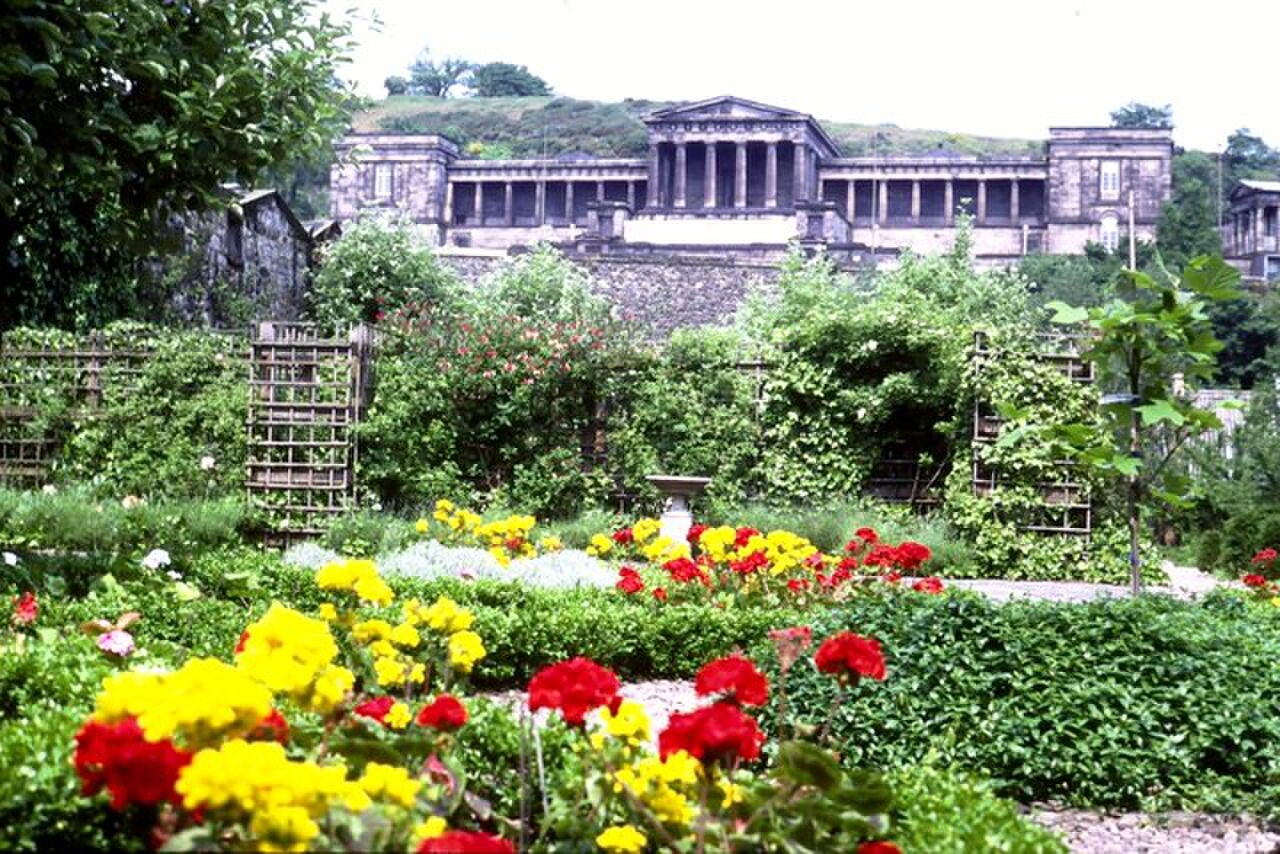
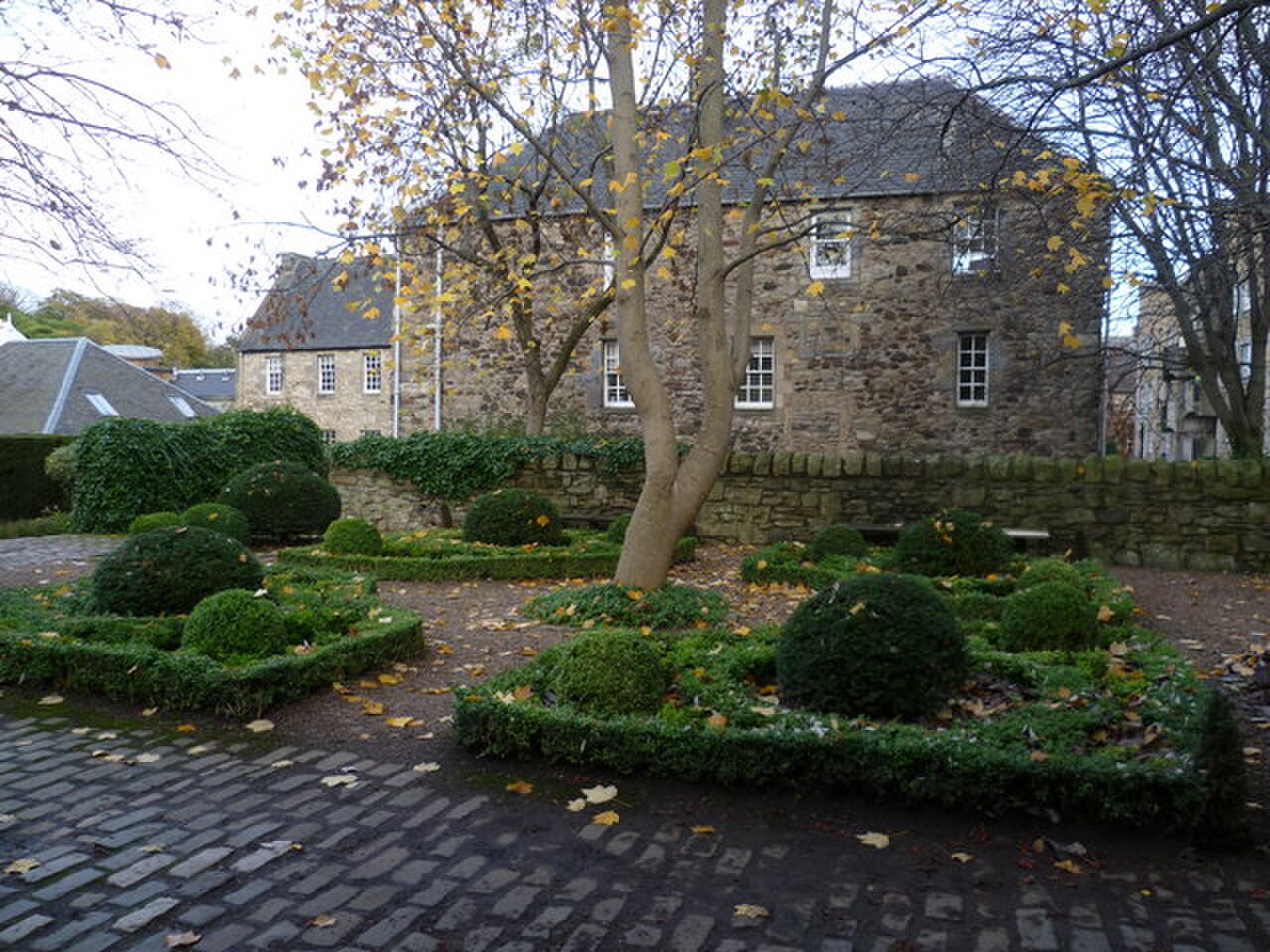
The garden's appeal varies with seasons as planting changes throughout the year. Spring and summer typically offer the most visible horticultural interest when plants are in active growth. Autumn brings changing foliage colours. Winter visits reveal the underlying structure of the garden design. Visitors should verify current opening times before travelling, as small public gardens may have variable access or seasonal adjustments. Weather conditions affect the experience, with dry days allowing full use of paths and seating. The enclosed walls provide some shelter from wind regardless of season.
Checked 2026-08-26 · Source
Dunbar's Close Garden is understood to be a free public space open to visitors without charge. No ticketing infrastructure is evident at the site. Visitors should not expect to encounter admission fees, though this cannot be absolutely guaranteed without verification from the managing authority. The garden's status as a public amenity maintained for community benefit supports free access. Any future changes to access policy would require clear signage. Visitors concerned about potential charges should seek current information from Edinburgh city authorities or local visitor information services before arrival.
Checked 2026-08-26 · Source
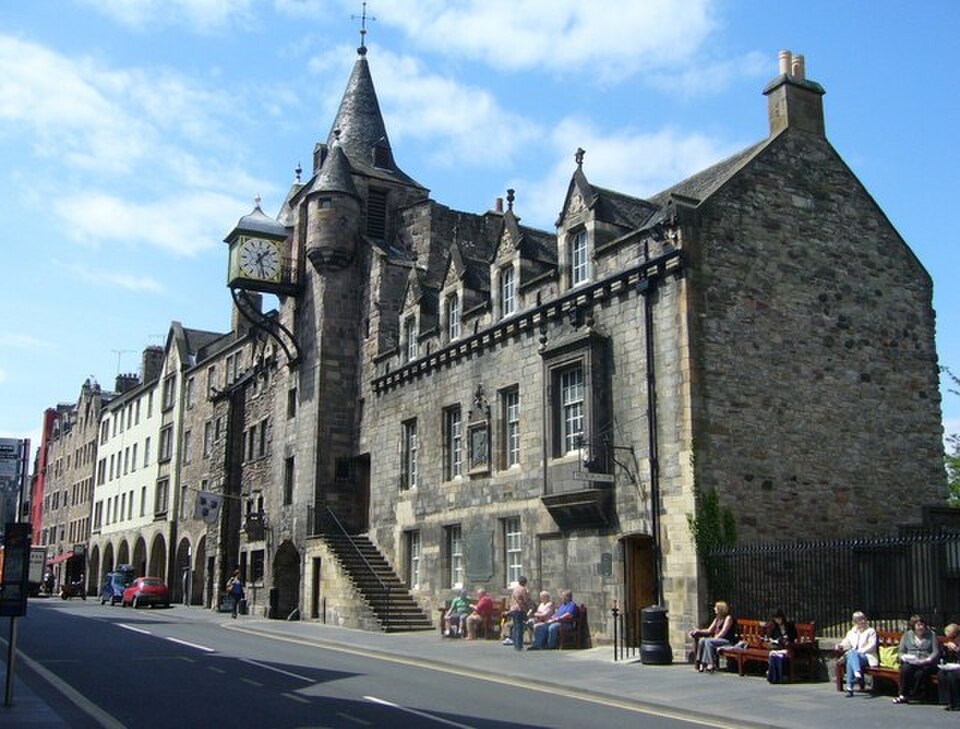
The garden is located on Edinburgh's Royal Mile in the Canongate area, easily reached on foot from numerous city centre locations. The nearest significant landmark is the Canongate Kirk. Public transport options include Lothian Buses services with stops on nearby streets. Edinburgh Waverley railway station lies approximately fifteen minutes' walk to the west. The Royal Mile itself is pedestrian-friendly though cobbled in sections. The garden entrance is set back from the main street and can be overlooked; visitors should watch for the opening in the building frontage. No dedicated parking exists at the site itself.
Checked 2026-08-26 · Source
The entrance is easily missed from the Royal Mile, requiring attentive observation of building frontages. The garden is compact and may feel crowded if multiple visitors arrive simultaneously. Paths are gravel surfaced, potentially challenging for mobility aids or in wet conditions. No facilities such as toilets or refreshments are available within the garden. The space offers minimal shelter from rain despite wall enclosure. Visitors should respect the planted areas and remain on designated paths. The garden's quiet character depends on visitor behaviour; loud activity would diminish the experience for others. Closing times, if enforced, should be observed.
Checked 2026-08-26 · Source
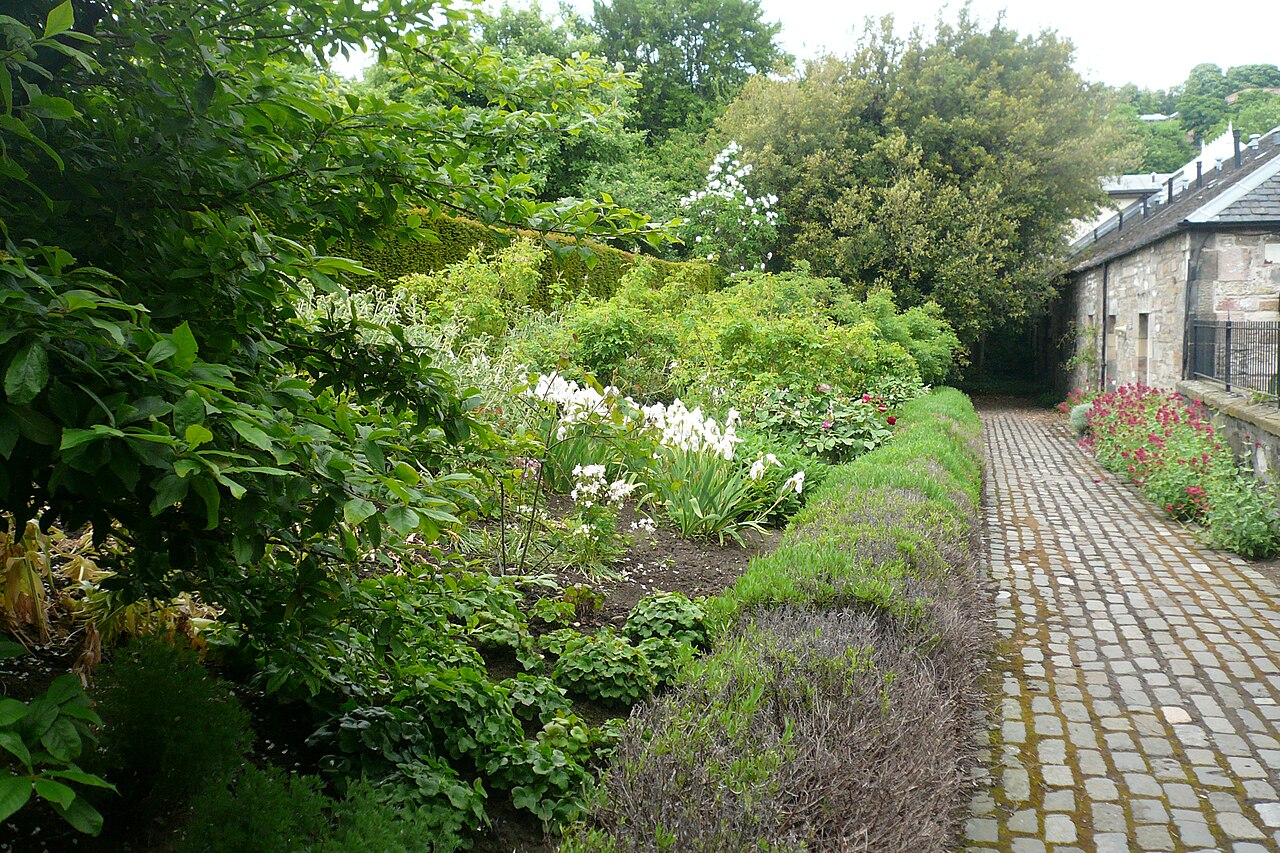
The formal symmetry and walled enclosure create composed photographic opportunities. Morning and afternoon light produces contrasting effects through the space. The geometric beds and gravel paths offer strong leading lines. Seasonal planting provides varying colour palettes. The surrounding walls frame shots naturally and block modern intrusions, aiding historical atmosphere. Close detail work suits the herbaceous plantings. The confined space limits wide-angle compositions without distortion. Tripod use may inconvenience other visitors given compact dimensions. The tranquil setting suggests considerate photography practice avoiding disruption. No commercial photography restrictions are recorded, though standard public space courtesy applies. Weather conditions significantly affect available light within the walled enclosure.
Checked 2026-08-26 · Source
The gravel path surfaces may present difficulties for wheelchairs and mobility aids. The compact space and historical character mean modern accessibility features are not extensively incorporated. Visitors with mobility concerns should assess conditions personally or seek current accessibility information.
Visitors with dogs should exercise caution and be prepared to leave if requested.
The garden's small size and public access purpose make exclusive use unlikely. Visitors seeking event venues should contact Edinburgh city authorities for definitive information about permitted uses.
The stone walls provide limited wind protection but do not constitute rain shelter. No covered structures exist within the garden. Visitors should carry appropriate weather protection as Scottish conditions change frequently.
The garden's self-contained nature and small scale suggest independent exploration is the typical visitor experience. Royal Mile walking tours may mention the garden externally without entering.
Public gardens in Edinburgh typically fall under city council parks services or associated trusts. Visitors seeking to report issues or offer feedback should contact Edinburgh City Council.
Loading the interactive map…
The interactive map could not be loaded.
Last updated:
Source: OpenStreetMap contributors, Wikidata ·