
6 min walk
Blackford Hill
- Must see
- Viewpoint
Language · 11 published
Historic monument · Edinburgh
Royal Observatory, Edinburgh
Reviewed by Elena Voss · Roavina Travel Editor

This place is a Attraction. It was established in 1896. It carries the category A listed building heritage designation.
Royal Observatory Edinburgh is a working astronomical research institution on Blackford Hill, south of the city centre. The present observatory site dates from 1896 and continues to support astronomical science rather than operating as a conventional museum. Its hilltop setting adds a second reason to visit: the grounds and surrounding slopes provide elevated views across Edinburgh. Treat Royal Observatory as a scientific workplace first, with public interest centred on its domes, setting, history and connection with modern astronomy. The contrast between active research and the open landscape makes the site distinctive within Edinburgh. The Royal Observatory, Edinburgh is an astronomical research institution situated on Blackford Hill in the Scottish capital. The research priority suggests unannounced visits risk refusal.
Checked 2026-08-26 · Source
The observatory includes research telescopes housed in protective domes, scientific offices and laboratories. The James Gregory Telescope is a working instrument and gives the site a direct connection with astronomical research. The buildings combine late-Victorian scientific character with facilities adapted for contemporary work. Royal Observatory is not arranged like a large science museum with a fixed sequence of galleries. The strongest experience comes from understanding the instruments, seeing the domes against the skyline and appreciating the hilltop setting. Public areas and interior access depend on the activity taking place at the institution.
Checked 2026-08-26 · Source
Allow about thirty minutes for the exterior setting, observatory architecture and Blackford Hill views. A scheduled astronomy activity can extend the visit to two or three hours, including the journey up the hill and time spent with the programme. The amount of time inside depends on the public activity available when you arrive. Pairing Royal Observatory with a walk on Blackford Hill creates a fuller outing and gives the visit a natural rhythm: approach through the parkland, pause at the observatory and finish with the Edinburgh panorama.
Checked 2026-08-26 · Source
Choose a clear, dry period if your priority is the view from Blackford Hill. The exposed summit can be windy and Edinburgh cloud can obscure both the skyline and the night sky. Evening astronomy activities offer the most natural setting for observing the heavens, while daylight suits exterior architecture and city views. Public access is shaped by the observatory's research work, so a dedicated visit works best when a public activity has been announced. For a simple viewpoint stop, daylight gives easier walking and better visibility across Edinburgh.
Checked 2026-08-26 · Source
Royal Observatory is a research facility, so entry is connected to public activities rather than a standard museum-style ticket desk. A visit focused on the hill, exterior and city panorama does not require treating the site as a conventional paid attraction. A scheduled event may have its own admission arrangement. Plan the observatory as a specialist stop whose value comes from the scientific setting, the working telescopes and the landscape, rather than from a guaranteed collection of galleries or a permanent visitor route.
Checked 2026-08-26 · Source
Royal Observatory stands on Blackford Hill, roughly two kilometres south of Edinburgh's Old Town. Reach the general area by public transport and continue on foot up the hill. The final approach is uphill and the exposed location can make the walk feel more demanding than the city-centre distance suggests. Walking or cycling is practical for visitors comfortable with the climb. Build return time into an evening plan, especially when darkness, wind or rain will make the descent slower and less comfortable.
Checked 2026-08-26 · Source
Royal Observatory remains an active scientific workplace, so respect restricted areas, equipment and staff activity. Blackford Hill is exposed: wind and rain can arrive even when conditions in the centre feel calmer. Wear weather-resistant clothing and shoes suitable for an uphill path. After dark, uneven or poorly lit sections deserve extra care. The site has no commercial visitor infrastructure described as part of the observatory experience, so carry what you need for the walk. Keep children close on the hill and around any operational equipment.
Checked 2026-08-26 · Source
The observatory domes make strong subjects against Edinburgh's skyline, while Blackford Hill provides wider landscape compositions. Daylight photography works well for the building silhouettes and the city panorama. Night photography depends on both access to the site and cloud conditions, with Edinburgh's urban glow remaining part of the scene. Treat research spaces and operational equipment with care, and ask before photographing indoors. A tripod should leave paths clear for other visitors and staff. The hill itself offers worthwhile photographs even when interior access is unavailable.
Checked 2026-08-26 · Source
Royal Observatory Edinburgh is on Blackford Hill, about two kilometres south of Edinburgh's Old Town.
The James Gregory Telescope is a working research instrument housed at Royal Observatory Edinburgh.
The present Royal Observatory site on Blackford Hill was established in 1896.
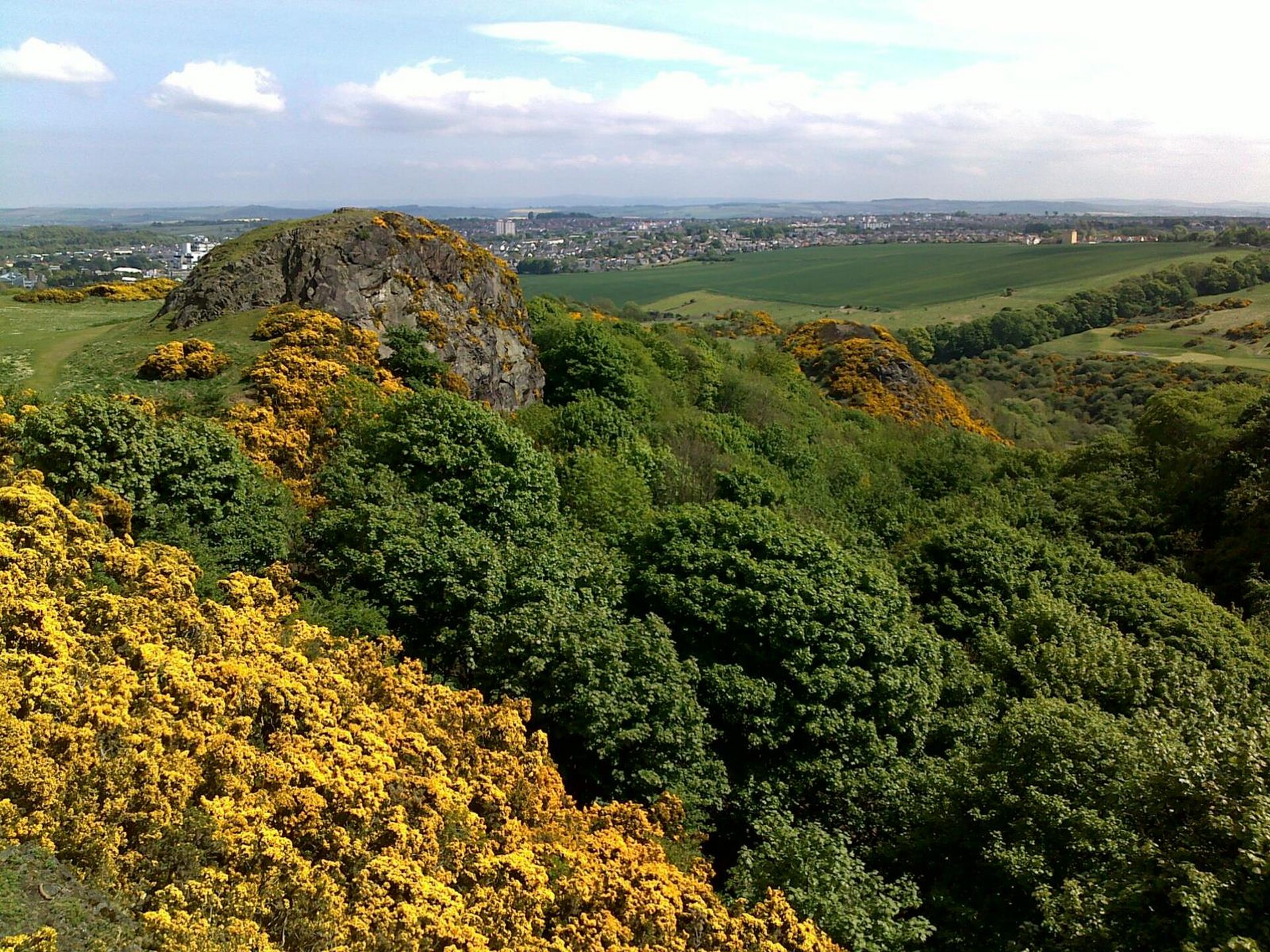
Blackford Hill provides elevated views across Edinburgh, with the observatory domes and hilltop landscape forming the main visual focus.
Royal Observatory Edinburgh is a working astronomical research institution, not a conventional museum.
Wear weather-resistant clothing and shoes suitable for an uphill walk because Blackford Hill is exposed to Edinburgh wind and rain.
Loading the interactive map…
The interactive map could not be loaded.
Last updated:
Source: OpenStreetMap contributors, Wikidata ·