


2 min walk
Museum of Childhood
- Must see
- Museum
Language · 11 published
Museum · Edinburgh
Reviewed by Elena Voss · Roavina Travel Editor
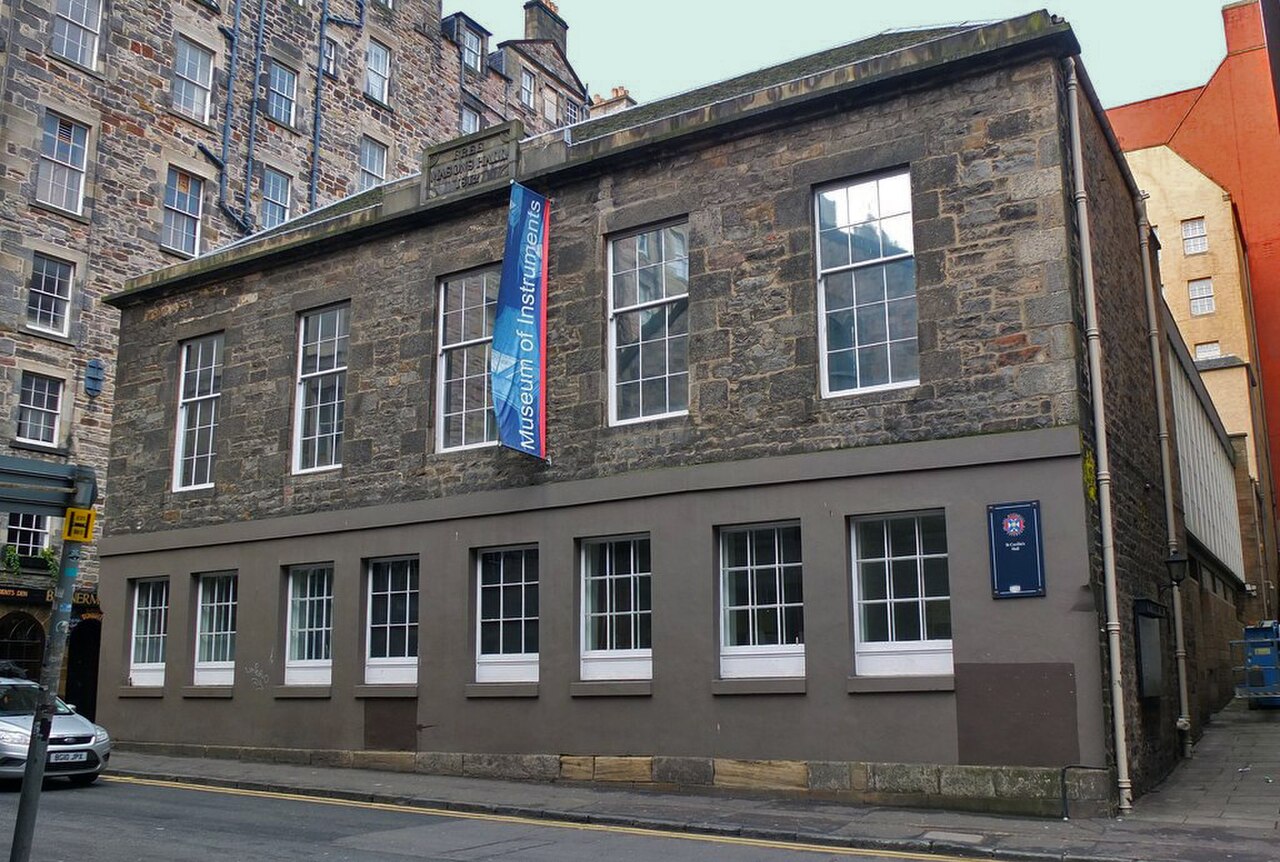
This place is a Museum. It was established in 1763. It was designed by Robert Mylne. It carries the category A listed building heritage designation.
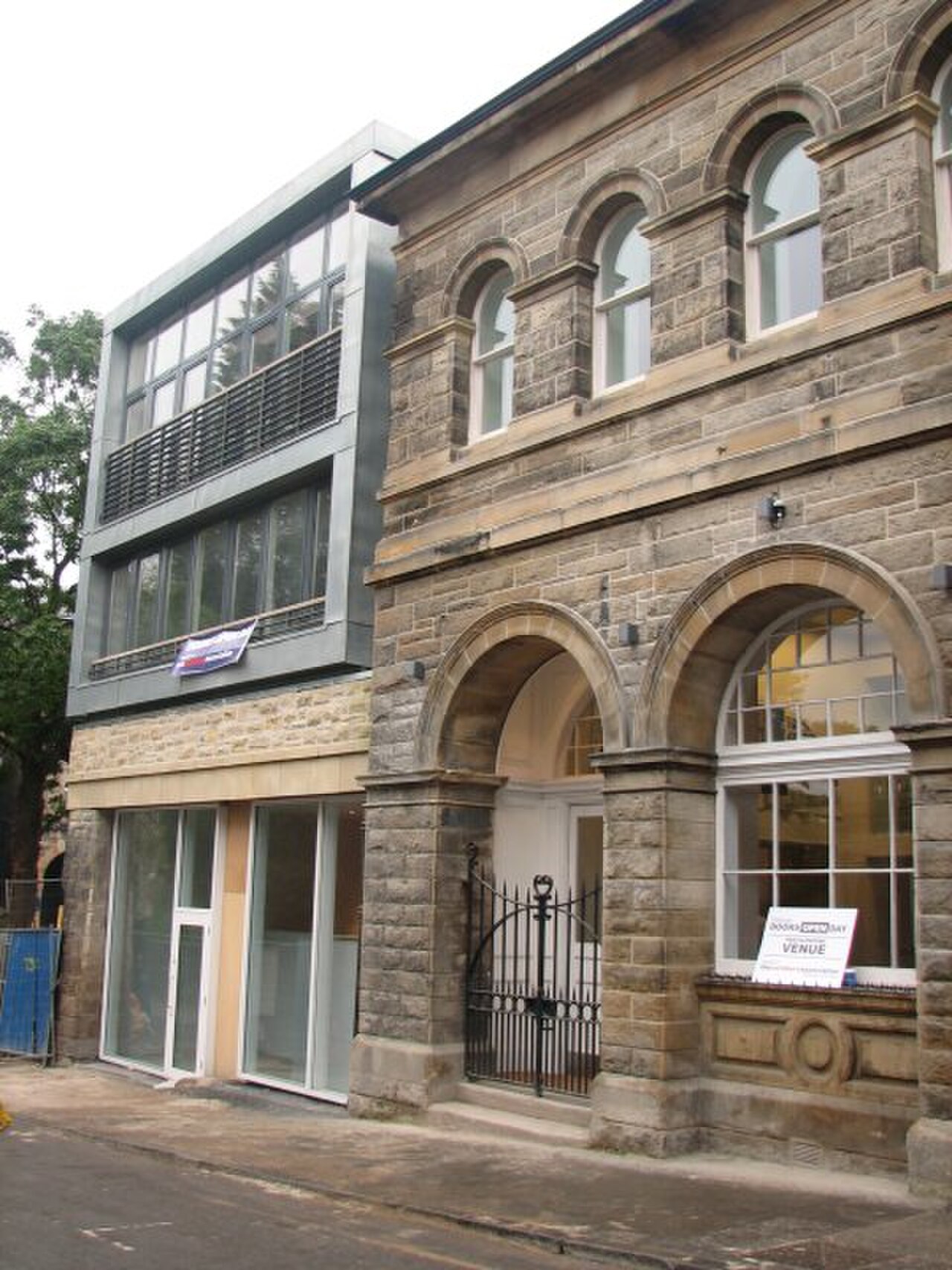
St Cecilia's Hall is an eighteenth-century concert hall and music museum in Edinburgh. It is recognised as Scotland's oldest purpose-built concert hall and remains connected with the University of Edinburgh. The building combines architectural heritage with live music and collections of historic instruments, making it a rewarding stop for visitors who enjoy musical history, period interiors, and Edinburgh's university quarter. Its character comes from this unusual combination: it is neither only a museum nor only a performance venue, but a place where both traditions continue together. St Cecilia's Hall is a historic concert hall and music museum in Edinburgh, Scotland. It holds distinction as Scotland's oldest purpose-built concert hall, constructed in the eighteenth century. The building is associated with the University of Edinburgh and serves as a venue for musical performances and as a home to significant collections of historical musical instruments. Visitors must verify current access arrangements directly with the University of Edinburgh.
Checked 2026-08-26 · Source
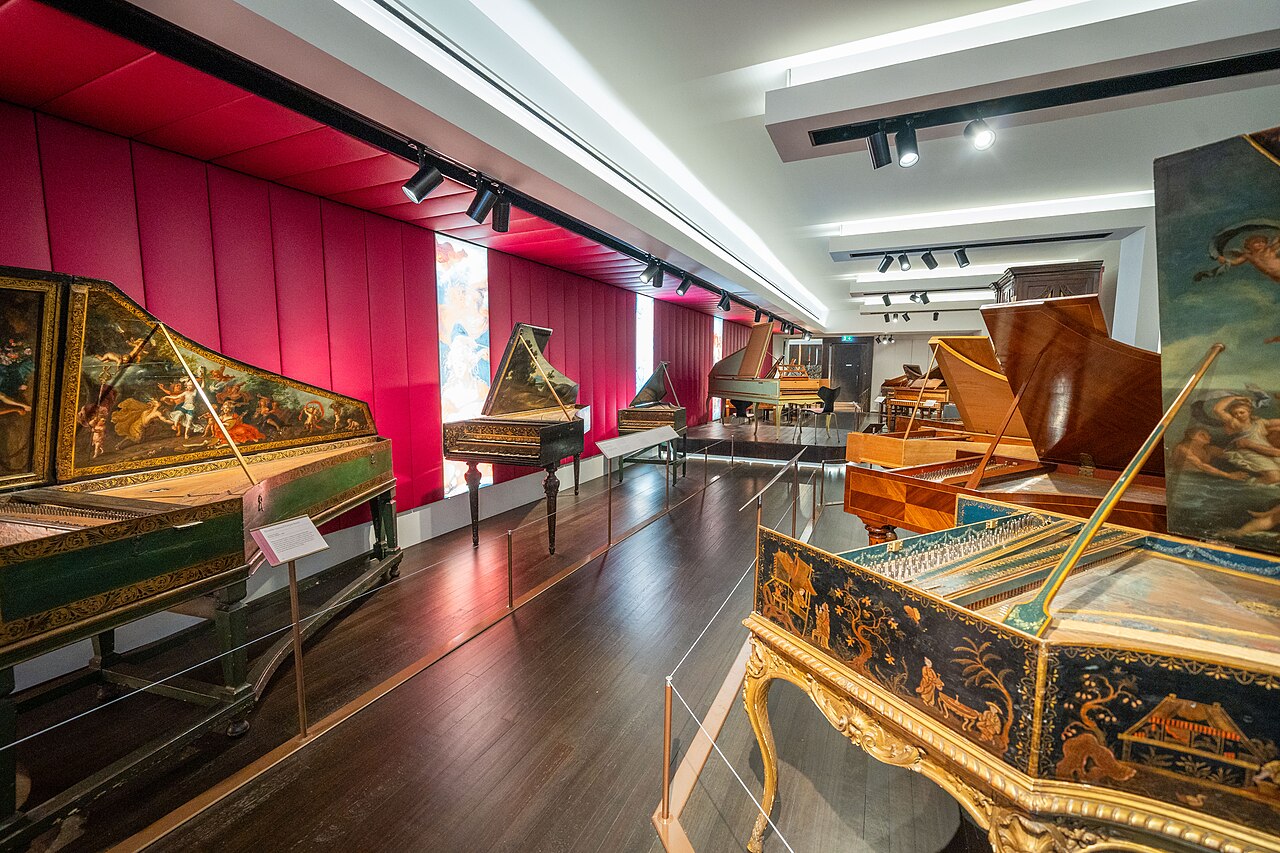
Inside, visitors find a concert space alongside the Raymond Russell Collection of Early Keyboard Instruments and the Anne Macaulay Collection of Plucked String Instruments. The collections give the visit a strong focus on the development and design of musical instruments, while the hall itself preserves the atmosphere of an eighteenth-century performance setting. The building still functions as an active venue, so the experience may centre on close viewing of historic instruments, the room's architecture, or the sound and atmosphere of a concert.
Checked 2026-08-26 · Source
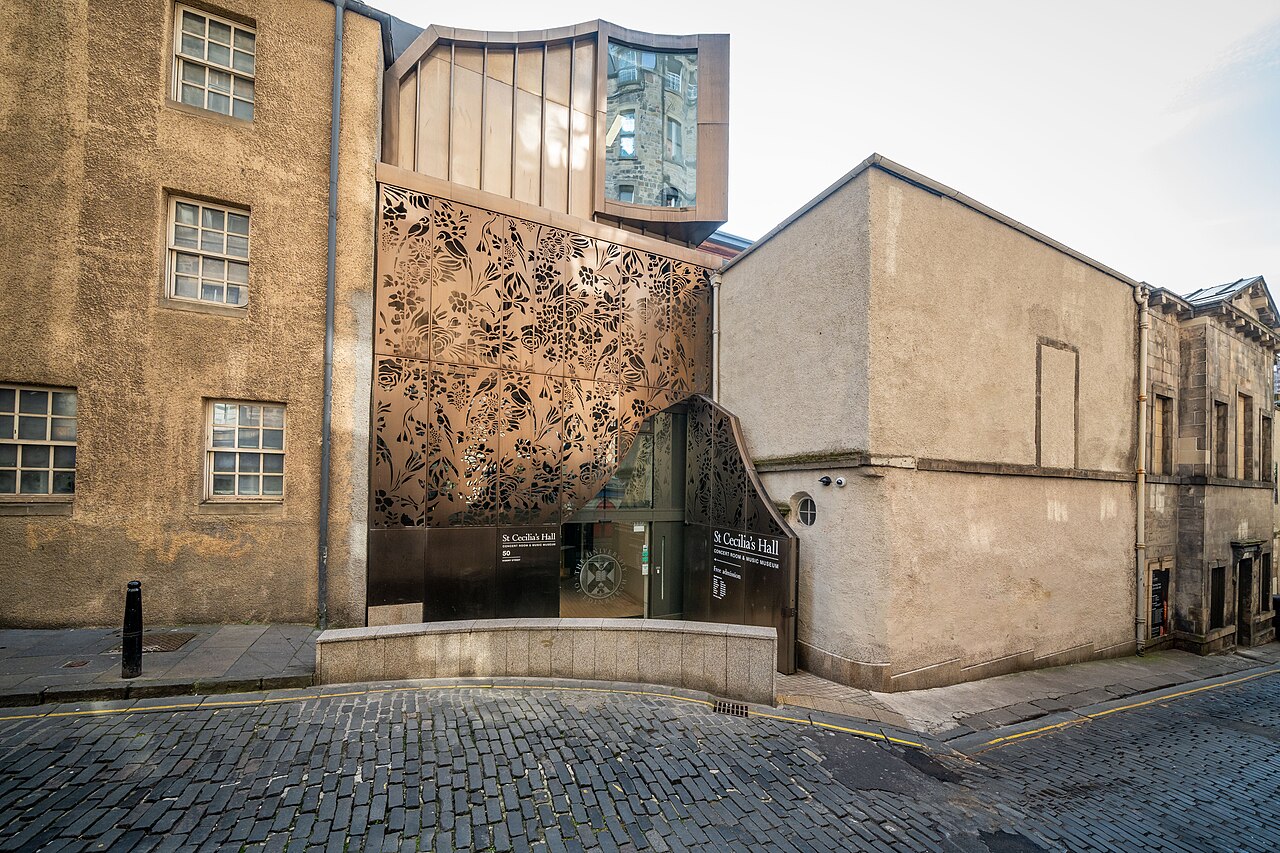
Allow enough time to explore the instrument collections and appreciate the concert-room setting without rushing. A short museum-focused visit can work as part of a walking day in central Edinburgh, while visitors who study the keyboard and plucked-string instruments closely may want considerably longer. A scheduled concert creates a separate time commitment based on its programme. Combining both experiences makes St Cecilia's Hall a substantial cultural stop, especially for travellers already exploring the Old Town and nearby university buildings.
Checked 2026-08-26 · Source

St Cecilia's Hall works best when its museum and concert roles fit naturally into your Edinburgh plans. A daytime visit suits travellers interested in the collections and historic interior, while an evening performance offers a different way to experience the building. The programme follows the activity of the University of Edinburgh and the concert calendar, so the atmosphere can vary between a quiet collection visit and a busy performance. Its central setting also makes it practical during a day centred on the Old Town.
Checked 2026-08-26 · Source
The visit has two distinct forms: access connected with the instrument collections and attendance at a concert. Concert attendance uses performance tickets, while the collections form the museum side of the venue. Treat the ticket arrangement as part of the specific activity you choose rather than expecting one universal admission format. The University of Edinburgh association is central to the hall's operation, and the contrast between a collection visit and a live performance helps you decide how this stop fits your day.
Checked 2026-08-26 · Source
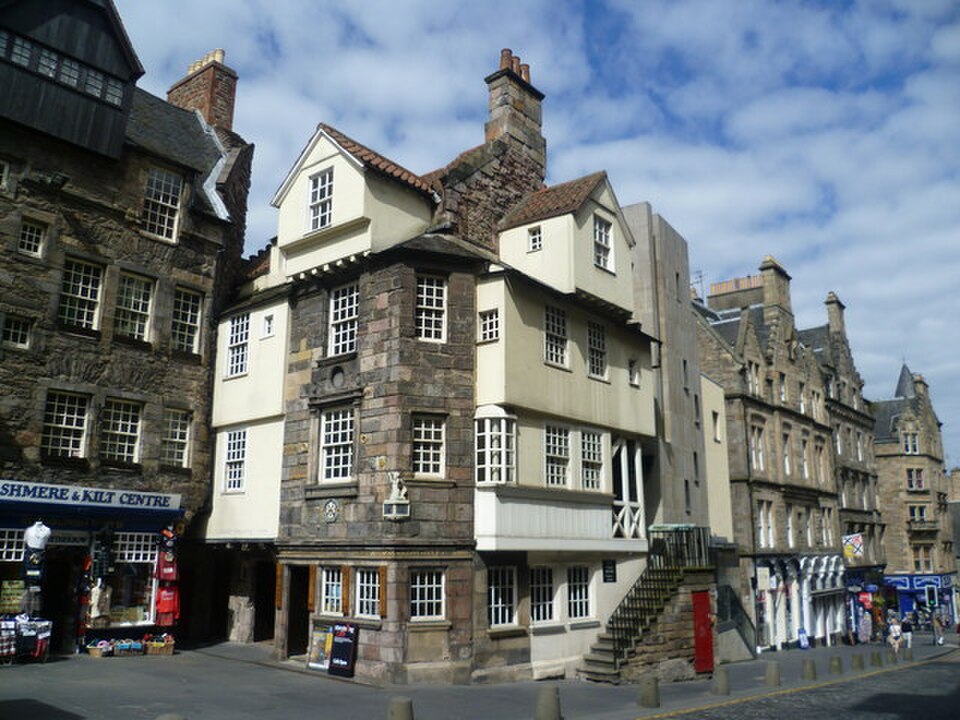
St Cecilia's Hall is in central Edinburgh, within the walkable historic city area. It can be combined with a route through the Old Town and the university quarter, where the surrounding streets provide much of the context for the visit. Lothian Buses serve central Edinburgh, and Edinburgh Waverley railway station provides a useful arrival point for visitors travelling by rail. From the central transport area, plan a city-centre walk through Edinburgh's dense historic streets to reach the hall.
Checked 2026-08-26 · Source
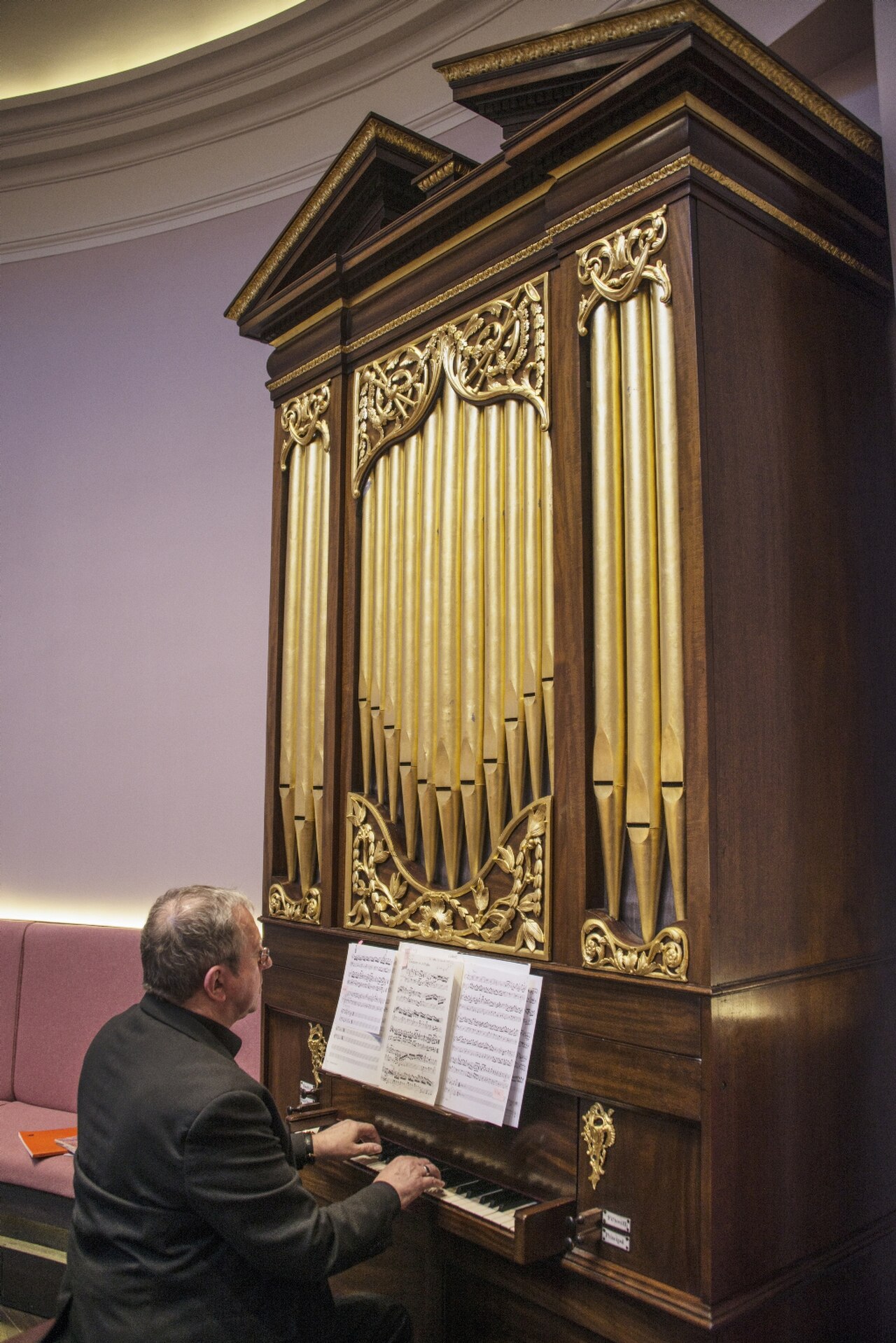
Remember that St Cecilia's Hall is both a museum and a working concert venue. The visitor experience can therefore change according to whether a performance is taking place and which areas are in use. Historic interiors and musical instruments deserve careful treatment, particularly around displays. Concertgoers should give themselves time to settle before the music begins, while museum visitors should be prepared for a more focused, specialist collection than a broad general-history museum. The building's age also adds architectural interest to the visit.
Checked 2026-08-26 · Source
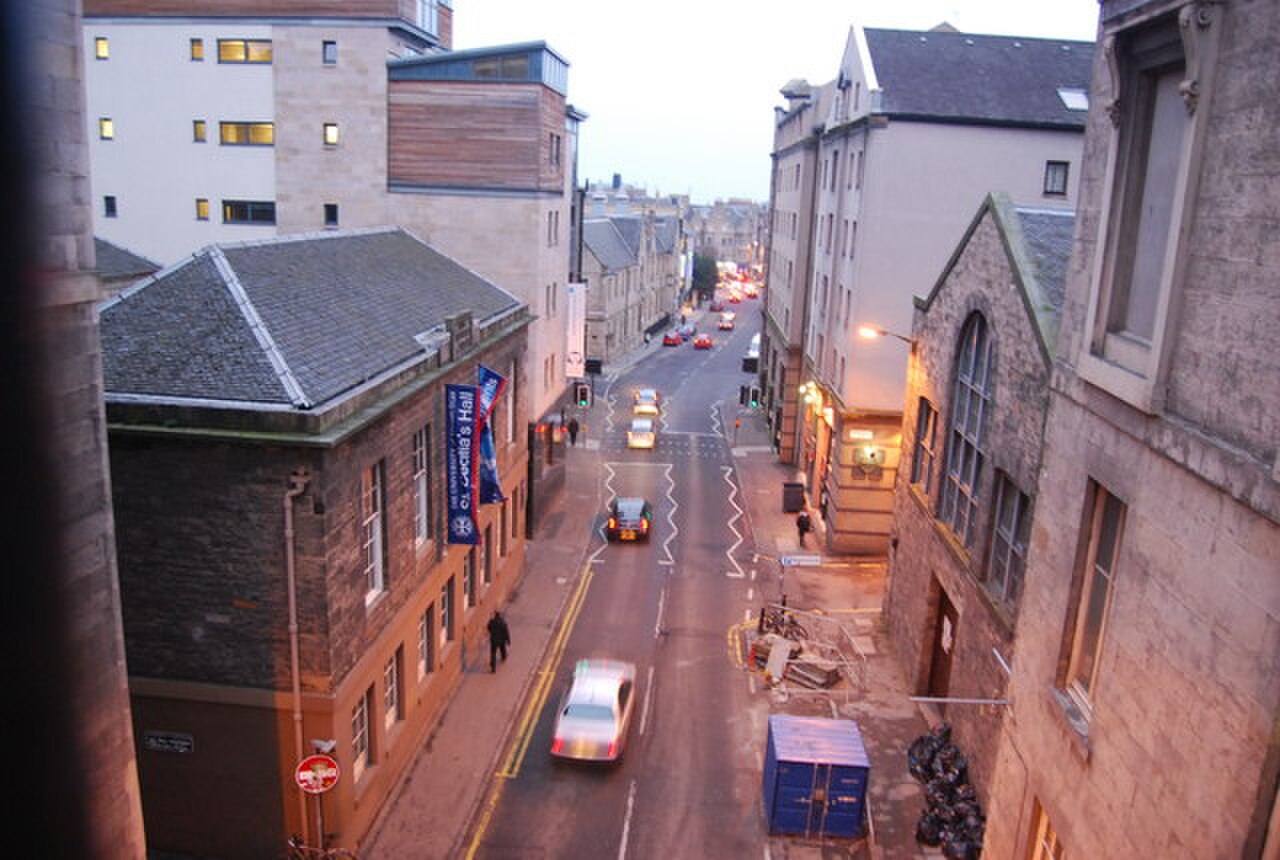
Photography is most valuable here when it records the relationship between the concert hall, its historic interior, and the musical instruments on display. Keep the visual focus on the building's period character and the craftsmanship of the collections. During a performance, the audience and musicians need an undisturbed setting, so photography should not become part of the concert experience. In the museum areas, follow the instructions attached to individual displays and preserve the calm atmosphere that suits close looking.
Checked 2026-08-26 · Source
It is Scotland's oldest purpose-built concert hall and combines live music with collections of historic musical instruments.
The hall houses the Raymond Russell Collection of Early Keyboard Instruments and the Anne Macaulay Collection of Plucked String Instruments.
Yes. The hall continues to serve as an active concert venue as well as a home for historic instrument collections.
It is located in central Edinburgh, within the historic city area and close to the university quarter and Old Town walking routes.
St Cecilia's Hall was constructed in the eighteenth century and is recognised as Scotland's oldest purpose-built concert hall.
It offers a distinctive Edinburgh experience by bringing together a historic concert setting, live performance, and specialist collections of early instruments.
Loading the interactive map…
The interactive map could not be loaded.
Last updated:
Source: OpenStreetMap contributors, Wikidata ·