
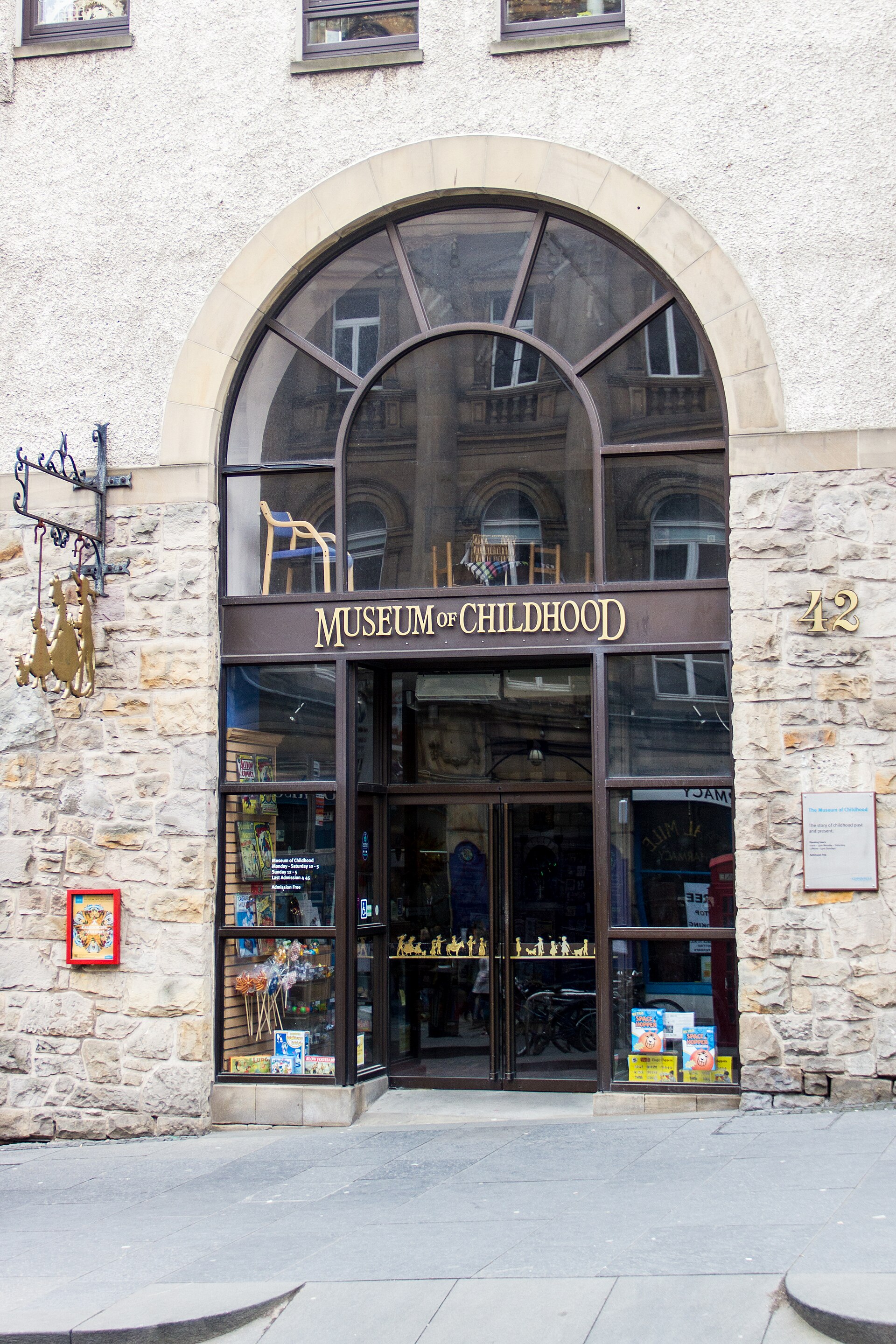
1 min walk
Museum of Childhood
- Must see
- Museum
Language · 11 published
Historic monument · Edinburgh
Reviewed by Elena Voss · Roavina Travel Editor
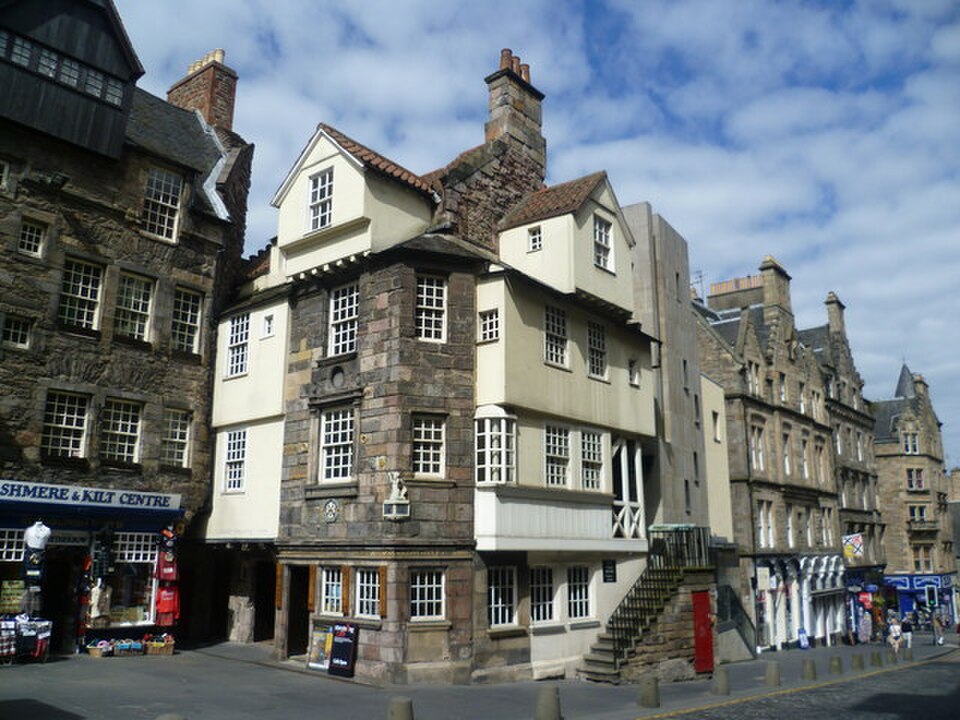
This place is a Attraction. It was established in 1490. It carries the category A listed building heritage designation.
John Knox House stands on the High Street section of Edinburgh’s Royal Mile. The sixteenth-century building is one of the oldest surviving original structures on the High Street, with projecting timber galleries and a historic connection to the Scottish Protestant Reformation. Its traditional association is with John Knox, although the more firmly connected figure is James Mossman, a goldsmith and royalist. The house dates from the sixteenth century and stands as one of the oldest surviving original buildings on the High Street. It features distinctive projecting timber galleries and painted ceilings that reflect its wealthy merchant origins. The structure now operates as a heritage attraction presenting stories of Knox and other Reformations figures. Historical evidence suggests John Knox probably did not reside in this building despite the traditional association. The house is more reliably connected to James Mossman, a goldsmith and royalist.
Checked 2026-08-26 · Source
The visit moves through compact period rooms with reconstructed furnishings and surviving decorative details, including painted ceilings. Displays explore John Knox, James Mossman and the religious changes of sixteenth-century Scotland. Timber framing and external galleries reveal the building’s construction, while interpretation also connects the site with printing and publishing history. Audio-visual elements add context to the objects and rooms, making the house a focused introduction to Reformation-era Edinburgh. The interior contains period rooms with reconstructed furnishings and decorative features including painted ceilings from the original construction. Exhibitions explore the lives of John Knox and his predecessor James Mossman, a goldsmith and royalist. Display panels and artefacts examine Scotland's religious Reformation period. Visitors can examine architectural details including the timber framing and external galleries. The house contains interpretation about printing and publishing history connected to the site. Audio visual elements supplement the physical displays throughout the rooms. A flexible visit lets travellers connect John Knox House with the rest of the day without treating one room, viewpoint or photograph as the whole experience.
Checked 2026-08-26 · Source
A visit usually takes around forty-five minutes to one hour. The compact building follows a set route, so the experience works well as part of a Royal Mile walk rather than as a separate half-day outing. Allow longer if you want to read the interpretation closely or have a particular interest in the Scottish Reformation, historic houses, printing, goldsmithing or the surviving architectural details.
Checked 2026-08-26 · Source
The house is an indoor stop, so rain does not prevent the visit itself. The Royal Mile is busiest during summer and Edinburgh’s August festival season, when pedestrian traffic and tour groups fill the surrounding street. Morning offers a calmer setting than the afternoon. Winter can feel quieter, though the days are shorter. Pairing the house with nearby Royal Mile landmarks creates an efficient route through the Old Town.
Checked 2026-08-26 · Source
John Knox House is a heritage attraction on the Royal Mile, and its visit can be combined with other historic sites in Edinburgh’s Old Town. The compact interior makes the attraction suitable for a short cultural stop between longer walks. Build the visit into your day as an enclosed, time-bounded activity, leaving room for the surrounding Royal Mile because the street itself is part of the experience and can slow movement during busy periods.
Checked 2026-08-26 · Source
The house is on the Royal Mile’s High Street, roughly between Edinburgh Castle and the Palace of Holyroodhouse. Waverley railway station is about a ten-minute walk away. Buses serving North Bridge and South Bridge provide walking connections, while tram passengers can continue on foot from St Andrew Square. The Royal Mile is pedestrian-priority and cobbled in sections, with limited vehicle access and no dedicated parking at the property.
Checked 2026-08-26 · Source
Original timber floors, staircases, narrow passages and low historic proportions shape the visit. The route offers limited alternatives for anyone who cannot manage stairs. Busy periods bring congestion inside and outside, while the Royal Mile can be crowded with pedestrians, performers and tour groups. The building’s subdued lighting protects historic materials and may make small details harder to see. Wear footwear suited to the street’s cobbles and changing gradients.
Checked 2026-08-26 · Source
The timber galleries, painted ceilings and Royal Mile frontage provide the strongest subjects. Exterior photographs can include the house within the busy historic streetscape, although pedestrians make clear compositions difficult at peak times. Interior photography should follow the signs and staff directions, particularly around painted surfaces and textiles. Avoid flash and bulky equipment where restrictions apply. A short exterior pause before entering helps you notice the projecting structure and the building’s relationship with the High Street.
Checked 2026-08-26 · Source
The traditional association links the house with John Knox, but the building is more reliably connected with James Mossman, a goldsmith and royalist.
The house dates from the sixteenth century and is one of the oldest surviving original buildings on Edinburgh’s High Street.
Look for the projecting timber galleries, timber framing, painted ceilings and the compact period rooms along the visitor route.
It stands on the High Street section of Edinburgh’s Royal Mile, approximately midway between Edinburgh Castle and the Palace of Holyroodhouse.
Its displays cover John Knox, James Mossman and the religious transformation of sixteenth-century Scotland, with additional links to printing and publishing.
Plan for about forty-five minutes to one hour, with extra time if you want to read the historical interpretation in detail.
Loading the interactive map…
The interactive map could not be loaded.
Last updated:
Source: OpenStreetMap contributors, Wikidata ·