Kensington Gardens is one of the Royal Parks of London, situated immediately to the west of Hyde Park. The gardens were originally the private grounds of Kensington Palace, and were opened to the public in the nineteenth century. The park covers a substantial area of West London and forms part of a continuous green space that extends through Hyde Park to Green Park and St James's Park. The gardens are Grade I listed on the Register of Historic Parks and Gardens, recognising their significant historical and landscape importance.
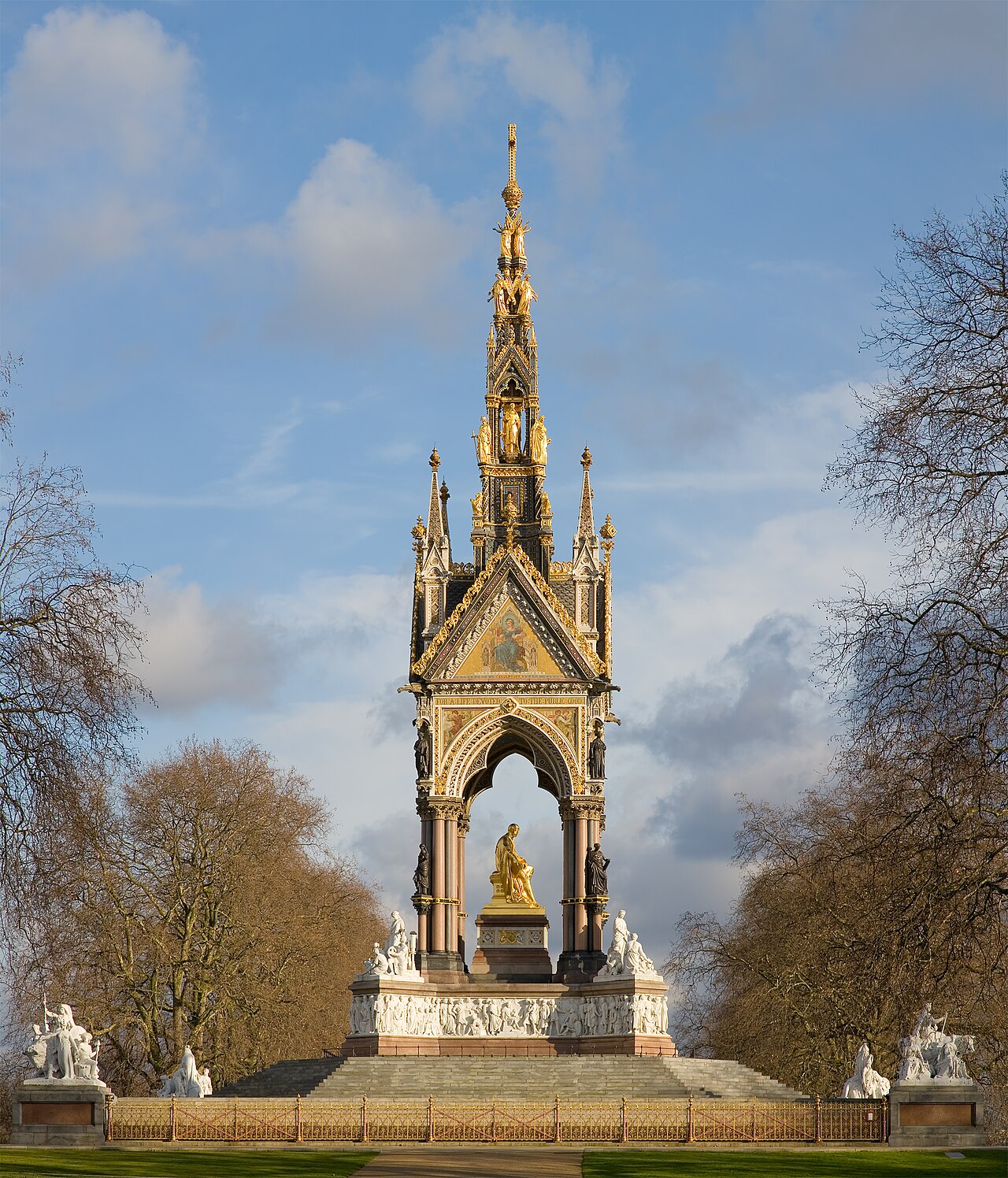
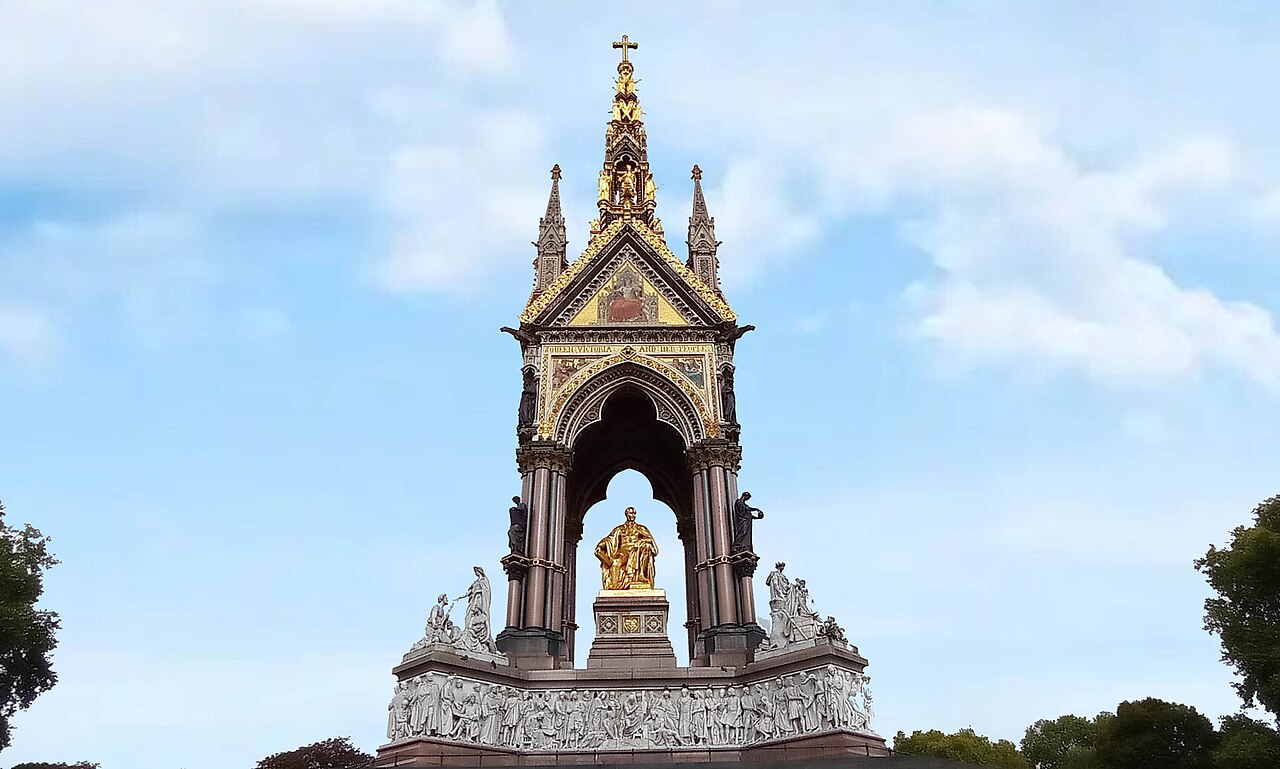
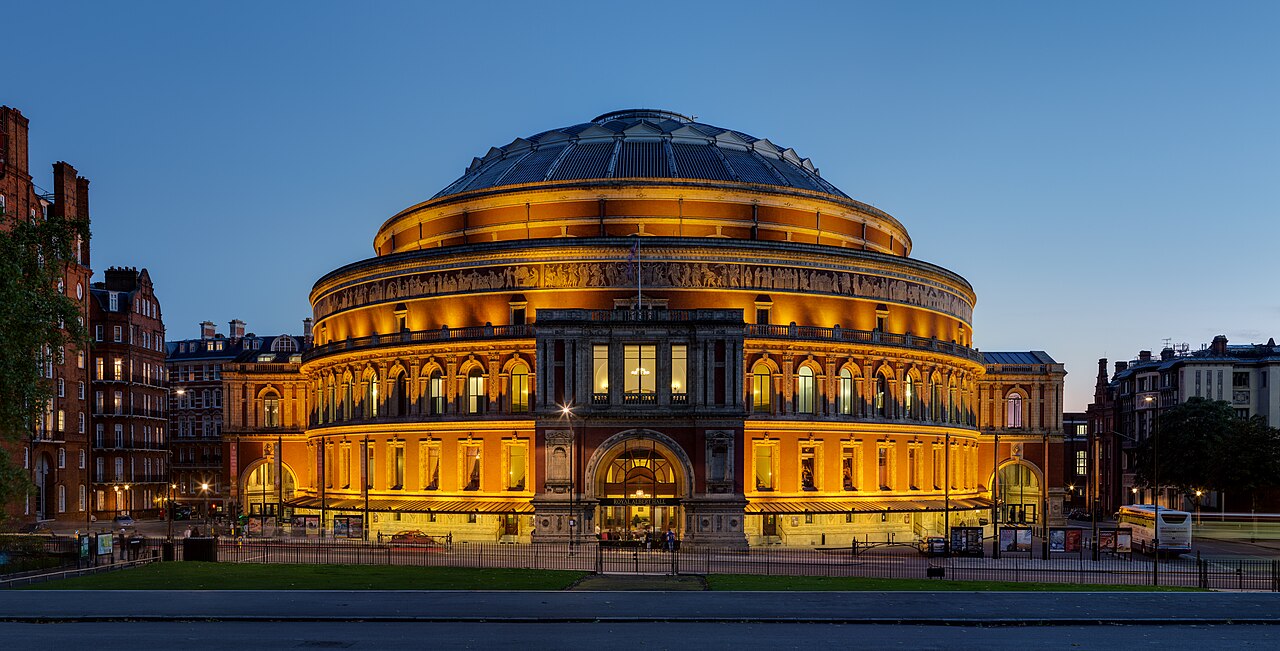
The gardens contain several notable features and memorials. The Albert Memorial, commissioned by Queen Victoria in memory of her husband, stands at the southern edge near the Royal Albert Hall. The Serpentine Gallery occupies a former tea pavilion. The Diana, Princess of Wales Memorial Playground attracts families with its Peter Pan theme. The Round Pond remains a popular focal point. Statues including the Physical Energy sculpture and the Peter Pan statue by George Frampton are located within the grounds. Kensington Palace itself sits at the western edge of the gardens.
Visitors typically spend between one and three hours exploring Kensington Gardens, depending on their interests. A leisurely walk across the gardens from Kensington Palace to the Albert Memorial takes approximately thirty to forty minutes without extended stops. Those wishing to visit the Serpentine Gallery, enjoy the Diana Memorial Playground, or photograph the various monuments should allow additional time. Picnicking on the lawns or resting by the Round Pond extends visits considerably. The gardens connect directly to Hyde Park, and many visitors combine both spaces for a half-day or full-day outdoor experience in central London.
Kensington Gardens is open to the public throughout the year. The gardens experience different atmospheric qualities across seasons, from spring blossoms to autumn foliage. Summer months bring larger crowds and fuller programme of informal recreation. Winter visits offer quieter paths and stark architectural views. Visitors should consult official Royal Parks communications for current opening and closing times before planning their visit, as these may vary seasonally or be affected by special events, maintenance works, or exceptional circumstances that could restrict access to certain areas. Check the operator's own site for the travel date before relying on a schedule or fare.
Entry to Kensington Gardens themselves is free of charge and no ticket is required for general access to the parkland. Kensington Palace, located within the gardens, operates as a separate visitor attraction with its own admission requirements. The Serpentine Gallery offers free entry to its exhibitions. The Diana, Princess of Wales Memorial Playground is free to enter though capacity may be managed during busy periods. Visitors should verify current arrangements through official channels before visiting, particularly for Kensington Palace which requires separate planning. Check the operator's own site for the travel date before relying on a schedule or fare.
Kensington Gardens is accessible through multiple transport options across London. The surrounding area is served by several Underground stations including Queensway, Lancaster Gate, High Street Kensington, Gloucester Road, and South Kensington, each requiring a walk of varying length to reach different entrances. Numerous bus routes pass along the perimeter roads including Bayswater Road, Kensington Road, and Kensington Gore. The gardens are also reachable on foot or by bicycle from surrounding neighbourhoods. Visitors should consult current Transport for London information for specific route planning, as services and schedules are subject to change.
Visitors should remain aware that Kensington Gardens is an active public space shared with cyclists, runners, and dog walkers. The Round Pond and other water features present standard drowning risks, particularly for unsupervised children. Weather conditions can affect path conditions and shelter availability is limited. Some areas may become crowded during peak periods or special events. The Diana Memorial Playground has specific entry protocols. Wildlife including birds and squirrels are present; feeding practices should follow responsible guidance. Personal belongings require standard urban vigilance. Any temporary closures or restricted areas should be observed as directed by park staff or signage.
Kensington Gardens offers extensive photographic opportunities across its landscapes, monuments, and architectural features. The Albert Memorial presents elaborate Victorian sculptural detail. The Long Water and Round Pond provide reflective compositions. Tree-lined avenues create structured perspectives. Kensington Palace facades are photographable from the gardens. The Physical Energy statue and Peter Pan statue attract photographic attention. Lighting conditions vary significantly by time of day and season, with early morning and late afternoon generally offering favourable natural illumination. Visitors should exercise standard consideration for other park users when positioning for photographs, and respect any temporary restrictions that may apply to specific areas or during events.
Is Kensington Gardens the same as Hyde Park for Kensington Gardens in London?
No. Kensington Gardens and Hyde Park are adjacent but separate Royal Parks with a defined boundary. They were historically united but are now distinct spaces with different origins and characters.
Do I need to book to visit Kensington Gardens for Kensington Gardens in London?
No booking is required for general access to Kensington Gardens. Kensington Palace within the gardens operates separately and may require advance booking.
Are bicycles allowed in Kensington Gardens for Kensington Gardens in London?
Cycling is permitted on designated paths. Visitors should observe signage and shared path etiquette with pedestrians.
Can I bring food and drink into Kensington Gardens for Kensington Gardens in London?
Yes. Picnicking is permitted. Visitors are expected to dispose of waste responsibly using provided bins or taking it away.
Is the Diana Memorial Playground suitable for all ages for Kensington Gardens in London?
The playground is designed primarily for children under twelve. Entry may be restricted when capacity is reached.
Are toilets available in Kensington Gardens for Kensington Gardens in London?
Public toilet facilities exist within the gardens. Locations and operational status should be verified through official Royal Parks information.