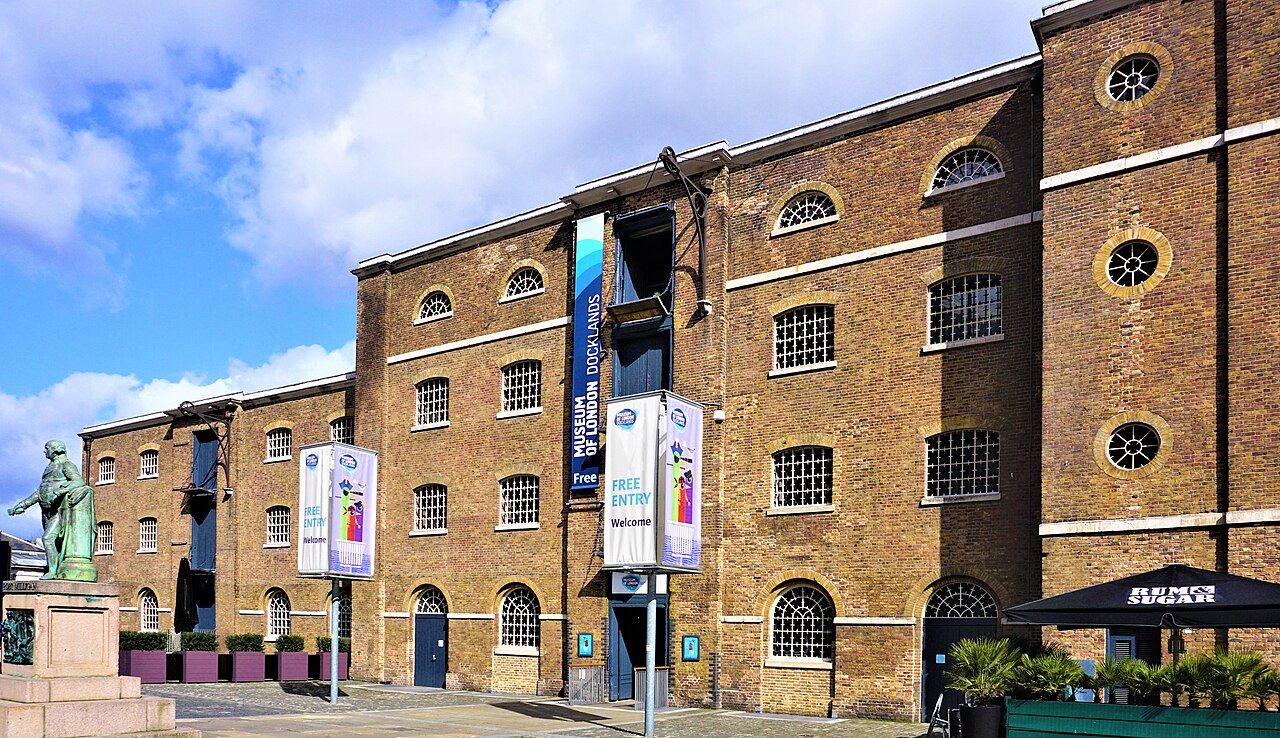
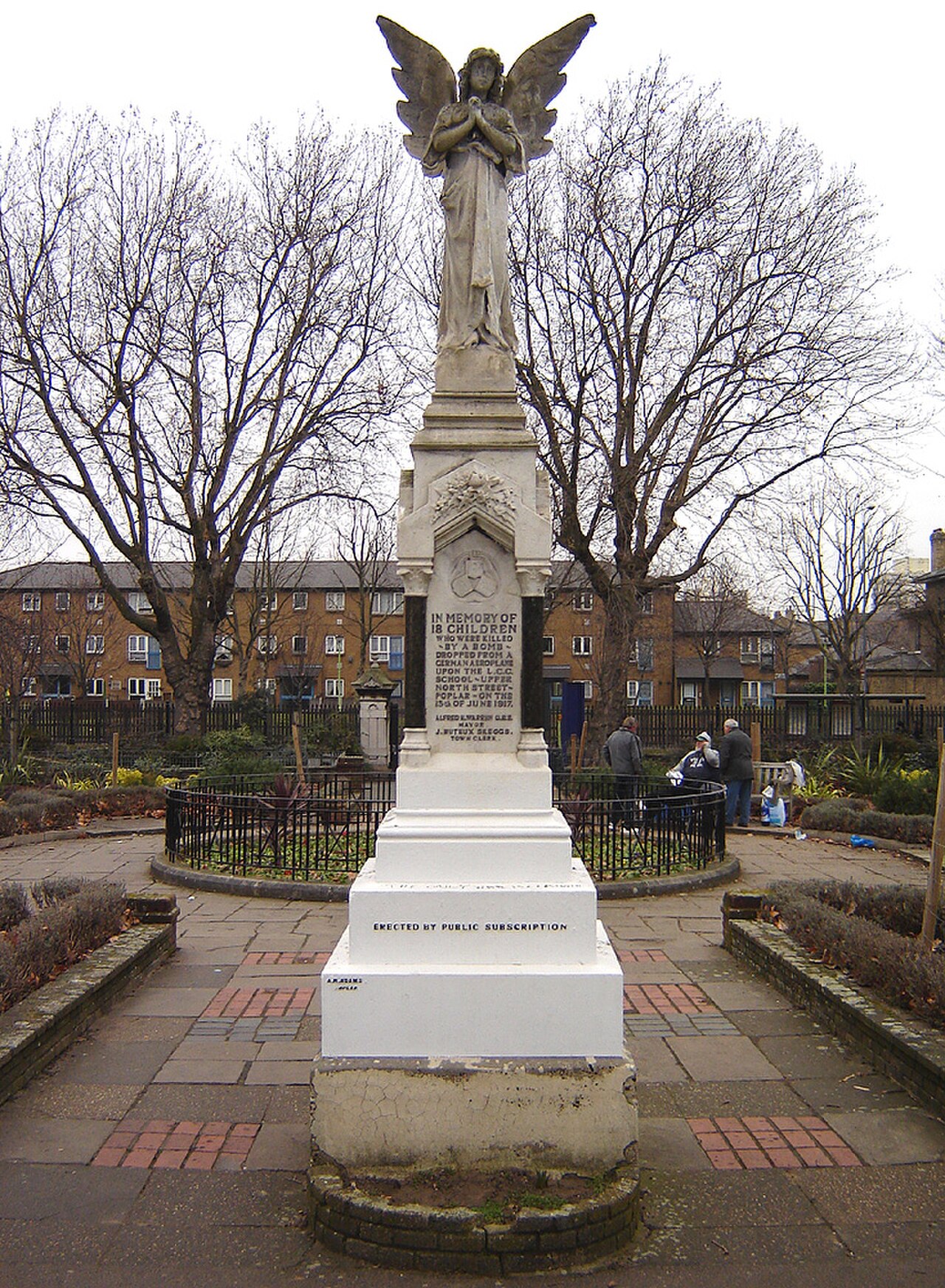
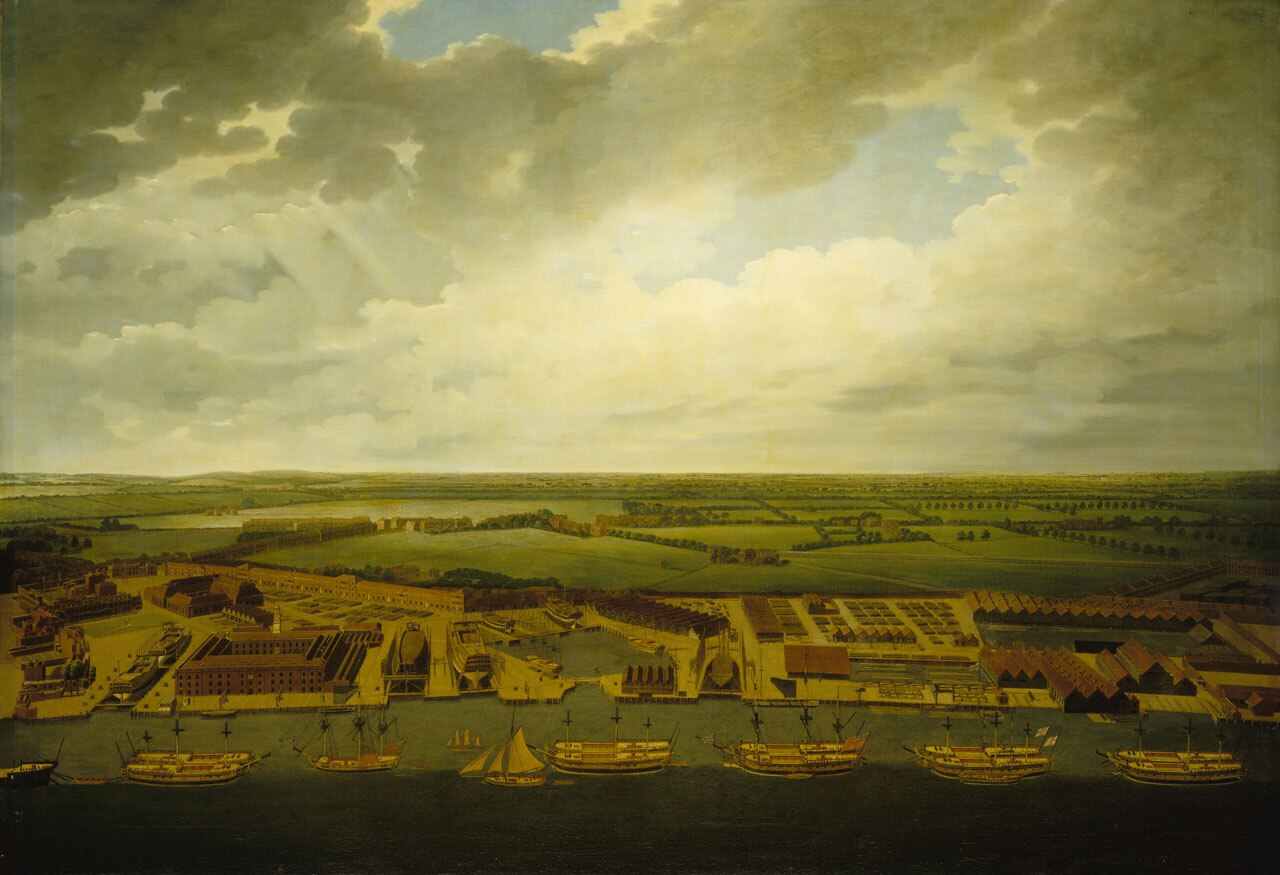
London Museum Docklands is a museum located in the Docklands area of East London. It occupies a former warehouse building at West India Quay, a heritage site that reflects the area's maritime and commercial history. The museum explores the history of London's river, port, and people, with particular emphasis on the Docklands region. It is part of the wider London Museum network, which was formerly known as the Museum of London. The institution serves as a cultural and educational resource for visitors interested in London's development as a global port city.
The museum's galleries cover themes including trade, immigration, and the growth of the Docklands area. Exhibits address the history of the Thames and its role in London's expansion. The museum contains displays on the sugar trade and its connections to transatlantic slavery, acknowledging this difficult history. There are also presentations on the docks' wartime experience and the area's transformation through post-war decline and subsequent regeneration. The building itself, a Georgian warehouse, contributes to the historical atmosphere. The museum holds collections of objects, documents, and images related to port life and labour.
Visitors typically allocate between one and a half to two and a half hours for a visit to London Museum Docklands. Those with strong interest in maritime history, social history, or the specific story of London's port may wish to stay longer. The museum's layout across multiple floors of the warehouse building allows for a self-directed pace. Families with children might complete a general visit more quickly, while researchers or enthusiasts examining displays in detail could extend their stay significantly. The duration depends on individual engagement with the galleries and any temporary exhibitions that may be on display.
Visitors should consult the museum's official website or contact the institution directly before planning a visit. The museum's location in the Docklands means it can be visited year-round, with the surrounding area offering additional attractions and dining options regardless of season. Weekends may see higher visitor numbers, particularly when cruise ships are docked nearby or when events are held at neighbouring West India Quay. Weekday mornings outside school holiday periods may offer a quieter experience for those preferring to avoid crowds. Check the operator's own site for the travel date before relying on a schedule or fare.
Visitors should verify current admission policies through official channels before visiting. The museum previously operated with free general admission as part of the Museum of London network, though special exhibitions may have carried separate charges. Donations are commonly encouraged at free-entry museums to support ongoing operations. Any changes to admission policy following the institution's rebranding as London Museum should be confirmed directly. Concession rates, family tickets, and membership options, if available, should be verified through official sources rather than assumed from historical practice. Check the operator's own site for the travel date before relying on a schedule or fare.
London Museum Docklands is situated at West India Quay, served by the Docklands Light Railway with stations at West India Quay and Canary Wharf nearby. The Elizabeth line and Jubilee line underground services reach Canary Wharf station, requiring a short walk to the museum. Several bus routes operate in the Docklands area. The museum's riverside location means it is also accessible by Thames river services, with piers at Canary Wharf. Walking and cycling paths connect the museum to other Docklands attractions. Visitors should check current transport schedules and any service disruptions before travelling.
The museum building is a historic warehouse with original features that may present accessibility challenges for some visitors. Floors are connected by stairs, though lift access should be verified with the institution. The Docklands area experiences significant pedestrian and vehicle traffic, particularly around Canary Wharf on weekdays. Visitors should remain aware of their surroundings near the water's edge. The museum's content includes frank discussion of historical exploitation and slavery, which may require parental discretion for younger children. Temporary closures of galleries for maintenance or installation changes may affect what is available to view on any given day.
Photography policies at London Museum Docklands should be confirmed on arrival or through advance enquiry, as restrictions may apply to certain galleries or temporary exhibitions. Flash photography is commonly prohibited in museums to protect light-sensitive objects. Tripods and selfie sticks may be restricted due to space constraints and visitor safety considerations. The warehouse architecture and waterside setting offer photographic opportunities outside the museum itself. Visitors wishing to photograph for commercial or publication purposes should seek prior permission from the institution. Respect for other visitors and any posted guidance should govern photography behaviour throughout the site.
Is London Museum Docklands the same as the Museum of London for London Museum Docklands in London?
London Museum Docklands was formerly part of the Museum of London network. The Museum of London and Museum of London Docklands have been rebranded as London Museum and London Museum Docklands respectively, though they remain connected institutions with related missions.
What is the main focus of London Museum Docklands for London Museum Docklands in London?
The museum focuses on the history of London's river, port, and people, with particular emphasis on the Docklands area, its maritime trade, immigration patterns, and social history.
Are there food and drink facilities at the museum for London Museum Docklands in London?
Not recorded pending review. Visitors should consult the museum's official website or contact the institution directly for current information about on-site catering options.
Is the museum suitable for children for London Museum Docklands in London?
The museum addresses some difficult historical subjects including transatlantic slavery. Parental discretion is advised for younger children, though the museum may offer family-oriented resources and activities.
Does the museum have wheelchair access for London Museum Docklands in London?
The historic warehouse building may present accessibility challenges. Visitors requiring step-free access or other accommodations should contact the museum directly to verify current facilities and arrangements.
Are guided tours available for London Museum Docklands in London?
Not recorded pending review. Visitors should check the museum's official website or contact the institution directly for information about guided tours, talks, or other programmed activities.