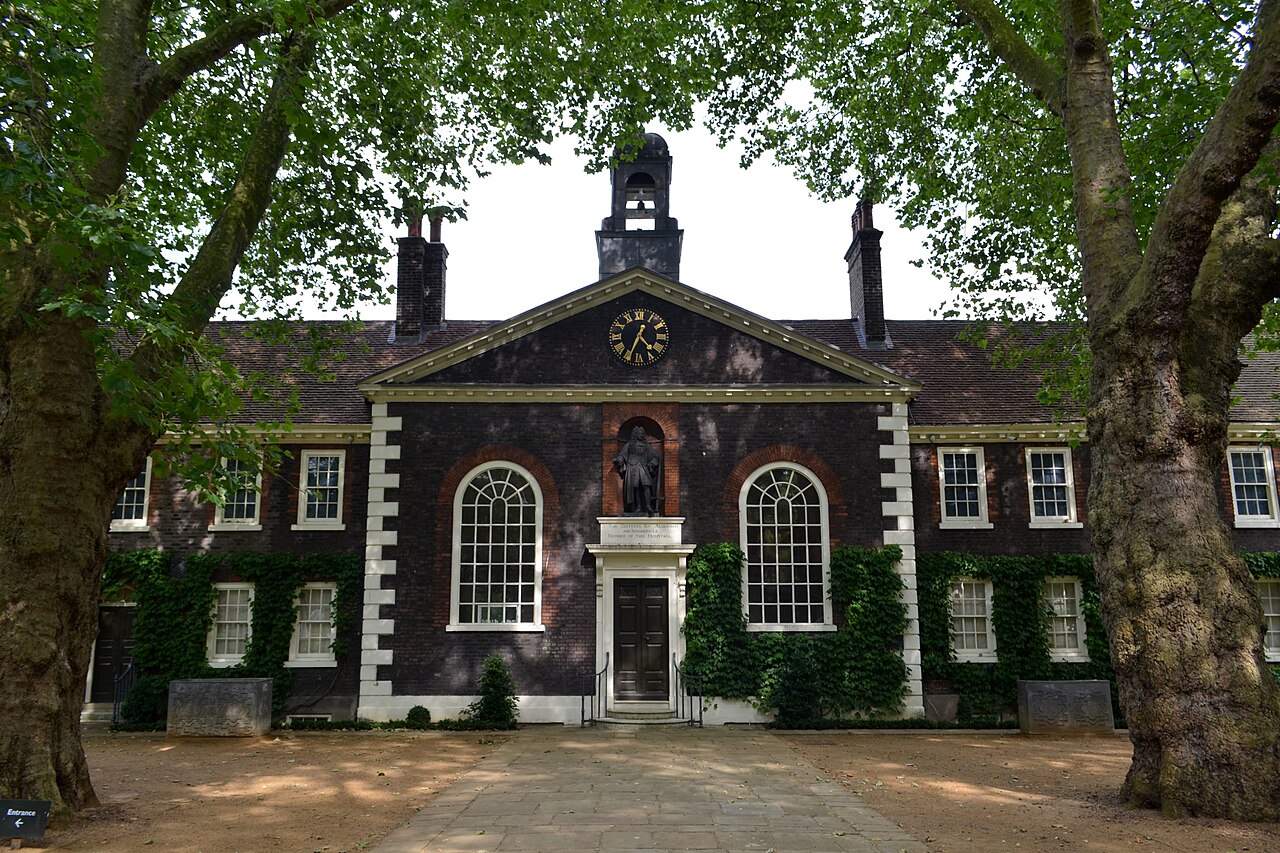
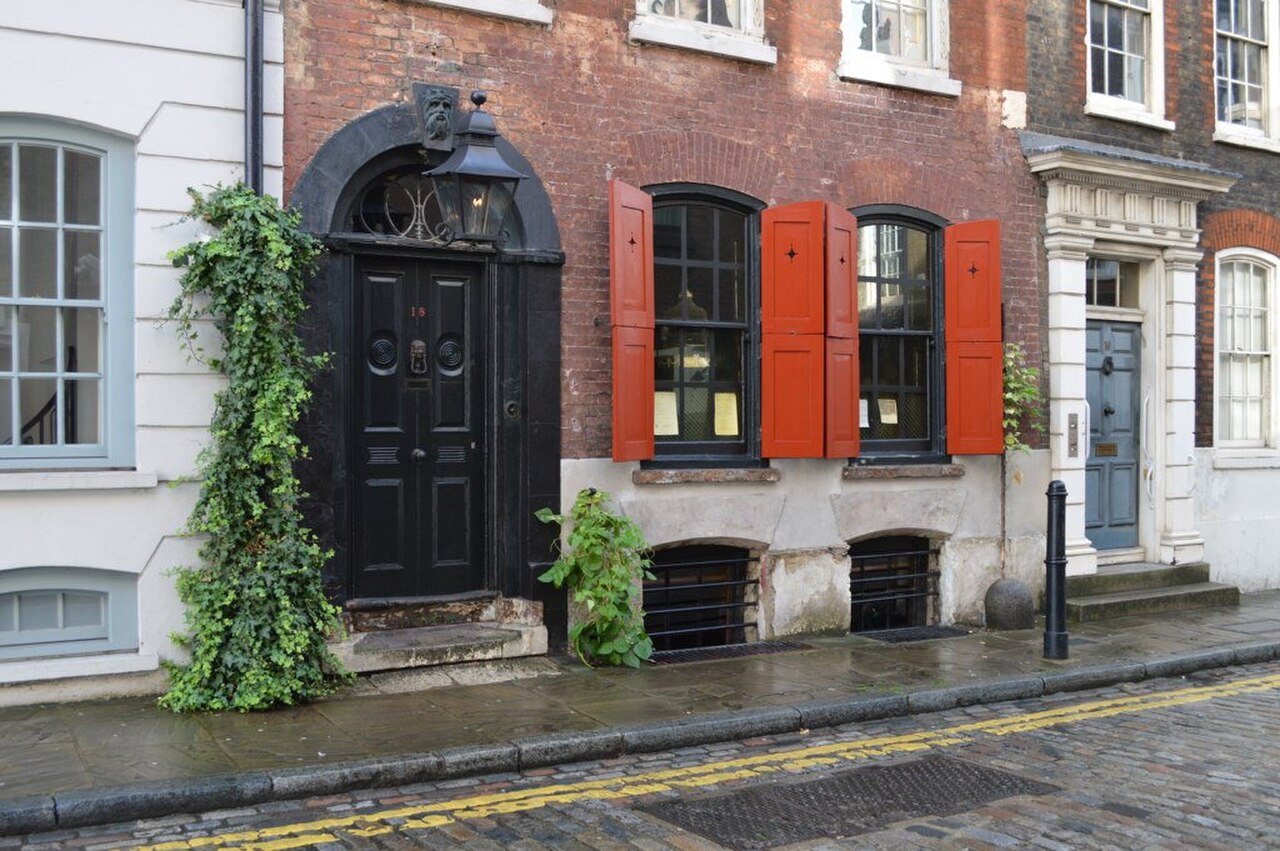
Museum of the Home explores domestic life and interiors in London from the seventeenth century to the present. The museum occupies restored almshouses associated with Sir Robert Geffrye and presents social history through rooms, furnishings, household objects, gardens, and changing ideas about family life. Its focus is everyday home-making rather than royal or aristocratic display. That makes the museum especially useful for understanding how furniture, decoration, work, migration, and changing household structures shaped ordinary lives. The historic buildings are part of the experience: visitors move through a site whose architecture adds another layer to the story of home.
The museum’s period rooms create a chronological sequence of domestic interiors across four centuries. Furniture, textiles, lighting, paintings, kitchen objects, and smaller household details show how rooms changed as technology, taste, work, and family structures changed. The restored almshouses form the historic core, while later spaces hold galleries, learning areas, and exhibitions. A herb garden adds an outdoor element and gives the visit a pause between interiors. Look beyond large pieces of furniture: utensils, fabrics, decorative choices, and the arrangement of rooms often reveal the most about the people and habits represented.
Allow roughly ninety minutes to two and a half hours for Museum of the Home. The shorter visit suits visitors who want to follow the period-room sequence and see the garden, while the longer option leaves room for close attention to objects, social-history themes, and temporary exhibitions. The route passes through several linked historic buildings, so the experience is more rewarding when you avoid rushing from one room to the next. Visitors interested in decorative arts, material culture, or domestic history may easily spend longer, especially when an exhibition adds another period or theme to the visit.
Museum of the Home suits a slower east London itinerary, particularly when you want an indoor museum combined with a garden and a historic building. Weekday mornings outside school-holiday periods can make the period rooms easier to appreciate, while busier periods may bring more visitors into the confined interiors. Fair weather improves the garden portion, but the main displays remain worthwhile in poor weather. The museum works well alongside a walk through Hoxton and the surrounding streets, where the contrast between historic almshouses and modern east London becomes part of the day’s character.
The central experience is the museum’s sequence of domestic interiors, supported by galleries, the almshouse buildings, and the herb garden. Visitors should think of the visit as a connected route rather than a single exhibition room. Temporary exhibitions can alter the balance of the day and may require separate arrangements from the permanent displays. The period rooms are most effective when viewed slowly, with attention to how objects relate to one another inside each room. The museum’s subject is familiar—home—but the changing interiors show how strongly class, technology, migration, labour, and taste influence what home means.
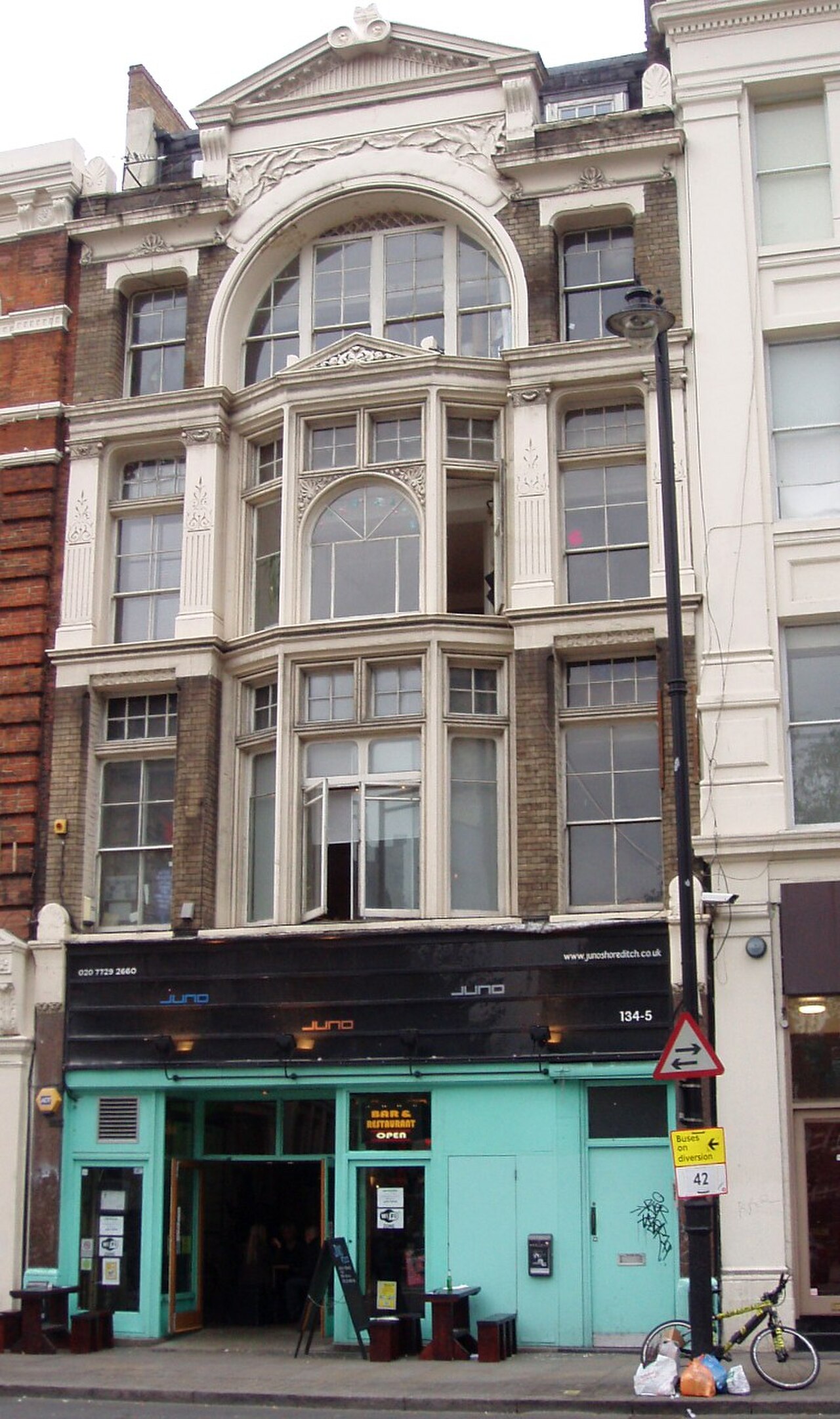
Museum of the Home is in Hoxton, in the London Borough of Hackney. Hoxton Overground station is the nearest named public-transport approach, and bus routes serve the surrounding area. The museum can also be reached on foot from Old Street or Liverpool Street, with a walk of roughly twenty to thirty minutes. The surrounding streets combine busy modern routes with the museum’s historic site, so the final approach feels more urban than the quiet period rooms suggest. Public transport and walking are practical choices for a visit that can easily be paired with other Hoxton or Shoreditch stops.
The restored almshouses retain historic features such as steps, narrow doorways, and uneven floors, and the route passes through several linked buildings. Period rooms can feel confined when visitor numbers rise, so allow space for others to look closely at the displays. The museum addresses difficult subjects connected with domestic labour, colonial histories, migration, and unequal household life. Families may want to discuss these themes before moving through the rooms. The site combines indoors and outdoors; comfortable clothing for walking through the garden makes the transition between galleries and open air easier.
Museum of the Home contains visually rich period rooms, from furniture and textiles to small domestic objects arranged in lived-in settings. Follow the signs in each gallery and room, especially where historic interiors or temporary exhibitions have separate rules. Flash and bulky equipment can be disruptive in confined spaces and may be restricted. The garden provides a different photographic subject, with planting and the almshouse architecture framing the outdoor part of the visit. Keep people and room entrances clear, and treat the displays as fragile historical environments rather than ordinary domestic interiors.
It explores domestic life and interiors from the seventeenth century to the present through period rooms, household objects, gardens, and social-history displays.
Where is Museum of the Home?
Museum of the Home is in Hoxton in the London Borough of Hackney, with Hoxton Overground station as the nearest named public-transport approach.
How long does a visit to Museum of the Home take?
A meaningful visit usually takes about ninety minutes to two and a half hours, depending on how closely you explore the period rooms, galleries, and garden.
What can I see at Museum of the Home?
You can see chronological period rooms, furniture, textiles, paintings, kitchen objects, galleries, restored almshouses, and a herb garden.
Is Museum of the Home suitable for children?
Children can encounter domestic-history displays, but some rooms address difficult themes including labour, colonial connections, migration, and unequal family life.
What makes Museum of the Home different from a traditional museum?
The museum uses furnished interiors and everyday household objects to show social change, so visitors learn through the rooms in which people lived rather than through isolated artefacts alone.