
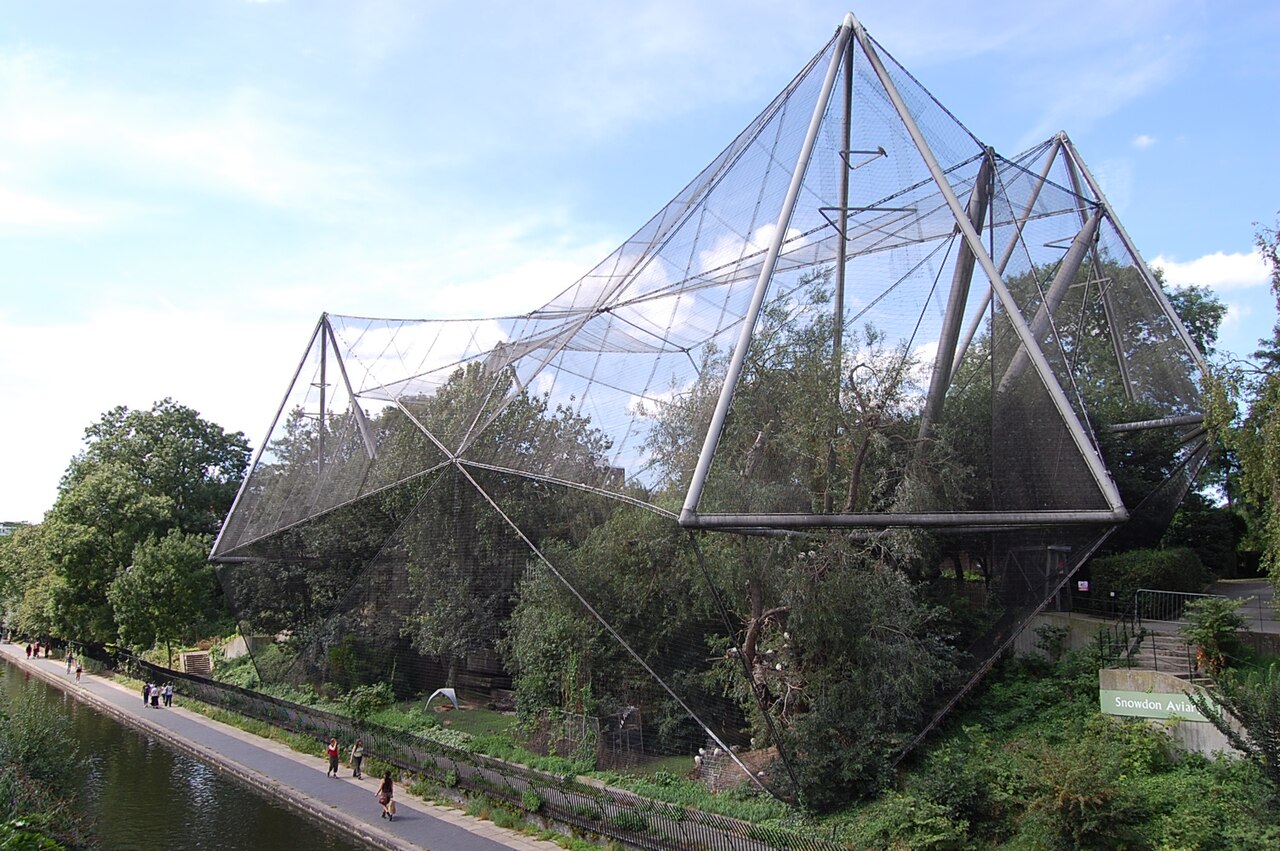
8 min walk · City of Westminster
London Zoo
- Must see
- Family attraction
Language · 11 published
Nature site · London Borough of Camden, London
Reviewed by Elena Voss · Roavina Travel Editor
This place is a Park.
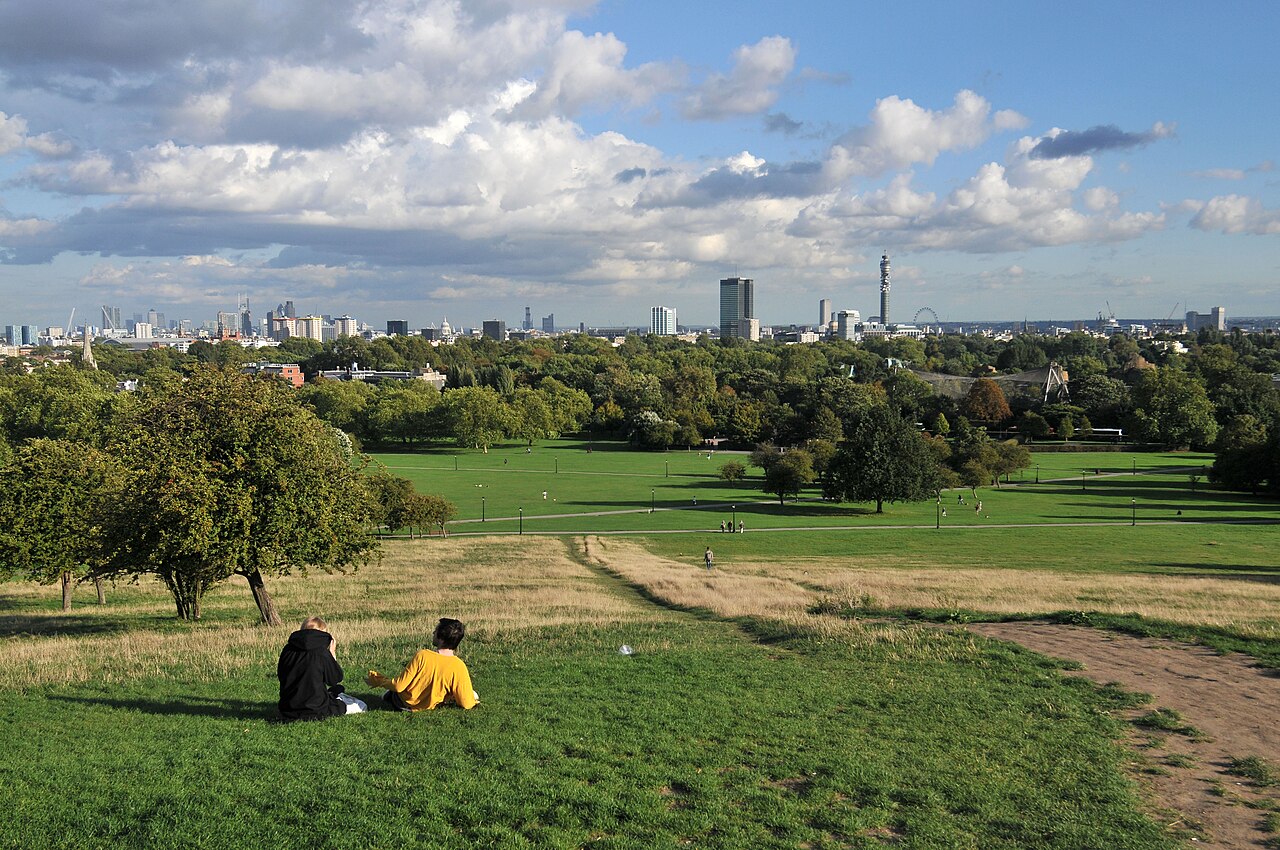
Primrose Hill is an open public park immediately north of Regent’s Park in Camden. Its grassy summit rises to 256 feet above sea level, creating one of London’s most memorable elevated views. The hill is part of the Royal Parks landscape and takes its name from the primroses associated with the area. Its appeal is simple: a short climb, open sky, and a wide city panorama. Primrose Hill is a public park in the London Borough of Camden, situated north of Regent's Park. It rises to 256 feet above sea level, offering one of the most protected and celebrated views over central London. The hill is named after the primroses that once grew there in abundance. It forms part of the Crown Estate and is managed by the Royal Parks. The area has long been associated with literary and artistic figures, contributing to its cultural significance within the capital. No. Primrose Hill is a separate open space immediately north of Regent's Park, though both are administered by the Royal Parks and connect via footpaths.
Checked 2026-08-26 · Source
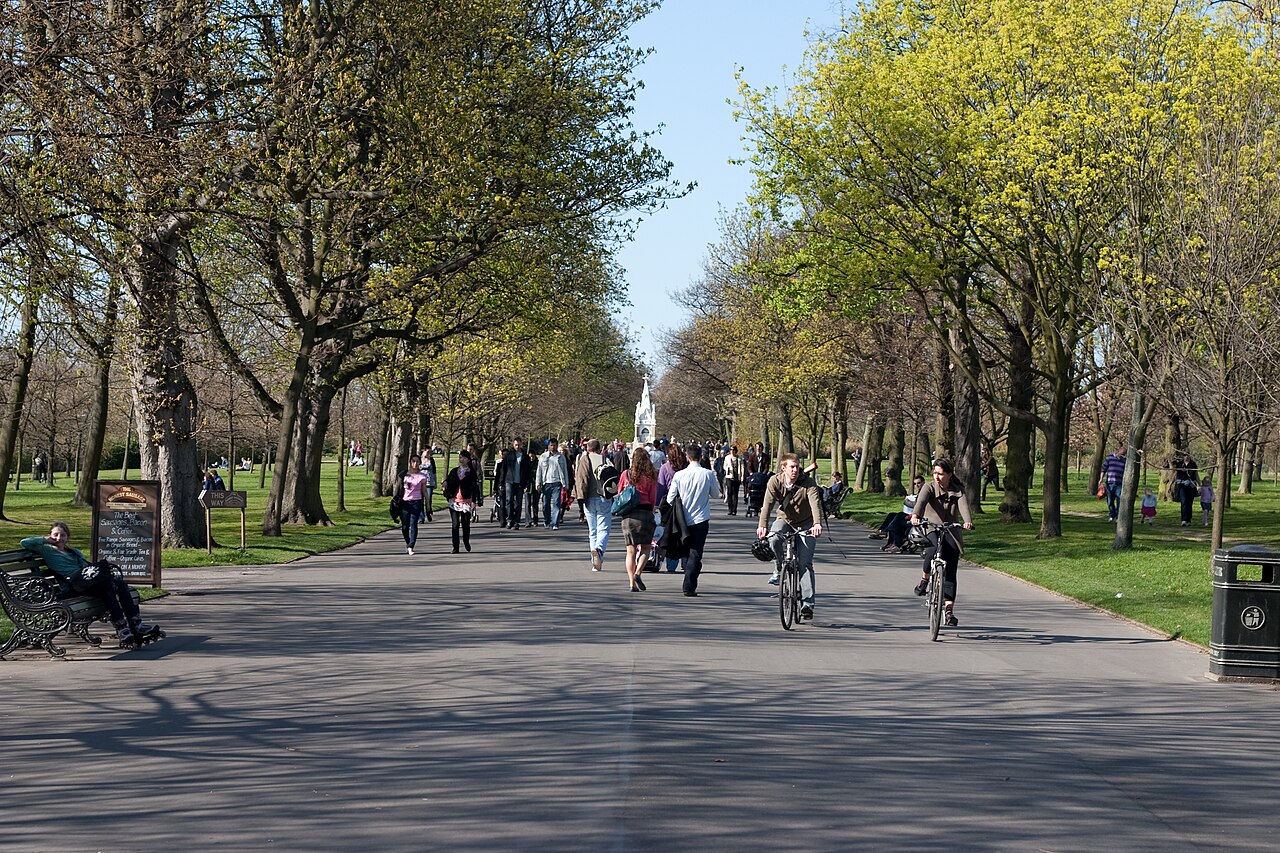
The park is mostly open grassland, with mature trees including London plane and oak around the slopes. A stone plaque at the summit helps identify landmarks across the skyline. There are no buildings, cafés, or visitor facilities within the park itself. Around its edges, Primrose Hill village offers Victorian terraces, independent shops, and places to eat along Regent’s Park Road and Gloucester Avenue. The park contains open grassland covering the summit and slopes, with scattered mature trees including London plane and oak. At the summit, visitors find a distinctive stone plaque installed in 2012 that identifies landmarks visible from the viewpoint. The surrounding neighbourhood features Victorian terraced housing and independent shops along Regent's Park Road and Gloucester Avenue. The park itself is largely undeveloped, preserving its character as open recreational space. No buildings, cafes, or visitor facilities exist within the park boundaries.
Checked 2026-08-26 · Source
The climb from a nearby street entrance to the summit usually takes around five to ten minutes at a moderate pace. Allow thirty minutes for the ascent, panorama, and descent, or stay for one to two hours with a picnic, a sunset, or time in the surrounding village. Regent’s Park and London Zoo are nearby, making the hill easy to combine with a longer north London walk. A visit to Primrose Hill typically requires between thirty minutes and two hours, depending on individual purpose. The walk from the nearest street-level entrance to the summit takes approximately five to ten minutes at moderate pace.
Checked 2026-08-26 · Source
Clear winter days often provide the sharpest distant views because the air can be less hazy. Spring brings fresh growth, summer evenings draw crowds for sunset, and autumn gives softer light across the slopes. Dawn is the calmest period in every season. Wind and rain are felt strongly on the exposed summit, so the quality of the experience depends greatly on the weather.
Checked 2026-08-26 · Source
Entry to Primrose Hill is free, with no ticketed entrance to the open park. The hill is a public outdoor space rather than a controlled attraction. Organised events, filming, or commercial activities are separate matters and can require permission. Nearby streets are residential, and parking is limited by local arrangements, so the easiest visit is usually on foot or by public transport.
Checked 2026-08-26 · Source
Chalk Farm Underground station is about a ten-minute walk from the hill, while Camden Town is roughly fifteen minutes away. Buses serve Regent’s Park Road and Adelaide Road. The park connects naturally with Regent’s Park and London Zoo on foot. Cyclists can use surrounding streets and nearby cycle-hire points, but the hill itself is a pedestrian landscape rather than a place to drive into.
Checked 2026-08-26 · Source
The summit and approach paths can become slippery after rain, and the exposed ridge offers little shelter from wind or showers. Sunset periods are busy, especially on warm weekends and holidays. Lighting is limited after dark, so choose footwear carefully and keep belongings close in crowds. The surrounding homes are part of the visit’s setting; keep noise low and leave the grass and paths clean.
Checked 2026-08-26 · Source
The summit gives a broad east-to-west view across central London. Use the stone plaque to identify skyline subjects, then choose a wide lens for the panorama or a telephoto lens for individual landmarks. Morning and evening light add dimension to distant buildings. Night exposures can capture illuminated landmarks and traffic trails, although crowds and wind may make a tripod difficult to use.
Checked 2026-08-26 · Source
Yes. Primrose Hill is a separate open space directly north of Regent’s Park, with footpaths connecting the two landscapes.
The summit provides an extensive view across central London, with a stone plaque helping visitors identify visible landmarks.
There are no public toilet facilities within the park boundaries.
Informal picnicking is a common use of the grassed areas. Take all waste with you when you leave.
From a nearby street-level entrance, the climb to the summit takes approximately five to ten minutes at a moderate pace.
Chalk Farm is the nearest Underground station, around ten minutes on foot from Primrose Hill.
Loading the interactive map…
The interactive map could not be loaded.
Last updated:
Source: OpenStreetMap contributors, Wikidata ·