


6 min walk
Wildlife Gardens
- Notable
- Nature site
Museum · Las Vegas
Nevada State Museum
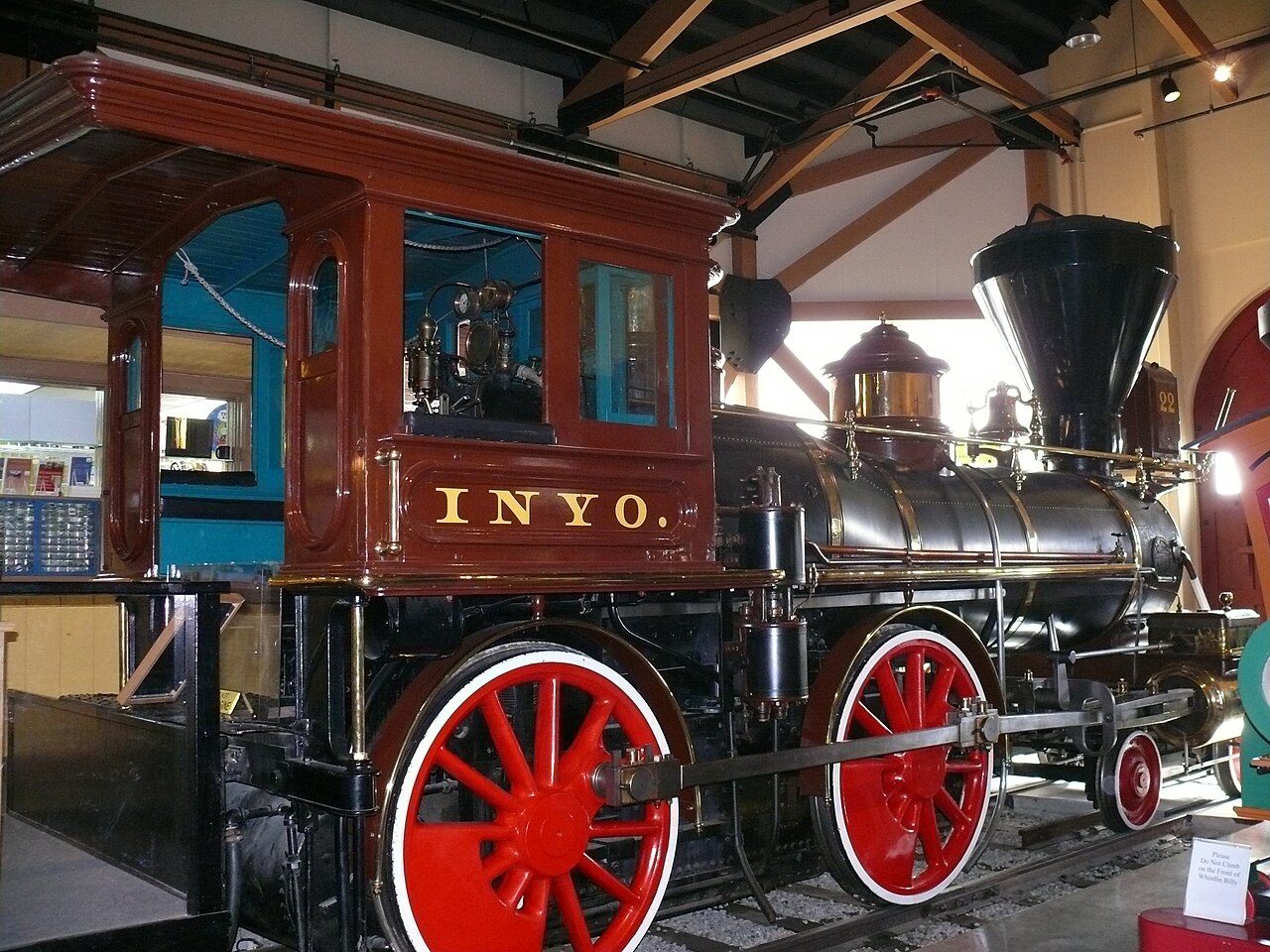
Nevada State Museum is a state-operated history museum at the Springs Preserve campus in Las Vegas. Its collections present the story of Nevada and the development of Las Vegas, placing the city within a much broader landscape of geology, ecology, Indigenous cultures, settlement, mining, and entertainment. The museum works well for travellers who want historical context before exploring the Strip, downtown, or the desert landscapes beyond the city. The Nevada State Museum is a state-operated history museum located at the Springs Preserve campus in Las Vegas, Nevada. It serves as a key institution for preserving and presenting the history of Las Vegas and the broader Nevada region. The museum is part of a larger cultural complex that includes botanical gardens and other educational facilities. Its mission centers on collecting, interpreting, and exhibiting materials that document Nevada's diverse heritage from prehistoric times through the modern era. The museum offers educational content about Nevada history that can engage school-age children, though very young visitors may find some exhibitions text-heavy. The adjacent Springs Preserve provides additional family-friendly outdoor exploration opportunities.
Checked 2026-08-26 · Source
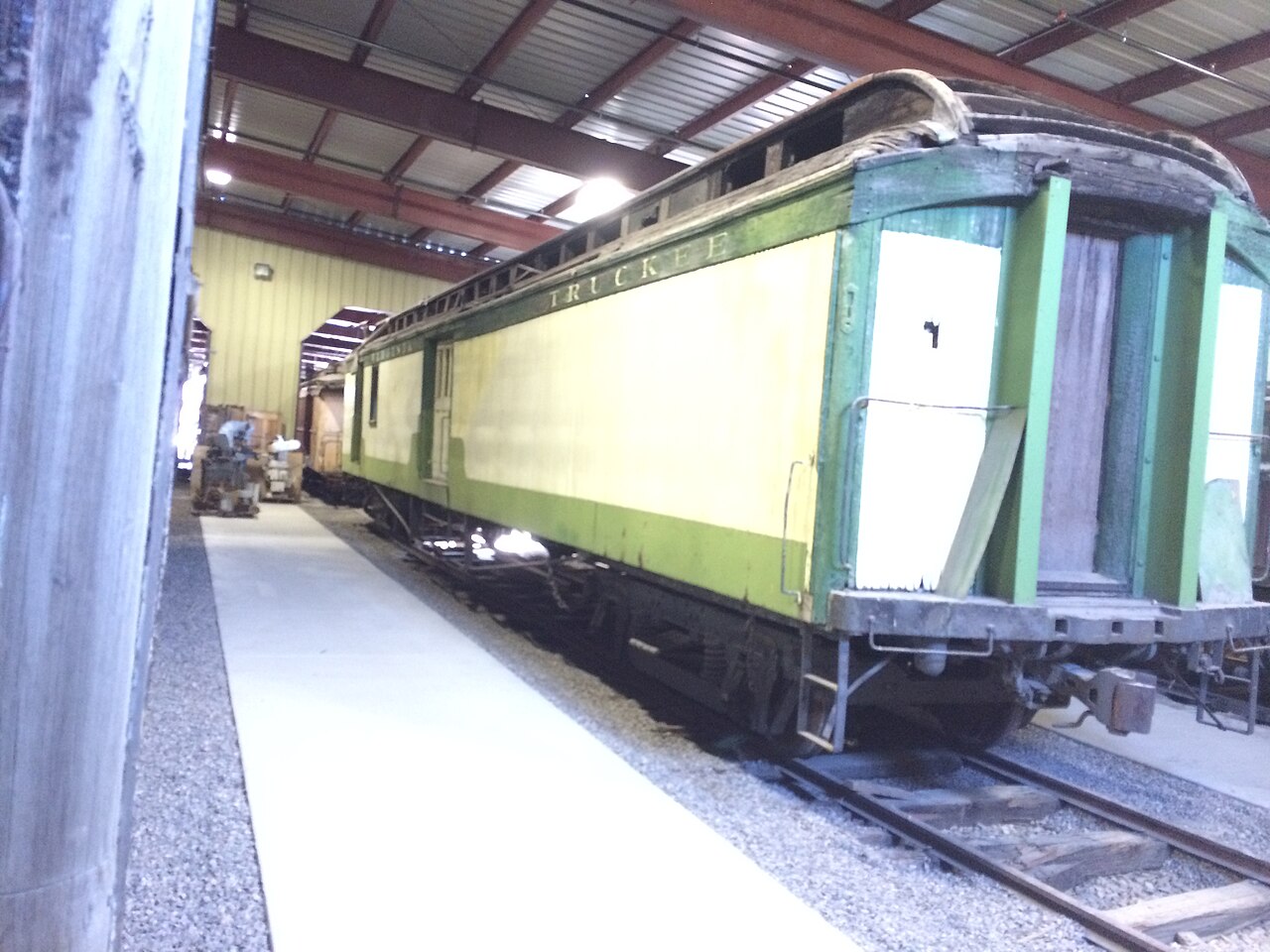
Expect displays covering natural history, Native American cultures, pioneer settlement, mining, and the rise of Las Vegas as an entertainment centre. Artefacts, photographs, documents, and specimens connect Nevada’s geological, ecological, and cultural changes. The museum is part of Springs Preserve, whose wider campus includes botanical gardens and educational spaces. That combination lets a visitor move from indoor historical interpretation to a broader desert-focused cultural landscape. The museum's collections and exhibitions focus on Nevada history, including the development of Las Vegas as a major American city. Visitors can expect displays covering natural history, Native American cultures, pioneer settlement, mining booms, and the rise of the entertainment industry. The museum holds artifacts, photographs, documents, and specimens that illustrate the state's geological, ecological, and cultural transformations. Specific current exhibitions should be verified through the official website before visiting, as displays may rotate periodically.
Checked 2026-08-26 · Source
Reserve about two to three hours for the museum if you want to read the exhibition material and take in the collections without rushing. A shorter visit can provide a general introduction to Nevada history, while researchers and enthusiasts may stay longer. Because the museum sits within Springs Preserve, combining it with the gardens and other campus spaces can turn the stop into a half-day outing. A thorough visit to the Nevada State Museum typically requires approximately two to three hours, though individual pacing varies considerably.
Checked 2026-08-26 · Source

The museum is particularly useful during Las Vegas’s hottest months because its historical collections provide an air-conditioned indoor activity. Summer temperatures can exceed 100 degrees Fahrenheit, making a museum-and-Springs-Preserve plan a practical break from outdoor sightseeing. Weekday mornings generally offer a calmer setting than weekends and holidays. Milder seasons are appealing when you want to combine indoor exhibits with the preserve’s outdoor gardens and educational spaces.
Checked 2026-08-26 · Source
The museum is located within Springs Preserve, so admission planning should account for the campus context. A visit may involve museum entry, wider preserve access, or a combined arrangement depending on the ticket offered for your date. The museum’s subject matter is best enjoyed as a focused cultural stop rather than a quick photo opportunity. Allow time for both the historical galleries and the surrounding preserve if your ticket includes them.
Checked 2026-08-26 · Source
Springs Preserve lies northwest of the Las Vegas Strip near U.S. Highway 95. Driving is common, with parking at the preserve campus. RTC buses serve the wider area, and ride-sharing services operate across metropolitan Las Vegas. Use the Springs Preserve destination when planning the final approach, then follow campus directions to the museum. The location is more convenient by car or ride-share than as a spontaneous walk from the Strip.
Checked 2026-08-26 · Source
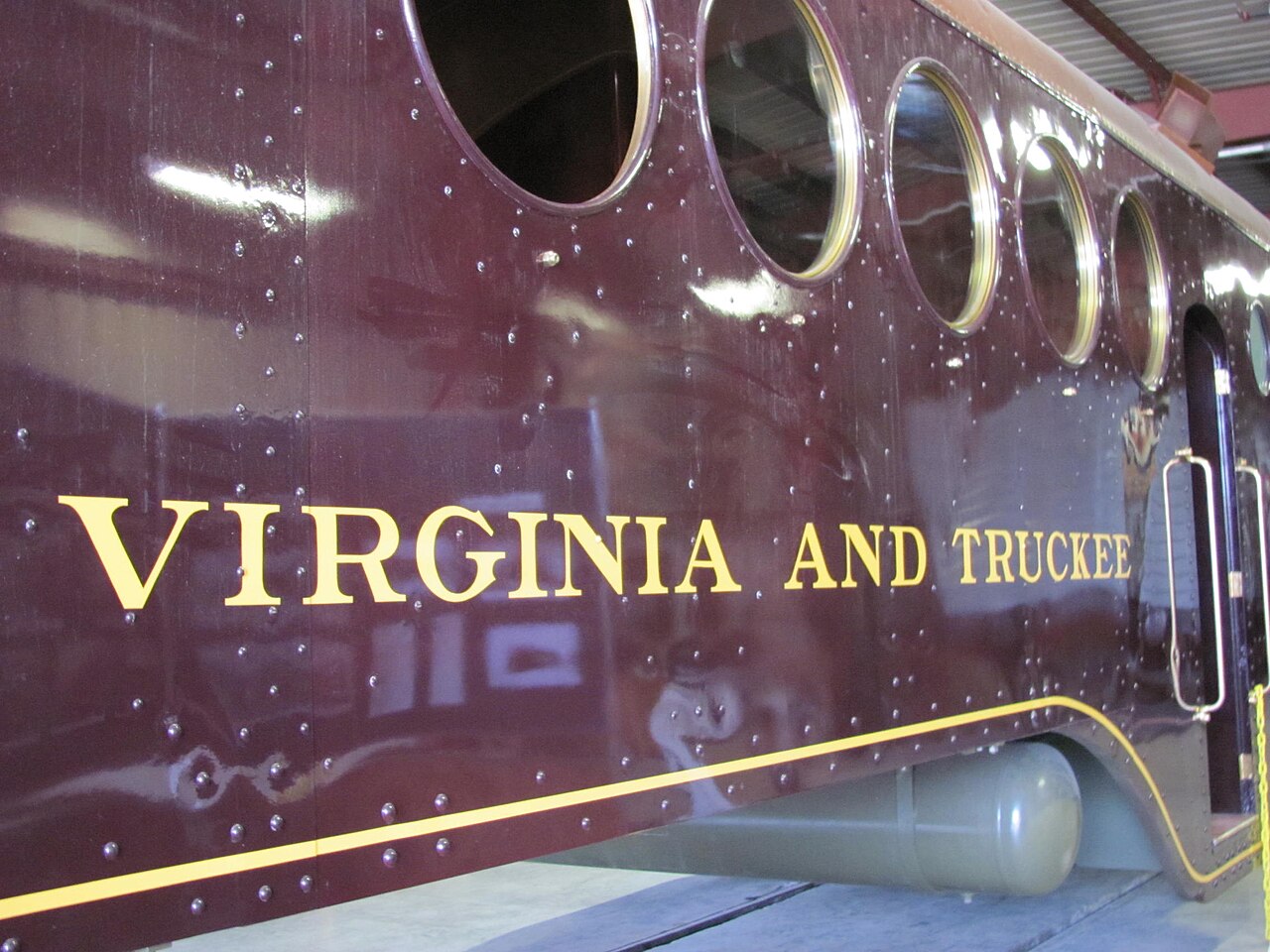
Las Vegas heat is the main practical concern when crossing between parking, outdoor campus spaces, and indoor galleries. Carry water and use sun protection, especially in summer. Springs Preserve includes desert landscaping and outdoor features, so supervise children and watch your footing. Inside the museum, respect display boundaries and posted photography rules. Visitors needing particular accessibility arrangements should plan around the campus layout and entrance route.
Checked 2026-08-26 · Source
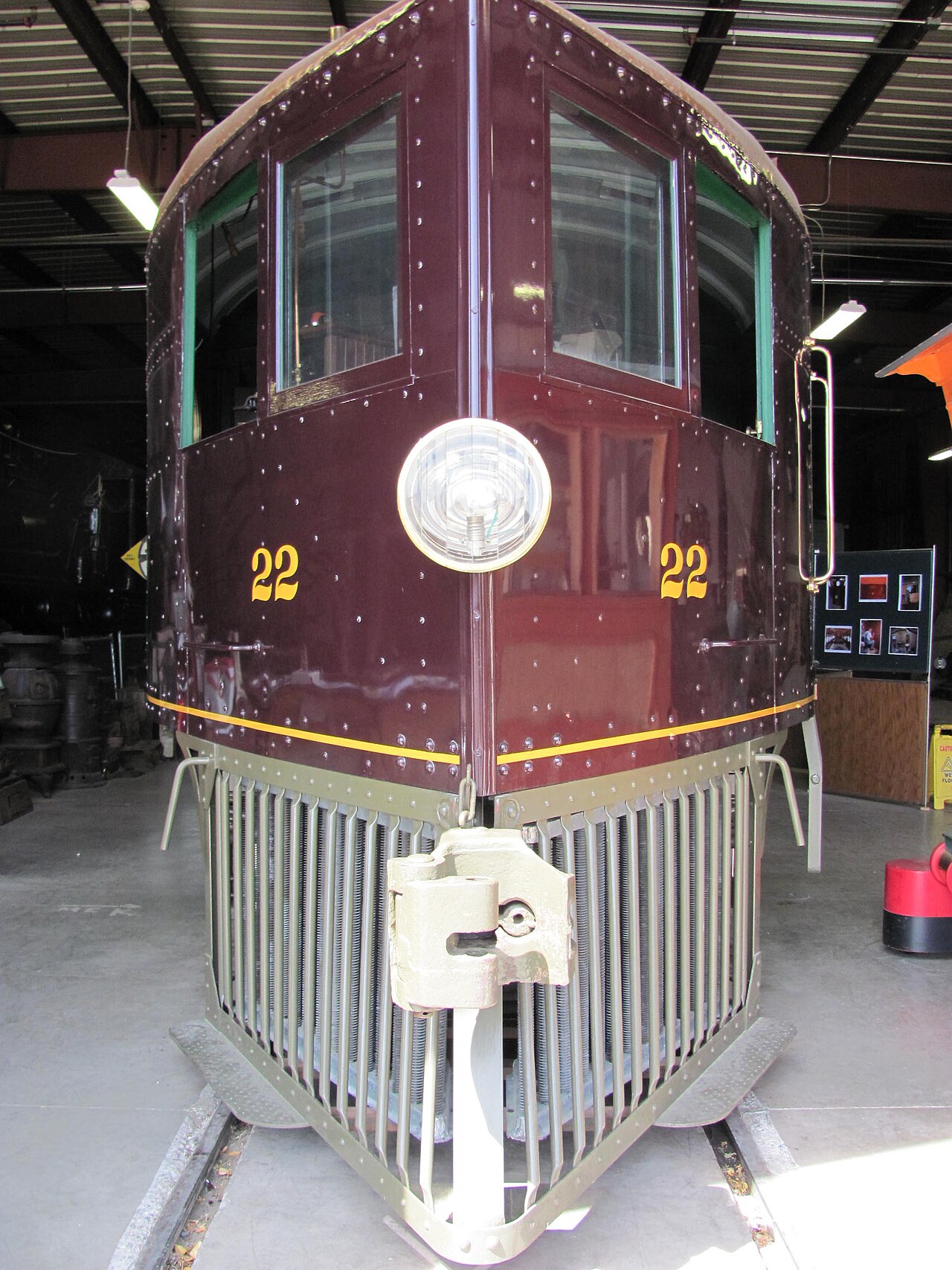
Museum photography is best approached as a record of objects, documents, and exhibition design rather than a rapid gallery sweep. Artefacts and archival images provide details that connect Nevada’s natural and human history. Use the surrounding Springs Preserve for wider compositions involving desert planting and campus architecture. Follow signs for each gallery, avoid flash where restricted, and keep equipment clear of other visitors in narrower display areas.
Checked 2026-08-26 · Source
The museum covers Nevada’s natural history, Indigenous cultures, pioneer settlement, mining, the growth of Las Vegas, and the state’s entertainment industry.
Allow approximately two to three hours for a comfortable visit, with additional time if you also explore Springs Preserve’s gardens and educational spaces.
It is at Springs Preserve northwest of the Las Vegas Strip, near U.S. Highway 95, rather than in the main casino corridor.
The museum offers an indoor historical experience during Las Vegas’s extreme summer heat, with temperatures that can exceed 100 degrees Fahrenheit.
The museum can be combined with other Springs Preserve spaces, including botanical gardens and educational facilities, to create a longer cultural outing.
Nevada State Museum presents broad state history, while the Neon Museum focuses on signage history and the Mob Museum focuses on organised crime history.
Loading the interactive map…
The interactive map could not be loaded.
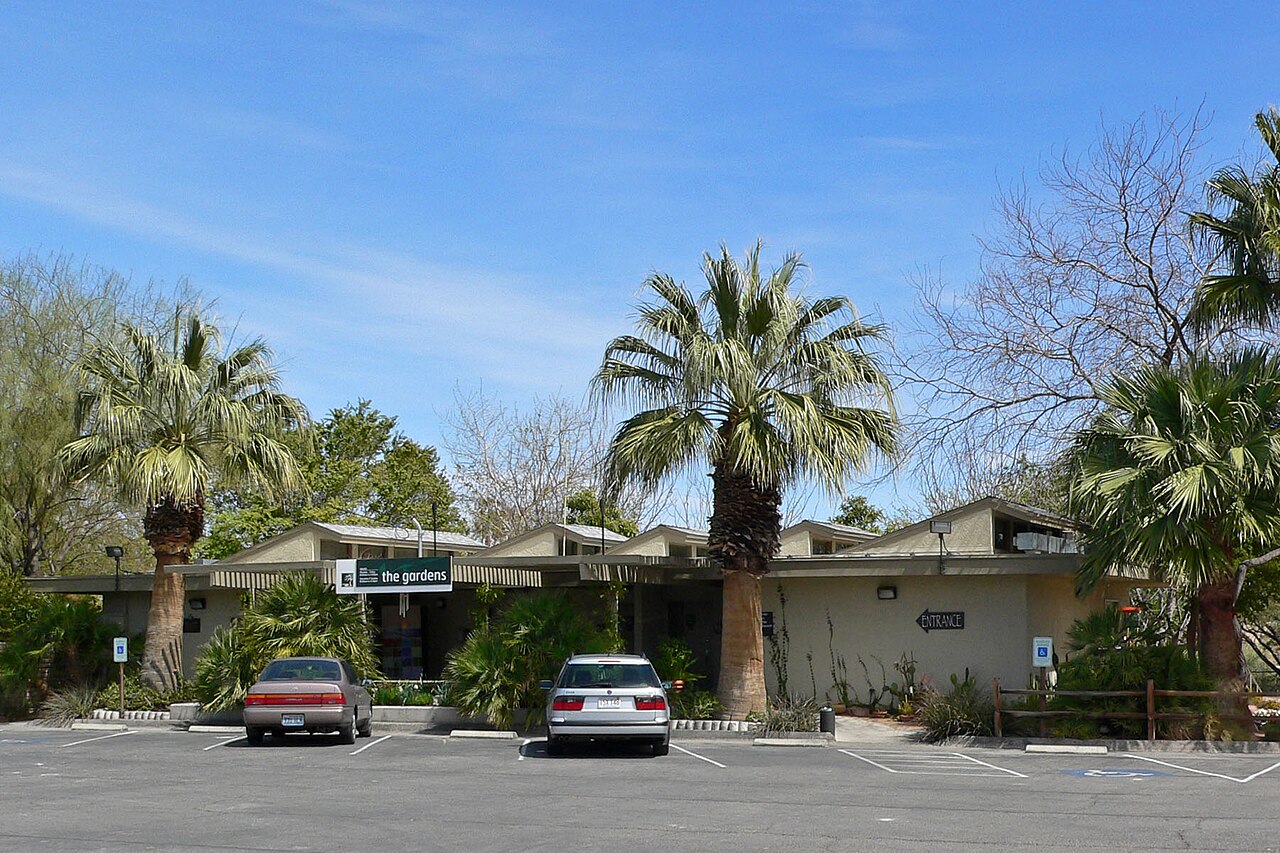

Last updated:
Source: OpenStreetMap contributors, Wikidata ·