Las Vegas Strip
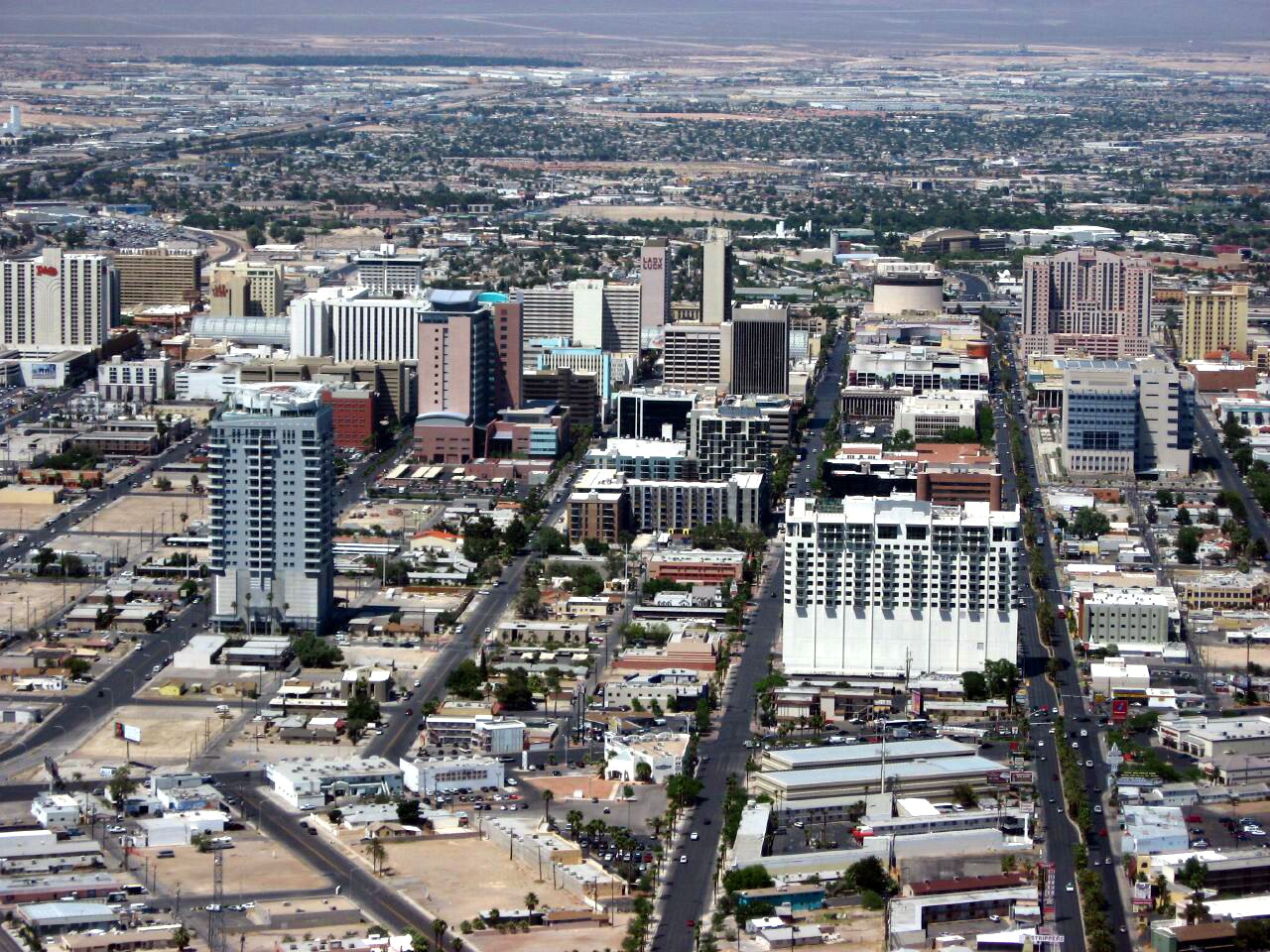
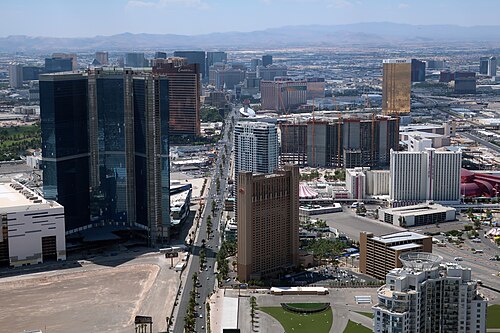
The Las Vegas Strip is the resort corridor along Las Vegas Boulevard where the city’s largest casinos, theatres, restaurants and themed public interiors form one continuous visitor district.
- Must see
- Historic monument
Language · 11 published
City guide · United States
Las Vegas has two principal visitor centres: the long resort corridor on Las Vegas Boulevard and Downtown around Fremont Street. Distances along the Strip are larger than they appear because resort entrances, pedestrian bridges and indoor routes add walking. Buses, the Monorail and selected resort trams connect parts of the corridor, while desert parks require separate transport. Plan by adjacent resort groups rather than by a simple north-south checklist.
Reviewed by Elena Voss · Roavina Travel Editor
Set your days, your pace and the hours you actually want to be out. The planner works around closing days and travel time, and leaves room to eat.
Ranked by importance — sitelinks, pageviews and heritage status, not editor preference.
41 places match
Category
Typical visit duration
Interests
The Las Vegas Strip is the resort corridor along Las Vegas Boulevard where the city’s largest casinos, theatres, restaurants and themed public interiors form one continuous visitor district.
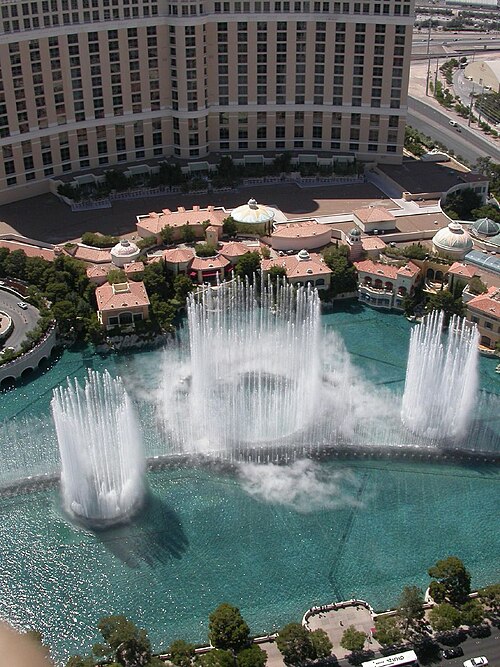
The Fountains of Bellagio constitute a choreographed water feature situated on the Las Vegas Strip in front of the Bellagio resort. The installation performs musical fountain displays using a system of jets arrayed across an eight-acre lake.
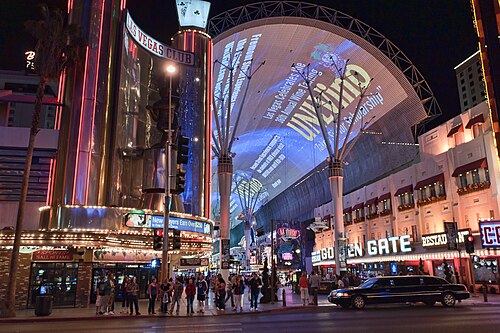
Fremont Street Experience is a pedestrian entertainment district spanning several blocks of historic Downtown Las Vegas beneath the Viva Vision canopy. It links long-running casinos with live stages, street activity and the SlotZilla zipline.
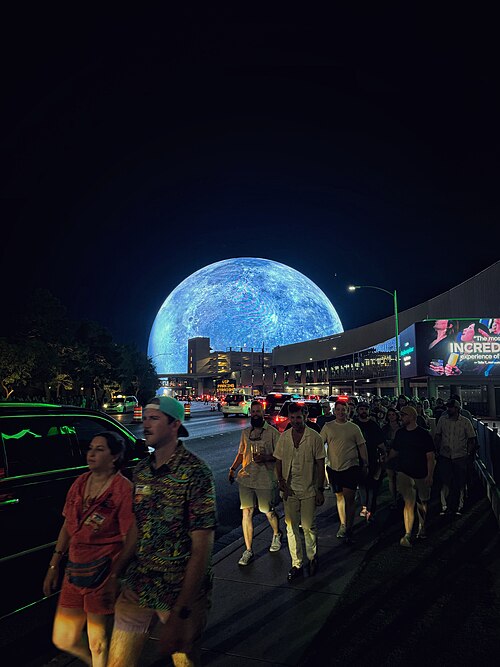
Sphere is a purpose-built Las Vegas venue for concerts and immersive screen productions. Its defining systems are a 160,000-square-foot interior LED media plane and the 580,000-square-foot programmable exterior called the Exosphere.
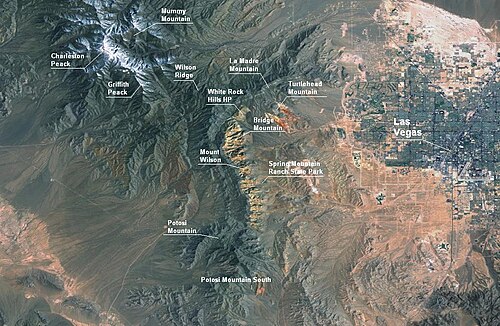
Red Rock Canyon National Conservation Area protects Mojave Desert geology immediately west of Las Vegas, including vivid sandstone escarpments, canyons, desert vegetation and wildlife habitat.
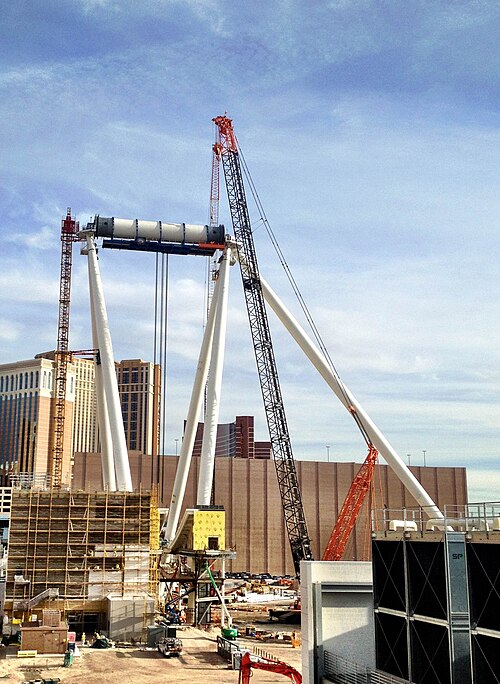
The High Roller is an observation wheel at The LINQ Promenade on the Las Vegas Strip. It stands as a distinctive landmark in the city's entertainment corridor, offering panoramic views of the surrounding area from enclosed cabins.
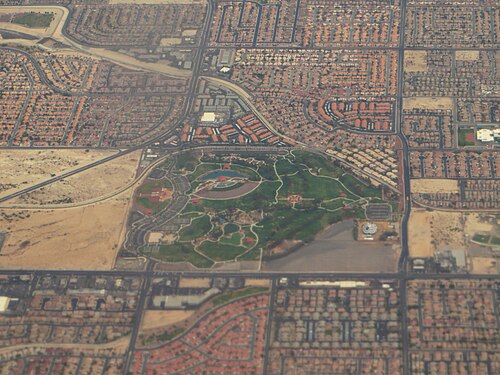
The Mob Museum
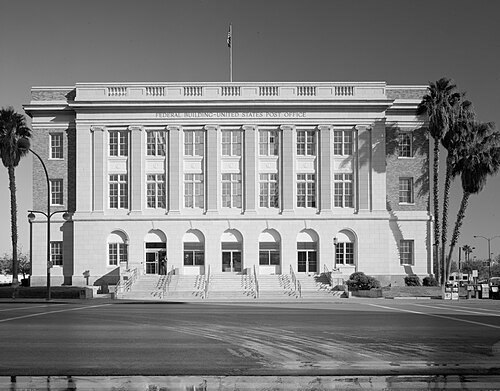
The Mob Museum, formally the National Museum of Organized Crime and Law Enforcement, examines organized crime, policing and their effects on American society.
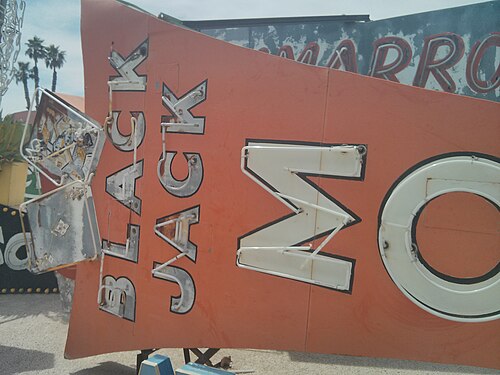
The Neon Museum preserves and interprets signs from Las Vegas businesses, casinos and civic landmarks. Its outdoor Neon Boneyard places large restored and unrestored signs close enough to reveal construction, typography, paint and changing electrical technology.
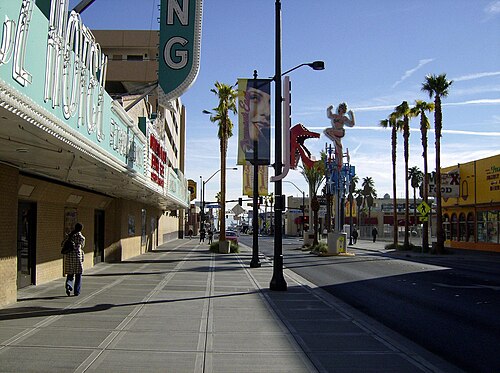
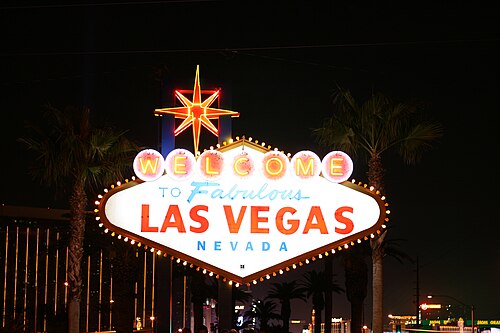
The Welcome to Fabulous Las Vegas sign is a landmark located on the south end of the Las Vegas Strip in Paradise, Nevada. The sign was designed by Betty Willis and erected in 1959.
The Venetian Las Vegas is a major themed resort on the Las Vegas Strip. It replicates Venice, Italy through architectural reproductions including canals, plazas, and landmarks.
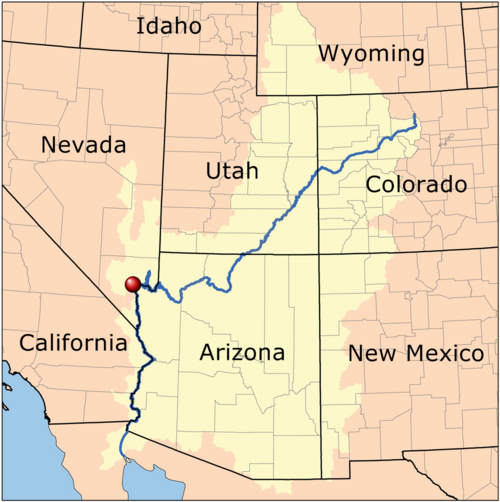
Hoover Dam is a concrete arch-gravity dam in the Black Canyon of the Colorado River, on the border between Nevada and Arizona. Constructed between 1931 and 1936 during the Great Depression, it was dedicated by President Franklin D.
The Bellagio Conservatory & Botanical Gardens is an indoor horticultural attraction located within the Bellagio Resort & Casino on the Las Vegas Strip.
Stratosphere Tower, now branded as The Strat, is a freestanding observation tower and hotel-casino at the northern end of the Las Vegas Strip.
Las Vegas Springs Preserve
Las Vegas Springs Preserve is a cultural and natural-history campus built around the water source that supported Indigenous presence, early settlement and the growth of Las Vegas.
AREA15 is an immersive entertainment and retail complex located northwest of the Las Vegas Strip. The venue occupies a large warehouse-style building and surrounds itself with an atmosphere of art, technology, and interactive experiences.
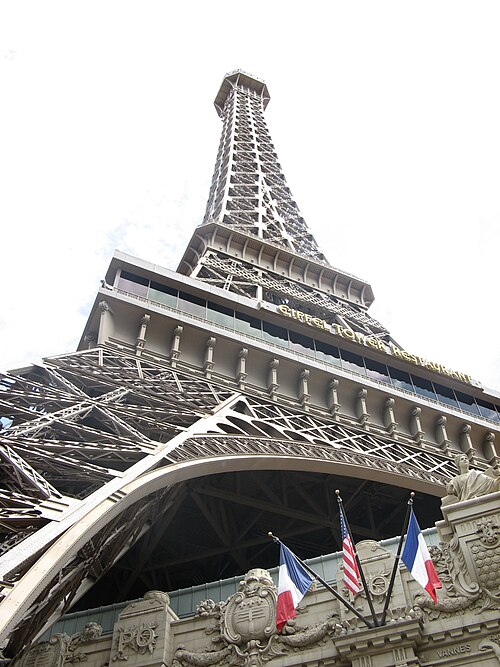
The Eiffel Tower Viewing Deck is a separately ticketed observation attraction located at Paris Las Vegas, a hotel and casino on the Las Vegas Strip.
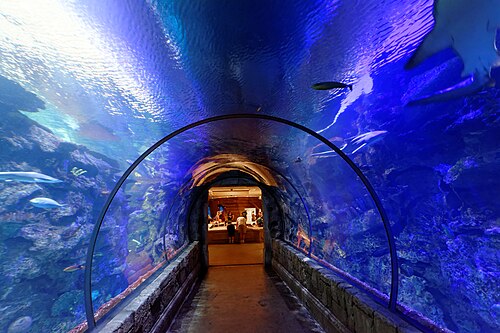
Shark Reef Aquarium is a separately ticketed aquarium located inside Mandalay Bay Resort and Casino on the Las Vegas Strip. Operated by MGM Resorts International, the facility houses marine life exhibits distinct from the main resort corridor.
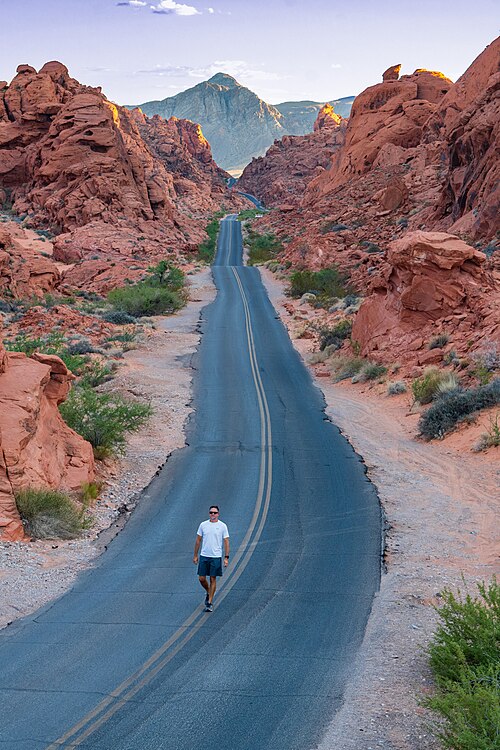
Valley of Fire State Park is a public recreation and nature preservation area in Nevada, located approximately fifty miles northeast of Las Vegas. Established in 1934, it is Nevada's oldest state park.
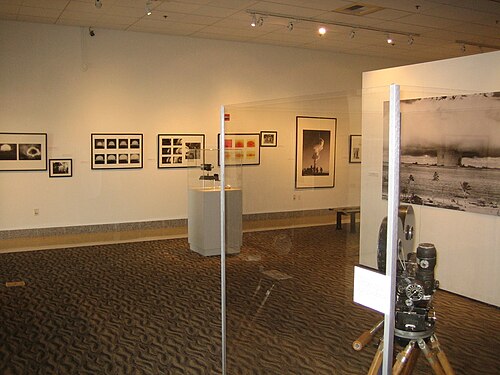
The National Atomic Testing Museum in Las Vegas explores the history of nuclear testing at the Nevada Test Site. The museum presents the scientific, military and social dimensions of atomic testing through objects, documents, photographs and interpretive displays.
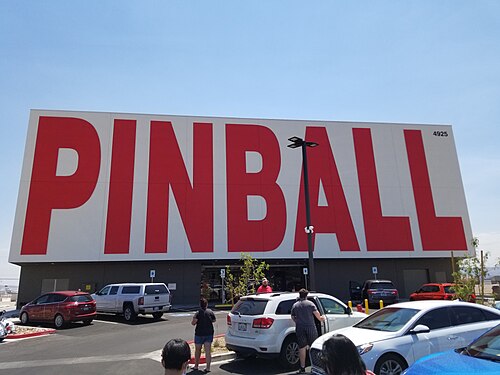
The Pinball Hall of Fame is a museum dedicated to pinball machines and related arcade amusements. It operates as a nonprofit institution with proceeds directed toward charitable causes.
Allegiant Stadium is a domed stadium located in Paradise, Nevada, near the Las Vegas Strip.
Wynn Las Vegas is a luxury resort and casino located on the Las Vegas Strip. The property operates as an independent destination with its own interior environment, distinct from the pedestrian boulevard experience.
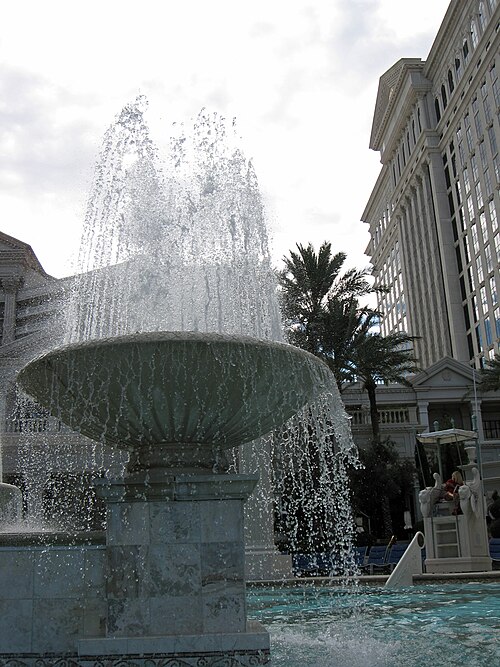
Caesars Palace is a landmark resort on the Las Vegas Strip in Paradise, Nevada. Opened in 1966, it is recognized for its Roman Empire theme, marble columns, classical statuary, fountains, casino, entertainment spaces, restaurants, shops, pools, and hotel towers.
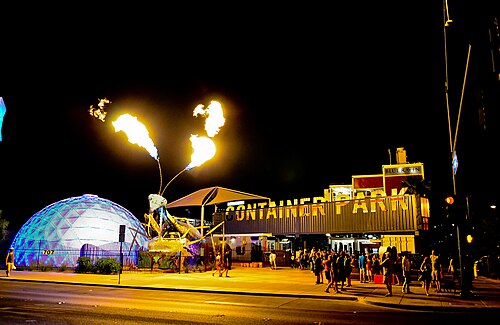
Downtown Container Park is an open-air retail, dining and entertainment complex in the Fremont East area. Shops and small venues occupy repurposed shipping containers arranged around a central courtyard and family play space.
The Las Vegas Arts District, also called the 18b Arts District, is an approximately 18-block cultural area south of downtown Las Vegas.
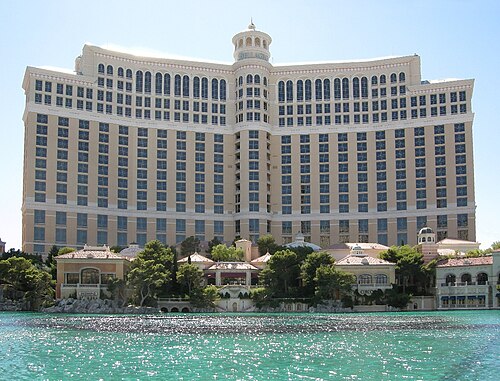
The Bellagio is a landmark resort on the Las Vegas Strip, operated by MGM Resorts International. It opened in 1998 and remains one of the most recognizable properties in the city.
The Smith Center for the Performing Arts is Las Vegas’s principal nonprofit performing-arts complex in Symphony Park.
Las Vegas Natural History Museum is a nonprofit museum near Downtown that introduces natural history through dinosaurs, marine life, African wildlife, local ecology and ancient Egyptian material.
Discovery Children's Museum
DISCOVERY Children’s Museum is a three-floor interactive museum in Downtown Las Vegas designed around learning through play. Exhibits address science, engineering, art, health, community life and imaginative problem-solving rather than displaying a conventional object collection.
The Adventuredome
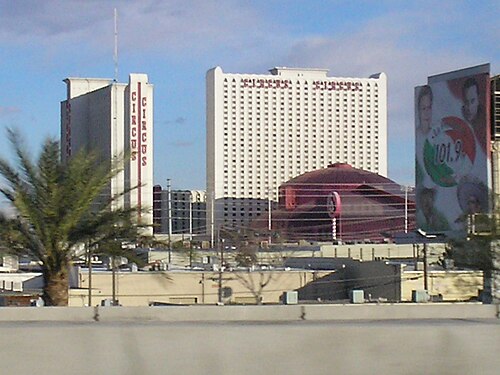
The Adventuredome is an indoor amusement park located at Circus Circus Hotel and Casino on the Las Vegas Strip. It operates under a large pink glass dome visible from outside.
Little White Chapel
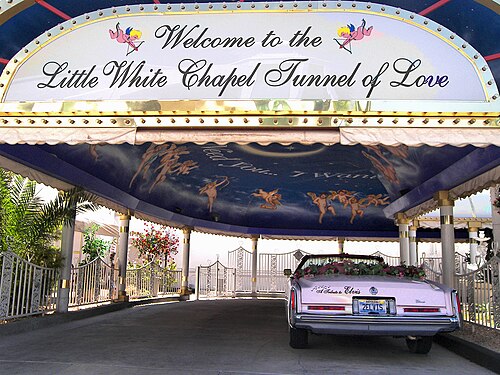
A Little White Wedding Chapel is a historic wedding venue on the Las Vegas Strip, operating since 1951. It exemplifies the city's globally recognized wedding industry, which has made Las Vegas synonymous with quick, accessible marriage ceremonies.
Nevada State Museum
Nevada State Museum is a state-operated history museum at the Springs Preserve campus in Las Vegas.
Omega Mart - Meow Wolf
Omega Mart is AREA15's flagship immersive art installation, created by the Santa Fe-based arts and entertainment company Meow Wolf. It presents itself as a surreal supermarket that visitors can explore freely.
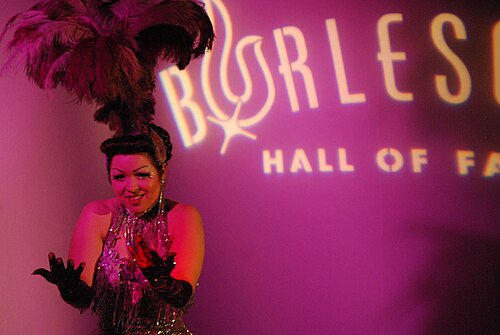
The Burlesque Hall of Fame is a specialist museum in Las Vegas dedicated to documenting the history and performance culture of burlesque. It preserves costumes, photographs, props, and personal effects from performers across decades of American entertainment history.
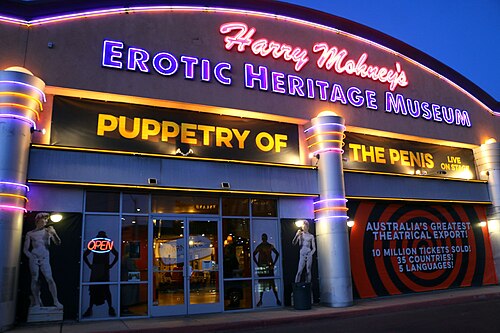
The Erotic Heritage Museum is a specialist Las Vegas museum devoted to sexual culture and history. Near the Strip, it presents erotic art, historical material, and cultural interpretation in a museum setting.
Las Vegas North Premium Outlets
Las Vegas Premium Outlets North, locally known as Las Vegas North Premium Outlets, is a large outlet shopping centre situated close to downtown Las Vegas and the Las Vegas Strip.
Downtown Cocktail Room is a cocktail bar and nightlife destination in Fremont East, downtown Las Vegas. It suits travelers who want a drink-focused evening away from the larger resort complexes of the Strip.
The Arts Factory is a multi-tenant gallery building located in the Arts District of downtown Las Vegas, Nevada. It serves as a central hub for the local creative community, housing multiple studios, galleries, and creative spaces under one roof.
Floyd Lamb Park at Tule Springs
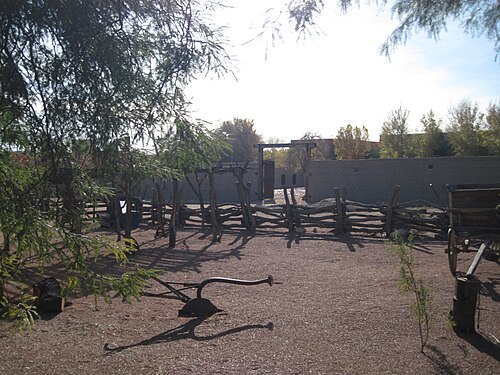
Floyd Lamb Park at Tule Springs is a historic ranch landscape and large public park located in Las Vegas, Nevada. The site encompasses former ranch lands centered on natural springs that sustained human activity for millennia.
Craig Ranch Regional Park is a large regional park serving the Las Vegas area. It provides an outdoor setting for walking, recreation, open-air gatherings, and time away from the concentrated casino environment.
Fremont East Entertainment District is a designated nightlife and arts corridor in downtown Las Vegas, Nevada. It extends eastward from the Fremont Street Experience canopy, forming a distinct zone with its own identity.
Source: OpenStreetMap contributors, Wikidata ·
The Strip runs south to north as a sequence of large resort complexes, not a conventional compact street. Downtown lies several miles north around Fremont Street and the civic core. The convention district sits between them, with transport links that differ from the resort trams. Arts District stops fit naturally between Downtown and the north Strip. Red Rock Canyon, Hoover Dam and other desert destinations are regional outings and should never be treated as quick extensions of a walking day.
Checked 2026-08-26
Walk only between neighbouring resort groups, then use the Deuce bus, Monorail or relevant resort tram for longer Strip movement. Official visitor guidance also identifies RTC services, rideshare and the convention-centre Loop among available options. Downtown needs a deliberate connection from the Strip, and airport travel should be planned independently. Desert parks and Hoover Dam require a separate road-based trip; they are not part of the urban transit circuit.
Checked 2026-08-26
Two to three days suit a first visit. Use one day for adjacent Strip clusters, another for Downtown and remaining resorts, and add a third for a separate desert or dam outing.
March through April and October through November are generally more practical for outdoor walking than midsummer. Indoor resorts remain climate-controlled, but transfers and desert trips still expose visitors to the weather.
Only in sections. Resort properties are large, entrances may sit far from the pavement, and pedestrian bridges add distance. Group neighbouring resorts and use transport for longer moves.
The Deuce and other RTC services provide a public transport connection, while rideshare is another option. Downtown is not a short continuation of a Strip walk, so plan the transfer explicitly.
Treat either as a separate road-based outing. They sit outside the urban visitor corridor and do not belong to the same walking or resort-transit plan as the Strip.