_(10772382303).jpg)
01
45 min
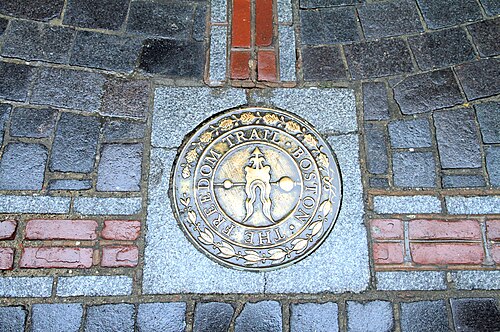
Freedom Trail
The Freedom Trail is a 2.5-mile (4-kilometre) marked walking route linking 16 historic sites across central Boston, the North End and Charlestown.
- Must see
- Historic monument
Language · 11 published
City guide · United States
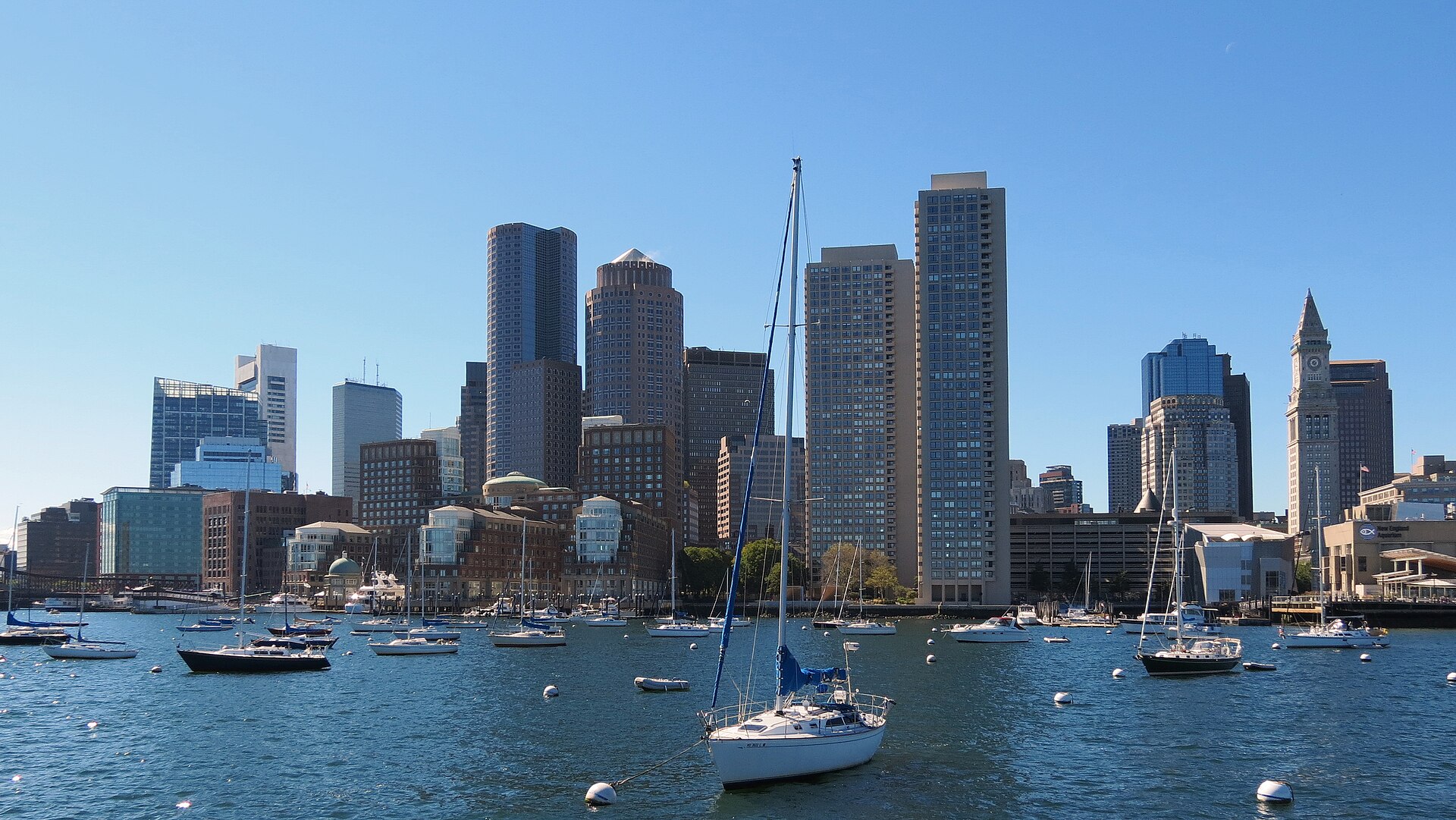
Boston is compact at its historic centre but extends into a network of distinct neighbourhoods and neighbouring municipalities. Downtown, Beacon Hill, Back Bay, the North End and the waterfront form the main walking core. Fenway, the Seaport and Jamaica Plain require separate trips, while Cambridge sits across the Charles River. Group the oldest central districts on foot and use the regional transit network for everything beyond them.
Reviewed by Elena Voss · Roavina Travel Editor
Set your days, your pace and the hours you actually want to be out. The planner works around closing days and travel time, and leaves room to eat.
Ranked by importance — sitelinks, pageviews and heritage status, not editor preference.
78 places match
Category
Typical visit duration
Interests
The Freedom Trail is a 2.5-mile (4-kilometre) marked walking route linking 16 historic sites across central Boston, the North End and Charlestown.

Fenway Park is the Boston ballpark that is home to the Boston Red Sox.
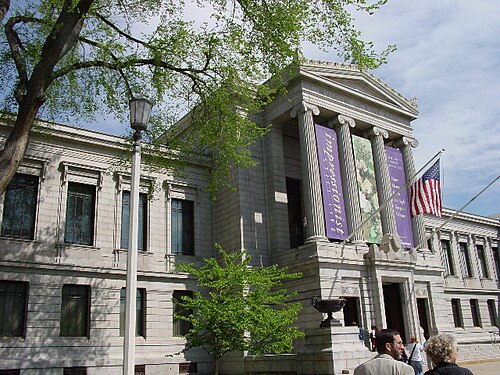
Museum of Fine Arts
Boston’s Museum of Fine Arts is a major encyclopaedic museum whose collections range from ancient objects and paintings to decorative arts, textiles, photography, and contemporary work.
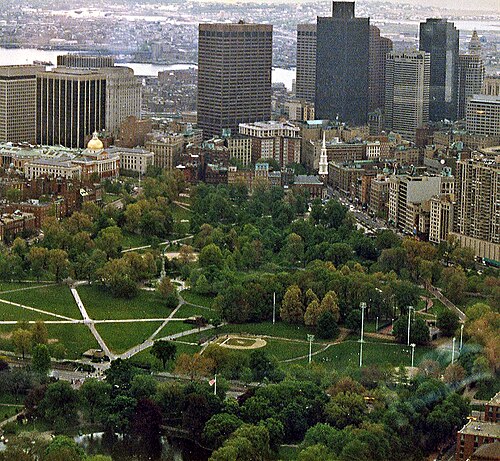
Boston Common is a nearly 50-acre public park in the centre of Boston, established in 1634 and managed by the Boston Parks and Recreation Department.
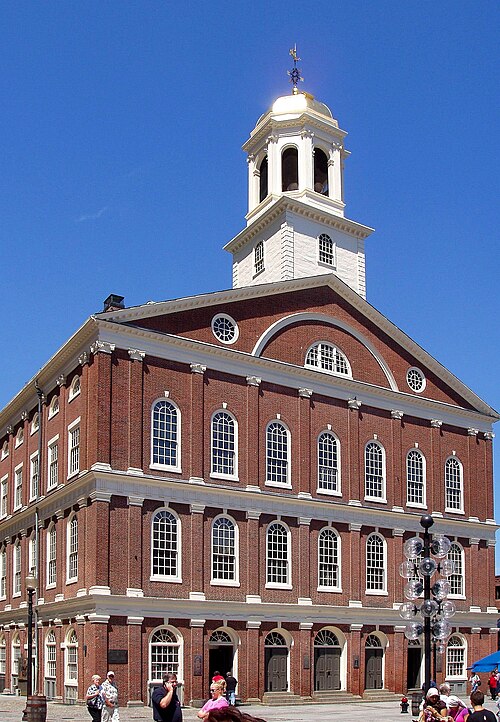
Faneuil Hall is a specific historic building at 1 Faneuil Hall Square, not the surrounding Faneuil Hall Marketplace.
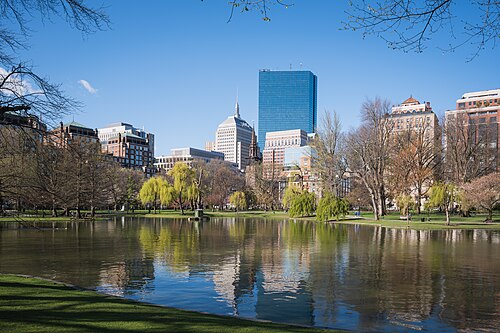
Boston Public Garden is a living civic landscape in the heart of Boston and the nation’s first public botanical garden, established in 1837.
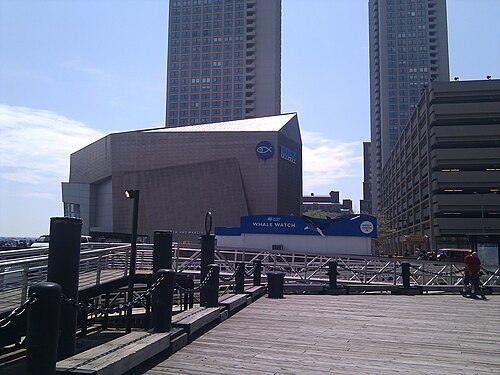
New England Aquarium is a major marine-life institution on Boston’s Central Wharf, where the waterfront setting is part of the experience.
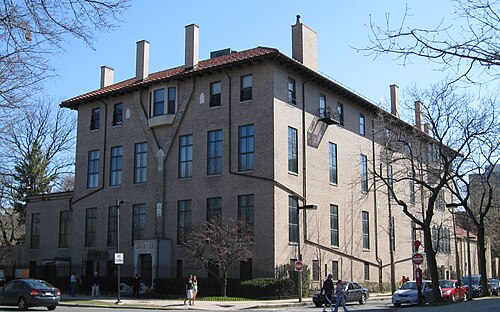
Isabella Stewart Gardner Museum is a Venetian-style palace museum created from one founder’s intensely personal vision.

USS Constitution is the United States Navy’s wooden-hulled frigate known as “Old Ironsides,” preserved afloat in Boston’s Charlestown Navy Yard.
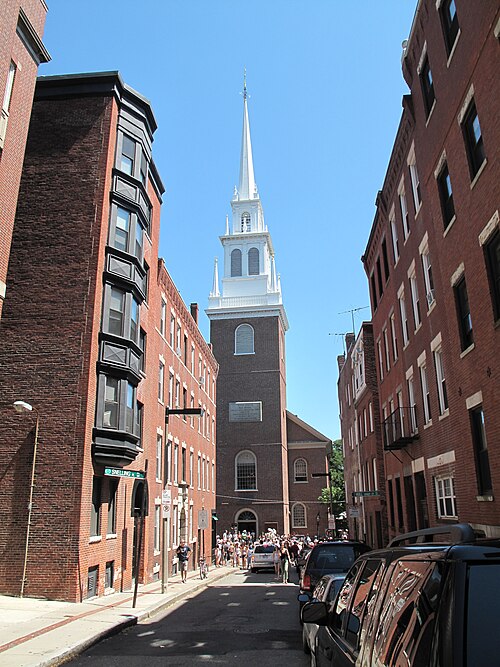
Old North Church is an active Episcopal church at 193 Salem Street in Boston’s North End, and the city’s oldest surviving church building.
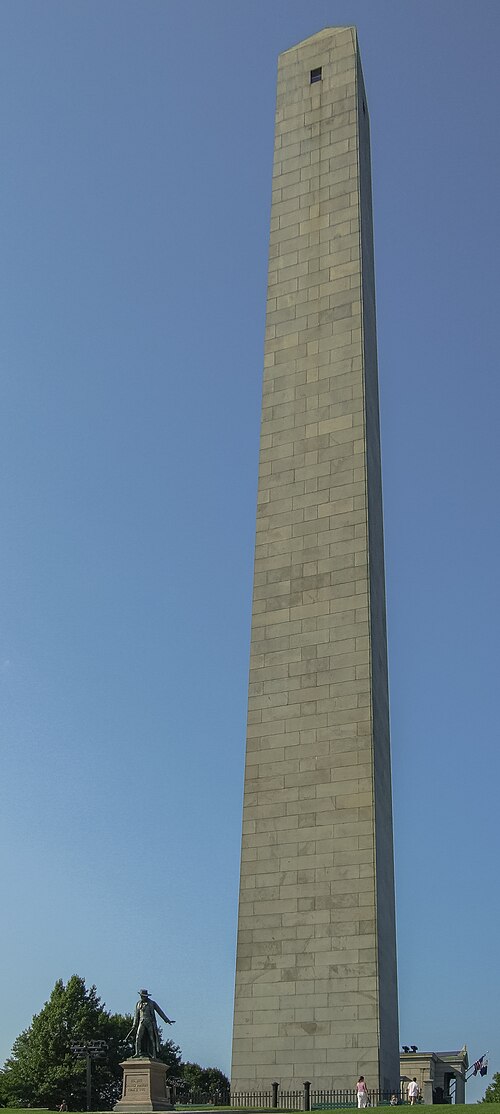
Bunker Hill Monument is a granite battle monument and Boston’s principal memorial to the Battle of Bunker Hill, standing above Charlestown as the final major stop of the Freedom Trail.
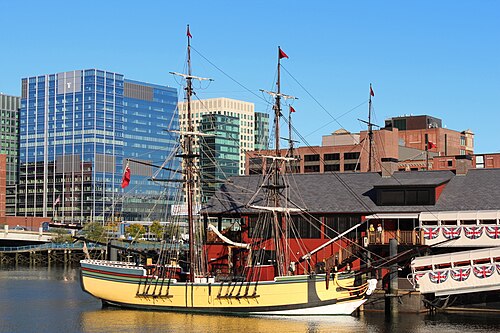
The Boston Tea Party Ships and Museum is an interactive heritage attraction located on the Fort Point Channel in Boston, Massachusetts.
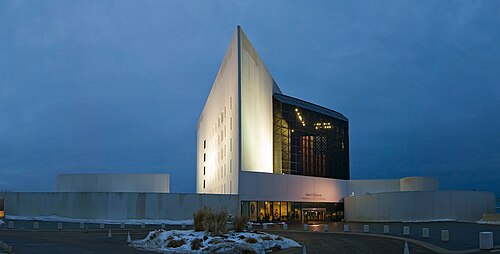
The John F. Kennedy Presidential Library and Museum is a National presidential library and museum located on Columbia Point in Boston. It serves as the official repository for documents and artifacts from the presidency of John F.
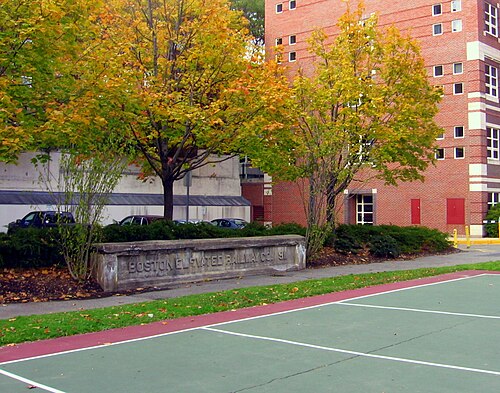
Harvard University is a private Ivy League research university in Cambridge, Massachusetts, adjacent to Boston. Established in 1636, it is the oldest institution of higher learning in the United States.
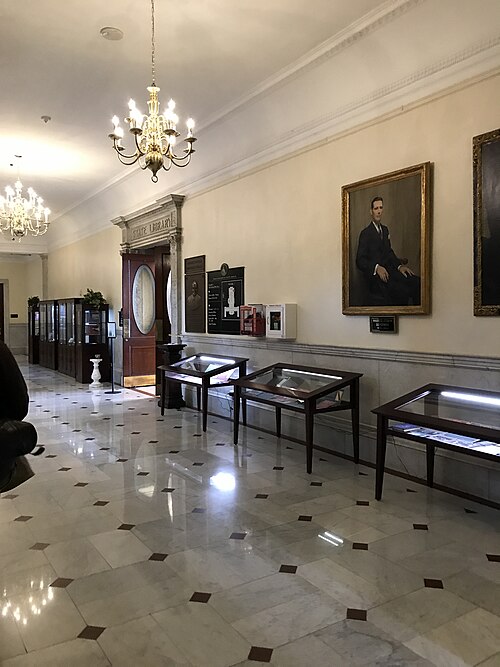
The Massachusetts State House serves as the seat of government for the Commonwealth of Massachusetts.
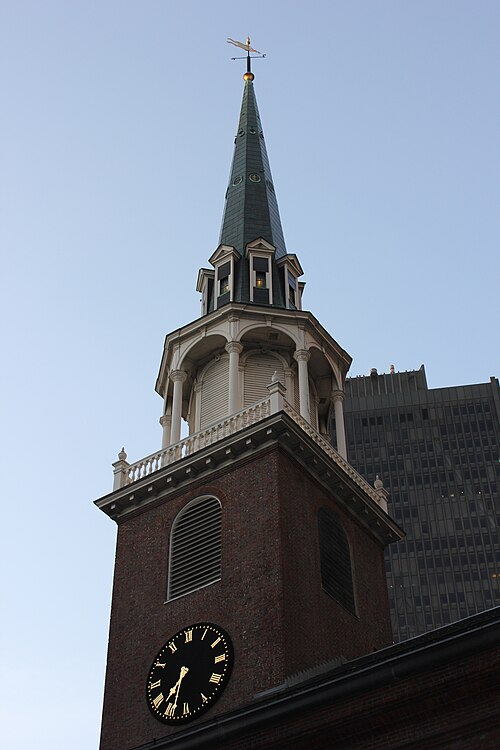
Old South Meeting House is a historic church building in Boston, Massachusetts. Built in 1729, it served as a Puritan meeting house and later became famous as a gathering place for political debate before the American Revolution.
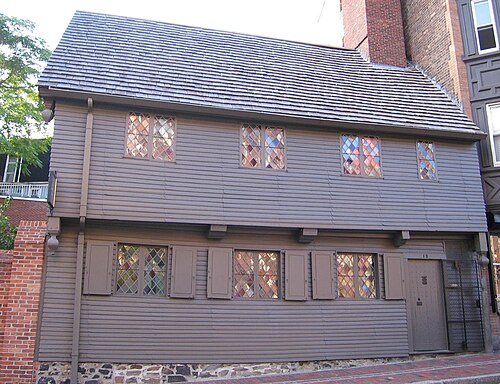
The Paul Revere House is Boston's best-preserved Revolutionary-era house museum. Built around 1680, this wooden structure in the North End is the oldest surviving building in downtown Boston.
The Museum of Science is a major science museum located in Boston, Massachusetts. It spans the Charles River, situated on a dam between Boston and Cambridge.

The Prudential Tower is a 52-story skyscraper in Boston's Back Bay neighborhood, completed in 1964 as part of the larger Prudential Center complex.
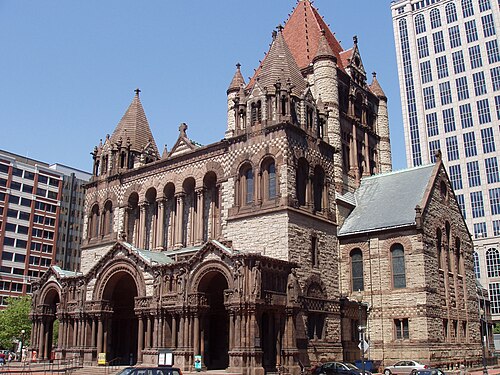
Trinity Church is a Richardsonian Romanesque landmark located on Copley Square in Boston. The building represents a significant example of 19th-century American church architecture, designed by Henry Hobson Richardson.
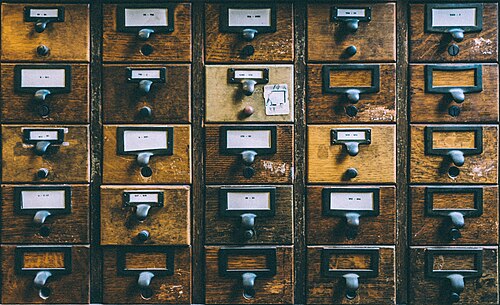
The Boston Public Library is a public library system serving Boston, Massachusetts. Its central facility includes the historic McKim Building, a Beaux-Arts structure opened in 1895 and designed by architect Charles Follen McKim.
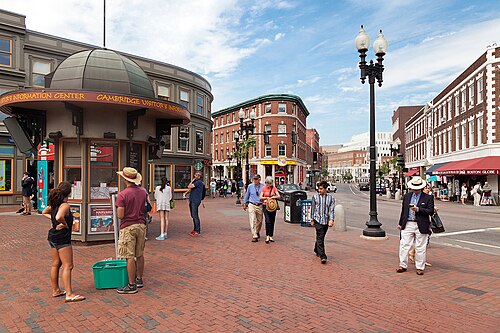
Harvard Square is a triangular plaza at the intersection of Massachusetts Avenue, Brattle Street, and John F. Kennedy Street in Cambridge, Massachusetts. It functions as the principal pedestrian and cultural hub surrounding Harvard University.

Massachusetts Institute of Technology is a private research university in Cambridge, Massachusetts, adjacent to Boston. Founded in 1861, it is globally recognized for leadership in science, engineering, and technology.
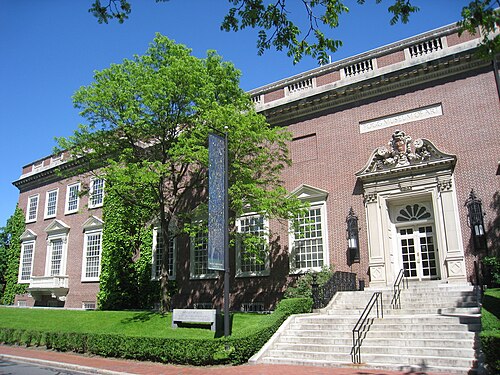
Harvard Art Museums is Harvard University's major public art collection and gallery complex in Cambridge, Massachusetts, adjacent to Boston. The institution brings together three formerly separate museums: the Fogg Museum, the Busch-Reisinger Museum, and the Arthur M.
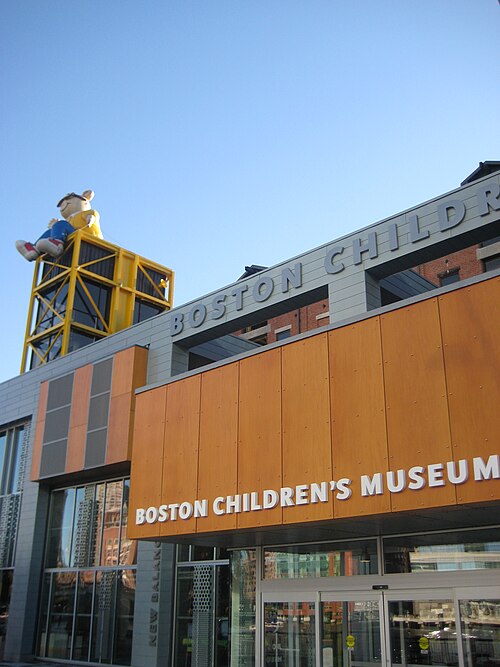
Boston Children's Museum is a major hands-on children's museum located on the Fort Point waterfront in Boston, Massachusetts.
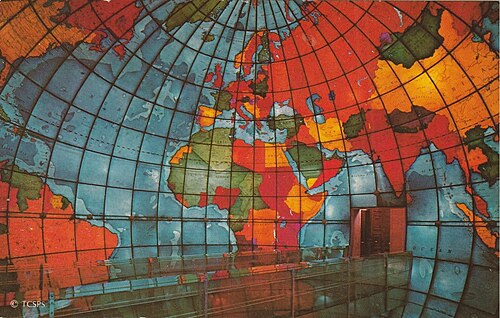
The Mapparium
Mapparium is a three-storey stained-glass globe inside the Christian Science complex in Boston’s Back Bay. Visitors enter the globe and stand within a world map, viewing countries, borders, and oceans from the inside of a hollow sphere.
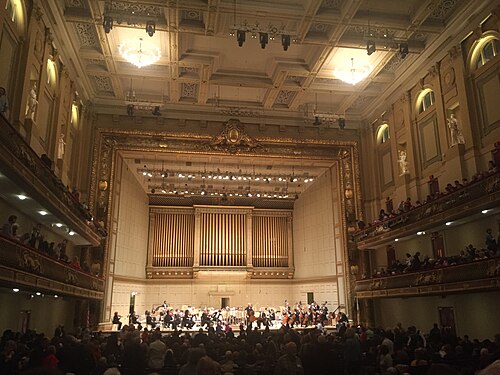
Symphony Hall is a concert hall in Boston, Massachusetts, serving as the home of the Boston Symphony Orchestra. The venue opened in 1900 and was designed by McKim, Mead & White.
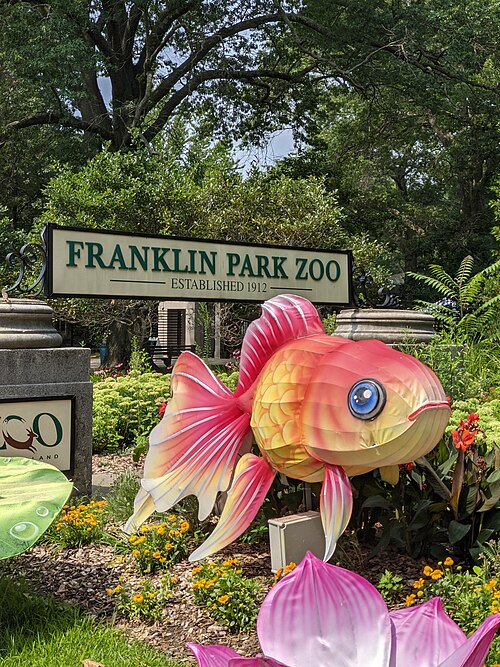
Franklin Park Zoo is Boston's principal zoological institution and a major family destination. Located within Franklin Park in the Dorchester and Roxbury neighborhoods, it occupies part of the historic Emerald Necklace park system designed by Frederick Law Olmsted.
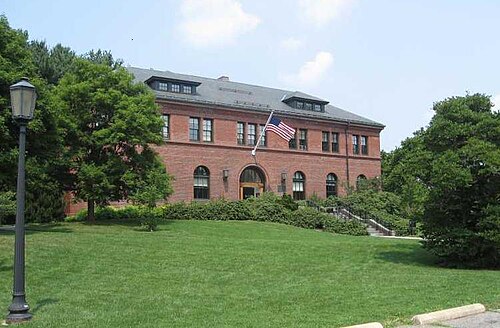
Arnold Arboretum is a botanical research institution and public park in Boston, Massachusetts. Established in 1872, it serves as Harvard University's living collection of woody plants.
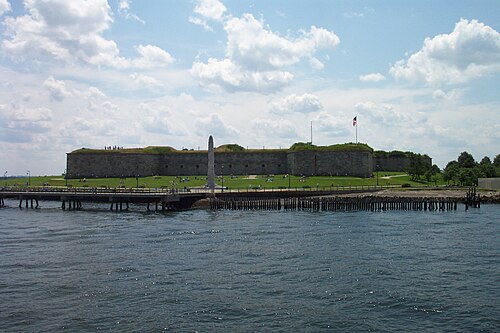
Castle Island is a 22-acre landmass connected to South Boston by a narrow causeway, forming a peninsula in Boston Harbor.
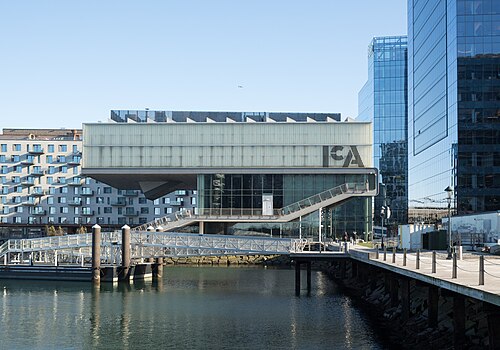
The Institute of Contemporary Art
The Institute of Contemporary Art is a prominent contemporary-art museum located on the Seaport waterfront in Boston. It serves as a major cultural institution dedicated to the exhibition and interpretation of contemporary art in various media.
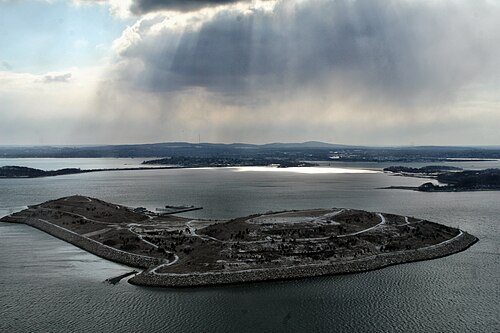
Spectacle Island is one of the Boston Harbor Islands, located in Massachusetts Bay. It is a publicly accessible island managed as part of the Boston Harbor Islands National and State Park.
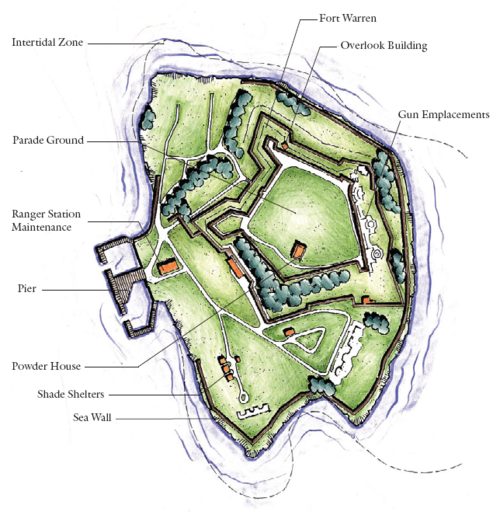
Georges Island is a harbor island in Boston Harbor, Massachusetts. The island is dominated by Fort Warren, a historic military fortification that played significant roles in American coastal defense.

The Charles River Esplanade is a central riverside park and outdoor-events landscape along the Boston shore of the Charles River. It functions as a linear public park system extending from the Boston Museum of Science to the Boston University Bridge.
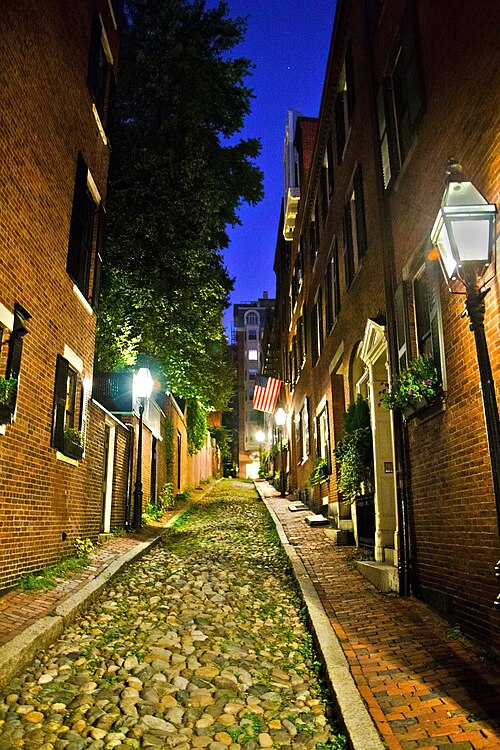
Acorn Street is a historic cobblestone lane in Boston's Beacon Hill neighborhood. It is widely regarded as one of the most photographed streets in the United States due to its distinctive Federal-style row houses, gas lamps, and narrow brick-paved thoroughfare.
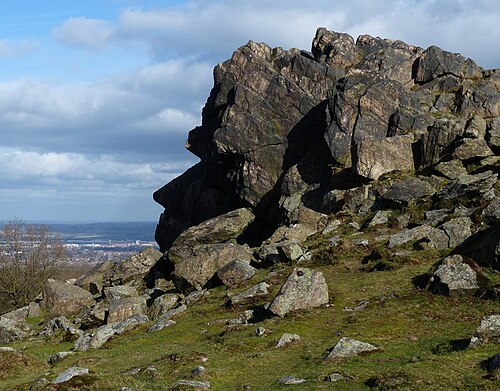
Beacon Hill is a historic residential neighbourhood in central Boston, Massachusetts. It sits directly north of Boston Common and the Boston Public Garden. The district is renowned for its well-preserved Federal-style rowhouses, narrow gaslit streets, and brick sidewalks.
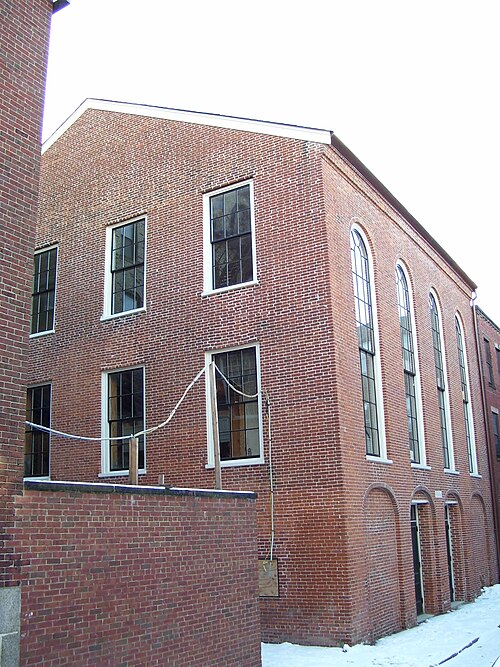
The African Meeting House is a historic church building on Beacon Hill in Boston, Massachusetts. Constructed in 1806, it is recognized as the oldest extant Black church building in the United States.
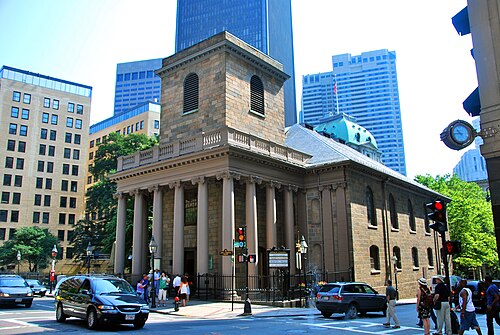
Kings Chapel
King's Chapel is a historic Anglican congregation in Boston, Massachusetts. Founded in 1686, it was the first Anglican church in New England during a period of Puritan dominance.
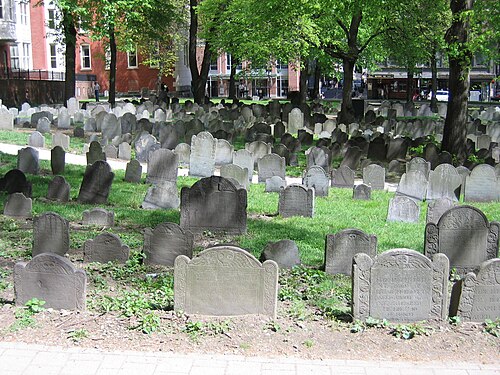
The Granary Burying Ground is a historic cemetery in Boston, Massachusetts. Established in 1660, it is the third-oldest cemetery in the city and holds significant importance in American history.
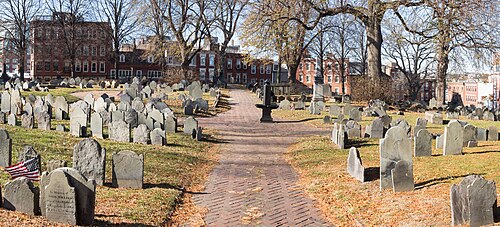
Copp's Hill Burying Ground is a historic colonial cemetery in Boston's North End. Established in 1659, it is the city's second-oldest burying ground.
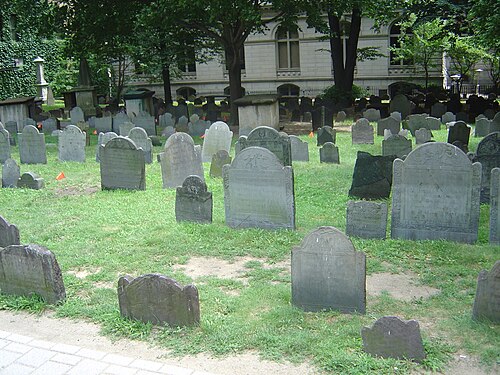
Kings Chapel Burying Ground
King's Chapel Burying Ground is Boston's oldest cemetery, established in 1630. It sits beside King's Chapel on Tremont Street along the Freedom Trail. The burying ground served as Boston's sole cemetery for three decades before additional burial grounds opened.
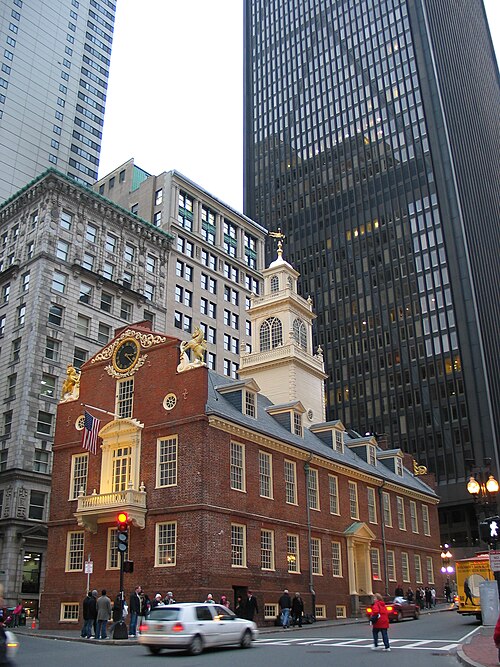
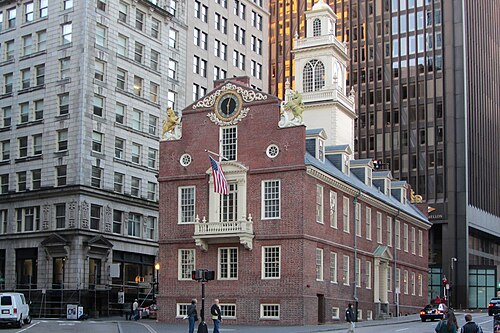
The Old State House is a historic colonial government building in Boston, Massachusetts. Constructed in 1713, it served as the seat of the Massachusetts colonial government and later the state government until 1798.
The Boston Massacre Site marks the location of the March 5, 1770 confrontation between British soldiers and colonists that resulted in five civilian deaths.
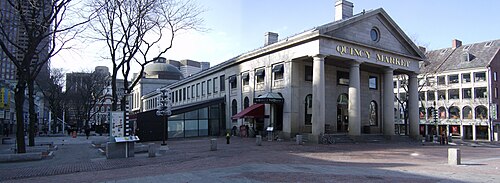
Quincy Market is a historic marketplace in downtown Boston, part of the larger Faneuil Hall Marketplace complex. Built in 1824-1826 and named after Mayor Josiah Quincy, it was designed by architect Alexander Parris.
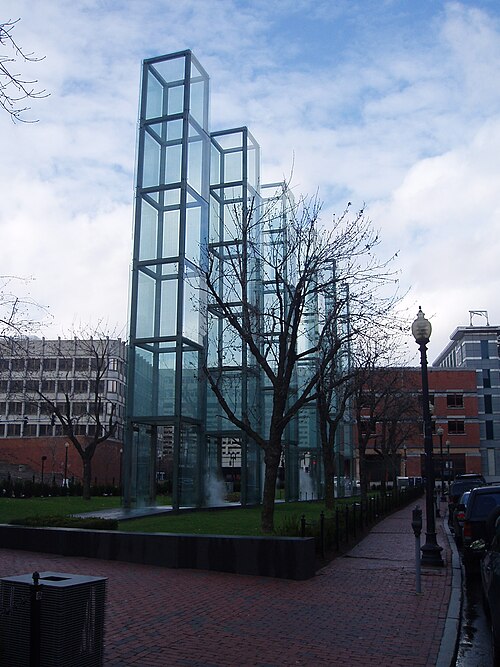
The New England Holocaust Memorial is a public memorial in Boston dedicated to the victims of the Holocaust. Located near Faneuil Hall and Union Street in the downtown area, it stands as a prominent civic memorial.
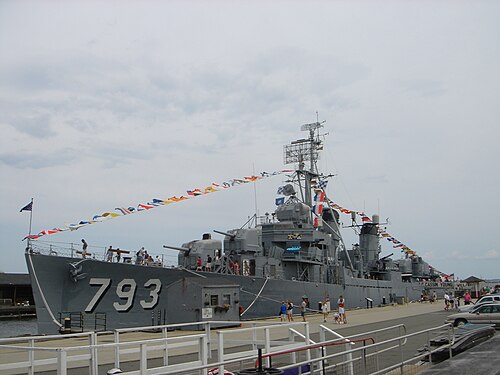
USS Cassin Young is a preserved Fletcher-class destroyer of the United States Navy, now a museum ship at Charlestown Navy Yard in Boston, Massachusetts. The vessel saw service in World War II and the Korean War.
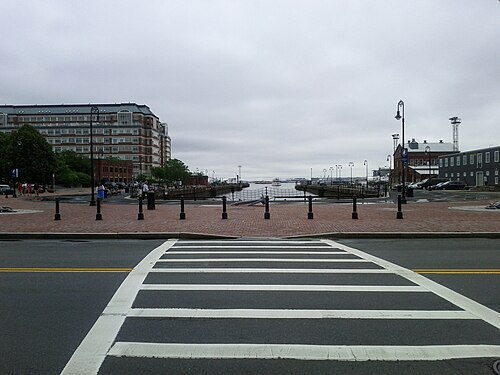
Charlestown Navy Yard is a historic naval shipyard in Boston, Massachusetts, operated as part of Boston National Historical Park by the National Park Service.
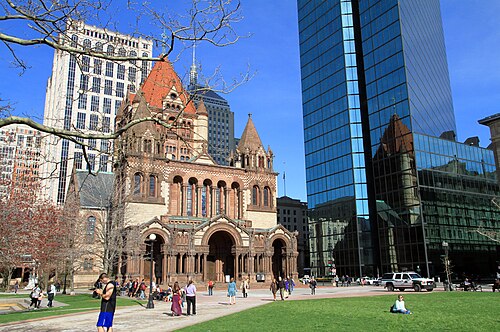
Copley Square is a public civic square in Boston's Back Bay neighborhood.
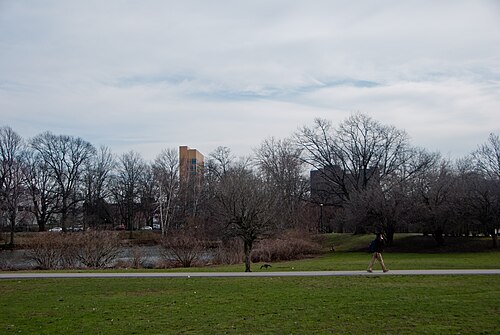
Back Bay Fens is a linear park in Boston's Emerald Necklace, the connected park system associated with landscape architect Frederick Law Olmsted.
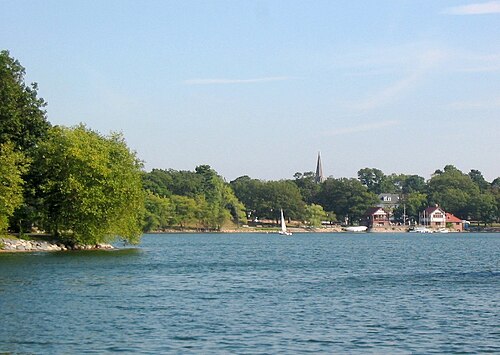
Jamaica Pond is a large freshwater pond in Boston, Massachusetts. It forms a significant part of Frederick Law Olmsted's Emerald Necklace, a chain of parks designed in the late nineteenth century.
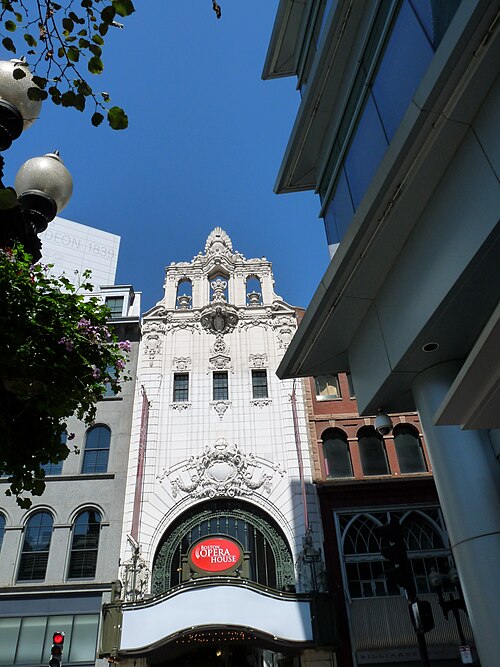
The Boston Opera House is a historic downtown theatre and major performance venue in Boston, Massachusetts. It stands as a significant cultural landmark in the city, hosting a variety of performing arts events.
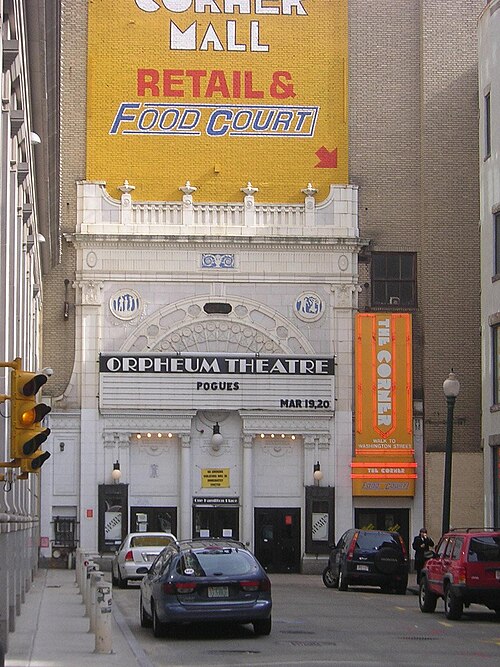
The Orpheum Theatre is a historic concert venue located in downtown Boston, Massachusetts. It ranks among the city's longest-running performance spaces, having served as a major entertainment destination for well over a century.
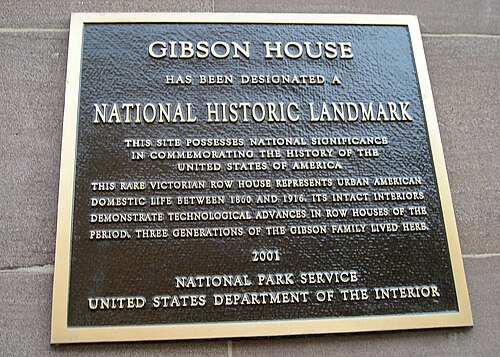
Gibson House
The Gibson House Museum is a preserved Back Bay townhouse in Boston. It stands as a historic house museum maintaining its original Victorian-era interior and exterior character.
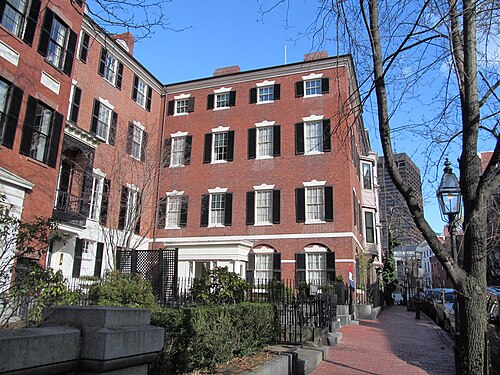
Nichols House Museum is a historic house museum in Boston’s Beacon Hill neighborhood. The former Nichols family residence preserves the domestic setting of a wealthy Boston household whose members lived in the house for nearly a century.
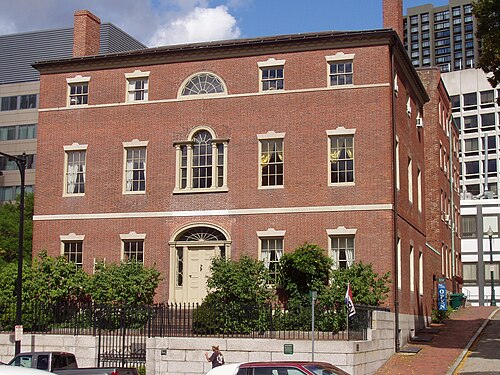
Otis House Museum
First Harrison Gray Otis House is a Federal-era house museum in Boston, associated with lawyer and politician Harrison Gray Otis.
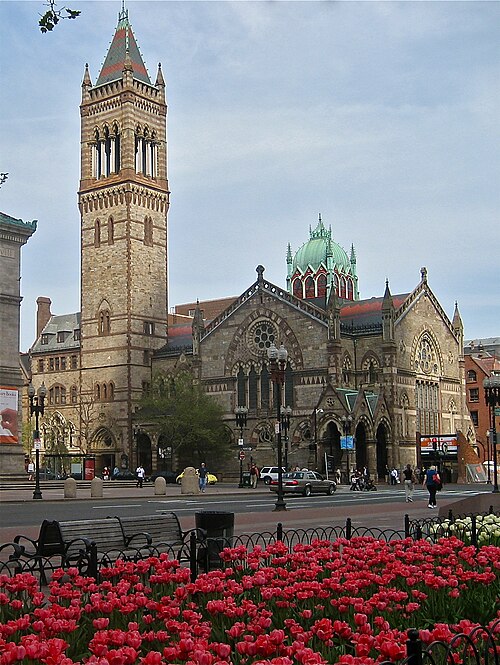
Old South Church is a prominent historic church located in Copley Square, Boston. It stands as a significant cultural landmark in the city, recognized for its distinctive architecture and its role in Boston's religious and civic history.
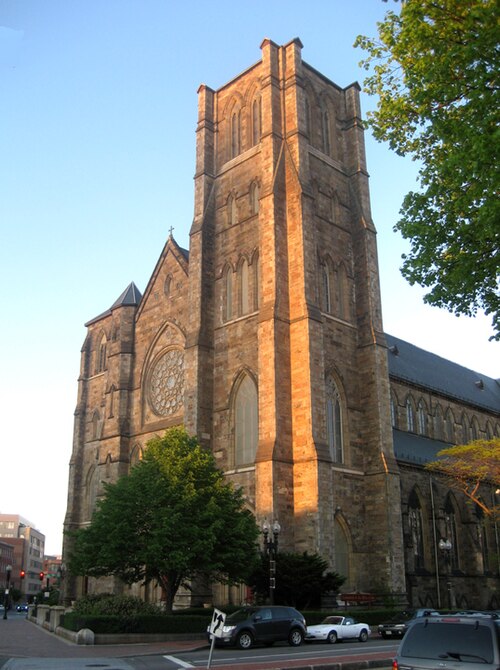
The Cathedral of the Holy Cross is the mother church of the Roman Catholic Archdiocese of Boston.
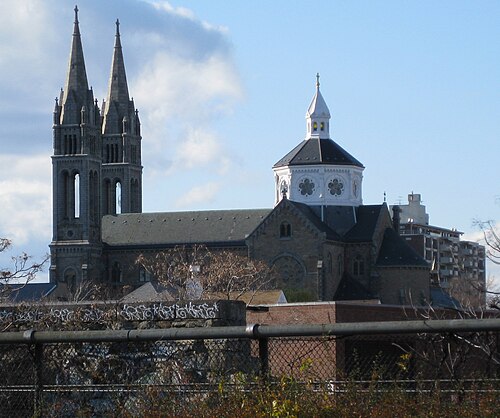
Basilica of Our Lady of Perpetual Hope
The Basilica and Shrine of Our Lady of Perpetual Help is a Roman Catholic basilica, parish church, and pilgrimage site in Boston.
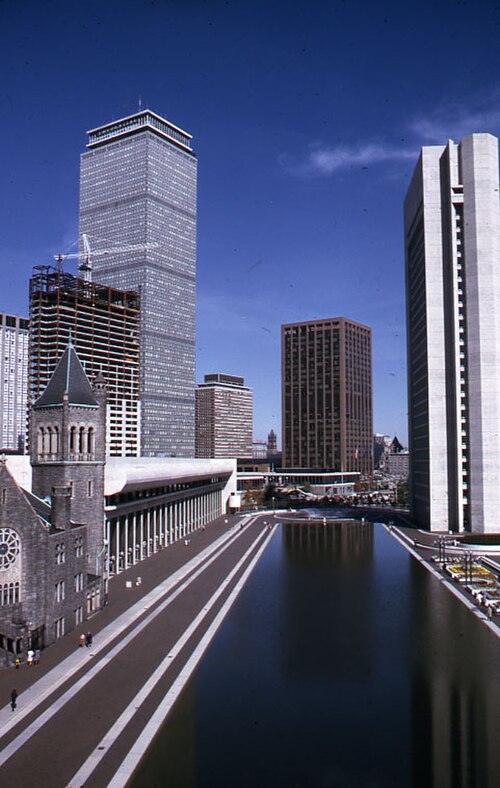
First Church of Christ Scientist
The First Church of Christ, Scientist is the mother church and administrative headquarters of the Christian Science denomination, founded by Mary Baker Eddy in 1879.
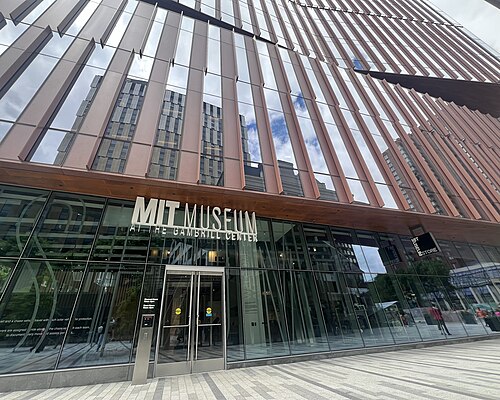
The MIT Museum is the public museum of the Massachusetts Institute of Technology, located in Cambridge, Massachusetts. It serves as MIT's primary venue for sharing its collections and research with the general public.

The Harvard Museum of Natural History is Harvard University's public natural-history museum, located in Cambridge, Massachusetts, near Boston.
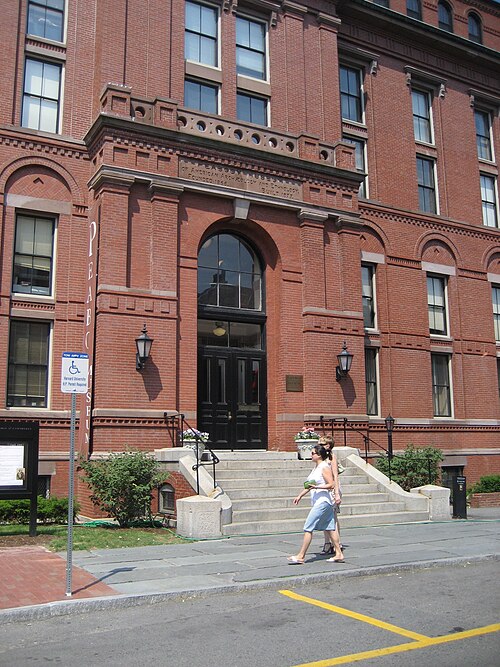
The Peabody Museum of Archaeology and Ethnology is a museum at Harvard University in Cambridge, Massachusetts, near Boston. Founded in 1866, it is one of the oldest museums devoted to anthropology in the world.
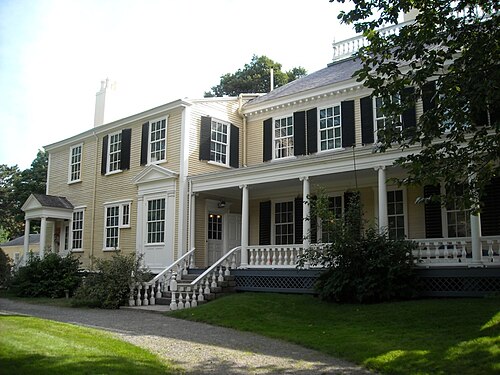
Longfellow House-Washington's Headquarters National Historic Site is a Georgian-style historic house in Cambridge, Massachusetts, across the Charles River from Boston. George Washington used the mansion as his headquarters during the Siege of Boston from 1775 to 1776.
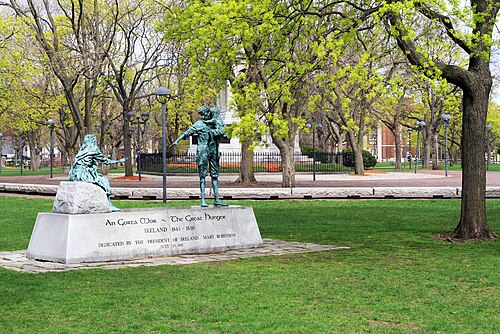
Cambridge Common is a historic public park in Cambridge, Massachusetts, adjacent to Harvard Square. The common has served as a communal gathering space since the colonial era and holds significance in American Revolutionary history.
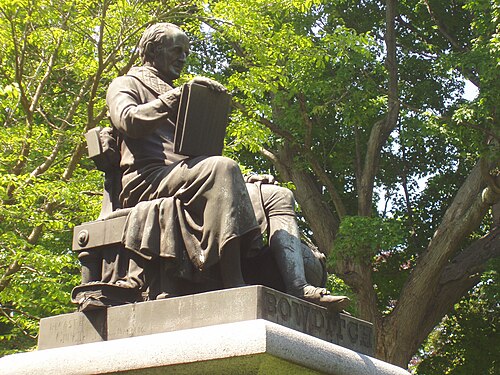
Mount Auburn Cemetery is a historic rural cemetery in Cambridge and Watertown, Massachusetts, near Boston. Established in 1831, it was the first garden cemetery in the United States and served as a model for the American rural cemetery movement.
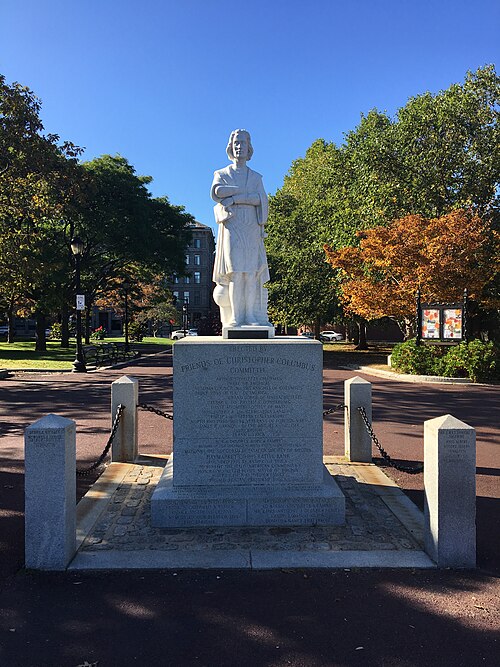
Christopher Columbus Waterfront Park
Christopher Columbus Waterfront Park is a public waterfront park in Boston's North End. It sits beside Boston Harbor and offers views toward the downtown skyline, making it a natural pause during a walk through the historic neighborhood.
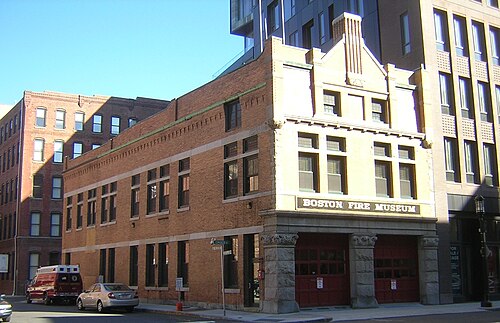
Boston Fire Museum occupies the historic Congress Street Fire Station near Boston's waterfront in South Boston. The museum preserves the history of one of America's oldest fire departments through antique apparatus, equipment, documents, and memorabilia.
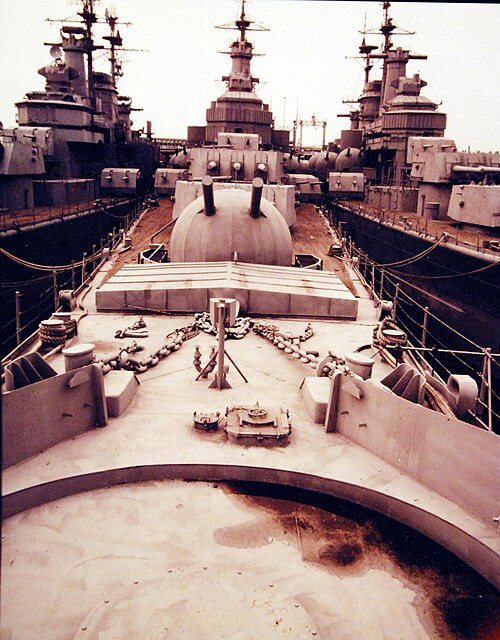
USS Salem is a preserved heavy cruiser museum ship located in Quincy, Massachusetts, near Boston. She is a Des Moines-class cruiser, the third of her class, and served in the United States Navy from 1949 to 1959.
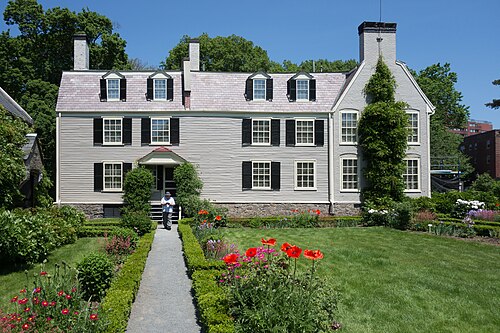
Adams National Historical Park is a National Park Service unit preserving the homes and grounds associated with the Adams family in Quincy, Massachusetts, within the Boston visitor-metro area.
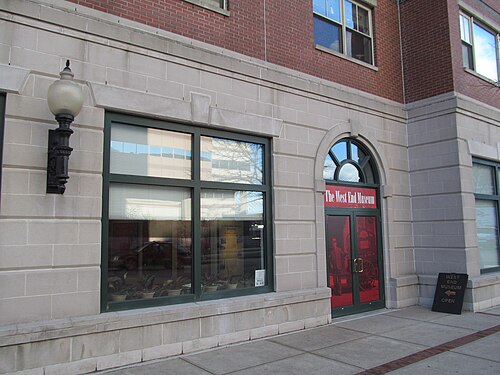
The West End Museum
The West End Museum is a neighborhood museum in Boston devoted to the history of the city's West End. Its central story is the transformation of a working-class immigrant neighborhood during urban renewal in the 1950s and 1960s.
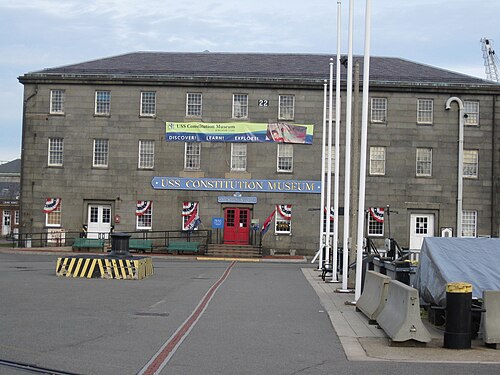
The USS Constitution Museum is a private, non-profit museum located in the Charlestown Navy Yard in Boston, Massachusetts. It interprets the history of USS Constitution, the world's oldest commissioned warship afloat, and the broader story of the Charlestown Navy Yard.
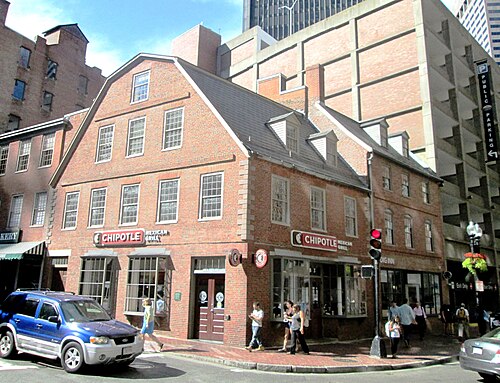
Old Corner Bookstore Building
The Old Corner Bookstore is a historic commercial building in downtown Boston, Massachusetts. It stands at the intersection of Washington and School Streets in the colonial core of the city.
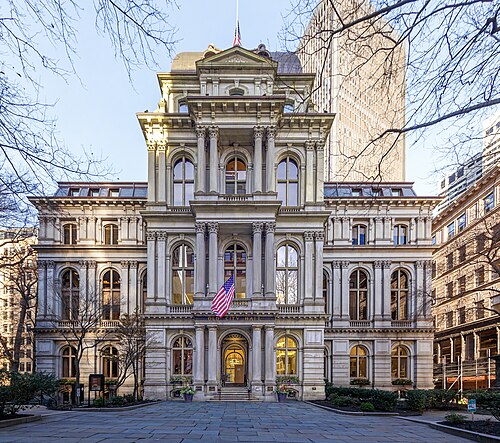
Old City Hall is a Second Empire architectural landmark on School Street in Boston. It served as the seat of municipal government from 1865 to 1969.

Armenian Heritage Park is a public memorial park in Boston dedicated to commemorating the Armenian genocide and celebrating the contributions of Armenian immigrants to Massachusetts.

The Lawn on D is an outdoor event space and lawn area in South Boston, Massachusetts. It is operated by Signature Boston, the convention center authority for the city.
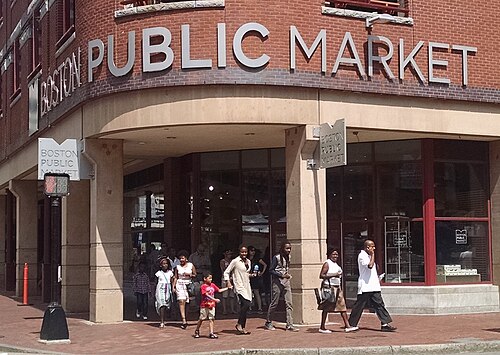
Boston Public Market is a year-round indoor marketplace in downtown Boston, Massachusetts. Opened in 2015, it was created as a permanent producer-focused market for New England food and drink.
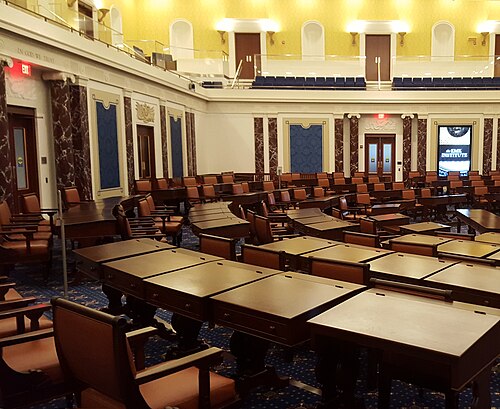
The Edward M. Kennedy Institute for the United States Senate is a civic-education institute located in Boston, Massachusetts. It stands beside the John F. Kennedy Presidential Library, forming a significant political heritage cluster on Columbia Point.
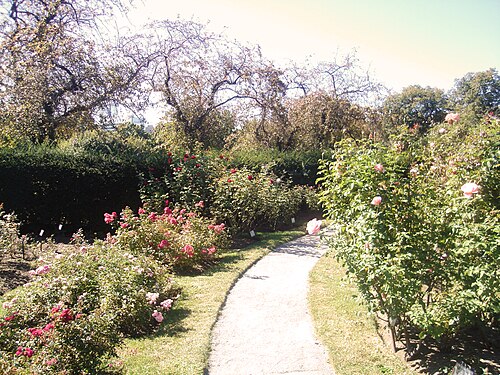
James P. Kelleher Rose Garden is a formal rose garden located within the Back Bay Fens in Boston, Massachusetts. It is part of the Emerald Necklace park system designed by Frederick Law Olmsted.
Source: OpenStreetMap contributors, Wikidata ·
Boston Common is the clearest orientation point. Beacon Hill rises to the north, Back Bay extends west along a regular grid, the North End and waterfront lie east, and the South End sits below the central core. Fenway is farther west and the Seaport lies across the Fort Point Channel. Cambridge and Somerville are separate cities but form part of the visitor geography through rapid-transit links across the Charles River.
Checked 2026-08-26
Walk through the historic centre and use the MBTA, locally called the T, for longer journeys. Subway lines connect downtown with Back Bay, Fenway, Cambridge and other neighbourhoods; buses and commuter rail extend the network, and the Silver Line links South Station, the Seaport and Logan Airport. Use the MBTA trip planner and current service alerts because diversions and accessibility conditions can change by station.
Checked 2026-08-26
A fixed stay length is not recorded. Plan the historic walking core first, then add Fenway, the Seaport, Cambridge or another neighbourhood according to your interests.
Yes. Boston Common, Beacon Hill, Downtown, the North End, Back Bay and much of the waterfront form a compact walking area, though outer districts need transit.
The T is the local name for the MBTA public transport network. Its subway, bus, commuter rail and ferry services connect the centre with the wider region.
No. Cambridge is a separate city across the Charles River, but rapid transit makes it part of the practical visitor geography for museums, universities and neighbourhood visits.
The Silver Line links Logan Airport with the Seaport and South Station. Check the MBTA trip planner for the current route, connection and accessibility information.