.jpg)
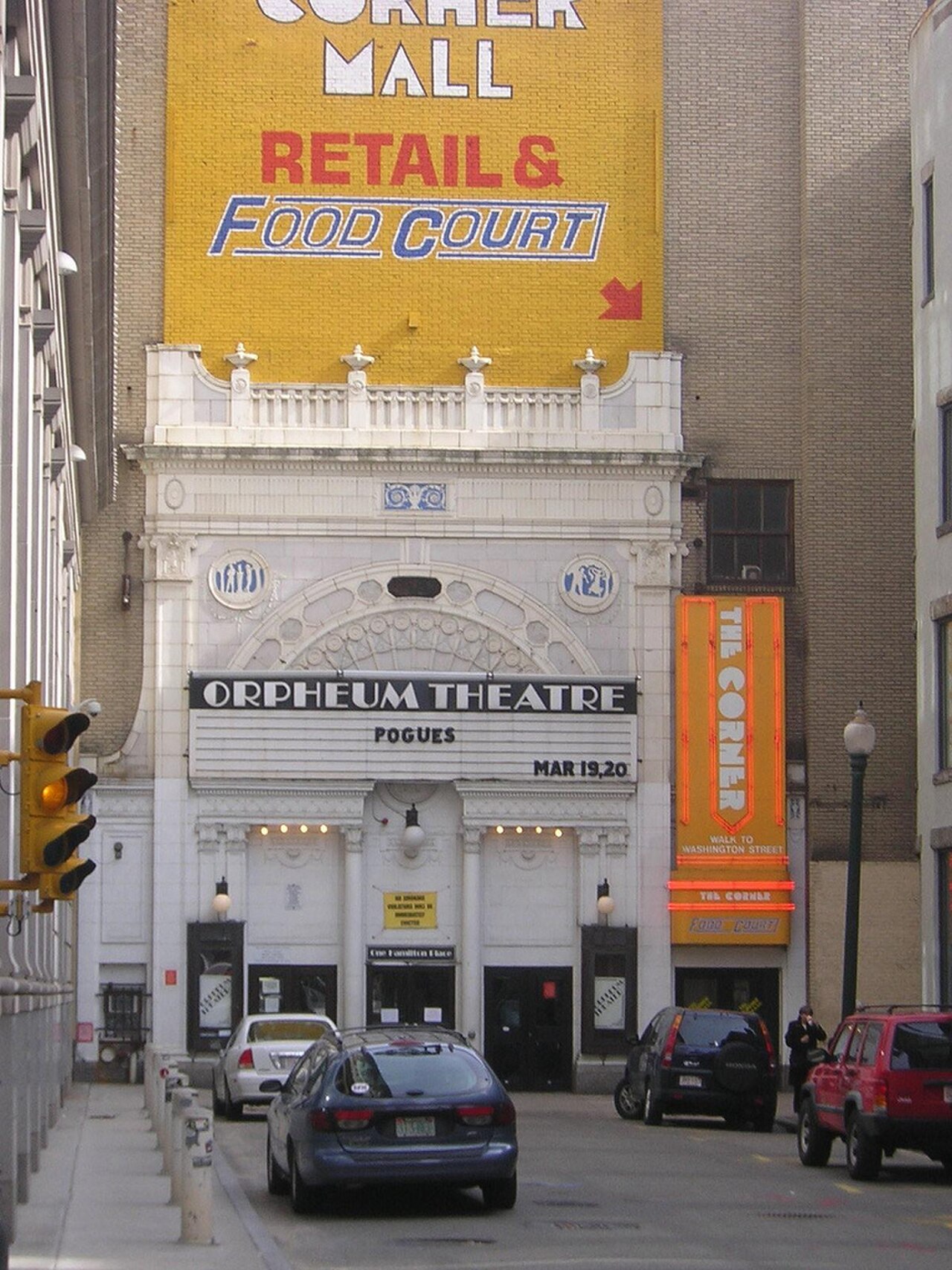
2 min walk
Orpheum Theatre
- Must see
- Historic monument
Historic monument · Boston
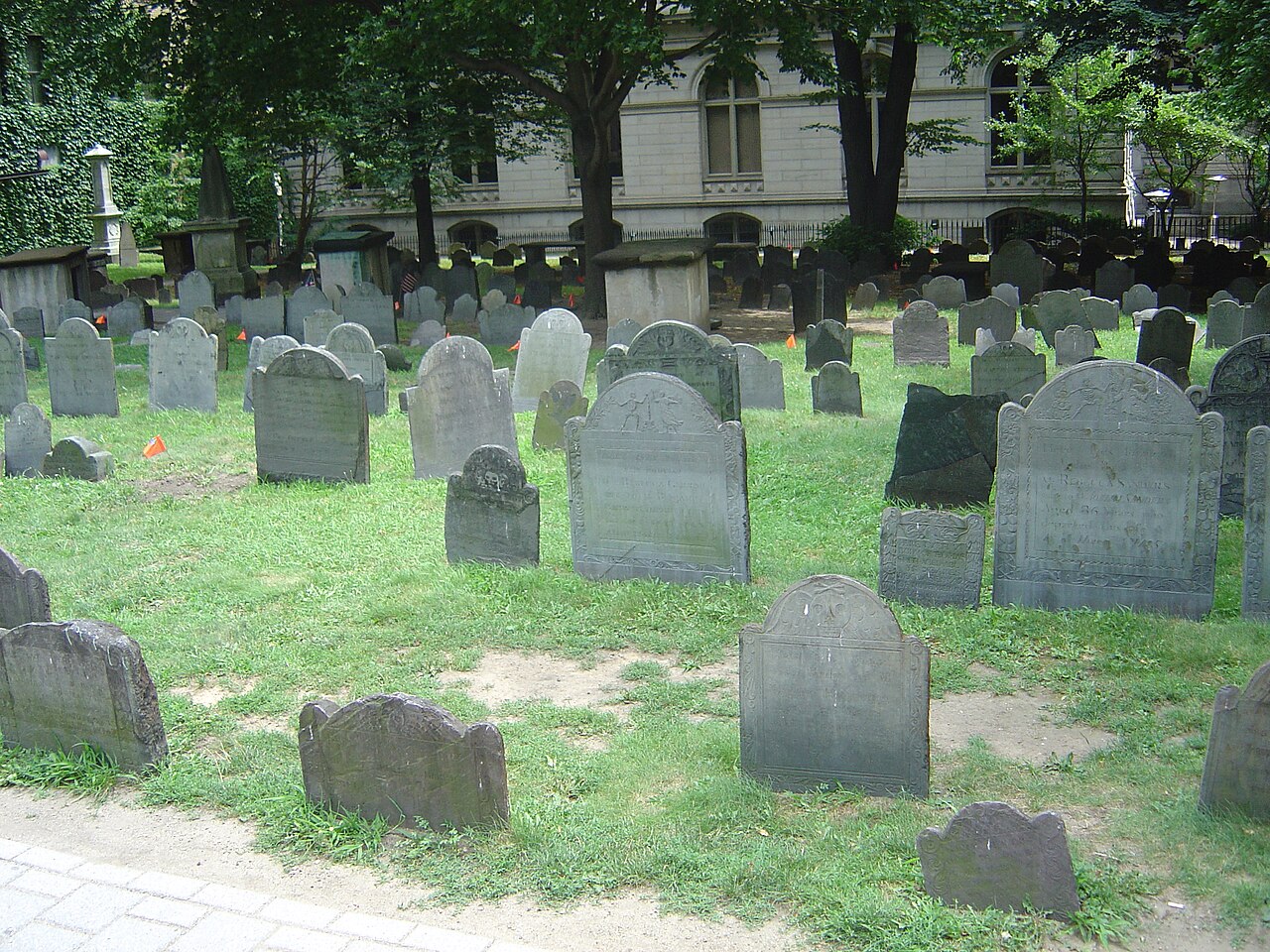
The Granary Burying Ground is a historic cemetery in Boston, Massachusetts. Established in 1660, it is the third-oldest cemetery in the city and holds significant importance in American history. The burial ground is located on Tremont Street and forms part of the Freedom Trail. Its name derives from a grain storage building that once stood on the site of the present-day Park Street Church. The cemetery contains approximately 2,345 grave markers, though historians estimate over 5,000 people were buried there. It serves as the final resting place for numerous prominent figures from the American Revolutionary period.
Checked 2026-08-26
The cemetery contains the graves of several major Revolutionary War-era figures. Notable burials include Paul Revere, the famous midnight rider; Samuel Adams, a signer of the Declaration of Independence; John Hancock, the first signer of the Declaration; and victims of the Boston Massacre. The grave markers range from simple slate stones to more elaborate monuments. The Franklin family obelisk honors Benjamin Franklin's parents, though Franklin himself is buried in Philadelphia. The cemetery features characteristic colonial-era gravestone art, including winged skulls and cherubim. Many stones show significant weathering from centuries of exposure to New England's climate conditions.
Checked 2026-08-26
Visitors typically spend between thirty minutes and one hour exploring the Granary Burying Ground. The site is relatively compact, covering approximately two acres, which limits the physical area to traverse. History enthusiasts and those tracing genealogical connections may wish to spend additional time reading individual grave inscriptions and locating specific monuments. The Freedom Trail context means many visitors combine this stop with adjacent historical sites, affecting overall duration. Self-guided exploration allows personal pacing. No guided tours originate specifically from this location, though Freedom Trail walking tours incorporate the burial ground into broader itineraries covering multiple Revolutionary-era landmarks in central Boston.
Checked 2026-08-26
Visitors should consult official city sources or on-site signage for current accessibility before planning their visit. Seasonal variations in New England weather affect the visitor experience significantly. Winter months bring snow and ice that may make pathways hazardous. Spring and autumn offer generally comfortable temperatures for outdoor exploration. Summer represents peak tourist season in Boston, with correspondingly higher visitor numbers at this Freedom Trail site. Morning visits may offer relative quiet compared to afternoon periods when walking tours converge at this location. Weather-appropriate footwear is advisable year-round given uneven historical pathways. Check the operator's own site for the travel date before relying on a schedule or fare.
Checked 2026-08-26
The Granary Burying Ground has historically been accessible without admission charge as a public cemetery maintained by the City of Boston. Visitors should verify current access policies through official municipal channels, as circumstances may change. No advance booking systems are known to operate for this open-air site. Donation boxes or voluntary contribution mechanisms may exist for maintenance purposes. Commercial tour operators offering Freedom Trail walks charge for their services separately from any site-specific access. Visitors should exercise caution regarding unofficial solicitors claiming to represent the burial ground or requiring payment for entry. Check the operator's own site for the travel date before relying on a schedule or fare.
Checked 2026-08-26
The burial ground occupies a central location in downtown Boston, accessible via multiple public transportation options. The Park Street subway station, serving the Green and Red lines of the MBTA, stands immediately adjacent. Multiple bus routes serve the surrounding area. Walking from other Freedom Trail sites is practical given the compact nature of Boston's historic core. Driving presents challenges due to limited and expensive parking in this congested district. Visitors arriving by vehicle should research commercial parking facilities in advance. The site lacks dedicated parking. Bicycle lanes exist on surrounding streets, though secure bicycle parking at the site itself is not recorded.
Checked 2026-08-26
Pathway surfaces throughout the cemetery are uneven, featuring original and restored historic materials that present tripping hazards. Visitors should watch their footing diligently, particularly in dim light or adverse weather. Gravestones are fragile historical artifacts; climbing, leaning, or touching markers causes irreversible damage. The compact site can become crowded during peak periods, complicating movement and photography. No shelter exists from rain or intense sun. Security presence is minimal; visitors should maintain awareness of personal belongings. The adjacent Tremont Street generates significant traffic noise that diminishes the contemplative atmosphere one might expect. Respectful conduct is essential given the site's funerary purpose and national historical significance.
Checked 2026-08-26
Photography for personal use appears generally permitted throughout the burial ground. Commercial or professional photography may require permits from municipal authorities; specific requirements are not recorded. The dense arrangement of gravestones and mature trees creates variable lighting conditions that challenge photographers. Midday sun produces harsh shadows; overcast conditions may yield more even illumination. The wrought-iron fence and gate along Tremont Street offer exterior framing possibilities. Interior shots require careful composition to exclude modern intrusions and other visitors during busy periods. Tripod use may attract scrutiny or restriction given pathway width and visitor flow considerations. Drone operation would require compliance with city ordinances and FAA regulations.
Checked 2026-08-26
The site has historically been publicly accessible without charge, but visitors should verify current policies through official city sources. Check the operator's own site for the travel date before relying on a schedule or fare.
Most visitors spend thirty minutes to one hour. The compact two-acre site permits efficient exploration, though history enthusiasts may prefer extended time reading inscriptions.
The historic pathways feature uneven surfaces that present challenges. Cautious visitor judgement suggests assessing conditions personally, as specific accessibility accommodations are not recorded.
No dedicated tours originate from this location. It is incorporated into broader Freedom Trail walking tours operated by commercial providers and self-guided itinerary options.
Documented burials include Paul Revere, Samuel Adams, John Hancock, and Boston Massacre victims. Benjamin Franklin's parents are commemorated here, though he is interred in Philadelphia.
As an outdoor municipal site, seasonal weather conditions affect accessibility and visitor experience regardless of formal open status.
Loading the interactive map…
The interactive map could not be loaded.
Last updated:
Source: OpenStreetMap contributors, Wikidata ·