
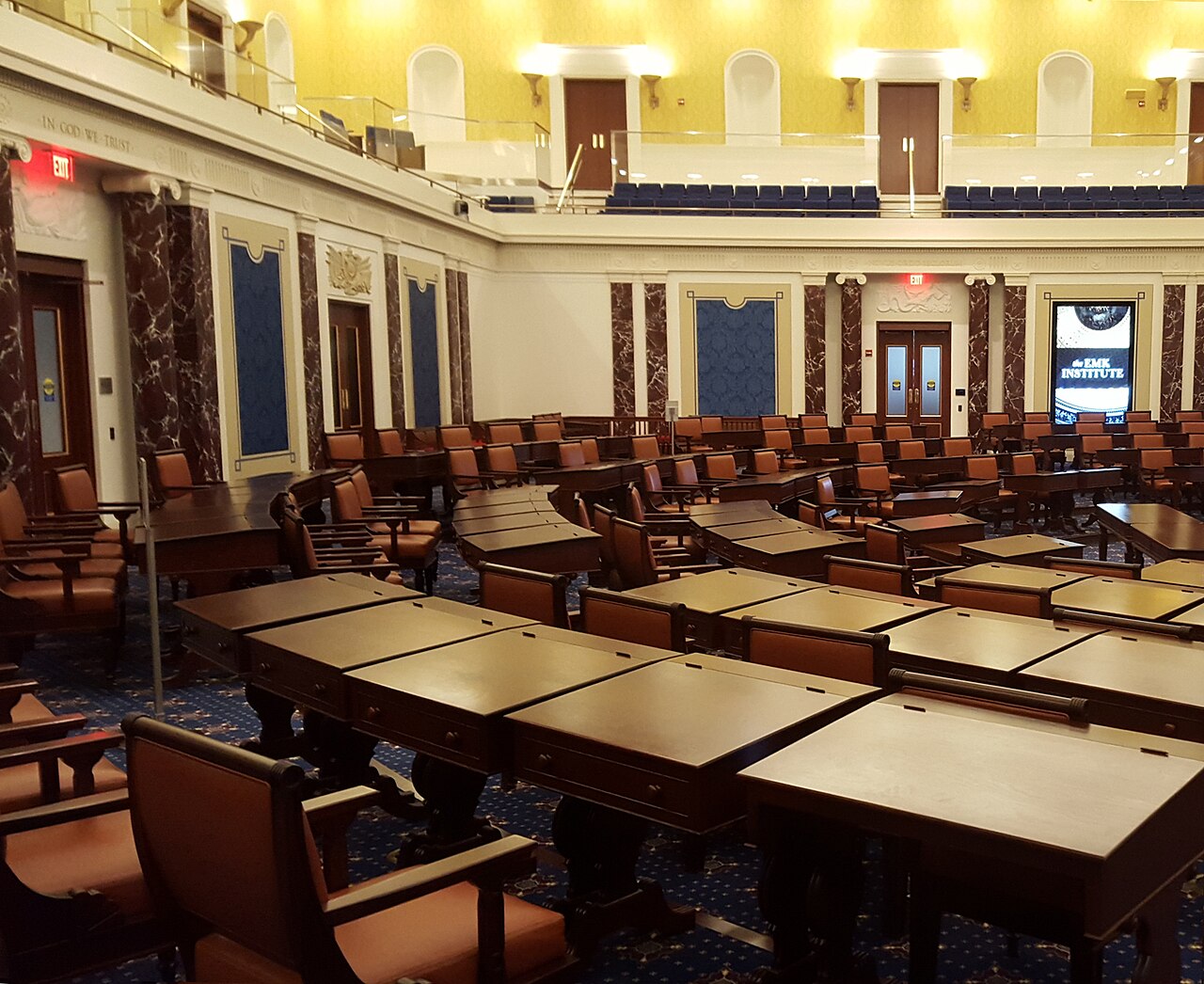
2 min walk
Edward M. Kennedy Institute for the United States Senate
- High
- Museum
Museum · Boston
| Monday | 10:00 – 17:00 |
|---|---|
| Tuesday | 10:00 – 17:00 |
| Wednesday | 10:00 – 17:00 |
| Thursday | 10:00 – 17:00 |
| Friday | 10:00 – 17:00 |
| Saturday | 10:00 – 17:00 |
| Sunday | 10:00 – 17:00 |
Checked 2026-08-31 · Source
| Per person | $24.00 |
|---|
Checked 2026-08-31 · Source
Read from the OpenStreetMap access tags; anything not listed has no tag recorded.
Set the group type to family in the planner and the day window contracts to about three quarters of a solo day.
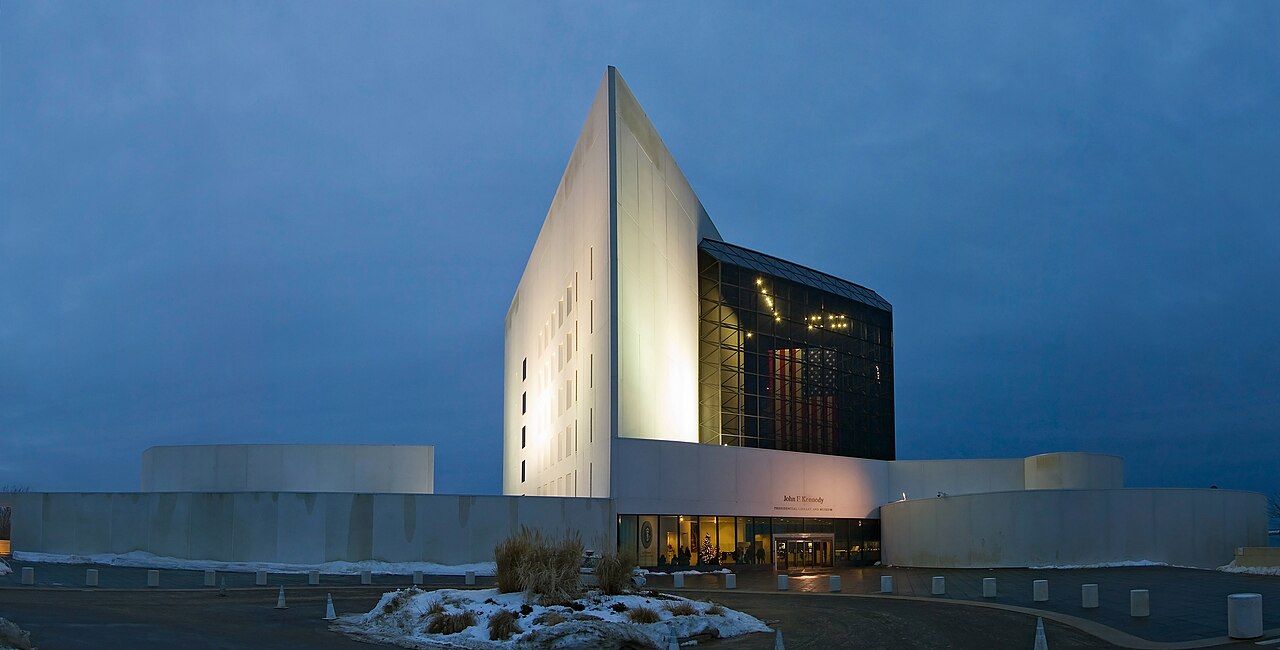
The John F. Kennedy Presidential Library and Museum is a National presidential library and museum located on Columbia Point in Boston. It serves as the official repository for documents and artifacts from the presidency of John F. Kennedy, the 35th President of the United States. The institution is dedicated to preserving historical materials and making them accessible to the public for research and education. The building itself is a notable architectural landmark designed by I. M. Pei, situated on a peninsula extending into Dorchester Bay with views of the Boston skyline and harbor.
Checked 2026-08-31 · Source
The museum contains exhibits related to John F. Kennedy's life, career, and presidency. Visitors can explore permanent displays featuring campaign memorabilia, presidential artifacts, and multimedia presentations. The collection includes documents, photographs, and personal effects that illuminate the Kennedy era. The facility also houses research archives available to scholars and the public. Notable features include recreated settings from the Kennedy White House and exhibits addressing major events of the administration. The library continues to develop programming and rotating displays that engage visitors with twentieth-century American political history.
Checked 2026-08-31 · Source
Most visitors spend approximately two to three hours exploring the museum's exhibits and grounds. The duration depends on individual interest in detailed historical content and archival materials. Those engaging with audio components or temporary exhibitions may require additional time. The outdoor spaces, including the waterfront location and memorial areas, warrant separate consideration for visitors wishing to experience the full setting. Research visitors accessing archival collections should plan substantially longer visits, potentially full days, and must arrange access according to institutional policies. School groups and organized tours typically follow structured schedules of ninety minutes to two hours.
Checked 2026-08-31 · Source
Daily 10:00–17:00. Walk-up tickets are available until 16:15; arrival before 15:30 is recommended. Closed January 1, Thanksgiving Day (November 26, 2026), and December 25. Closes at 14:00 on November 25, December 24, and December 31, with regular admission ending at 12:30 on those dates. The seasonal patterns of Boston tourism suggest that summer months and holiday weekends typically experience higher attendance at presidential libraries and museums. Weekday mornings generally offer quieter conditions for contemplative examination of exhibits. Winter visits may provide more solitary engagement with materials though weather conditions on Columbia Point can be exposed to harbor winds. Academic calendars influence researcher traffic. Special commemorative dates related to President Kennedy naturally attract increased visitation and potential programming.
Checked 2026-08-31 · Source
General adult admission is USD 24 for visitors aged 18–61. Visitors should verify current admission policies directly with the institution. Presidential libraries typically operate with tiered pricing structures distinguishing adults, seniors, students, and children, with frequent provisions for military personnel and members. Institutional membership programs generally offer reciprocal benefits across the national presidential library system. Group rates and educational programming may require advance reservation. Some federal holiday observances or anniversary commemorations might feature modified access arrangements. Research access to archival materials customarily operates under separate protocols from public museum admission, sometimes requiring pre-registration.
Checked 2026-08-31 · Source
Take the MBTA Red Line to JFK/UMass station, follow signs to the ground-level bus shelters, and board UMass Boston’s free Paul Revere Route 1 shuttle. Alight at Kennedy/Archives, at University Drive North and Columbia Point, opposite the Edward M. Kennedy Institute for the Senate. Museum parking is free but limited. The library occupies Columbia Point, a peninsula in the Dorchester neighborhood of Boston. Public transportation via the Massachusetts Bay Transportation Authority provides access through the JFK/UMass station on the Red Line, followed by connecting bus service or walking. Vehicle access follows Morrissey Boulevard to the peninsula. The location presents some complexity for first-time visitors due to the campus setting shared with the University of Massachusetts Boston. Signage directs visitors through the university area to the dedicated library entrance. Parking facilities serve private vehicles.
Checked 2026-08-31 · Source
All museum events are wheelchair accessible. Power-assisted doors and elevators serve the exhibit galleries. Lobby-level bathrooms are wheelchair accessible and have power-assisted doors. Manual wheelchairs are available from the Visitor Admission Desk on a first-come, first-served basis; personal walkers, wheelchairs, and scooters are welcome. The parking lot has 14 accessible spaces, and visitors with mobility needs may be dropped off at the building entrance. Seating is provided throughout the exhibits. The Columbia Point location exposes visitors to harbor weather patterns including wind and limited shelter during approaches. The university campus context requires attention to directional signage distinguishing library access from institutional buildings. Security screening applies to all entrants given the federal nature of presidential libraries. Bag restrictions may apply for research access versus public museum areas.
Checked 2026-08-31 · Source
Photography policies at presidential libraries typically restrict flash photography, tripod usage, and imaging of specific documents or artifacts for preservation and security reasons. Visitors should expect variable permissions between permanent galleries, temporary exhibitions, and archival research spaces. Commercial or publication photography generally requires explicit institutional authorization. The architectural exterior and harbor setting offer unrestricted photographic opportunities. Visitors should observe posted restrictions and staff guidance regarding specific prohibitions. Reproduction of collection materials for research purposes follows formal application procedures. Personal non-flash photography in designated public areas is commonly permitted though subject to modification based on exhibition loan agreements or security protocols.
Checked 2026-08-31 · Source
No. Tickets are sold on site and online in advance; walk-up tickets are available until 16:15.
The museum recommends arriving before 15:30 because the galleries close promptly at 17:00.
Every visitor passes through a metal detector, and security officers search all permitted bags.
No. Large bags and backpacks are prohibited. Each visitor may carry one purse or diaper bag no larger than 17 × 26 inches (43 × 66 centimeters).
Photography is encouraged unless exhibit signage says otherwise, but flash, tripods, selfie sticks, and drones are prohibited.
Yes. An unmonitored self-service coat room for coats and jackets is beside the public bathrooms on the lobby level.
Loading the interactive map…
The interactive map could not be loaded.

Last updated:
Source: OpenStreetMap contributors, Wikidata ·