
40 min walk
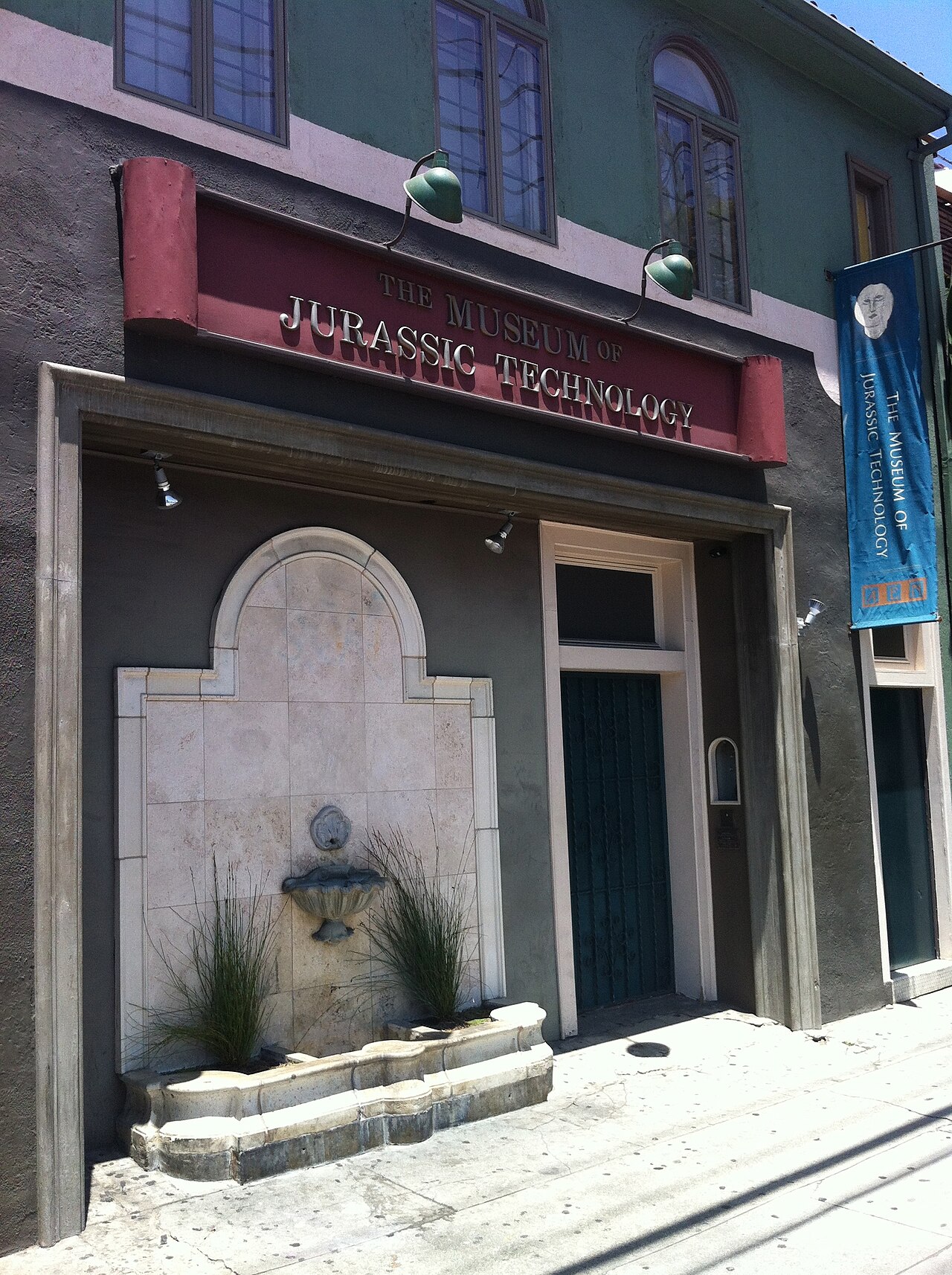
Museum of Jurassic Technology
- Must see
- Museum
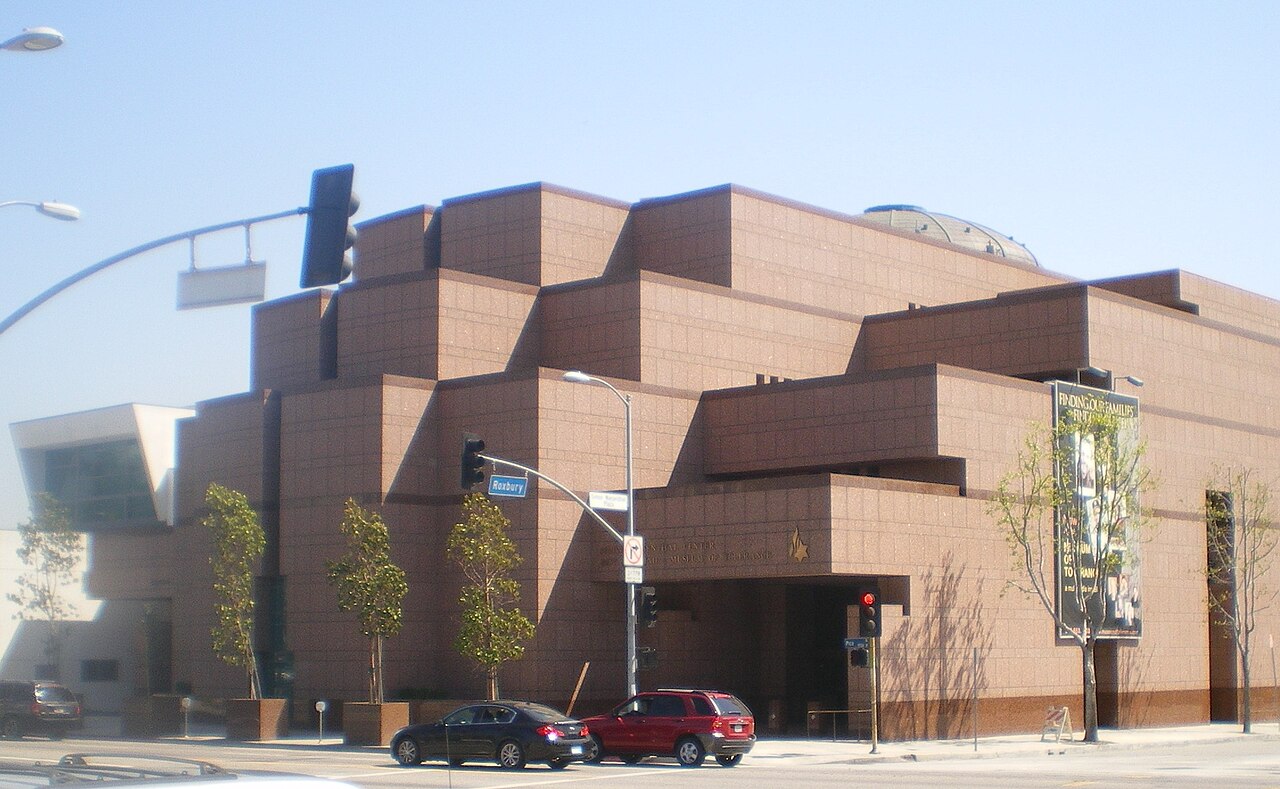
Museum · Los Angeles
The Museum of Tolerance in Los Angeles is a Holocaust and human-rights museum in the Pico-Robertson neighbourhood. Its exhibitions connect the history of the Holocaust with wider questions about prejudice, racism, discrimination and social justice. Multimedia presentation, survivor testimony and interactive learning make it an educational visit as well as a memorial experience. The museum suits travellers seeking thoughtful historical context rather than a light sightseeing stop. The Museum of Tolerance is a Holocaust and human-rights museum located in Los Angeles, California. It focuses on the history of the Holocaust and examines contemporary issues of prejudice and discrimination worldwide. The museum serves as both an educational institution and a memorial, aiming to promote understanding and respect among diverse communities. It features multimedia exhibits, interactive displays, and historical artifacts. The institution holds national educational significance in the United States for its approach to teaching tolerance and social justice through historical examination. The museum addresses the Holocaust and human rights violations through intense historical material. Parental discretion is strongly advised. Some exhibits contain graphic content about genocide and discrimination. Age recommendations should be verified directly with the museum. Interactive elements exist but emotional preparedness varies by child. Adult guidance is essential throughout.
Checked 2026-08-26 · Source
The museum’s displays include Holocaust history, historical documentation, survivor accounts and material about human rights. Interactive elements ask visitors to engage with discrimination, hate crimes and the consequences of intolerance. The institution also examines racism and other forms of prejudice beyond antisemitism. Permanent interpretation is complemented by rotating special exhibitions and educational programmes for schools and professional groups. Expect a technology-rich presentation shaped around personal stories and difficult evidence. The museum contains exhibits dedicated to the Holocaust, including historical documentation, survivor testimonies, and educational displays. Interactive elements allow visitors to engage with material about discrimination, hate crimes, and human rights. The institution addresses multiple forms of intolerance beyond antisemitism, examining racism and other prejudices. Special exhibitions rotate periodically. The museum incorporates technology-driven presentations and personal narrative accounts. Educational programming extends to school groups and professional development.
Checked 2026-08-26 · Source
Set aside several hours if you want to follow the Holocaust material carefully and spend time with the interactive and human-rights displays. The visit is self-paced, so a shorter stop is possible, but rushing reduces the meaning of testimony and historical context. School groups and organised educational visits may move through a planned schedule. Build in quiet time afterwards, since the subject matter can be emotionally demanding. Visitor duration varies substantially based on individual engagement with interactive components and multimedia presentations.
Checked 2026-08-26 · Source
Weekday mornings may feel calmer for visitors who want time with the exhibits, while school groups and weekend families can make the museum busier. A visit requires more planning than a casual gallery stop because the content is substantial and emotionally intense. Consider placing it when you do not need to hurry to another attraction. Los Angeles traffic can lengthen the journey, especially at peak commuting times.
Checked 2026-08-26 · Source
Admission arrangements serve both individual visitors and educational groups, with the museum’s exhibitions forming the central reason to reserve a visit. Group programmes may follow separate arrangements from independent entry. Because a complete visit takes time, choose a booking or arrival period that leaves several hours for the galleries. The Pico-Robertson location also makes it practical to plan food or another neighbourhood activity before or after the museum.
Checked 2026-08-26 · Source
The museum is in Pico-Robertson, west of central Los Angeles. Driving is possible, while Metro bus services and rideshare provide alternatives for travellers without a car. Allow extra time for Los Angeles traffic, since the same route can take much longer at different times of day. The neighbourhood is more spread out than central tourist districts, so plan the approach before leaving and avoid combining the museum with tightly timed distant stops.
Checked 2026-08-26 · Source
The museum addresses genocide, violence and human cruelty through historical evidence that may be distressing. Some interactive displays and survivor accounts can provoke strong reactions, so children need close adult guidance and visitors should choose their pace carefully. Treat the building as a memorial and educational setting: keep voices low, respect other people’s responses and follow any security or exhibit instructions. Accessibility needs are best considered before committing to a long visit.
Checked 2026-08-26 · Source
Photography should remain secondary to the museum’s memorial purpose. In galleries containing survivor testimony, personal narratives or sensitive historical material, visitors should follow posted restrictions and staff directions. Flash is inappropriate around delicate displays and in contemplative spaces. Keep phones quiet, and avoid photographing other visitors without consent. Exterior views and clearly designated public areas offer safer subjects than trying to document every display inside the museum.
Checked 2026-08-26 · Source
It focuses on the Holocaust while also examining prejudice, racism, discrimination, hate crimes, human rights and social justice.
The content includes genocide, violence and discrimination, so children need adult guidance and careful consideration of their emotional readiness.
Allow several hours for a thoughtful visit through the Holocaust, human-rights and interactive displays.
Yes. Multimedia displays and interactive elements invite visitors to engage with historical testimony and contemporary questions about intolerance.
It is located in Los Angeles’s Pico-Robertson neighbourhood, reachable by car, bus services and rideshare.
Alongside its core displays, the museum presents special exhibitions that rotate periodically and extend its educational themes.
Loading the interactive map…
The interactive map could not be loaded.
Last updated:
Source: OpenStreetMap contributors, Wikidata ·