
52 min walk
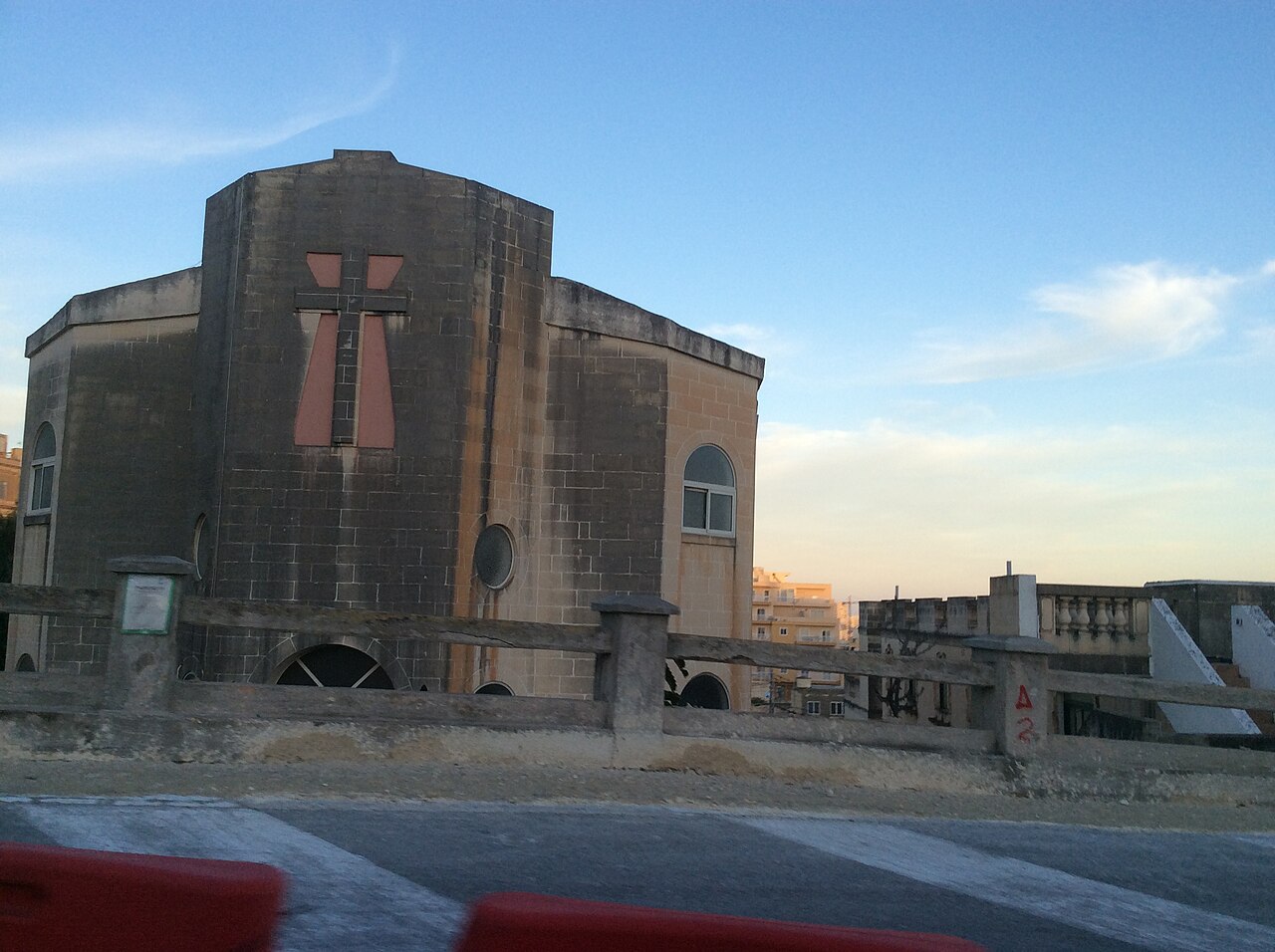
Bible Baptist Church
- Notable
- Place of worship
Art and culture venue · Los Angeles
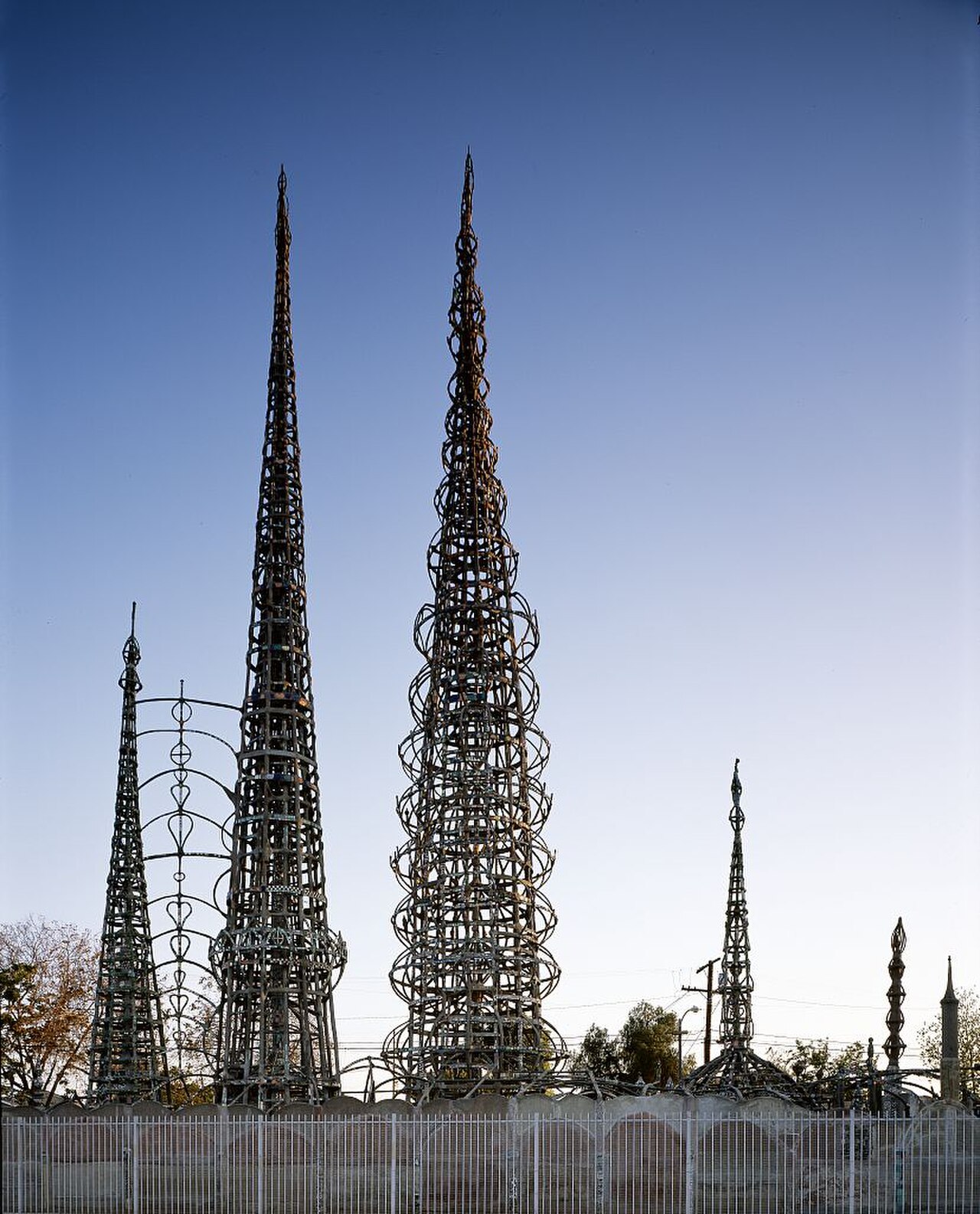
Watts Towers is a singular self-built art environment in the Watts neighborhood of Los Angeles, California. Constructed by Italian immigrant Sabato Rodia over thirty-three years from 1921 to 1954, the site comprises seventeen interconnected sculptural structures. Rodia worked alone without machine equipment, using steel rods wrapped with wire and mortar, and embedding found objects including glass, ceramic tile, and seashells. The towers reach heights of approximately ninety-nine feet. Designated a National Historic Landmark in 1990, the site represents one of the most significant folk art environments in the United States and a remarkable achievement of individual artistic vision.
Checked 2026-08-26
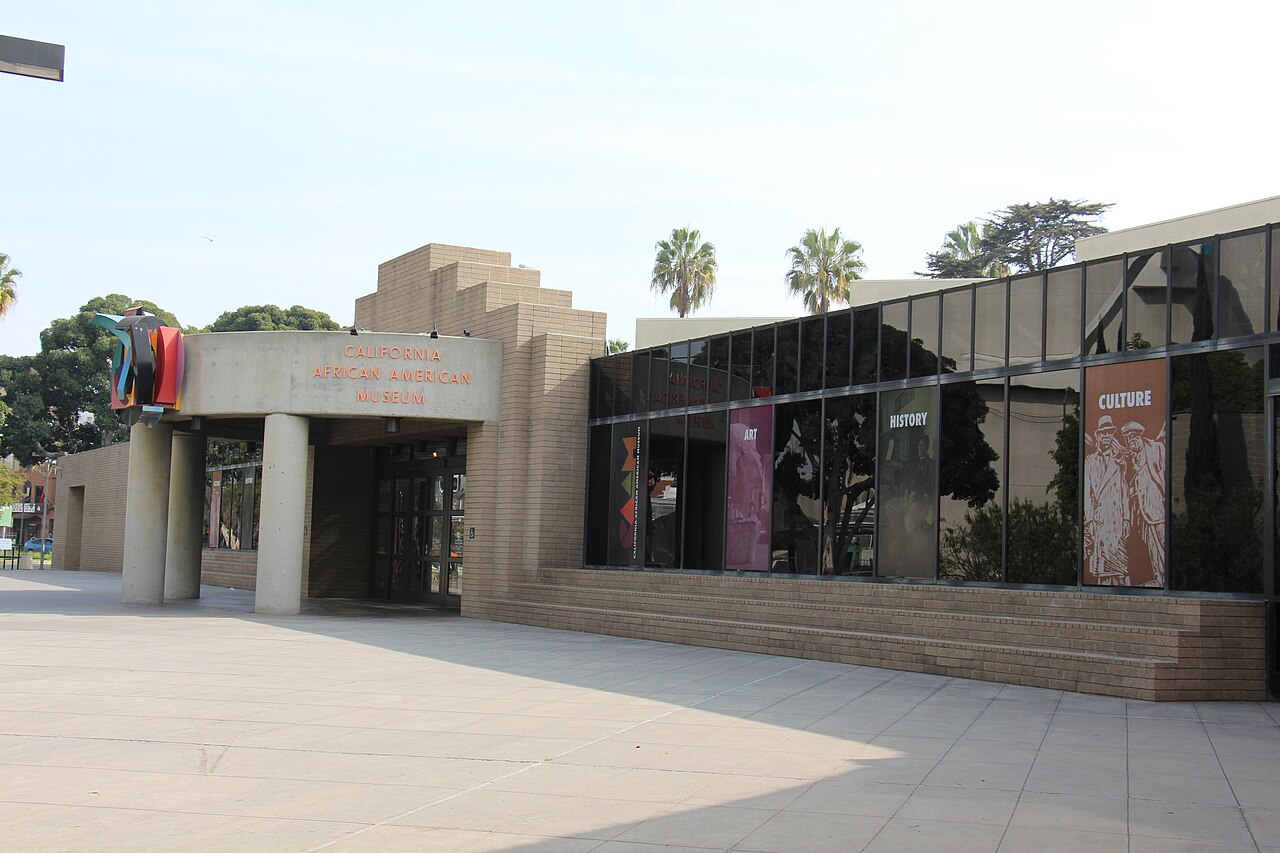
The Watts Towers Arts Center, operated by the City of Los Angeles Department of Cultural Affairs, manages the site and provides educational programming. The center includes exhibition spaces, a studio, and a theater. The surrounding Simon Rodia State Historic Park contains the towers themselves, protected by fences with controlled visitor access. Adjacent gardens and community spaces support neighborhood engagement. The center hosts rotating exhibitions, workshops, and performances emphasizing African American art and culture. The Watts Towers Jazz Festival and Watts Towers Day of the Drum Festival occur annually, though specific dates are Not recorded pending review. The site serves as both monument and active cultural institution.
Checked 2026-08-26
Visitor duration at Watts Towers varies considerably based on interest level and available programming. A basic exterior viewing of the towers requires approximately thirty to forty-five minutes. Those participating in guided tours, when available, should allocate sixty to ninety minutes. Visitors engaging with Watts Towers Arts Center exhibitions or attending scheduled events may extend their stay to two or three hours. The compact site does not demand extensive walking. Combined visits with nearby neighborhood destinations, including local historical sites, can extend to half-day excursions. Personal pace and whether interior tower access is permitted during a given visit significantly influence timing.
Checked 2026-08-26
Visitors should verify current opening schedules directly with the Watts Towers Arts Center before planning trips, as accessibility depends on staff presence and maintenance activities. The outdoor structures are visible from surrounding streets when the interior is closed. Los Angeles generally experiences mild, dry weather year-round, though summer temperatures occasionally exceed comfort levels. Morning visits may offer cooler conditions and softer light for observation. Weekend programming at the arts center may affect crowd levels. Holiday closures and special event schedules require direct confirmation. Advance planning remains essential given operational uncertainties. Check the operator's own site for the travel date before relying on a schedule or fare.
Checked 2026-08-26
The Watts Towers Arts Center has historically offered free admission for basic site access, though donations are typically encouraged to support maintenance and programming. Special events, workshops, or performances may involve separate fees requiring direct verification. School groups and organized tours sometimes incur charges depending on programming type. Visitors should confirm current financial requirements before arrival, as municipal funding changes may affect access policies. No advance purchase system is documented. Cash for donations and any incidental purchases at the center should be considered. Verification with official sources prevents assumptions about cost-free access. Check the operator's own site for the travel date before relying on a schedule or fare.
Checked 2026-08-26
Watts Towers occupies a residential neighborhood in South Los Angeles, approximately southeast of downtown. Public transit access includes Metro rail and bus services, with the nearest Blue Line station requiring walking through the neighborhood. Driving visitors find limited street parking in the immediate residential area, with attention needed regarding parking restrictions and neighborhood sensitivity. Rideshare services offer reasonable alternatives given parking constraints. The site is not prominently visible from major thoroughfares and requires navigation to specific address. Visitors unfamiliar with the area should research routes in advance. Neighborhood walking from transit stops is generally straightforward during daylight hours with basic urban awareness.
Checked 2026-08-26
Visitors should exercise standard urban awareness appropriate to any residential Los Angeles neighborhood. The Watts area has experienced historical socioeconomic challenges; perceptions of safety vary individually. Daytime visits with purposeful itinerary are generally unremarkable. Valuables should be secured and vehicles emptied of visible items. Street parking requires reading all posted restrictions carefully. The towers themselves are protected structures; touching, climbing, or attempting to enter unauthorized areas is prohibited and monitored. Weather exposure is minimal but sun protection is advisable. Limited amenities exist immediately adjacent; water and basic needs should be addressed before arrival. Respectful behavior toward residents and the site as community asset is essential.
Checked 2026-08-26
Photography of Watts Towers from public viewpoints and designated visitor areas is generally permitted for personal use. The distinctive mosaic surfaces, sculptural forms, and skyline compositions offer substantial visual interest. Tripod use may require permission and is subject to staff discretion. Commercial photography, filming, or drone operation necessitates advance arrangements with site management and likely permitting through the City of Los Angeles. Interior tower photography depends on access levels during a given visit. Morning and late afternoon provide optimal natural lighting on the west-facing structures. The surrounding neighborhood context, including historical architecture, contributes meaningful photographic documentation. Respect for ongoing community activities and private residences adjacent to the site should guide all image-making.
Checked 2026-08-26
Italian immigrant Sabato Rodia constructed the Watts Towers single-handedly between 1921 and 1954.
Rodia used steel rods, wire, mortar, and found objects including glass, ceramic tile, and seashells.
The tallest tower reaches approximately ninety-nine feet in height.
Yes, Watts Towers was designated a National Historic Landmark in 1990.
The City of Los Angeles Department of Cultural Affairs operates the Watts Towers Arts Center.
Interior access depends on staff presence and operational status; exterior viewing from surrounding streets is possible when closed.
Loading the interactive map…
The interactive map could not be loaded.
Last updated:
Source: OpenStreetMap contributors, Wikidata ·