2 min walk
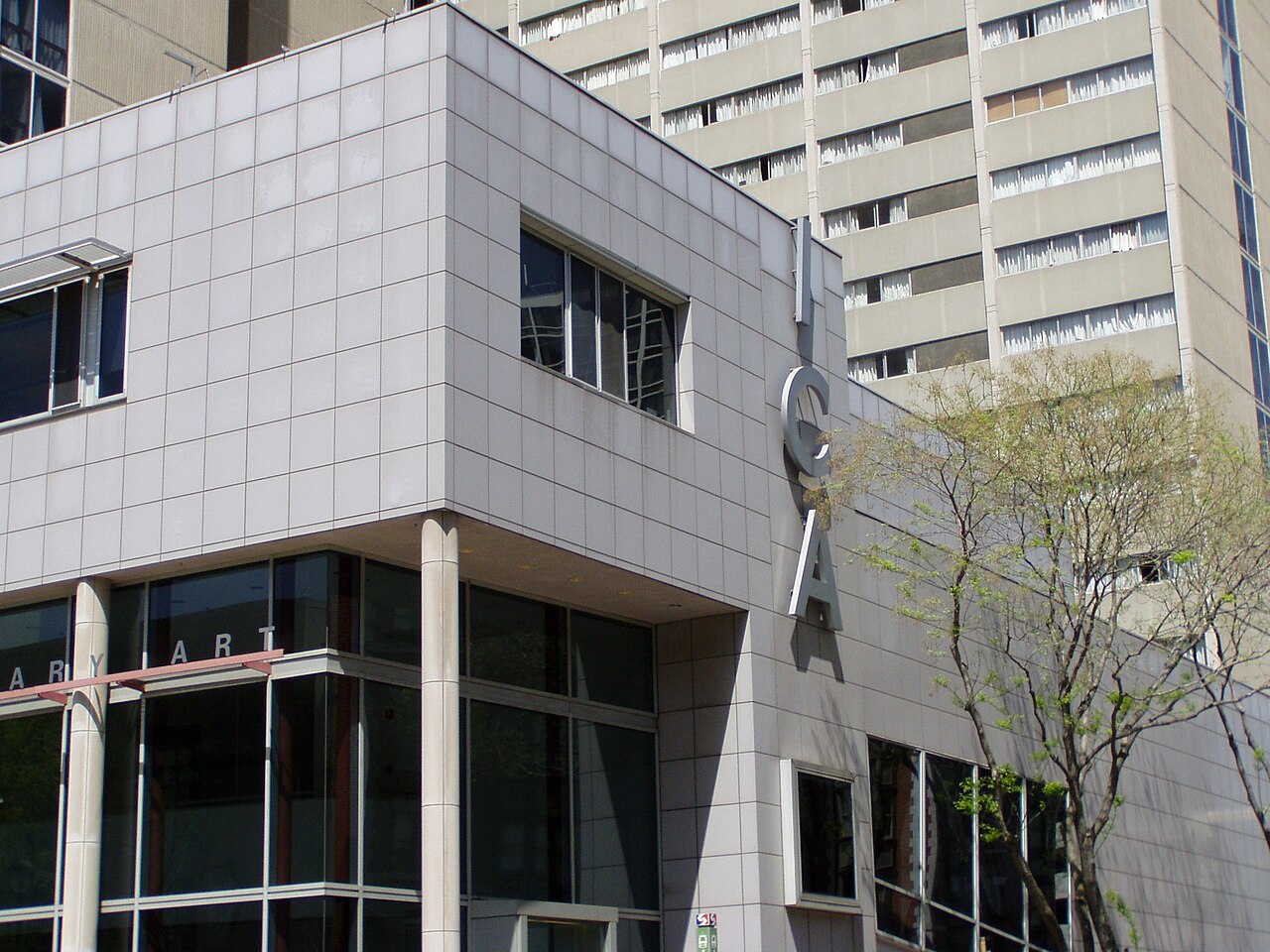
Institute of Contemporary Art
- Must see
- Museum
Language · 11 published
Historic monument · Miami
Reviewed by Elena Voss · Roavina Travel Editor
| Monday | 11:00 – 20:00 |
|---|---|
| Tuesday | 11:00 – 20:00 |
| Wednesday | 11:00 – 20:00 |
| Thursday | 11:00 – 20:00 |
| Friday | 11:00 – 20:00 |
| Saturday | 11:00 – 20:00 |
| Sunday | 12:00 – 18:00 |
Checked 2026-08-31 · Source
Read from the OpenStreetMap access tags; anything not listed has no tag recorded.
Set the group type to family in the planner and the day window contracts to about three quarters of a solo day.
This place is a Attraction.
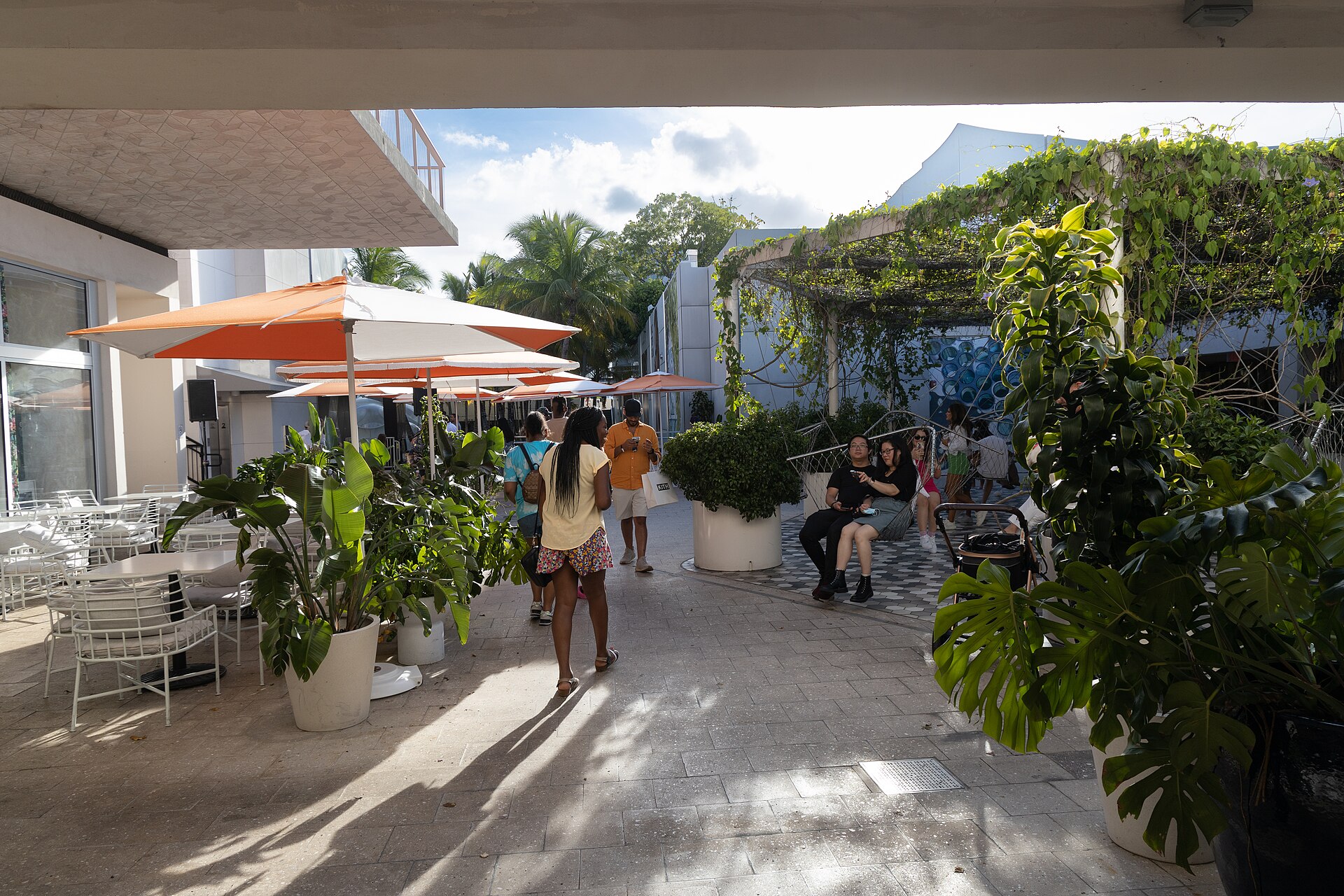
Miami Design District is a purpose-built cultural and commercial quarter north of downtown Miami, where streets, buildings, art, fashion and dining are planned as one visitor experience. Its identity is less about a single enclosed attraction than about moving through a changing urban setting: public spaces and façades provide the backdrop, while boutiques, galleries, showrooms and restaurants occupy the surrounding blocks. The district suits visitors who enjoy contemporary design in an active neighborhood, with luxury retail and commissioned installations encountered along the walk. Because the experience is distributed across streets and businesses, it feels different from a conventional museum visit and rewards an unhurried circuit.
Checked 2026-09-02 · Source
The district combines international fashion flagships, contemporary galleries, designer furniture showrooms, restaurants and public art. Palm Court functions as a recognizable gathering point within the area, with retail and dining around its central space. The Fly's Eye Dome, designed by Buckminster Fuller, is one of the district's distinctive visual landmarks, while other installations and architectural details appear along the pedestrian routes. Visitors can move between exterior works and commercial interiors, but each shop or gallery has its own welcome, display and photography expectations. The concentration of design-led businesses gives the area a coherent character even though it is made up of separate venues rather than one ticketed building.
Checked 2026-09-02 · Source
Allow about 90 minutes for a focused walk through the principal public spaces, architecture and outdoor art. Two to four hours is more realistic if you want to browse galleries, look into furniture showrooms, pause for photographs or stop for food. Shopping appointments and a leisurely meal can extend the visit toward half a day. The district is easy to sample in one outing, but its distributed layout means time expands through decisions at individual businesses rather than through a fixed exhibition route. Build in a little flexibility if your aim is to see both public installations and selected interiors.
Checked 2026-09-02 · Source
Winter is generally the most comfortable season for walking between the district's outdoor spaces, while summer mornings are preferable when heat, humidity and afternoon storms can make an open-air circuit tiring. The operator's recorded visitor schedule is Monday through Saturday from 11:00 to 20:00 and Sunday from 12:00 to 18:00. Those hours describe the district's visitor access, not necessarily every individual retailer, gallery or restaurant. Go earlier for a quieter architectural walk and softer light; choose later afternoon for a busier atmosphere and illuminated storefronts, while allowing for shorter Sunday hours.
Checked 2026-09-02 · Source
There is no general admission charge for entering Miami Design District's public streets and spaces: the recorded operator-supported admission is free per person. You do not need a district ticket to walk through Palm Court, view exterior architecture or encounter public art. Costs arise separately from choices made inside the area, including retail purchases, restaurant bills, parking and any gallery exhibition or special event that sets its own fee. Treat the free entry as access to the district itself, not as a promise that every activity or interior venue is free. Check the individual business before planning around a ticketed programme.
Checked 2026-09-02 · Source
The district lies north of downtown Miami in a defined urban area served by major roads, parking structures and street parking. By car, allow extra time to locate a space, especially during busy periods or special events. Miami-Dade County bus routes stop near the perimeter, while Metrorail requires a connection by bus or another mode for the final approach. Rideshare is practical for a direct drop-off in a commercially active neighborhood. Walking and cycling are possible from nearby areas, but beach or downtown visitors should plan for a longer urban journey and heat exposure.
Checked 2026-09-02 · Source
Miami Design District is primarily an open-air neighborhood, so sun, humidity and sudden summer rain can affect comfort and plans. The district's visitor hours do not guarantee matching hours for every shop, gallery, showroom or restaurant; confirm the particular venue if it is central to your day. Luxury positioning also means dining and shopping can cost substantially more than a casual Miami outing. Event days may increase traffic, crowding and parking pressure. Step-free access is recorded as limited, although accessible toilets and toilets are recorded as available. Exterior installations, construction conditions and displays can change over time.
Checked 2026-09-02 · Source
Photography is especially rewarding here because the district presents art through buildings, public spaces and recognizable installations rather than behind one museum entrance. The Fly's Eye Dome, Palm Court and designed façades provide distinct subjects for an exterior circuit, with early or late daylight helping reveal surface, shadow and geometry. Public walkways generally support photographing what is visible outside, but galleries, boutiques and showrooms may set their own interior rules. Keep equipment clear of pedestrian movement, ask before photographing staff or customers, and remember that a changing commercial district may offer different compositions on a return visit.
Checked 2026-09-02 · Source
Yes. The operator-supported admission for the district's public streets and spaces is free per person. Individual galleries, exhibitions, special events, restaurants, shops and parking can have separate costs.
Plan about 90 minutes for a focused walk. Allow two to four hours for public art, architecture, galleries, showrooms, shopping or a meal; appointments and leisurely dining can extend the visit toward half a day.
Winter is usually more comfortable for walking. In summer, mornings reduce exposure to peak heat and the likelihood of afternoon storms. Earlier visits also offer quieter streets and better conditions for an architectural circuit.
Yes. Parking structures and street parking serve the district, but availability and rates vary. Busy periods and special events can increase demand, so allow time to find a space or consider rideshare.
You can walk through Palm Court, view public art and architecture, photograph the Fly's Eye Dome, visit galleries and designer showrooms, and stop at restaurants. Individual interiors may have their own access or photography policies.
Treat it as a separate stop when planning your route rather than assuming district admission or hours apply.
Loading the interactive map…
The interactive map could not be loaded.

Last updated:
Source: OpenStreetMap contributors ·