
01
45 min
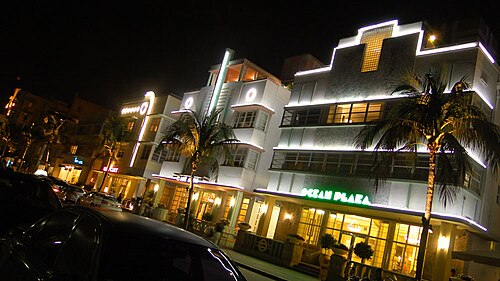
Miami Beach Architectural District
Miami Beach Architectural District is the historic Art Deco area of South Beach, recognised on the National Register in 1979.
- Must see
- Historic site
City guide · United States
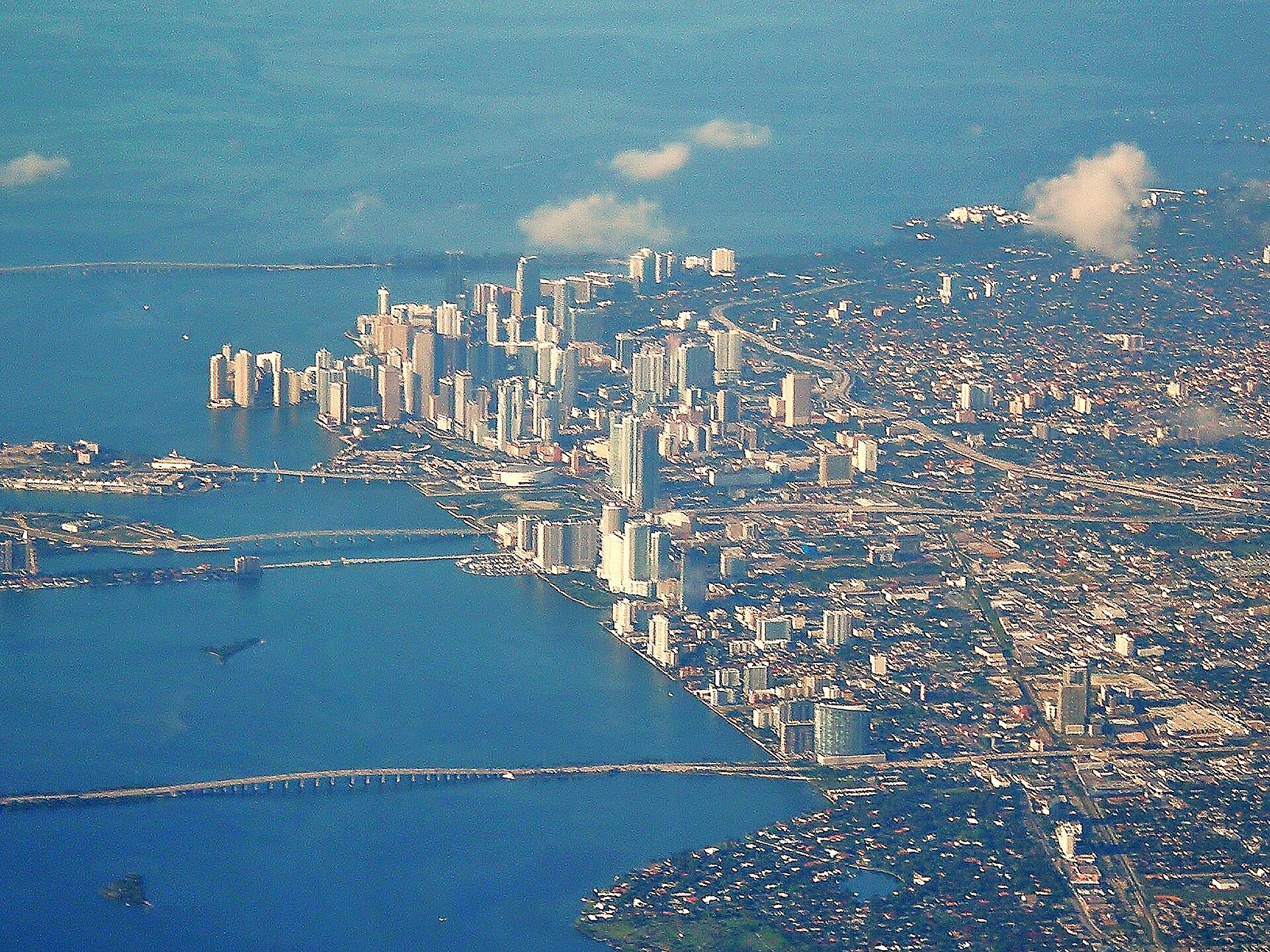
Miami is a dispersed waterfront destination rather than one compact centre. Downtown and Brickell form the urban core on Biscayne Bay; Miami Beach lies across t...
Photograph · Marc Averette · CC BY-SA 3.0
Set your days, your pace and the hours you actually want to be out. The planner works around closing days and travel time, and leaves room to eat.
Editorial responsibility: Elena Voss · Roavina Travel Editor
Miami is a dispersed waterfront destination rather than one compact centre. Downtown and Brickell form the urban core on Biscayne Bay; Miami Beach lies across the causeways, while Wynwood, the Design District, Coconut Grove, Coral Gables and Little Havana are separate districts with distinct identities. Plan by area and avoid assuming that places sharing a Miami address are within an easy walk of one another.
Checked 2026-08-26
November · November stays within the official Atlantic hurricane season through November 30, though it is beyond the main activity peak.
Ranked by importance — sitelinks, pageviews and heritage status, not editor preference.
18 places match
Category
Typical visit duration
Good for
Interests
Miami Beach Architectural District is the historic Art Deco area of South Beach, recognised on the National Register in 1979.
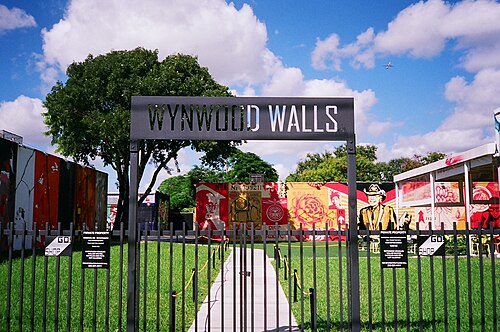
Wynwood Walls is a purpose-built open-air museum in Miami’s Wynwood arts district, northwest of Downtown Miami, where large-scale contemporary murals are presented inside a curated visitor compound.
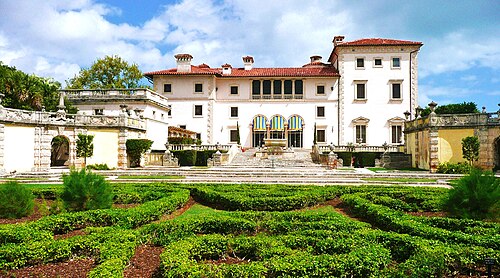
Vizcaya Museum and Gardens is a preserved early twentieth-century estate on Miami’s Biscayne Bay, built around an Italian Renaissance-inspired main house and a deliberately theatrical landscape.
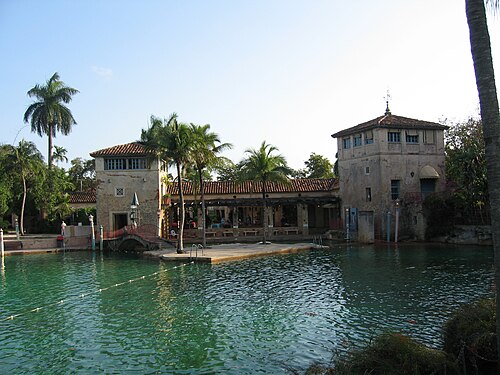
Venetian Pool is a public swimming pool in Coral Gables, southwest of Downtown Miami, created from a former coral-rock quarry.
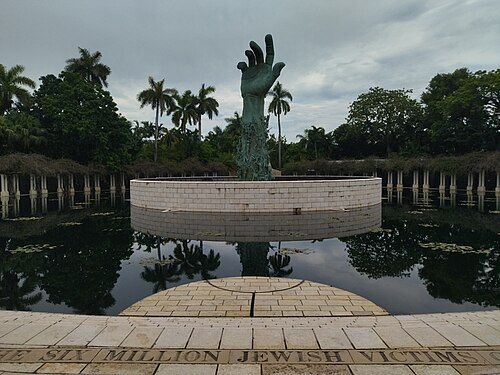
Holocaust Memorial Miami Beach is a public memorial dedicated to the six million Jewish people murdered during the Holocaust.
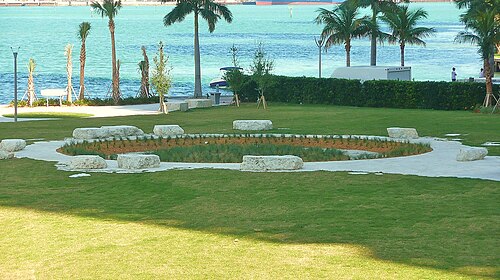
Miami Circle at Brickell Point
Miami Circle is an archaeological site at Brickell Point, on the southern bank of the Miami River in downtown Miami. The principal feature is a near-perfect circle cut into the limestone bedrock, measuring about 38 feet across.
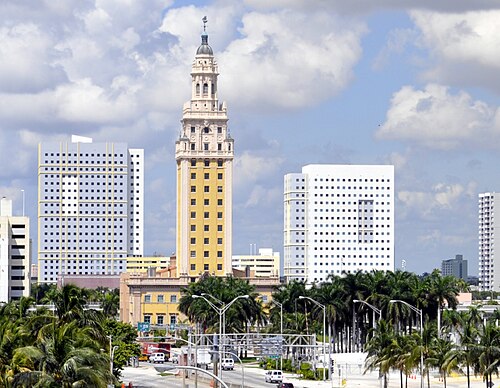
Freedom Tower at Miami Dade College
The Freedom Tower at Miami Dade College is a historic landmark in downtown Miami, Florida.
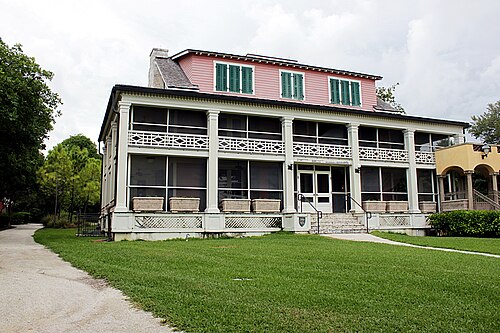
The Deering Estate is a historic house museum and archaeological site located in southern Miami-Dade County, Florida. It preserves the former winter residence of Charles Deering, an industrialist and art collector.

The Calle Ocho Walk of Fame is an outdoor cultural landmark along Southwest 8th Street in Miami’s Little Havana. Stars set into the pavement honour Latin American and Caribbean entertainers, musicians, and cultural figures.
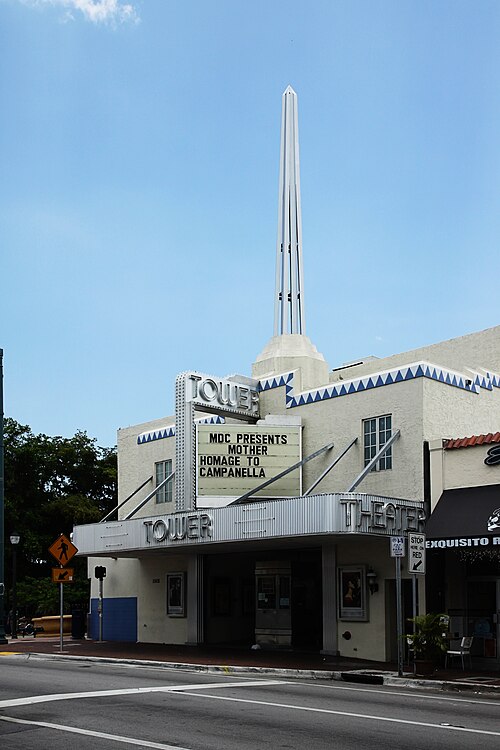
Tower Theater is a historic cinema and cultural venue on Calle Ocho in Miami’s Little Havana. Its location places it at the centre of one of the city’s most recognisable Cuban-American and Latin American cultural corridors.
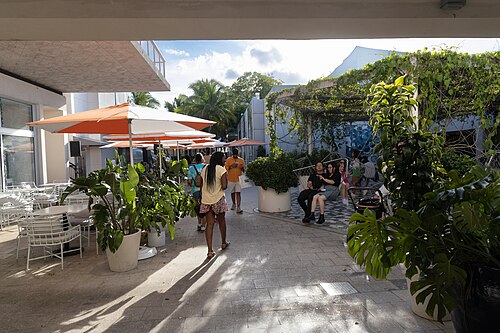
Miami Design District is a purpose-built cultural and commercial quarter north of downtown Miami, where streets, buildings, art, fashion and dining are planned as one visitor experience.
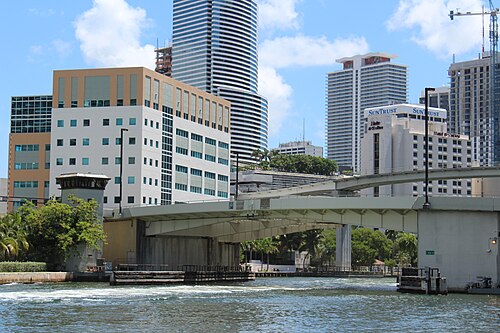
Miami Riverwalk is a pedestrian pathway along the Miami River in downtown Miami, Florida. The walkway runs through the central business district, connecting various waterfront developments and providing public access to the river's edge.
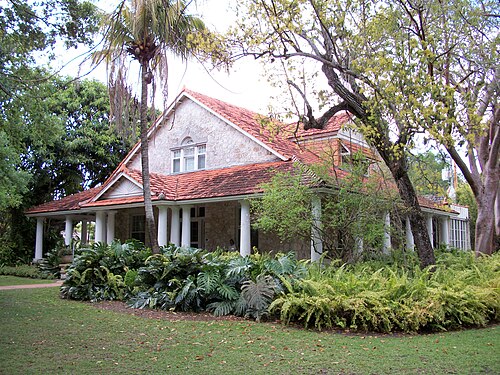
Coral Gables Merrick House is a historic residence in Coral Gables, Florida. It was the home of George Merrick, the founder of the City of Coral Gables.

The Miami-Dade County Courthouse is a historic government building in downtown Miami, Florida. It serves as a functioning courthouse for the Eleventh Judicial Circuit of Florida.
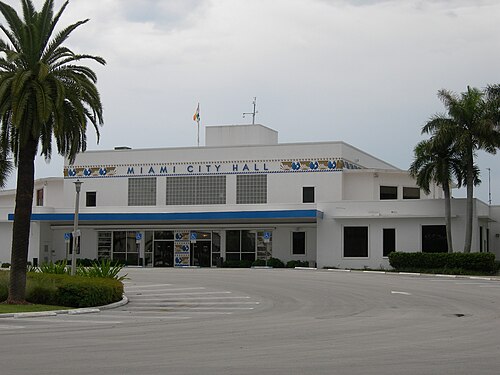
Miami City Hall stands at Dinner Key in Coconut Grove, on the waterfront of Biscayne Bay. The building first served as a Pan American seaplane terminal before becoming Miami’s city hall.
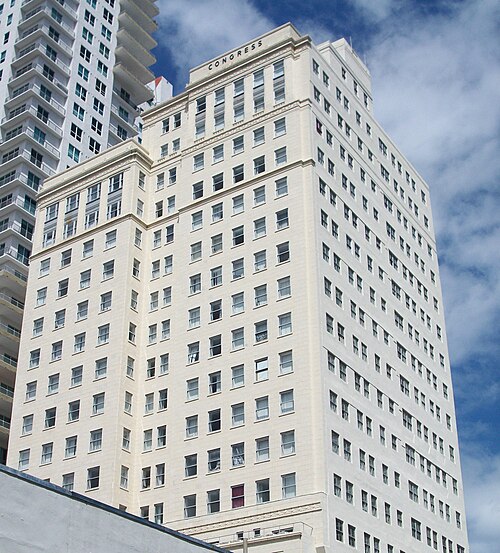
The Congress Building is a historic commercial building in downtown Miami. It belongs to the city's early business-district heritage and helps explain how Miami's urban core developed as commerce expanded.
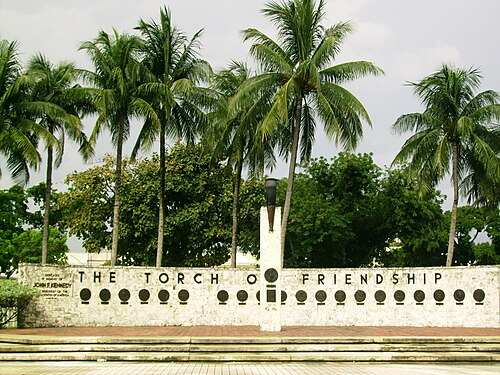
The Torch of Friendship is a bayside civic monument situated on Miami's waterfront. It stands as a public landmark commemorating international friendship and cooperation. The monument features a prominent torch structure visible from surrounding areas.

Venetian Way is a causeway linking mainland Miami with Miami Beach across Biscayne Bay. The crossing runs through the Venetian Islands, an early twentieth-century chain of artificial islands, and forms an important road connection between the two urban areas.
Biscayne Bay separates mainland Miami from Miami Beach. Downtown and Brickell sit on the mainland waterfront; Wynwood and the Design District are north, Little Havana is west, and Coconut Grove and Coral Gables are southwest. South Beach occupies the southern end of Miami Beach and is a destination in its own right. Causeways and waterways shape every cross-city journey, so combine attractions on the same side of the bay.
Checked 2026-08-26
Use Metrorail for selected mainland corridors, Metrobus for broader coverage and the free Metromover within Downtown, Omni and Brickell. Miami Beach, the City of Miami and Coral Gables also operate local trolley services. Walking is practical inside individual districts but not between most of them. Check Miami-Dade Transit and municipal service notices before travelling, especially when moving between the mainland and the beach.
Checked 2026-08-26

Suggested stay for a first visit: 3–4 days. Build the visit around separate district days for Downtown and Brickell, Miami Beach, and the mainland neighbourhoods that interest you.
No. Miami is on the mainland and Miami Beach is a separate city across Biscayne Bay. Causeways connect them, but they should be planned as separate areas.
Yes. Miami-Dade operates Metromover as a free elevated service linking stations in Downtown, Omni and Brickell, with connections to other transit services.
No. Individual districts can be walkable, but the destination is spread across the mainland, islands and causeways. Use transit or another connection between districts.
Combine Downtown with Brickell, pair Wynwood with the Design District, and treat Little Havana, Coconut Grove and Coral Gables as separate mainland clusters.

