
01
45 min
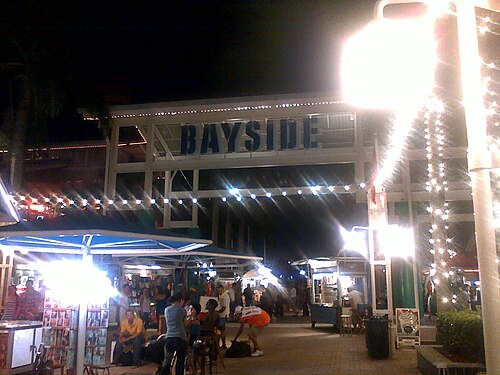
Bayside Marketplace
Bayside Marketplace is an open-air waterfront complex where Downtown Miami’s Biscayne Boulevard meets the edge of Biscayne Bay.
- Must see
- Market
Language · 11 published
City guide · United States
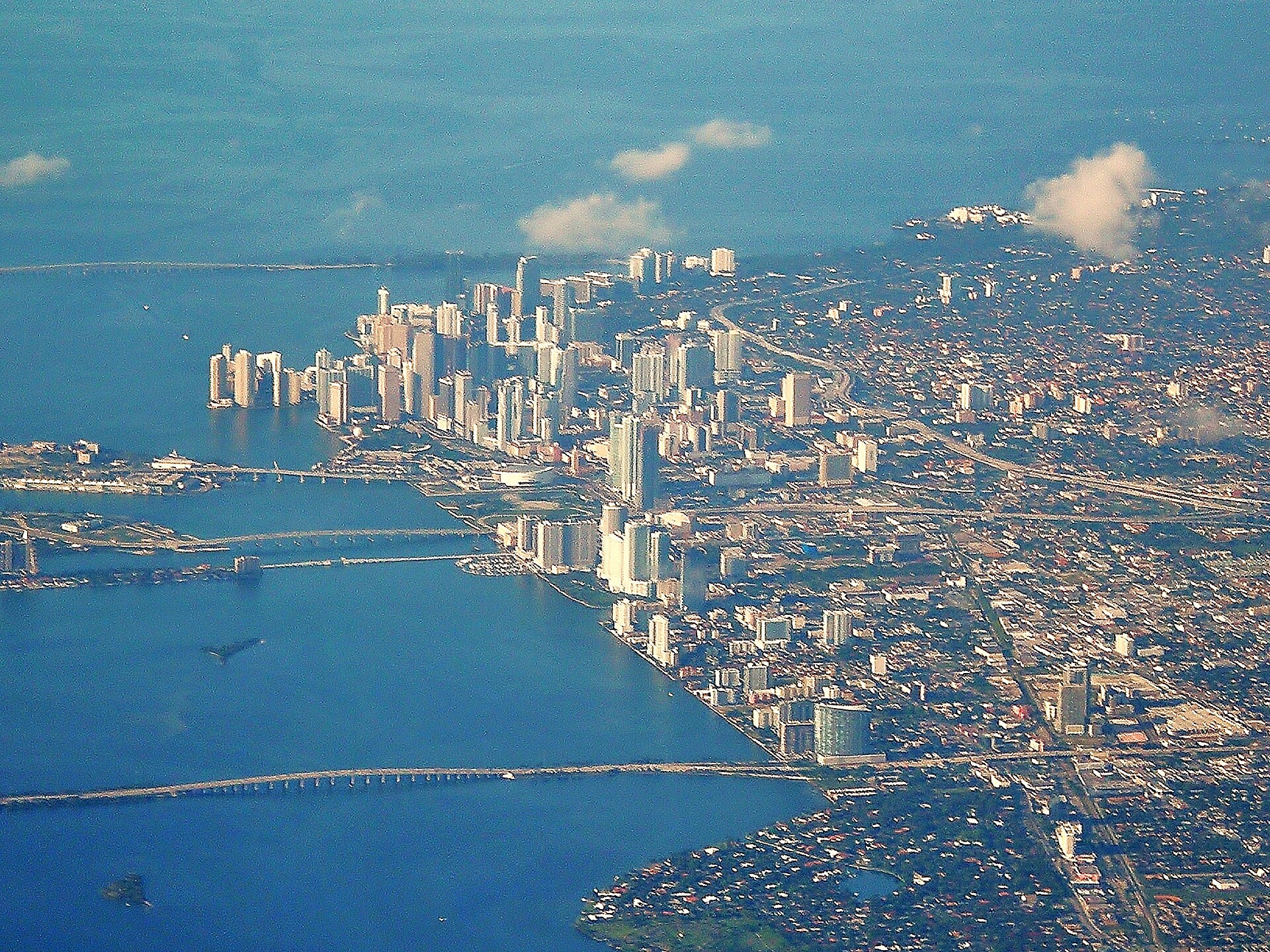
Miami is a dispersed waterfront destination rather than one compact centre. Downtown and Brickell form the urban core on Biscayne Bay; Miami Beach lies across the causeways, while Wynwood, the Design District, Coconut Grove, Coral Gables and Little Havana are separate districts with distinct identities. Plan by area and avoid assuming that places sharing a Miami address are within an easy walk of one another.
Reviewed by Elena Voss · Roavina Travel Editor
Set your days, your pace and the hours you actually want to be out. The planner works around closing days and travel time, and leaves room to eat.
Ranked by importance — sitelinks, pageviews and heritage status, not editor preference.
5 places match
Category
Typical visit duration
Interests
Bayside Marketplace is an open-air waterfront complex where Downtown Miami’s Biscayne Boulevard meets the edge of Biscayne Bay.
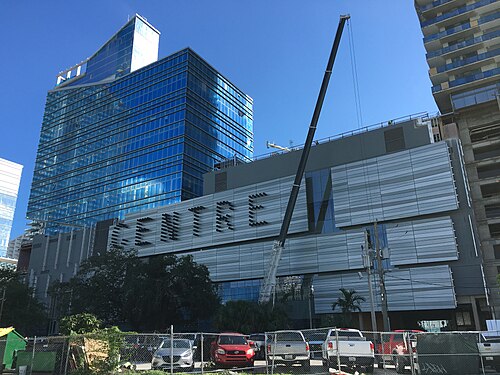
Brickell City Centre is a large mixed-use complex in central Brickell, combining retail, dining, offices, residences, public circulation areas, terraces, bridges, and climate-responsive architecture.
Lincoln Road Mall
Lincoln Road Mall is a pedestrian shopping and dining street in Miami Beach, Florida. It serves as a landmark destination within the city, functioning as an open-air commercial promenade closed to regular vehicle traffic.

Shops at Merrick Park is a major open-air shopping destination located in Coral Gables, Florida. The center features an upscale retail environment with Mediterranean-inspired architecture, reflecting the distinctive character of the surrounding Coral Gables area.
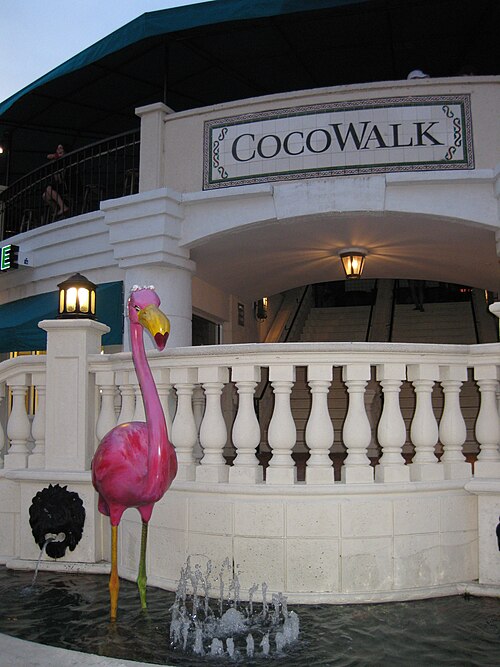
CocoWalk is an outdoor shopping, dining, and entertainment complex located in Coconut Grove, Miami. It serves as a central gathering point for the neighborhood, combining retail stores, restaurants, and a cinema in a pedestrian-oriented setting.
Source: OpenStreetMap contributors, Wikidata ·
Biscayne Bay separates mainland Miami from Miami Beach. Downtown and Brickell sit on the mainland waterfront; Wynwood and the Design District are north, Little Havana is west, and Coconut Grove and Coral Gables are southwest. South Beach occupies the southern end of Miami Beach and is a destination in its own right. Causeways and waterways shape every cross-city journey, so combine attractions on the same side of the bay.
Checked 2026-08-26
Use Metrorail for selected mainland corridors, Metrobus for broader coverage and the free Metromover within Downtown, Omni and Brickell. Miami Beach, the City of Miami and Coral Gables also operate local trolley services. Walking is practical inside individual districts but not between most of them. Check Miami-Dade Transit and municipal service notices before travelling, especially when moving between the mainland and the beach.
Checked 2026-08-26
A fixed stay length is not recorded. Build the visit around separate district days for Downtown and Brickell, Miami Beach, and the mainland neighbourhoods that interest you.
No. Miami is on the mainland and Miami Beach is a separate city across Biscayne Bay. Causeways connect them, but they should be planned as separate areas.
Yes. Miami-Dade operates Metromover as a free elevated service linking stations in Downtown, Omni and Brickell, with connections to other transit services.
No. Individual districts can be walkable, but the destination is spread across the mainland, islands and causeways. Use transit or another connection between districts.
Combine Downtown with Brickell, pair Wynwood with the Design District, and treat Little Havana, Coconut Grove and Coral Gables as separate mainland clusters.