
.jpg)


4 min walk
Regatta Park
- High
- Nature site
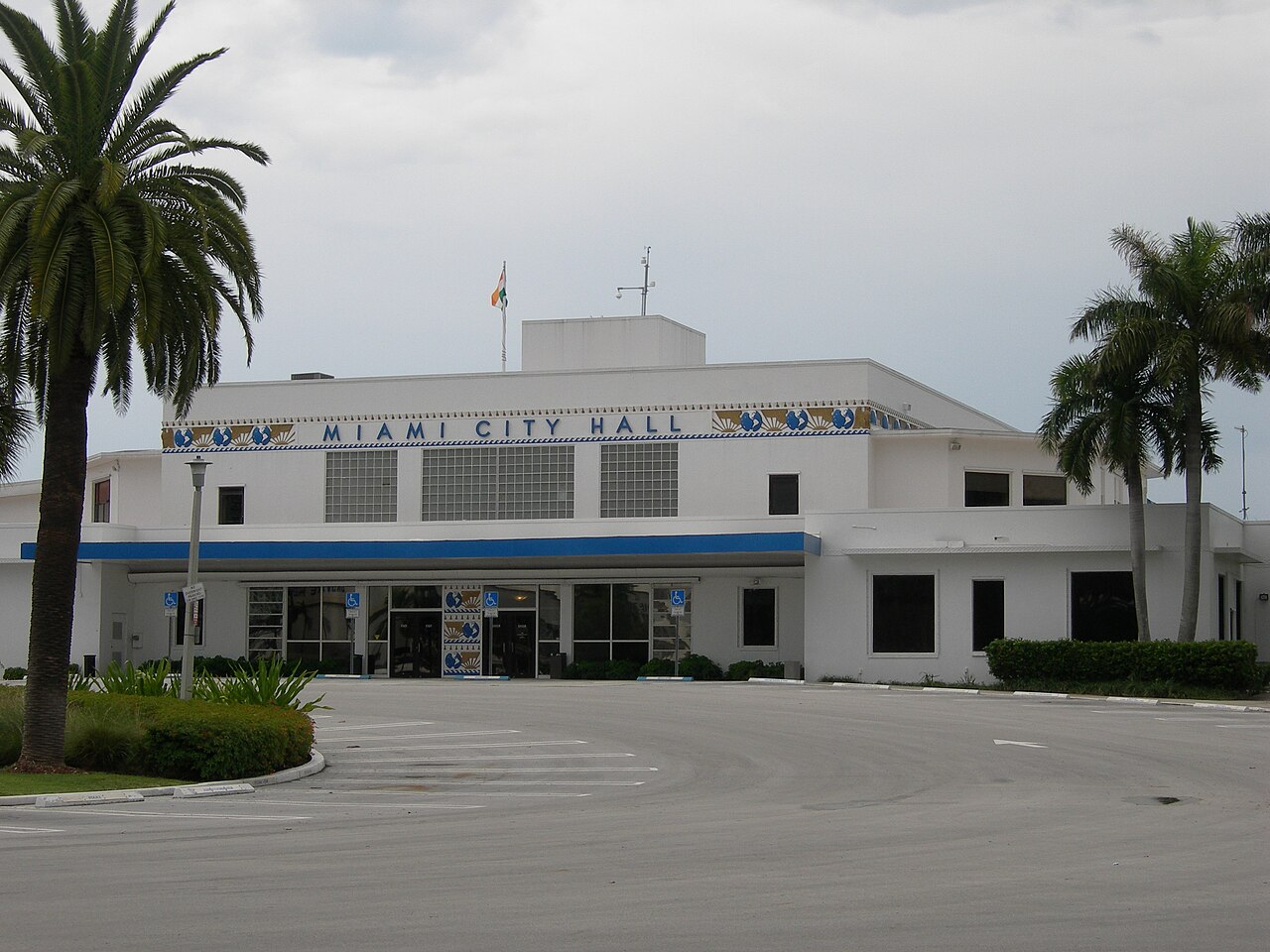
Historic monument · Miami
Miami City Hall stands at Dinner Key in Coconut Grove, on the waterfront of Biscayne Bay. The building first served as a Pan American seaplane terminal before becoming Miami’s city hall. That change gives the site a direct connection to the city’s aviation story as well as its civic development. Travelers interested in architecture, transport history, and Miami’s waterfront neighborhoods can appreciate the building from its prominent Dinner Key setting. Miami City Hall is a historic municipal building located at Dinner Key in the Coconut Grove neighborhood of Miami, Florida. The building originally served as the Pan American seaplane terminal, a significant structure in early commercial aviation history. It was later converted to serve as Miami's city hall. The building occupies a prominent waterfront position at Dinner Key, which was once an important hub for seaplane operations. Its architectural and historical significance reflects Miami's development as a major transportation and administrative center in the twentieth century. The building functions as active government offices with limited public access.
Checked 2026-08-26 · Source
Miami City Hall is an active municipal building, with spaces devoted to government work rather than museum display. Its present civic function may include administrative offices, public meeting rooms, council chambers, and departmental activity. The building’s historical identity comes from its earlier role as a seaplane terminal, while its everyday purpose is city administration. The most reliable sightseeing experience is therefore the exterior and waterfront context, with interior access connected to public business or scheduled proceedings. The interior spaces of Miami City Hall accommodate municipal government functions and administrative offices for the city of Miami.
Checked 2026-08-26 · Source
Allow fifteen to thirty minutes for exterior viewing and photographs around Dinner Key. The waterfront setting can justify a longer pause if you are also exploring Coconut Grove, watching marina activity, or considering the building’s aviation history. Visitors attending a public meeting or handling municipal business need to follow the timing of that proceeding. This is best treated as a short architectural and historical stop within a wider Coconut Grove itinerary, not as a full museum visit.
Checked 2026-08-26 · Source
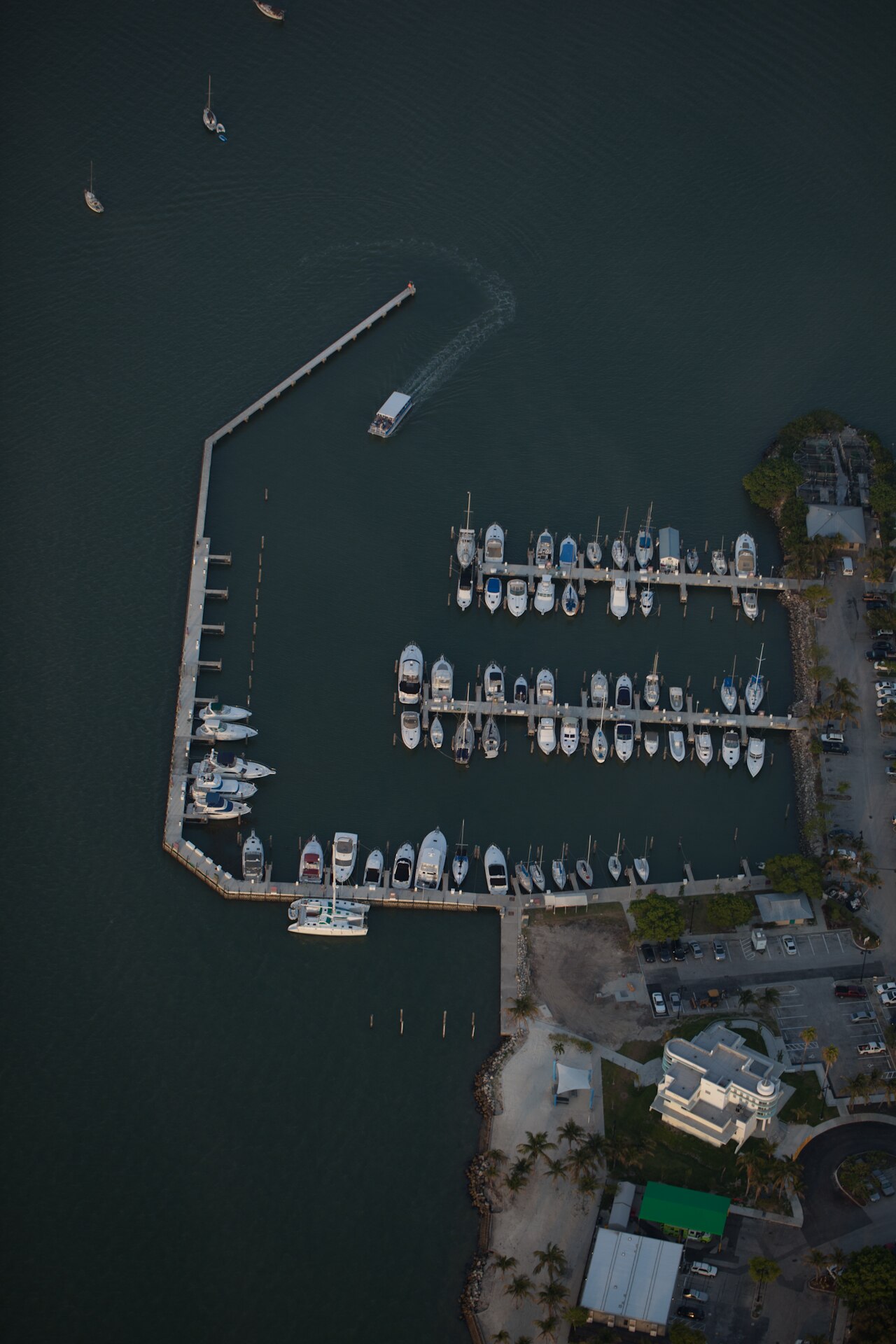
Daytime is the most useful period for seeing the building’s exterior and its relationship with Dinner Key and Biscayne Bay. Government activity follows civic schedules, while public proceedings are tied to their announced meeting times. A waterfront visit is more comfortable in Miami’s milder winter weather than during the hottest and most humid summer hours. Plan the stop around Coconut Grove’s other streets and waterfront spaces, which help place the former seaplane terminal in the neighborhood’s broader history.
Checked 2026-08-26 · Source
Miami City Hall is a municipal building, not a commercial attraction with a normal sightseeing ticket. Public meetings and ordinary civic business are distinct from ticketed cultural visits. Travelers should come for the historic exterior, Dinner Key setting, or a specific public proceeding rather than expecting a paid exhibition. Any service connected with municipal administration belongs to the relevant civic activity, while the architectural stop itself is best planned as part of a free neighborhood walk.
Checked 2026-08-26 · Source
Miami City Hall is at Dinner Key in Coconut Grove, south of central Miami and beside Biscayne Bay. Visitors can reach Coconut Grove by car, rideshare, or Miami-Dade public transportation, then continue through the neighborhood toward the waterfront. Combine the building with a broader Coconut Grove route so the journey includes nearby streets, marina surroundings, and bay views. Allow extra time for Miami traffic and choose pedestrian crossings carefully around busy roads and waterfront access points.
Checked 2026-08-26 · Source

Remember that this is a working government facility. Interior access may be connected to public meetings, civic appointments, or controlled entry, so the building should not be approached like an always-open museum. Follow security directions, respect staff and public business, and keep clear of restricted areas. Around Dinner Key, bright sun, humidity, sudden rain, marina activity, and traffic can shape the visit. The site’s historic importance is strongest when paired with realistic expectations about civic access.
Checked 2026-08-26 · Source
The exterior offers the clearest photographic subject: a historic waterfront building connected with Miami’s former seaplane-terminal era. Frame the facade with Dinner Key, Biscayne Bay, or the surrounding marina landscape to show its setting. Morning and late-afternoon light can give the waterfront architecture softer definition. Interior photographs belong to the rules of an active municipal workplace, so keep the camera focused on public exterior areas unless photography is clearly permitted inside.
Checked 2026-08-26 · Source
The building originally served as the Pan American seaplane terminal at Dinner Key.
It is located at Dinner Key in Coconut Grove on Miami’s Biscayne Bay waterfront.
No. It is an active municipal building whose civic function now occupies a former seaplane-terminal site.
Allow about fifteen to thirty minutes for the building and exterior setting, or longer if exploring Coconut Grove.
The exterior facade, Dinner Key, Biscayne Bay, and the surrounding marina provide the main photographic subjects.
Dinner Key links the building to Miami’s early commercial aviation history and to Coconut Grove’s waterfront development.
Loading the interactive map…
The interactive map could not be loaded.
Last updated:
Source: OpenStreetMap contributors, Wikidata ·