
.jpg)
.jpg)
_1.jpg)
_2.jpg)
_3.jpg)
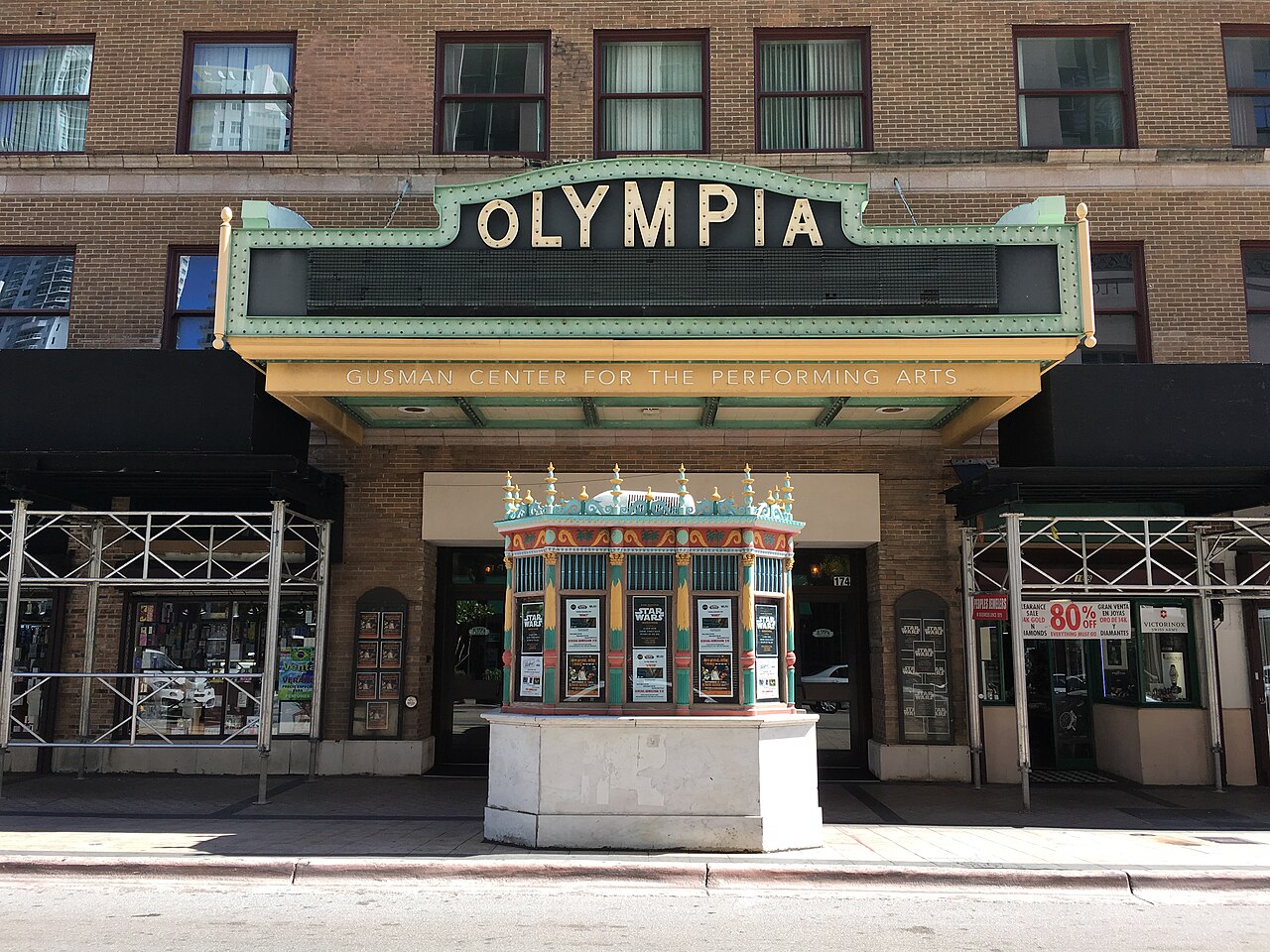
3 min walk
Olympia Theater
- Must see · Heritage site
- Art and culture venue
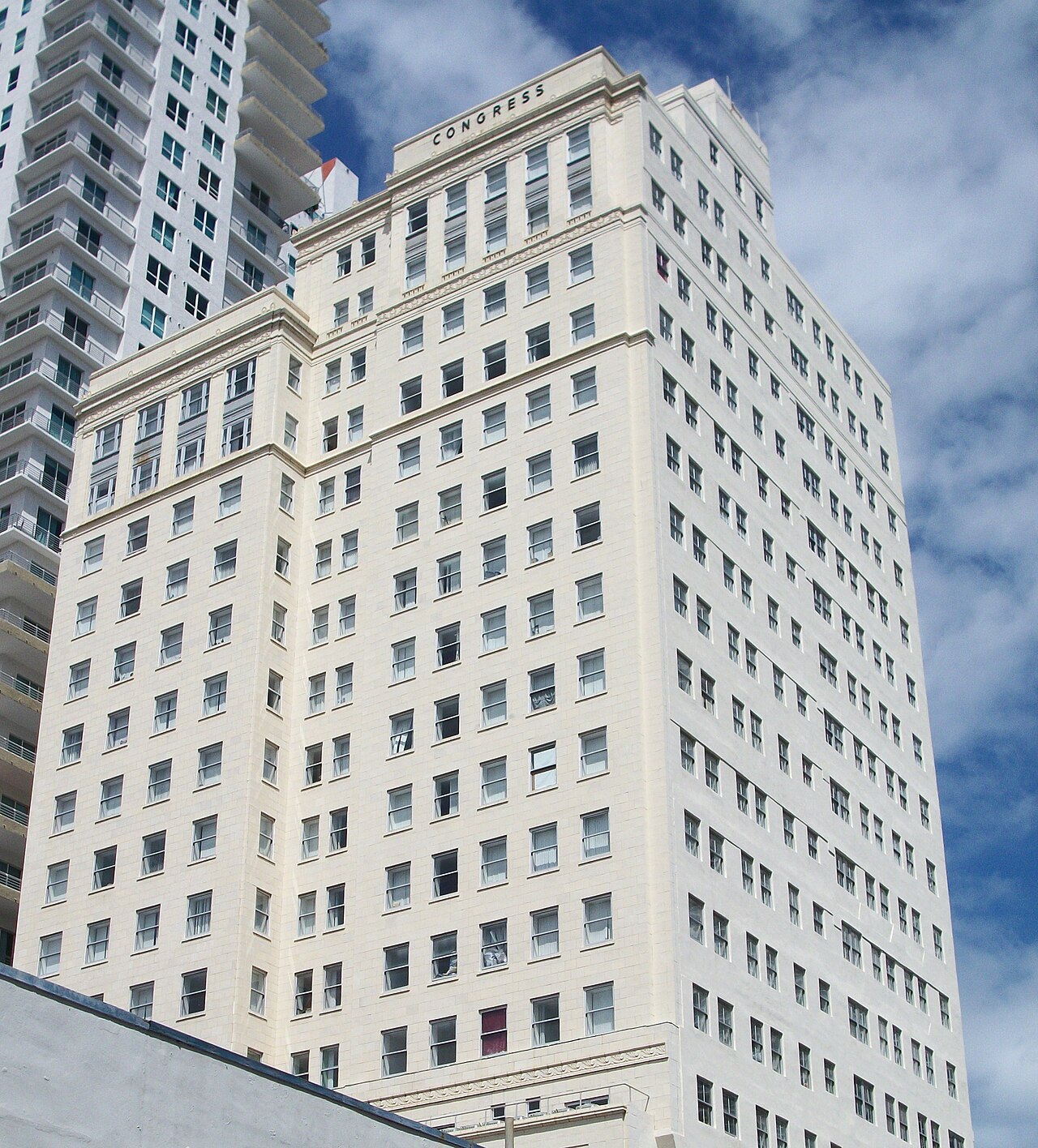
Historic monument · Miami
The Congress Building is a historic commercial building in downtown Miami. It belongs to the city's early business-district heritage and helps explain how Miami's urban core developed as commerce expanded. Its value is architectural and contextual: the building is best understood alongside the surrounding streets, storefronts, and other older downtown structures. It is a city landmark to observe from the public realm, not a conventional museum attraction. The Congress Building is a historic downtown commercial building in Miami, Florida. It stands as part of the city's early commercial architectural heritage, representing the period when downtown Miami developed as a business district. The structure contributes to the historic character of the area and is identified in Wikidata as Q7727359. Its exact production row and coordinates match this OpenStreetMap way identifier. The building reflects the commercial growth that shaped Miami's urban core during the early twentieth century. The Congress Building functions as a commercial property. Exterior viewing from public sidewalks is always possible.
Checked 2026-08-26 · Source
The Congress Building is a commercial property, so its interior is organized around business use rather than exhibitions for travelers. The exterior is the reliable focus of a visit: study the facade, its materials, proportions, and connection with downtown Miami's street life. Interior areas may belong to tenants or building operations. Do not treat entrances, lobbies, offices, or commercial premises as public displays unless access is clearly offered.
Checked 2026-08-26 · Source
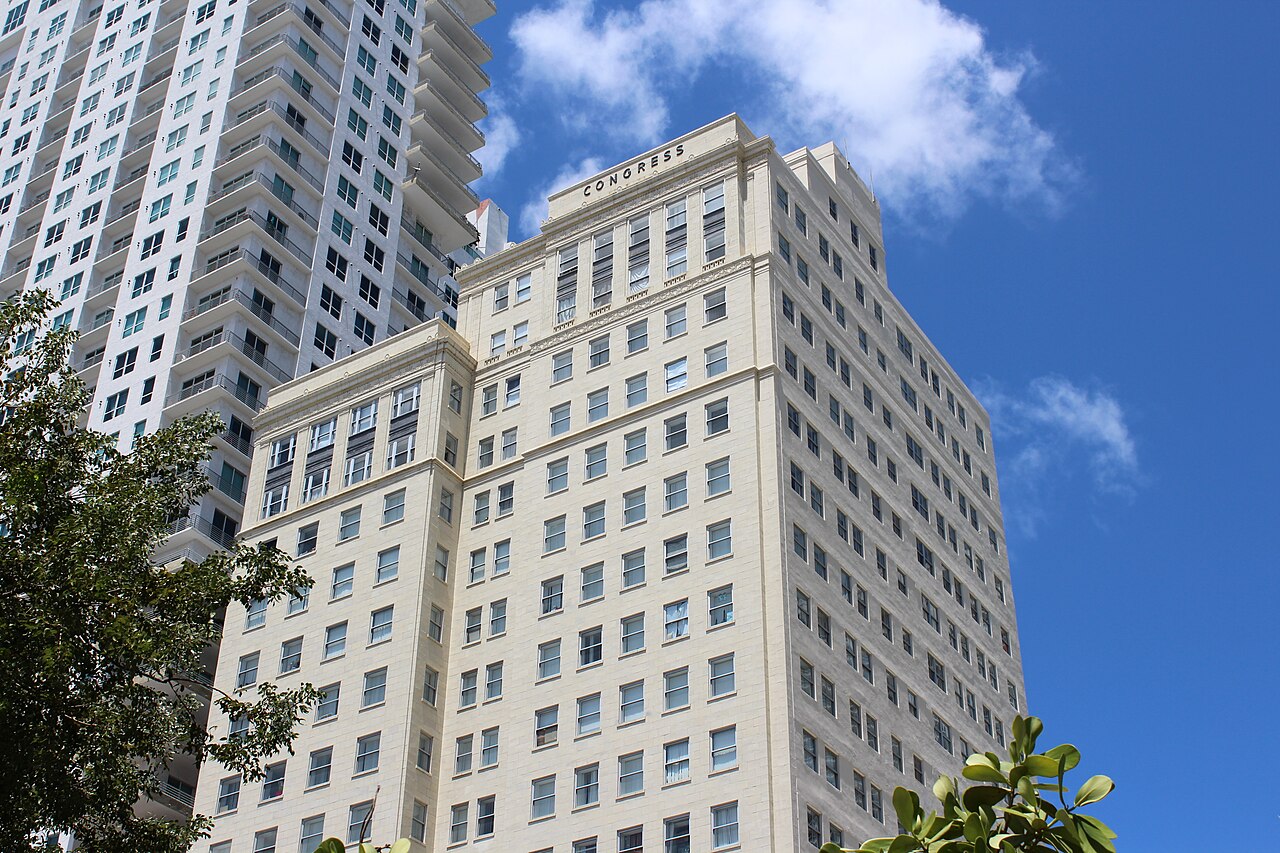
Plan fifteen to thirty minutes for an exterior stop. That is enough time to view the building from the sidewalk, inspect architectural details, and make photographs without turning a commercial frontage into a lengthy visit. The stop works especially well within a downtown walking route, where the surrounding urban fabric adds context. Extend the time only if an openly accessible business or public area welcomes you inside. A visit to The Congress Building's exterior requires approximately fifteen to thirty minutes for architectural observation and photography. The building functions as an active commercial property rather than a dedicated tourist attraction, so no formal visitor itinerary exists. Those interested in Miami's historic architecture may incorporate this stop into a broader downtown walking tour. The duration depends entirely on individual interest in architectural details and whether interior access is obtainable through current commercial tenants or building management. A flexible visit lets travellers connect The Congress Building with the rest of the day without treating one room, viewpoint or photograph as the whole experience.
Checked 2026-08-26 · Source
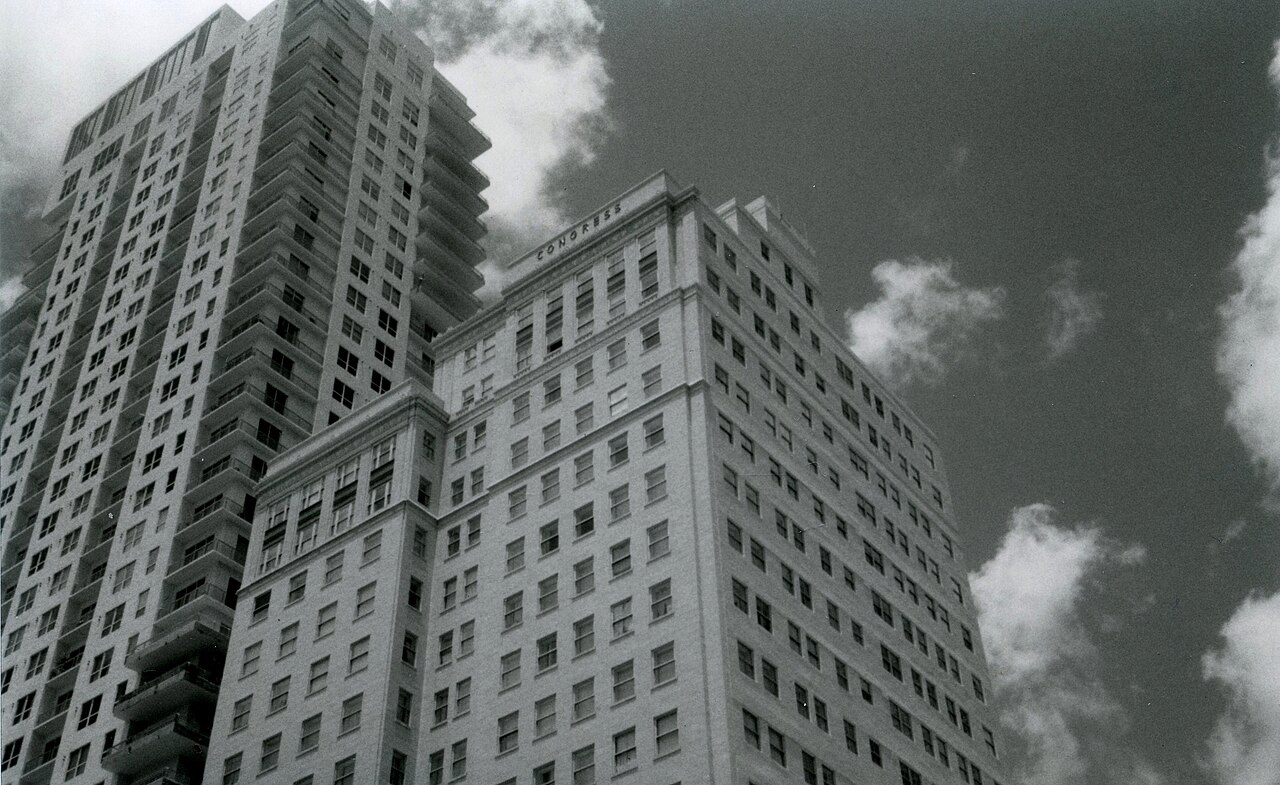
Exterior viewing from public sidewalks fits a flexible downtown itinerary. Morning or late afternoon can make walking more comfortable and may produce clearer architectural light than the strongest midday sun. Miami's summers are hot and humid, with frequent afternoon storms, while winters are milder. Since the building is commercial rather than a visitor attraction, the street-facing experience is more dependable than planning around an interior program.
Checked 2026-08-26 · Source
There is no attraction ticket for observing The Congress Building from public sidewalks. Any payment made inside would belong to a tenant's commercial service, not to admission for the historic building. Travelers should budget for the ordinary costs of moving through downtown, such as transport, parking, food, or other attractions, while treating the building itself as a streetside architectural stop.
Checked 2026-08-26 · Source
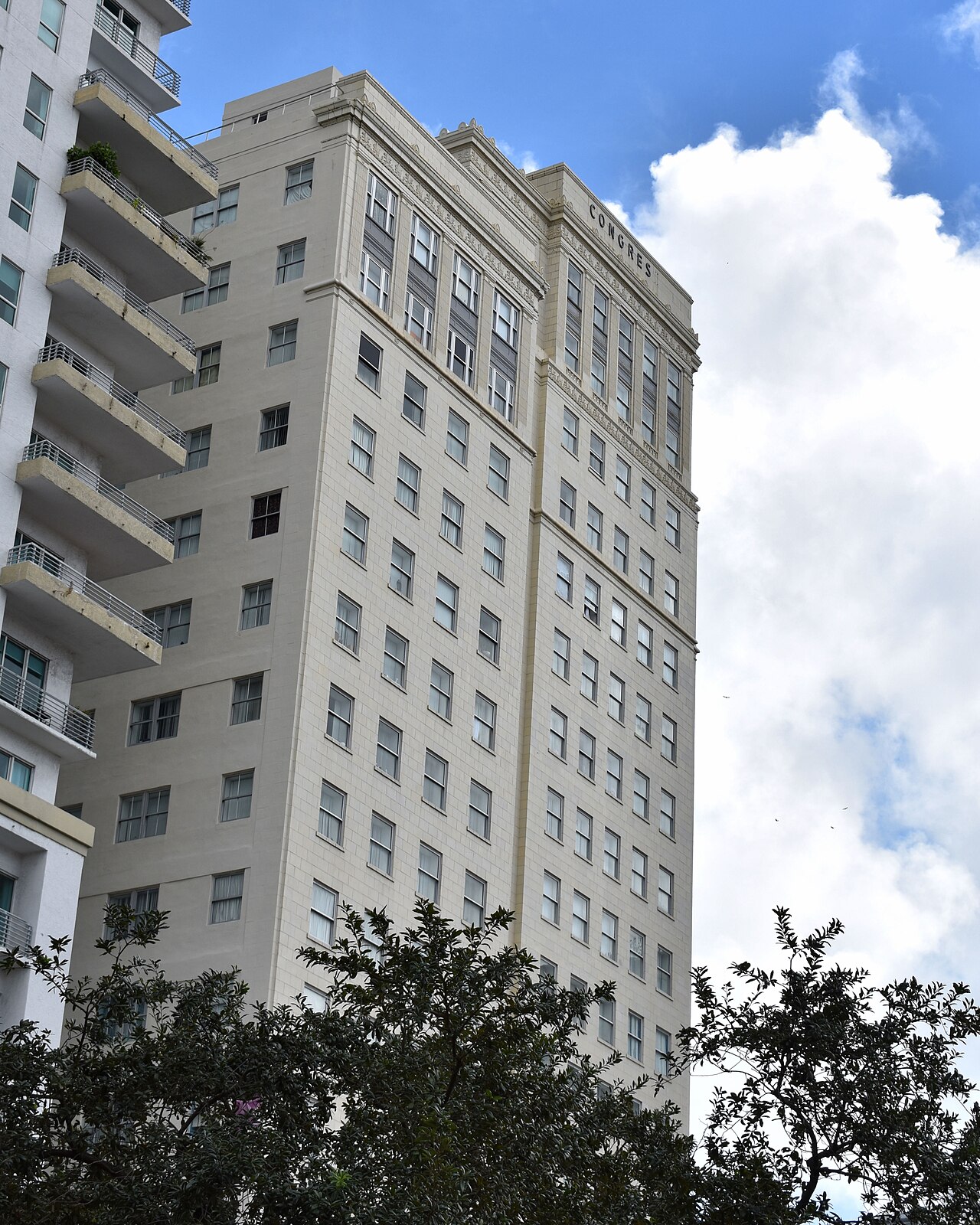
The Congress Building is in downtown Miami, where walking, bus services, and the Metromover connect many destinations. Approach it as part of a central-city route and continue on foot from nearby downtown stops. Drivers can use the downtown street network, with parking generally found in marked street spaces or commercial garages. Leave room for traffic, pedestrians, and construction when crossing between blocks.
Checked 2026-08-26 · Source
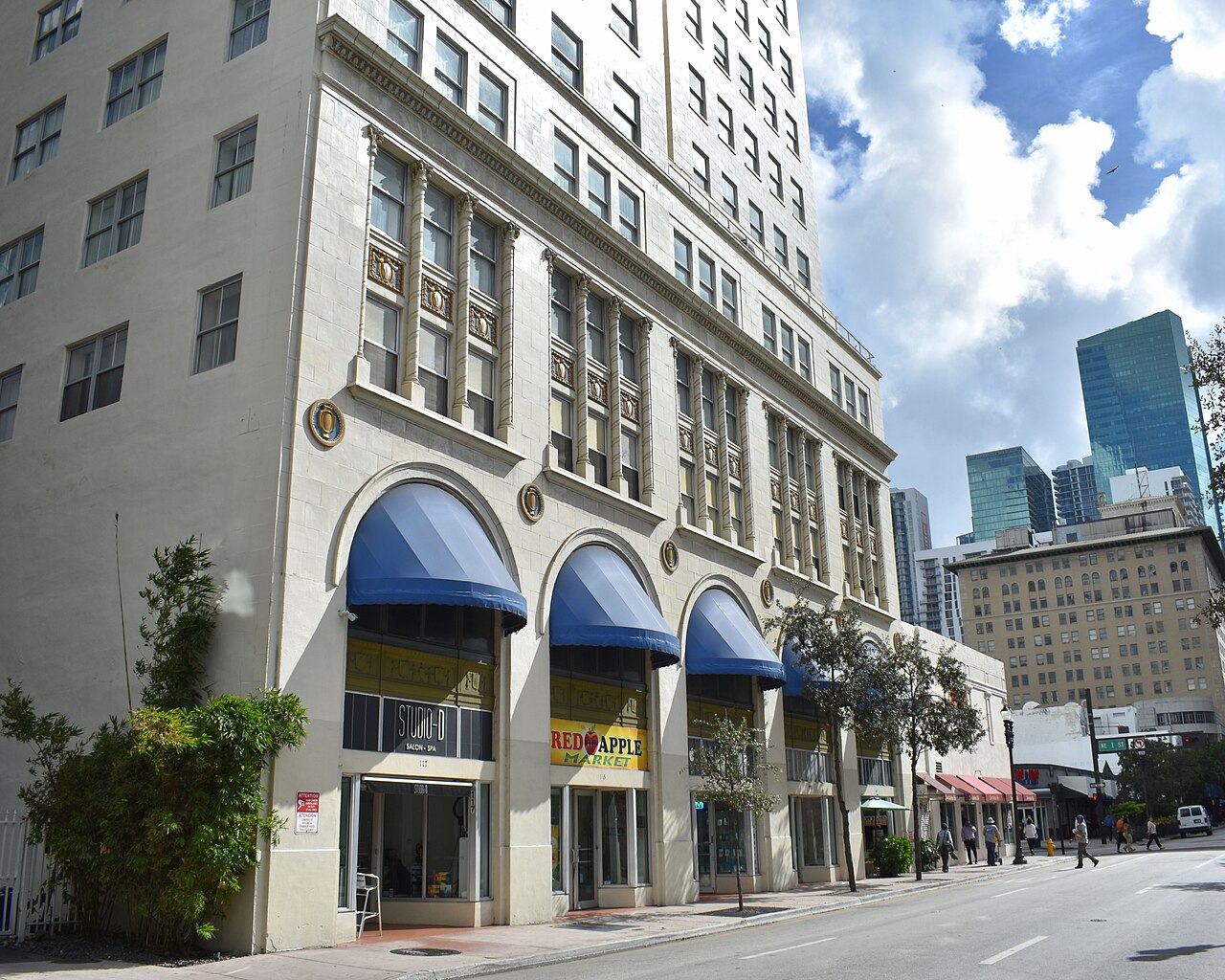
The building remains part of an active commercial district. Stay on public sidewalks, keep entrances clear, and do not enter tenant areas without an explicit welcome. Downtown traffic, bicycles, and pedestrians share limited space, so pause safely before taking photographs. Miami's sun and humidity can make a short walk tiring; carry water and protect yourself from sun. Storms may make exposed streets unpleasant during the warmer months.
Checked 2026-08-26 · Source
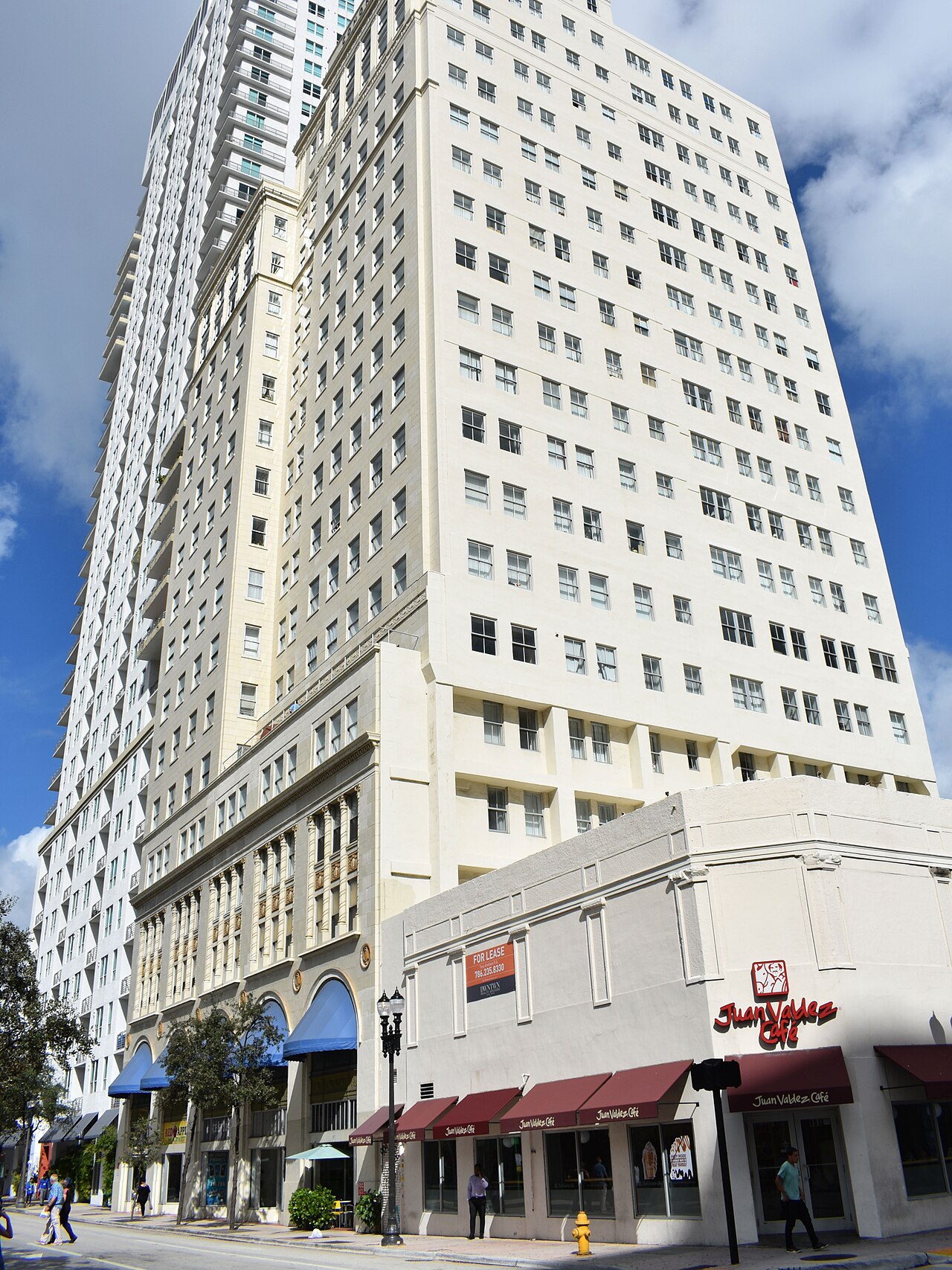
Use the public sidewalk to capture the facade, period character, and its relationship with downtown Miami. Morning and late afternoon often give architectural surfaces more readable light, while a wider frame can place the building within the commercial streetscape. Interior photographs require permission from the relevant tenant or building representative. Keep a tripod and other equipment out of pedestrian paths, and avoid photographing private interiors or people without consent.
Checked 2026-08-26 · Source
It is a historic commercial building in downtown Miami that contributes to the architectural heritage of the city's early business district.
The building is commercial rather than a dedicated visitor attraction. Interior entry depends on the tenant or area involved, so the dependable experience is exterior viewing from public space.
Fifteen to thirty minutes is sufficient for exterior observation and photography, especially as part of a wider downtown walking route.
No ticket is needed to observe the building from public sidewalks. Charges inside would relate to individual commercial tenants.
It is in downtown Miami, an area served by walking routes, Miami-Dade buses, and the Metromover.
Visit to place Miami's early commercial architecture within the living downtown streetscape and to compare this historic building with nearby urban landmarks.
Loading the interactive map…
The interactive map could not be loaded.
Last updated:
Source: OpenStreetMap contributors, Wikidata ·