
26
1 hour
Kennedy Park
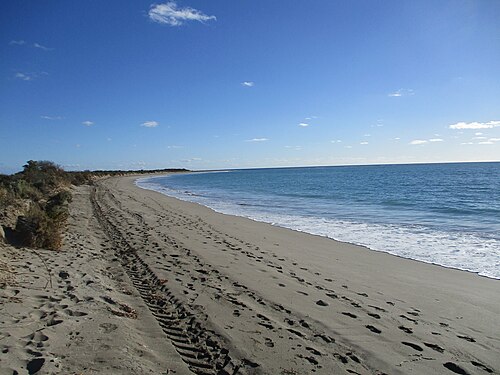
Kennedy Park is a bayfront public recreation area in Coconut Grove, Miami.
- High
- Nature site
City guide · United States
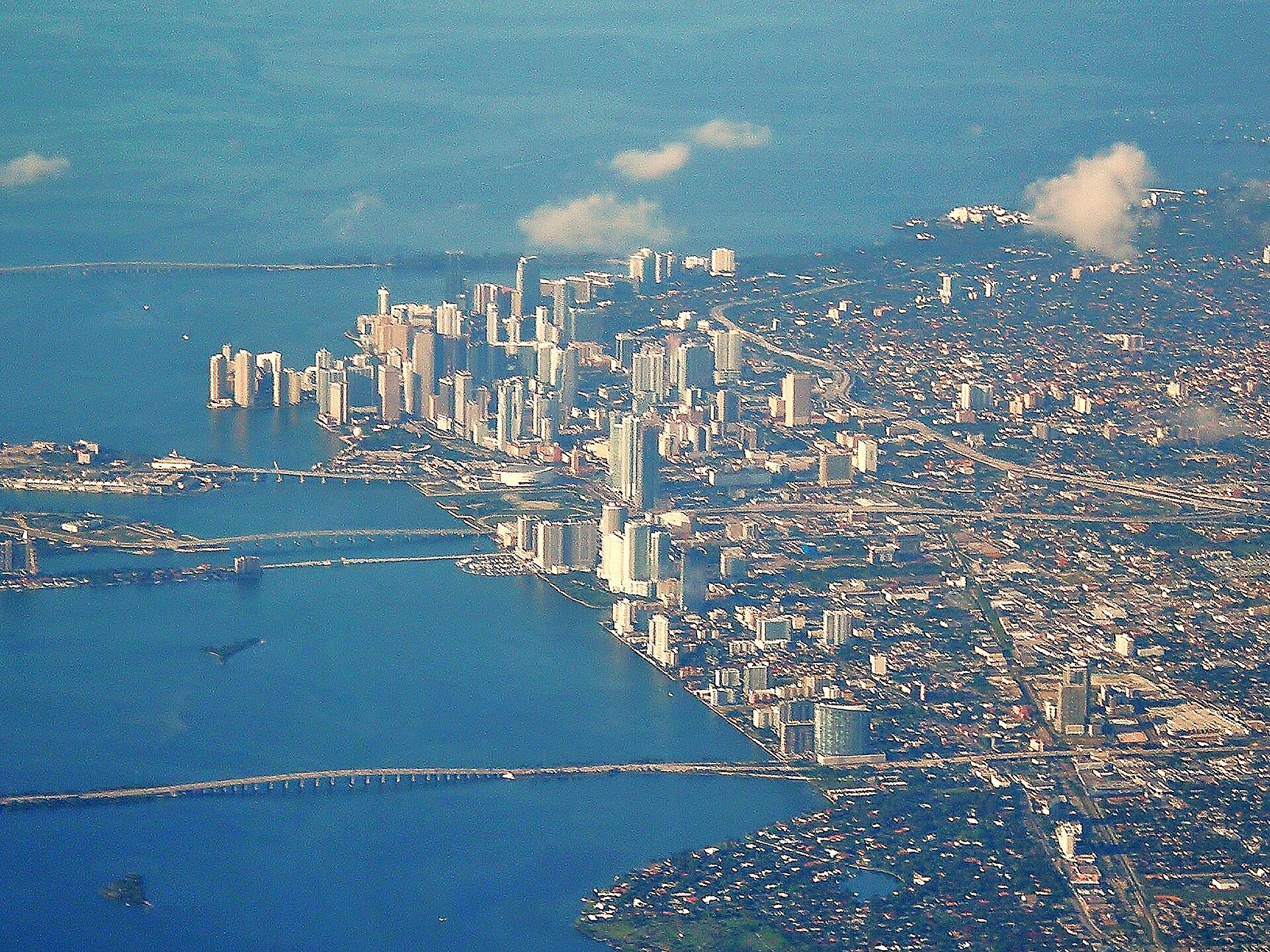
Miami is a dispersed waterfront destination rather than one compact centre. Downtown and Brickell form the urban core on Biscayne Bay; Miami Beach lies across t...
Photograph · Marc Averette · CC BY-SA 3.0
Set your days, your pace and the hours you actually want to be out. The planner works around closing days and travel time, and leaves room to eat.
Editorial responsibility: Elena Voss · Roavina Travel Editor
Miami is a dispersed waterfront destination rather than one compact centre. Downtown and Brickell form the urban core on Biscayne Bay; Miami Beach lies across the causeways, while Wynwood, the Design District, Coconut Grove, Coral Gables and Little Havana are separate districts with distinct identities. Plan by area and avoid assuming that places sharing a Miami address are within an easy walk of one another.
Checked 2026-08-26
November · November stays within the official Atlantic hurricane season through November 30, though it is beyond the main activity peak.
Ranked by importance — sitelinks, pageviews and heritage status, not editor preference.
29 places match
Category
Typical visit duration
Good for
Interests
Kennedy Park is a bayfront public recreation area in Coconut Grove, Miami.
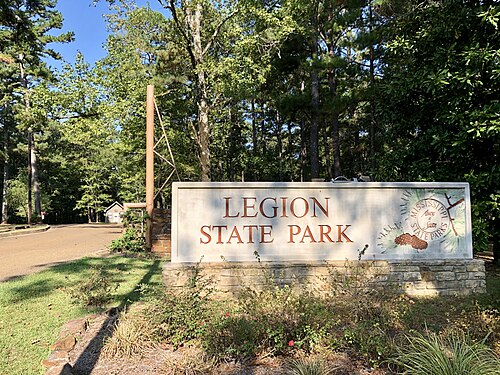
Legion Park is a public waterfront park on Biscayne Bay in Miami. Its appeal comes from open green space, bay views, and a relaxed setting within the city.
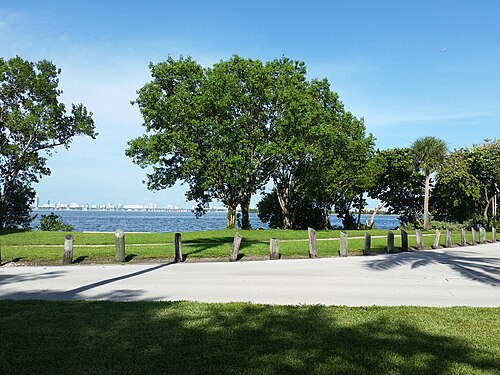
Morningside Park is a bayside recreation park in Miami’s Morningside historic district. The park gives the residential neighborhood a green waterfront setting beside Biscayne Bay, with room for informal outdoor time and views over the water.
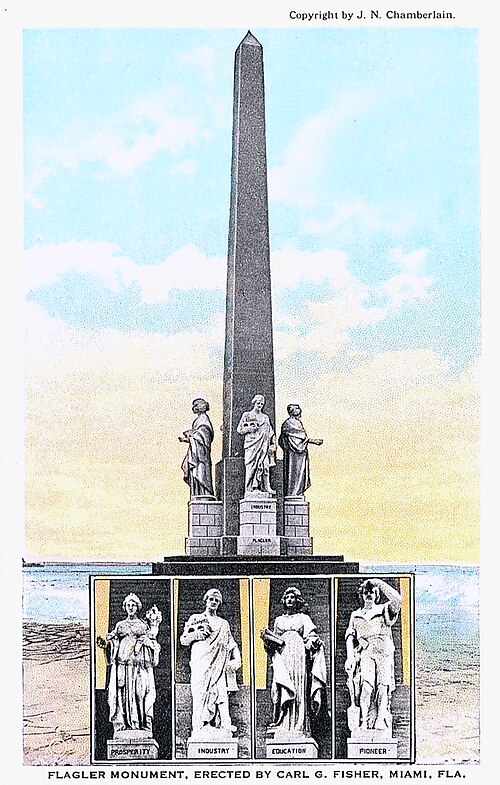
Flagler Memorial Monument is an outdoor memorial on Miami's Venetian Islands, honoring Henry Flagler. Flagler was a railroad pioneer whose work transformed Florida's east coast and helped shape Miami's development.
Biscayne Bay separates mainland Miami from Miami Beach. Downtown and Brickell sit on the mainland waterfront; Wynwood and the Design District are north, Little Havana is west, and Coconut Grove and Coral Gables are southwest. South Beach occupies the southern end of Miami Beach and is a destination in its own right. Causeways and waterways shape every cross-city journey, so combine attractions on the same side of the bay.
Checked 2026-08-26
Use Metrorail for selected mainland corridors, Metrobus for broader coverage and the free Metromover within Downtown, Omni and Brickell. Miami Beach, the City of Miami and Coral Gables also operate local trolley services. Walking is practical inside individual districts but not between most of them. Check Miami-Dade Transit and municipal service notices before travelling, especially when moving between the mainland and the beach.
Checked 2026-08-26
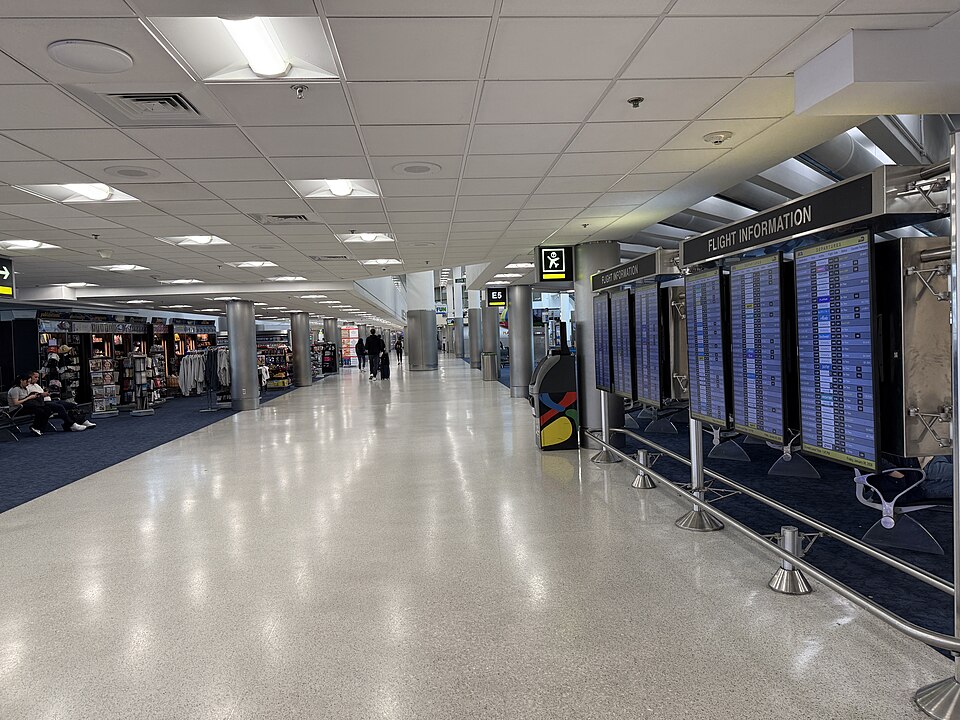

Suggested stay for a first visit: 3–4 days. Build the visit around separate district days for Downtown and Brickell, Miami Beach, and the mainland neighbourhoods that interest you.
No. Miami is on the mainland and Miami Beach is a separate city across Biscayne Bay. Causeways connect them, but they should be planned as separate areas.
Yes. Miami-Dade operates Metromover as a free elevated service linking stations in Downtown, Omni and Brickell, with connections to other transit services.
No. Individual districts can be walkable, but the destination is spread across the mainland, islands and causeways. Use transit or another connection between districts.
Combine Downtown with Brickell, pair Wynwood with the Design District, and treat Little Havana, Coconut Grove and Coral Gables as separate mainland clusters.

