
5 min walk
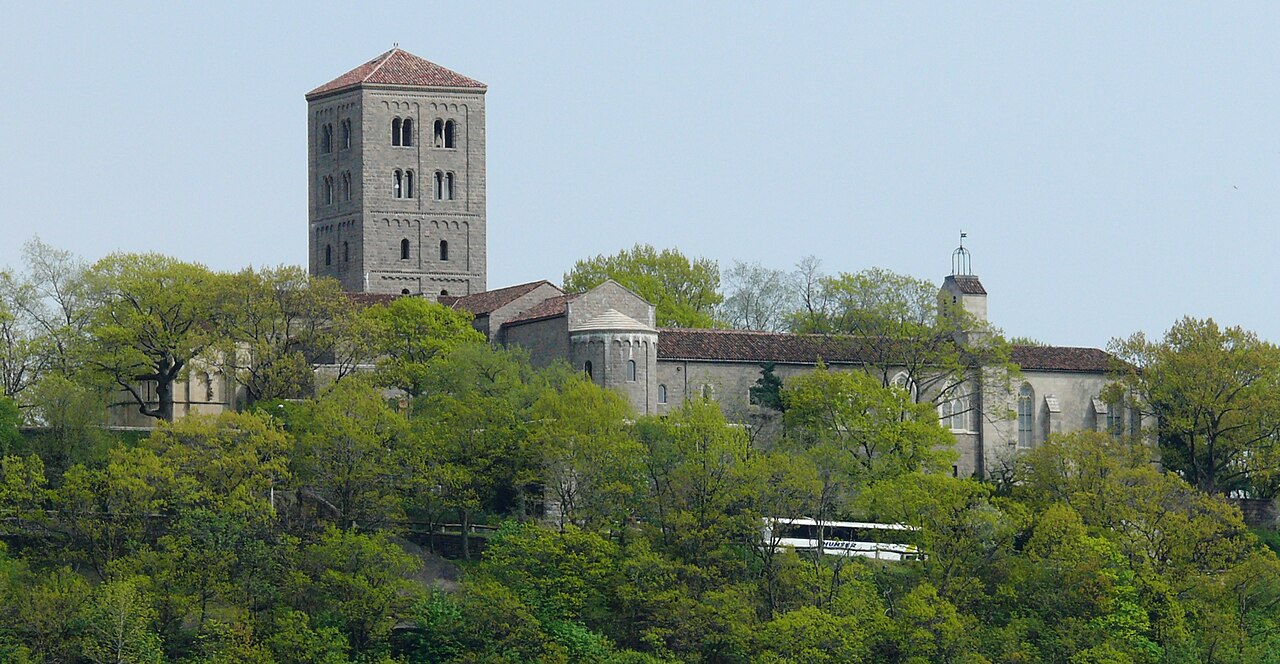
The Cloisters
- Must see · Heritage site
- Historic monument
Nature site · New York
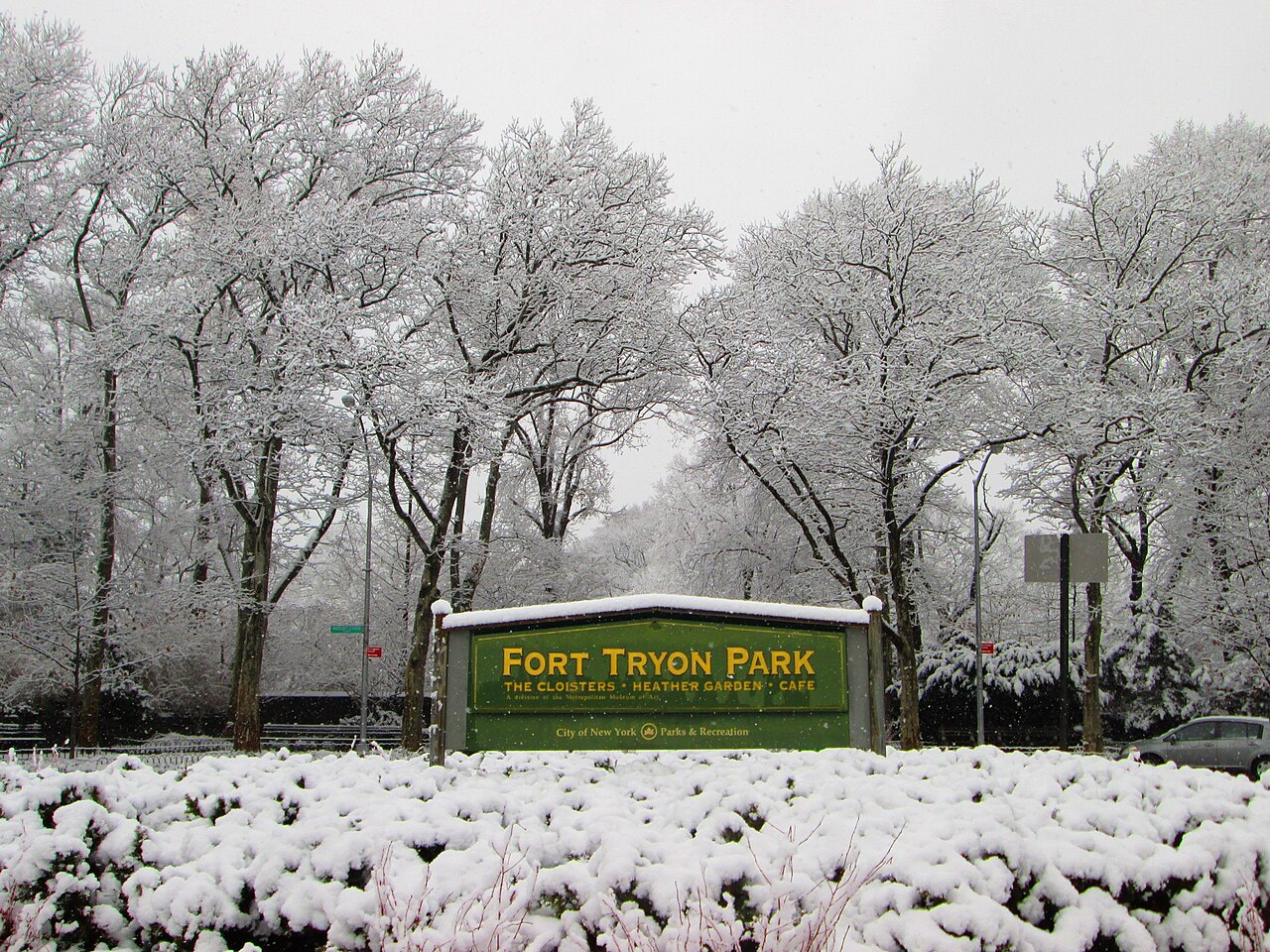
Fort Tryon Park is a public park in Upper Manhattan, set on elevated ground above the Hudson River and the New Jersey Palisades. Designed by Frederick Law Olmsted Jr. and opened in 1935, it combines wooded slopes, gardens, rocky outcrops, paths, lawns, and overlooks. The park also contains The Cloisters, the Metropolitan Museum of Art branch devoted to medieval European art and architecture. Fort Tryon Park is a public park in Upper Manhattan, New York City. It occupies elevated terrain in the Hudson Heights neighborhood, offering views of the Hudson River and the Palisades. The park was designed by Frederick Law Olmsted Jr. and opened in 1935. It is notable for containing The Cloisters, a branch of the Metropolitan Museum of Art dedicated to medieval art and architecture. The park's landscape includes wooded areas, gardens, and rocky outcrops characteristic of the site's natural topography. Yes, access to the park grounds is free of charge. The Cloisters museum inside the park requires separate admission.
Checked 2026-08-26 · Source
Explore the Billings Lawn, Heather Garden, Linden Terrace, wooded paths, seating areas, memorials, and historical markers. The landscape shifts between cultivated planting and rugged terrain, with viewpoints opening toward the Hudson and Palisades. The Cloisters adds an indoor museum experience within the park, with medieval art and architectural elements. Different entrances lead to different parts of the grounds, so the park feels more varied than a single central lawn. The park contains The Cloisters museum, which houses medieval European art and architectural elements. The Billings Lawn and the Heather Garden provide cultivated green spaces. There are walking paths throughout the wooded areas, and the park features the Linden Terrace, a prominent overlook point. The Fort Tryon Park Trust supports maintenance and programming. Memorials and historical markers are present on the grounds. The park's natural terrain includes steep slopes and exposed rock formations. Recreational facilities and seating areas are distributed through the landscape.
Checked 2026-08-26 · Source
A straightforward walk through the principal paths and viewpoints can take about one hour. Allow two hours or more when you include the Heather Garden, Linden Terrace, wooded sections, photographs, and time on the lawns. Add separate time for The Cloisters if you plan to enter the museum. Your pace will depend on the steep terrain, weather, and how long you linger at river and Palisades views.
Checked 2026-08-26 · Source
The park’s gardens change with the seasons, while the elevated setting can feel windier and cooler than lower Manhattan. Daytime visits make the most of the paths, lawns, and overlooks. Summer brings greenery but can feel humid; wet or icy conditions make slopes and uneven surfaces harder to negotiate. The Cloisters follows its own schedule, so a combined park-and-museum outing requires coordination between the outdoor and indoor parts.
Checked 2026-08-26 · Source
Entry to the Fort Tryon Park grounds is free. The Cloisters, located within the park, is a separate museum visit governed by Metropolitan Museum of Art ticketing arrangements. This makes the park a useful low-cost outdoor stop even when you do not enter the museum. Special events and programs can follow different arrangements, while the park itself remains the principal free experience described here.
Checked 2026-08-26 · Source
The A train serves Dyckman Street, providing subway access to the park, followed by an uphill walk to the elevated grounds. Bus routes serve the surrounding Upper Manhattan streets, and bicycles can approach through the neighborhood road network. Fort Tryon has several entrances, so your chosen route affects which lawn, garden, or overlook you reach first. Travelers with mobility limitations should choose a route carefully because steep paths are part of the landscape.
Checked 2026-08-26 · Source
Wear shoes suited to steep and uneven paths, especially after rain or during icy weather. Exposed slopes and the Hudson overlook require attention to footing and edges. Some wooded areas are quieter and less visible than the main lawns. Wind can be stronger on the heights, while lighting is limited in parts of the park after dark. Stay on designated paths and plan the return route before exploring the farther sections.
Checked 2026-08-26 · Source
Linden Terrace and other overlooks frame the Hudson River, George Washington Bridge, and New Jersey Palisades. The Cloisters, its gardens, the Heather Garden, lawns, memorials, and wooded paths provide additional subjects. Morning and evening light changes the appearance of the river and distant cliffs, while haze and fog can reduce visibility. Seasonal flowers add color in the Heather Garden, and the elevated terrain creates broad landscape compositions.
Checked 2026-08-26 · Source
Yes. Access to the park grounds is free. The Cloisters museum inside the park is a separate attraction with separate admission arrangements.
The A train serves Dyckman Street. From the station, continue uphill on foot to reach the elevated park entrances.
The Cloisters is a museum located within Fort Tryon Park. The park is the larger public landscape, while The Cloisters belongs to the Metropolitan Museum of Art.
The park offers views toward the Hudson River, George Washington Bridge, and New Jersey Palisades, along with gardens, lawns, woodland, and rocky terrain.
Allow about one hour for the main paths and viewpoints, or two hours or more for gardens, overlooks, woodland, lawns, and photography.
Expect elevated ground, steep slopes, uneven paths, exposed rock, and uphill walking from some transit approaches. Comfortable footwear is useful, especially in wet or icy weather.
Loading the interactive map…
The interactive map could not be loaded.

Last updated:
Source: OpenStreetMap contributors, Wikidata ·