
5 min walk
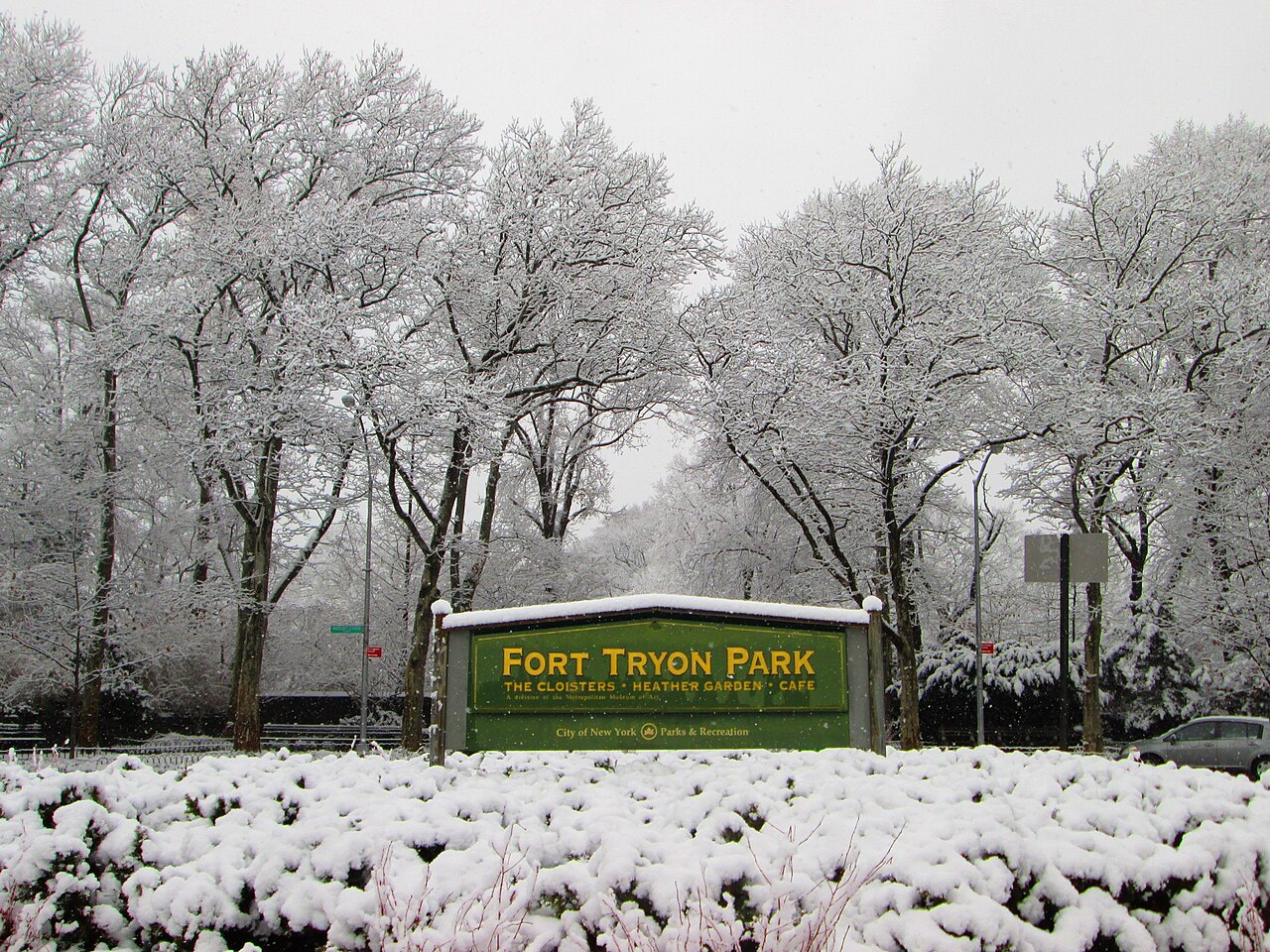
Fort Tryon Park
- Notable · Heritage site
- Nature site
Historic monument · New York
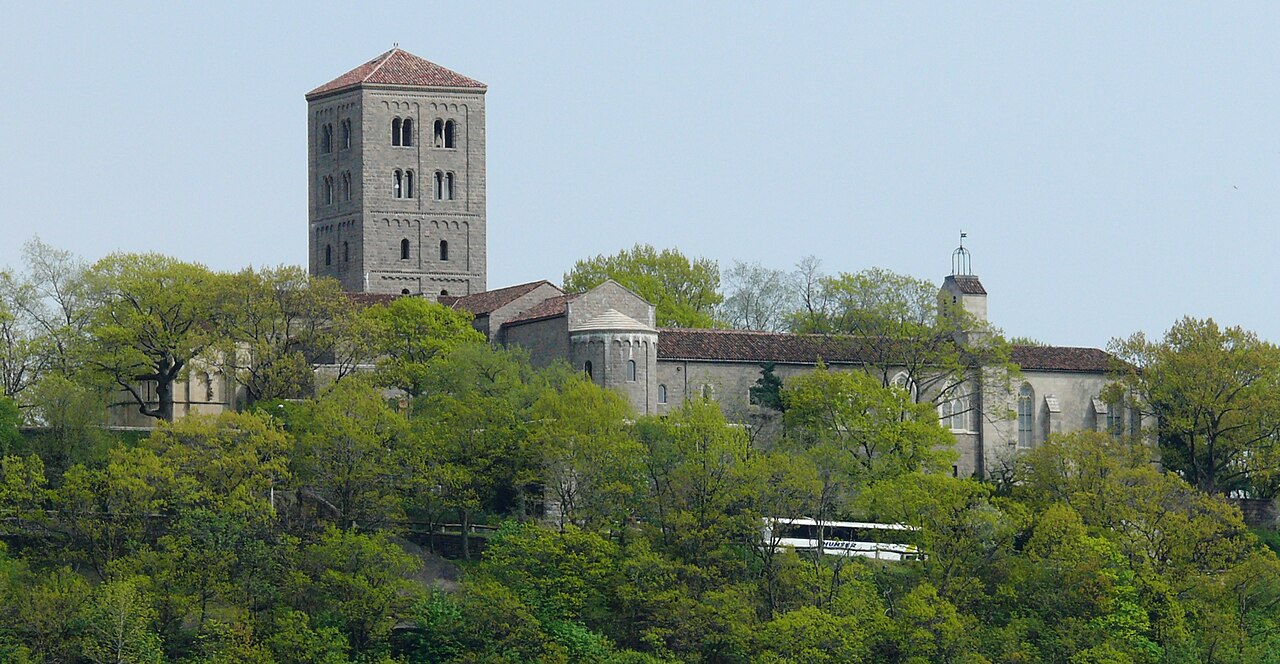
The Cloisters is a branch of The Metropolitan Museum of Art dedicated to the art and architecture of medieval Europe. Located in Fort Tryon Park in northern Manhattan, it occupies a commanding position overlooking the Hudson River. The museum comprises a complex of reconstructed medieval cloisters, gardens, and chapels integrated with modern exhibition spaces. Its name derives from the architectural elements around which the collection is organized. The structure incorporates authentic medieval stonework transported from European monastic sites, creating an immersive historical atmosphere that distinguishes it from conventional museum presentations.
Checked 2026-08-26 · Source
The collection encompasses approximately five thousand works of European art dating from the ninth through sixteenth centuries. Strengths include illuminated manuscripts, metalwork, enamels, tapestries, and sculpture. The Unicorn Tapestries constitute the most celebrated holding, a series depicting hunt and capture of a mythical creature. Medieval architectural elements include Romanesque and Gothic doorways, windows, and arcades. The Trie-en-Bigorre garden features plants documented in medieval sources. Ecclesiastical objects range from reliquaries to choir stalls. The treasury displays precious vessels and devotional items. Manuscript illuminations represent major scriptoria across Western Europe.
Checked 2026-08-26 · Source
Visitor duration varies substantially based on individual engagement with medieval art. Casual visitors typically allocate two to three hours for the principal galleries and gardens. Those with specialized interest in tapestries, manuscripts, or architectural history may extend considerably longer. The compact site layout permits efficient circulation without extensive walking between displays. The surrounding Fort Tryon Park offers additional walking opportunities that visitors often combine with museum attendance. Audio guide availability and label density influence reading time. Personal pacing allows flexible scheduling within operational constraints.
Checked 2026-08-26 · Source
Seasonal considerations affect both museum experience and park access. Spring and autumn provide favorable conditions for the reconstructed medieval gardens, which integrate with the architectural program. Summer brings fuller botanical display but increased visitor density. Winter offers reduced crowding though limited garden interest. Weather conditions impact the approach through Fort Tryon Park. Visitors should verify current opening schedules directly with The Metropolitan Museum of Art before planning. Special exhibitions and program schedules may influence timing decisions. Weekend versus weekday patterns follow typical museum visitation trends without specific data available.
Checked 2026-08-26 · Source
Admission operates under The Metropolitan Museum of Art's institutional policies. The Cloisters branch is included in general Met admission, permitting same-day access to the main Fifth Avenue building if desired. Historical pay-what-you-wish policies for New York State residents have undergone modifications requiring direct verification. Current pricing structures, membership benefits, and reciprocal arrangements must be confirmed with the institution. Online reservation requirements implemented at various periods may persist. Group rates, educational discounts, and accessibility accommodations should be discussed with visitor services. Proof of residency may affect admission category.
Checked 2026-08-26 · Source
The Cloisters occupies a relatively isolated position at Manhattan's northern extremity. Public transportation involves subway to northern Manhattan followed by bus connection or significant walking through Fort Tryon Park. The A train to 190th Street station provides the nearest subway access, with elevator connection to park level. Bus routes M4 and M98 serve nearby stops with varying frequency. Private vehicle access involves limited parking availability within Fort Tryon Park. The scenic approach rewards the additional transit complexity. Cyclists should note topographical challenges of the Hudson Heights terrain. Accessibility accommodations for the park approach require advance planning.
Checked 2026-08-26 · Source
The museum's elevated position exposes visitors to weather conditions more severe than lower Manhattan. Wind and temperature differentials affect comfort in outdoor cloister areas and garden spaces. Footwear appropriate for park walking proves essential given the approach terrain. The medieval architectural reconstruction incorporates uneven surfaces, steps, and low doorways reflecting historical authenticity rather than modern standards. Interior lighting in some areas maintains subdued levels appropriate to artifact preservation. Limited dining options within immediate vicinity necessitate advance planning. Cellular reception may be inconsistent in the stone structure and surrounding parkland. Security screening follows standard museum protocols.
Checked 2026-08-26 · Source
Photography policies follow The Metropolitan Museum of Art's institutional guidelines. Flash photography restrictions typically apply to protect light-sensitive materials including tapestries, manuscripts, and pigments. Tripod and monopod use generally prohibited without special arrangement. Specific temporary exhibitions may impose additional restrictions. The architectural setting and garden views permit exterior photography subject to park regulations. Commercial photography and filming require advance permission through institutional channels. Selfie sticks and similar equipment may be restricted. Visitors should observe posted signage in individual galleries and respect staff guidance. Reproduction quality varies with available lighting conditions throughout the medieval structure.
Checked 2026-08-26 · Source
No, it is a branch of The Metropolitan Museum of Art, sharing institutional governance and admission systems while maintaining distinct curatorial focus on medieval European art and architecture.
Same-day access to both locations has historically been permitted under single admission, though verification of current policy with the institution is advisable given distance between sites.
The complex incorporates authentic medieval stonework transported from European sites, integrated with modern construction to create functional museum spaces around reconstructed cloister elements.
The Unicorn Tapestries constitute a celebrated holding; specific rotation or conservation status should be confirmed with the institution prior to visit.
Dining options within the immediate vicinity are limited; visitors should plan accordingly, with Fort Tryon Park offering some recreational amenities.
The approach through Fort Tryon Park presents topographical challenges; specific accessibility accommodations and services should be discussed directly with museum visitor services in advance.
Loading the interactive map…
The interactive map could not be loaded.

Last updated:
Source: OpenStreetMap contributors, Wikidata ·