
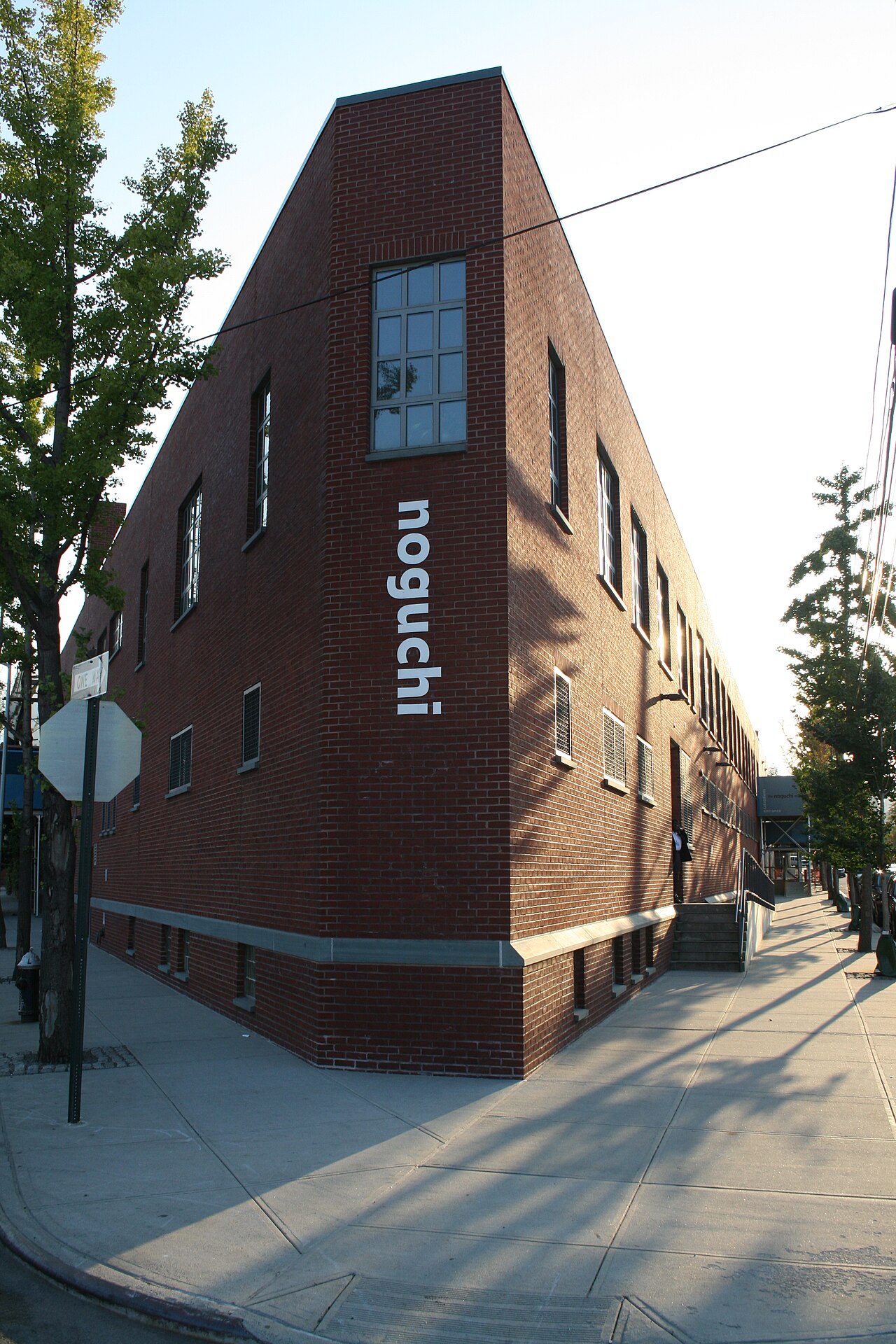
21 min walk
Noguchi Museum
- High
- Museum
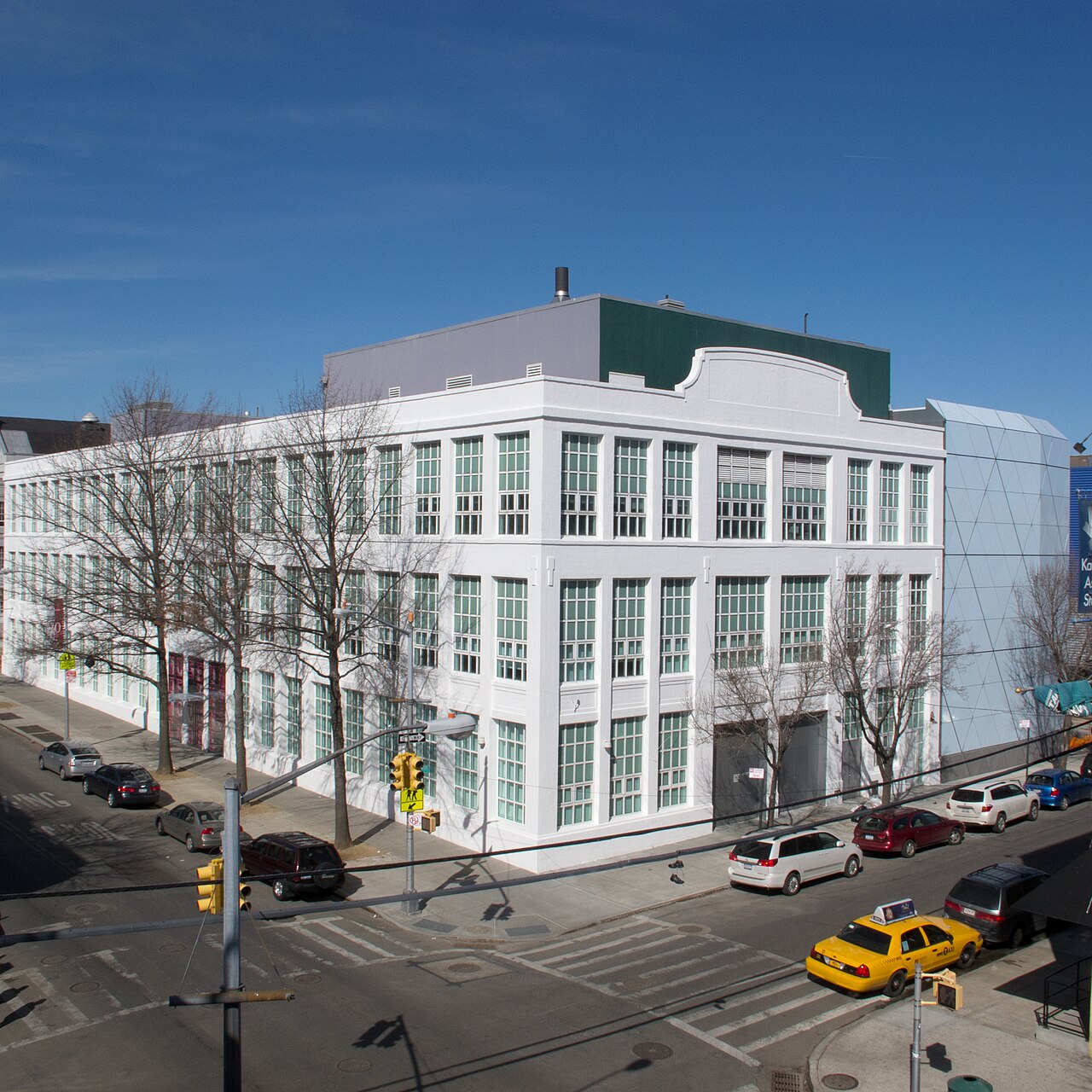
Museum · New York
Museum of the Moving Image is a museum in Astoria, Queens, devoted to film, television, and digital media. It brings together the creative, technical, and cultural sides of moving images in one visit. The museum is especially rewarding for travelers who enjoy cinema history, behind-the-scenes technology, television production, interactive media, and the way audiences experience screens. The Museum of the Moving Image is a media museum located in Astoria, Queens, New York City. It is dedicated to the art, history, technique, and technology of film, television, and digital media. The institution occupies a distinctive building that has been adapted for museum purposes. It serves as a cultural institution examining how moving images are created, exhibited, and experienced. The museum combines exhibition galleries with screening facilities and educational spaces. It represents a significant cultural destination within New York City's diverse museum landscape, particularly for those interested in media arts and cinematic heritage. The museum offers interactive elements that may engage younger visitors, though suitability depends on individual child interests and specific exhibition content. Parental guidance is advisable.
Checked 2026-08-26 · Source
Inside, visitors encounter exhibition galleries with objects and displays connected to moving-image production and history. Film and television equipment, costumes, props, and production materials help explain how images are made. Interactive displays invite visitors to explore media creation, while screening facilities support films and public programmes. The combination makes the museum more than a collection of static objects. The museum contains exhibition spaces presenting artifacts and interactive displays related to moving image production and history. Collections and displays typically include film and television equipment, costumes, props, and other production materials. Interactive elements allow visitors to engage with aspects of filmmaking and media creation. The museum also maintains screening facilities for film presentations and public programs. Educational components may include demonstrations or workshops.
Checked 2026-08-26 · Source
Allow enough time to move through the galleries at an unhurried pace, particularly if interactive displays hold your attention. A shorter visit can provide an introduction to the museum, while a longer visit suits travelers who want to study equipment, costumes, and production objects closely. A screening or public programme can extend the visit and should be treated as a separate part of the day. Visitor duration at the Museum of the Moving Image varies considerably based on individual interests and exhibition engagement. Those with strong interest in media history and interactive displays may spend extended periods examining detailed exhibits. Casual visitors typically require less time for a general overview. The presence of screening programs may extend visits substantially.
Checked 2026-08-26 · Source
The museum works well as an indoor stop in an Astoria day, offering a focused alternative to outdoor sightseeing. Choose a quieter part of your day if you want to spend time with detailed displays and interactive elements. Weekend visits, school holidays, special exhibitions, and screening events can make the building busier. The museum can also anchor a rainy-day plan in Queens.
Checked 2026-08-26 · Source
Plan this as a dedicated museum visit rather than a quick outdoor sight. Admission is handled by the institution, and the experience may include galleries, screenings, or public programmes. Travelers interested in a particular film event should organize their day around that programme. The museum’s focus on film, television, and digital media gives the visit a clear theme even when exhibitions change.
Checked 2026-08-26 · Source
Museum of the Moving Image is in Astoria, Queens, within New York City’s public-transport network. Reach the neighborhood by subway or bus, then continue on foot through the local streets. A taxi or private vehicle is another option, although driving in New York requires attention to urban traffic and parking. Pairing the museum with nearby Astoria sightseeing creates a more efficient Queens itinerary.
Checked 2026-08-26 · Source
Give interactive equipment and displays the same care you would give any museum object, and follow signs around exhibition boundaries. Children benefit from supervision near interactive installations and screening areas. Crowds may be heavier during popular programmes. Keep personal belongings close in the city and leave enough time for the journey back through Queens after an evening screening or extended visit.
Checked 2026-08-26 · Source
The museum’s displays provide visual subjects ranging from historic equipment to costumes, props, and interactive media. Photograph only where exhibition signs and staff allow it, and avoid interrupting other visitors as they use displays or watch screenings. Details of cameras, screens, and production objects can make stronger images than hurried room views. The building also offers a distinctive setting for architectural photographs.
Checked 2026-08-26 · Source
Families can explore film, television, and digital-media displays, including interactive elements that make the process of creating moving images easier to understand.
The museum covers the art, history, technique, and technology of film, television, and digital media.
Displays include film and television equipment, costumes, props, and other materials connected with moving-image production.
Yes. The museum has screening facilities for film presentations and public programmes, adding a scheduled cinema experience to the gallery visit.
It is located in Astoria, Queens, New York City, and can be reached through the city’s subway and bus network.
It offers a focused look at how moving images are created and experienced, combining historical objects, interactive displays, exhibitions, and screenings.
Loading the interactive map…
The interactive map could not be loaded.
Last updated:
Source: OpenStreetMap contributors, Wikidata ·