_(51522244534).jpg)
2 min walk
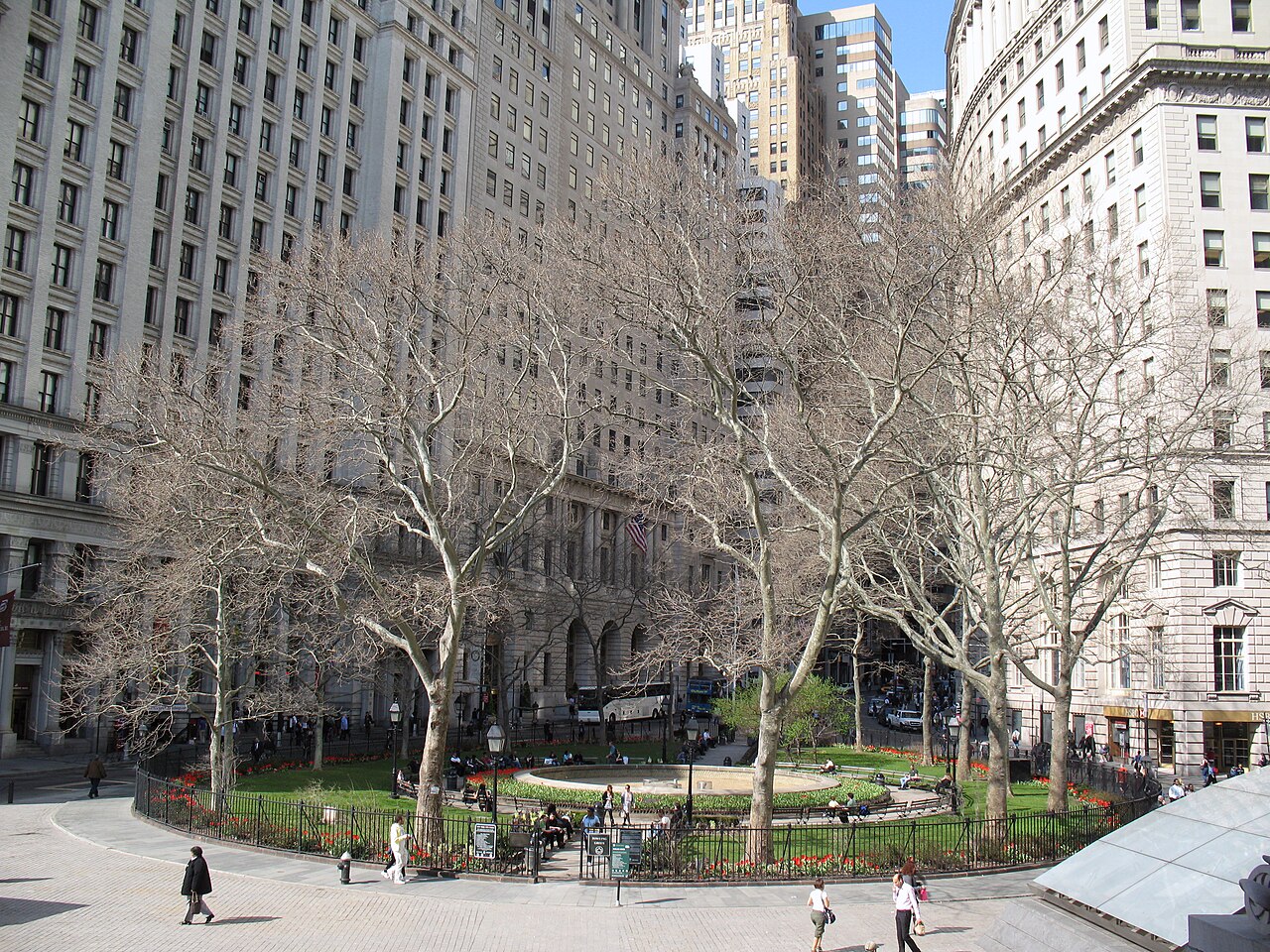
Bowling Green
- Must see · Heritage site
- Nature site

Museum · New York
National Museum of the American Indian
The National Museum of the American Indian George Gustav Heye Center occupies the historic Alexander Hamilton U.S. Custom House in Lower Manhattan. Part of the Smithsonian Institution, it serves as a major repository and exhibition space dedicated to the life, languages, literature, history, and arts of Native Americans. The museum occupies a prominent position in the Financial District near Bowling Green, housed within an architectural landmark designed by Cass Gilbert. Its location in New York City makes it accessible to millions of visitors annually, though it represents only one component of the broader National Museum of the American Indian system.
Checked 2026-08-26
The museum presents permanent and rotating exhibitions featuring Native American objects, contemporary artworks, and cultural materials from indigenous peoples throughout the Americas. Collections span ancient archaeological pieces to modern artistic creations. The Custom House building itself merits attention for its Beaux-Arts architecture, including murals and ornate interior details. Exhibition spaces occupy multiple floors, with the Diker Pavilion for Native Arts and Cultures hosting performances and events. The museum store offers Native American crafts and publications. Research facilities support scholarly work, though general visitor access to archives may be restricted.
Checked 2026-08-26
Visitors typically allocate between ninety minutes and three hours for a meaningful visit, depending on exhibition depth and personal interest. The compact urban location allows combining this destination with nearby Financial District attractions, including Battery Park, the Charging Bull statue, and the Staten Island Ferry terminal. Those with strong interest in Native American history, contemporary indigenous art, or architectural heritage may prefer extended stays. Free admission removes financial pressure to rush. Special exhibitions, films, or cultural demonstrations could extend visit duration substantially beyond baseline estimates for casual observation.
Checked 2026-08-26
Visitors should consult official Smithsonian channels or telephone the museum directly before planning visits. The indoor setting provides climate-controlled comfort year-round, though Manhattan's seasonal tourism patterns affect crowding. Summer months and holiday periods typically draw larger audiences. Weekday mornings may offer quieter experiences. The museum's free admission policy eliminates price-based timing considerations. Special events, exhibition openings, and educational programs occur throughout the year, potentially enriching or complicating visit timing depending on preferences for programming versus tranquil observation. Check the operator's own site for the travel date before relying on a schedule or fare.
Checked 2026-08-26
The National Museum of the American Indian traditionally operates without admission fees as part of Smithsonian Institution policy, though voluntary donations may be solicited. Special exhibitions, films, or events might occasionally carry separate charges. Visitors should verify current financial requirements through official channels before arrival. The free admission model distinguishes this institution from many New York City museums. Group arrangements, educational programs, or facility rentals may involve distinct fee structures not applicable to general individual visitors seeking standard exhibition access. Check the operator's own site for the travel date before relying on a schedule or fare.
Checked 2026-08-26
The museum occupies the Alexander Hamilton U.S. Custom House at One Bowling Green in Lower Manhattan. Multiple subway lines serve the area, with Whitehall-South Ferry, Bowling Green, and Wall Street stations within walking distance. Bus routes provide additional surface transit options. The Staten Island Ferry terminal lies nearby for those arriving by water. Driving presents Manhattan's characteristic challenges: limited parking, congestion, and expense. Bicycle lanes exist in the vicinity. The location's proximity to major Financial District landmarks facilitates incorporation into walking itineraries. Accessibility accommodations should be confirmed directly with the institution.
Checked 2026-08-26
Security screening occurs at federal building entrances, requiring bag inspection and metal detector passage. Photography policies vary by exhibition; visitors should observe posted restrictions and staff guidance. The museum's free admission attracts diverse crowds including school groups, potentially affecting noise levels and space availability. Some exhibitions address sensitive historical topics including colonial violence and cultural displacement, which may disturb younger or sensitive visitors. The historic building presents navigational complexities including stairs and elevators of varying capacity. Nearby construction or security activities associated with federal facilities may affect access routes unpredictably.
Checked 2026-08-26
Photography policies within the National Museum of the American Indian are not uniformly permissive across all spaces. Visitors should expect restrictions in certain galleries, particularly those containing culturally sensitive materials, loaned objects, or temporary exhibitions with special contractual limitations. Flash photography and tripod use are typically prohibited in museum environments. Video recording may face additional constraints. Staff and posted signage provide authoritative guidance for specific locations. The building's architectural features, including exterior facades and public lobbies, generally permit unrestricted photography. Respect for indigenous cultural protocols regarding image-making should inform visitor behavior regardless of formal policy minutiae.
Checked 2026-08-26
The Smithsonian Institution traditionally operates this museum without admission fees, though voluntary donations may be requested. Visitors should verify current policies through official channels.
The museum occupies the Alexander Hamilton U.S. Custom House, a Beaux-Arts landmark designed by Cass Gilbert, representing significant federal architecture in New York City.
Yes, the museum store offers Native American crafts, publications, and related merchandise for purchase.
Specific tour schedules and availability are Not recorded pending review; visitors should consult official museum communications for current programming.
The historic building presents architectural complexities; visitors requiring specific accommodations should contact the museum directly to confirm available services and access routes.
Standard museum policies typically restrict food and beverages in exhibition spaces to protect collections; visitors should observe posted regulations or inquire with staff upon arrival.
Loading the interactive map…
The interactive map could not be loaded.

Last updated:
Source: OpenStreetMap contributors, Wikidata ·