
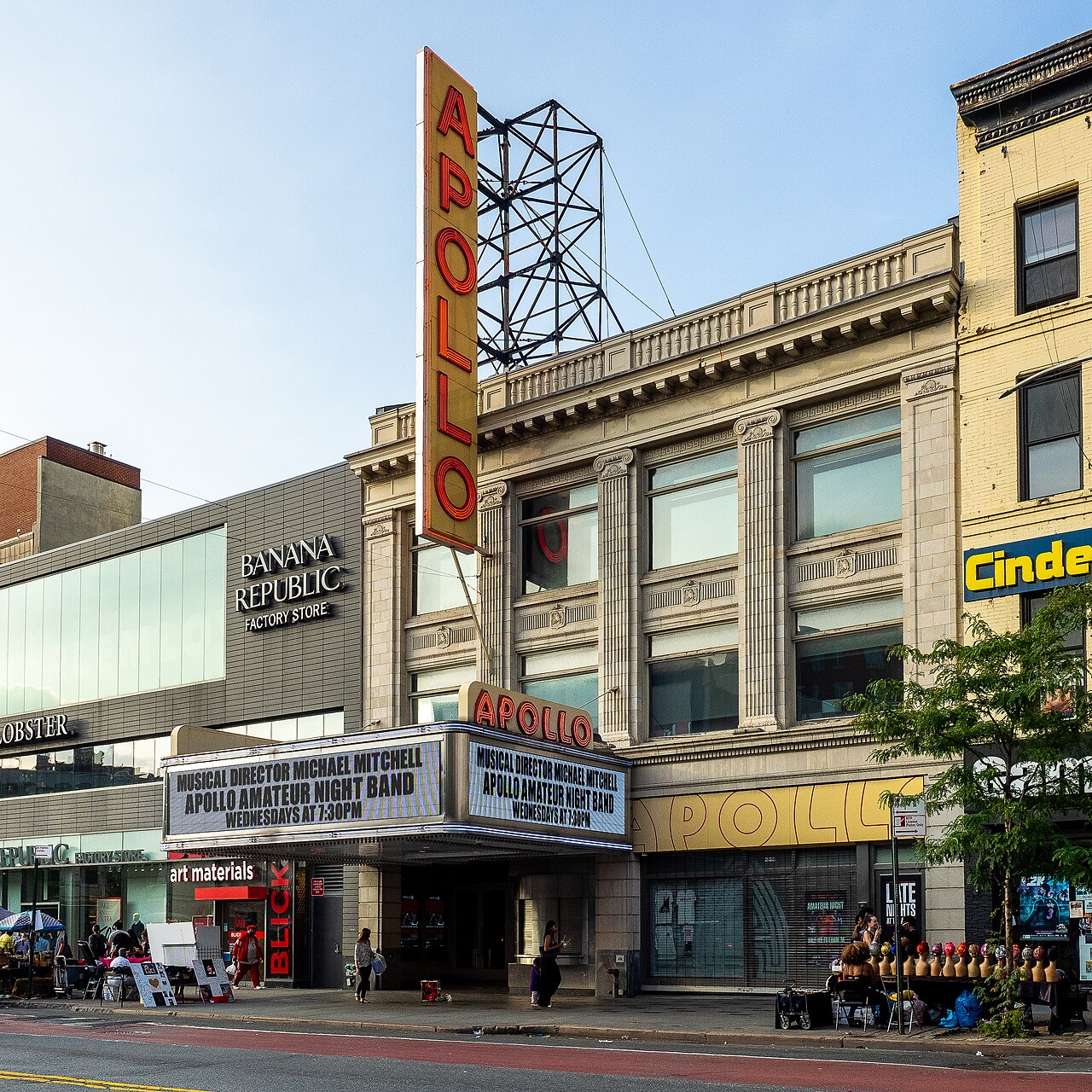
4 min walk
Apollo Theater
- Must see · Heritage site
- Art and culture venue
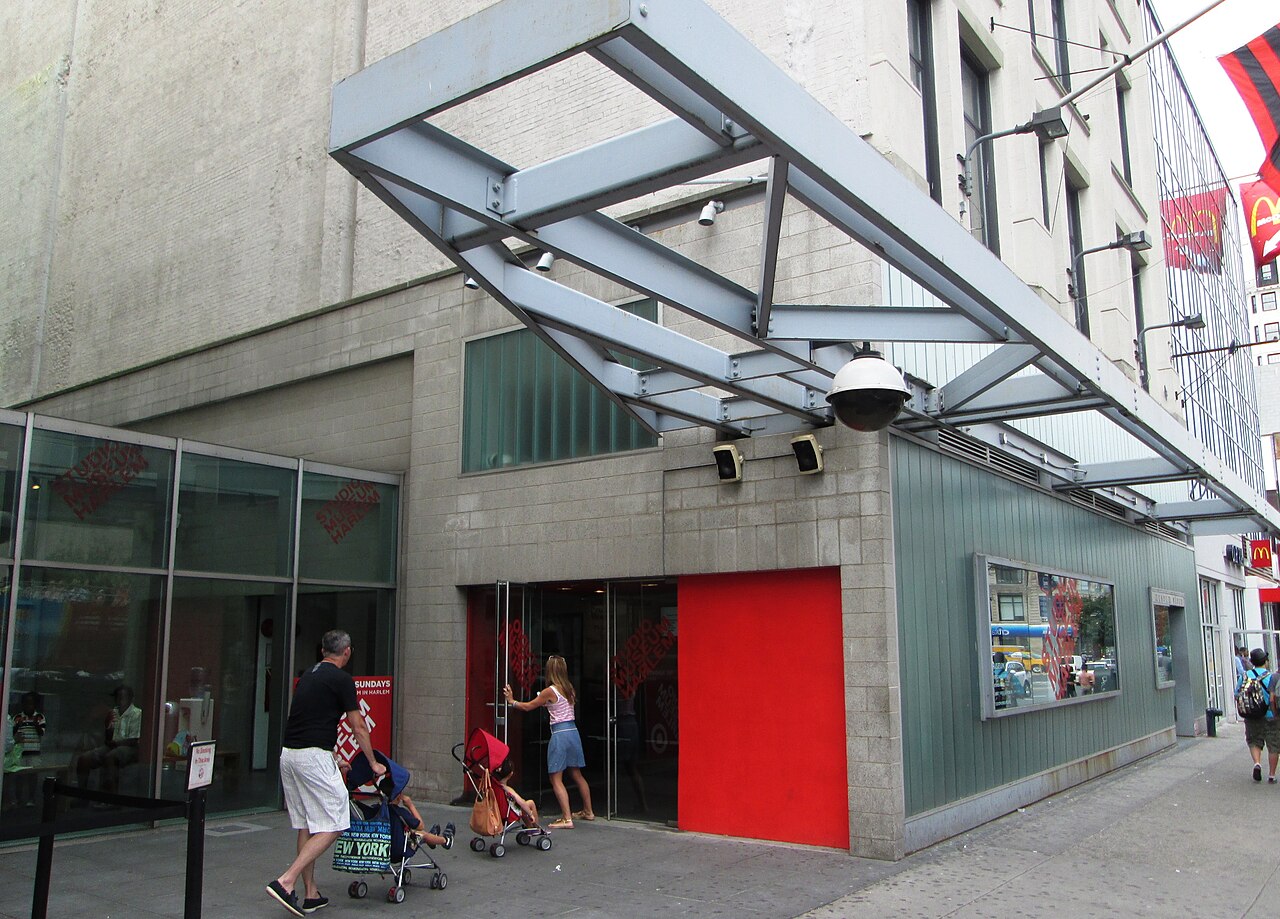
Museum · New York
The Studio Museum In Harlem
The Studio Museum in Harlem is a contemporary art museum dedicated to artists of African descent locally, nationally, and internationally. Founded in 1968, it serves as a cultural anchor in the Harlem neighborhood of Manhattan. The institution supports emerging and established artists through exhibitions, residencies, and public programs. Its mission centers on promoting the work of Black artists and fostering dialogue about art and society. The museum has operated from temporary locations during construction of a new permanent facility. A flexible visit lets travellers connect Studio Museum in Harlem with the rest of the day without treating one room, viewpoint or photograph as the whole experience. The useful pace depends on personal interest and conditions on arrival.
Checked 2026-08-26
The museum presents rotating exhibitions of modern and contemporary art by Black artists working across diverse media. Its collection encompasses paintings, photographs, drawings, and mixed-media works. The institution has historically maintained artist-in-residence programs that nurture creative development. Educational programming includes lectures, performances, and community engagement initiatives. The museum's archives and research materials support scholarly inquiry into African diasporic art practices. Site-specific installations and thematic group shows regularly transform the exhibition spaces. Studio Museum in Harlem also earns time in a new york itinerary because Exact unique production name match within the declared city scope. Its value becomes clearer when the stop is compared with the surrounding streets and the other ranked places nearby.
Checked 2026-08-26
Visitors typically allocate between one and two hours for a comprehensive experience of the museum's exhibitions. Duration varies considerably based on individual engagement with artworks, participation in guided programming, and attendance at scheduled events. The compact scale of temporary facilities generally permits efficient viewing, though dedicated art enthusiasts may prefer extended contemplation of individual pieces. Special exhibitions with substantial accompanying materials warrant additional time. Visitors should consult current programming schedules to plan accordingly for talks or performances they wish to attend.
Checked 2026-08-26
Visitors must verify current opening schedules directly with the museum before planning their trip. Seasonal considerations for Harlem include moderate spring and autumn weather conducive to neighborhood exploration alongside a museum visit. Summer brings increased tourism throughout New York City. Winter visits may offer quieter gallery experiences. The museum's programming calendar may influence timing preferences for those seeking specific exhibitions or events. Advance confirmation of operational status remains essential given construction-related relocations. Check the operator's own site for the travel date before relying on a schedule or fare.
Checked 2026-08-26
Admission structures for New York City museums commonly include suggested donations, fixed fees, or free-entry policies with variations for adults, seniors, students, and children. Many institutions participate in reciprocal programs or offer free hours periodically. Visitors should consult the museum's official communications for definitive pricing, reservation requirements, and any documentation needed for discounted entry. Membership options may exist for frequent visitors supporting institutional missions. Financial accessibility programs are standard practice among comparable cultural organizations. Check the operator's own site for the travel date before relying on a schedule or fare.
Checked 2026-08-26
The museum resides in Harlem, Manhattan, accessible via New York City public transportation. The subway system serves the area through multiple lines with stations requiring walking distances. Metropolitan Transportation Authority buses provide additional routing options. Taxi and rideshare services operate throughout the borough. Street parking exists though availability fluctuates significantly. Visitors unfamiliar with Harlem should study transit maps beforehand. The neighborhood's grid system facilitates navigation once arrived. Walking from nearby subway stations permits observation of Harlem's architectural and commercial character en route to the museum.
Checked 2026-08-26
Visitors should verify the museum's current operational location, as facility construction has necessitated temporary relocations. Neighborhood awareness appropriate to any urban environment applies in Harlem, particularly regarding personal belongings and situational attentiveness. Gallery etiquette standard to museums worldwide governs behavior: maintaining appropriate distances from artworks, supervising children, and following staff guidance. Photography policies may restrict certain works or spaces. Accessibility accommodations should be confirmed in advance. Construction activity near the permanent site may affect pedestrian pathways and surrounding street conditions.
Checked 2026-08-26
Photography policies at art museums typically prohibit flash photography to protect sensitive works and may restrict all imaging of certain exhibitions due to artist rights or lender requirements. Visitors should observe posted signage and staff instructions regarding permissible photography. Non-flash photography of permanent collection areas is often permitted for personal use. Tripods, selfie sticks, and commercial photography generally require advance authorization. Social media sharing may be encouraged within designated parameters. When uncertain, visitors should request clarification from museum personnel to ensure compliance with institutional and copyright protections.
Checked 2026-08-26
The museum has operated from temporary locations during construction of its new permanent facility. Visitors must verify current operational status and location directly with the institution before planning a visit.
The museum specializes in contemporary art by artists of African descent, encompassing paintings, photographs, drawings, mixed-media works, and installations by emerging and established practitioners locally, nationally, and internationally.
The museum is accessible via New York City subway lines and MTA buses serving Harlem, Manhattan. Specific routing depends on the museum's current operational location, which should be confirmed before travel.
Visitors should consult the museum's official communications for definitive current pricing, reservation requirements, and any available discounts or free-entry programs. Check the operator's own site for the travel date before relying on a schedule or fare.
Yes, the institution historically provides artist residencies, lectures, performances, educational initiatives, and community engagement programs supporting its mission to foster dialogue about art and society.
Photography policies vary by exhibition and artwork. Visitors should observe posted signage, refrain from flash photography unless explicitly permitted, and seek staff guidance when uncertain about specific restrictions.
Loading the interactive map…
The interactive map could not be loaded.
Last updated:
Source: OpenStreetMap contributors, Wikidata ·