
01Restaurant
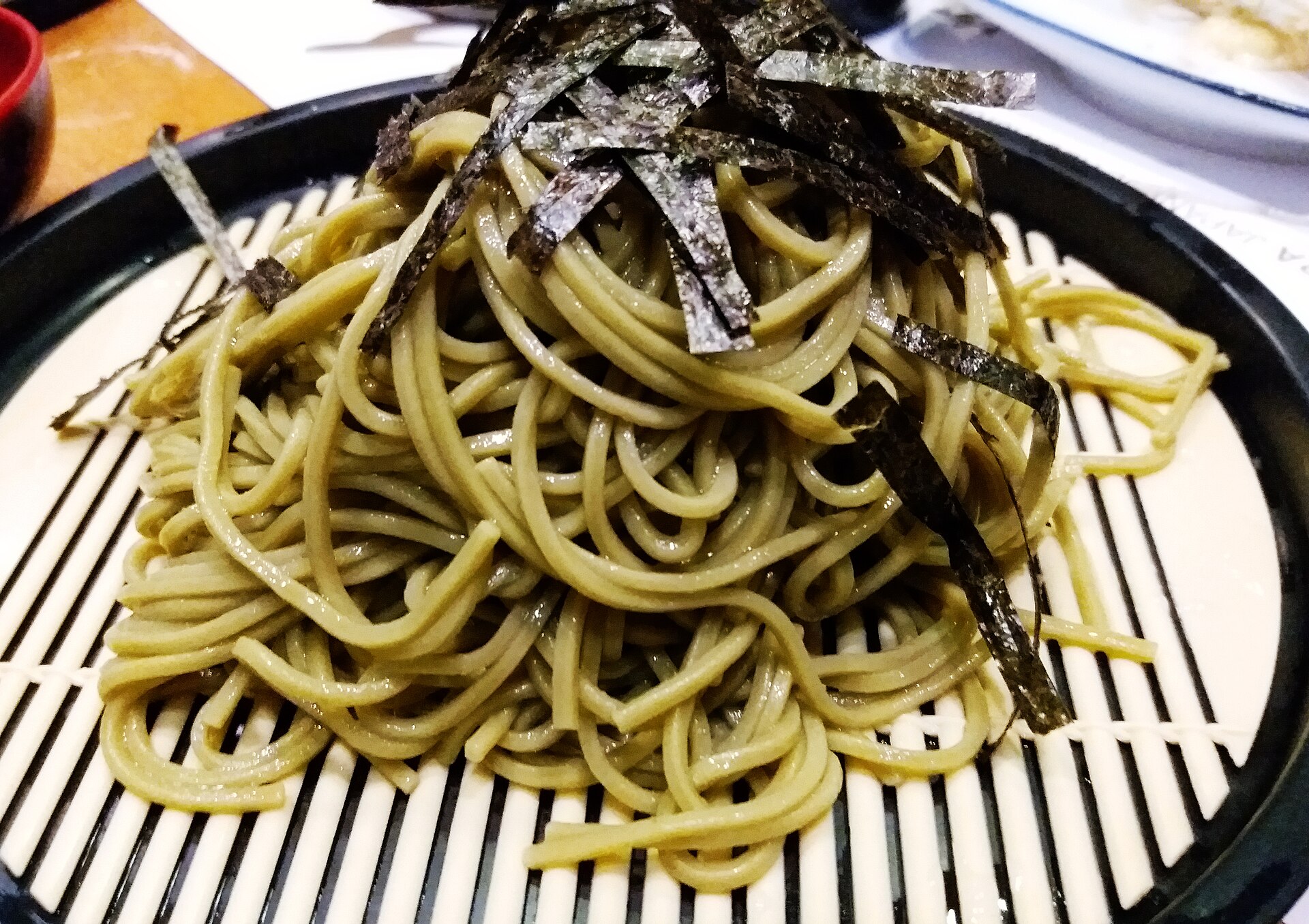
Tea soba
Kanoko incorporates Uji matcha into its tea soba.
City guide · Kyoto
Plan what to eat in Kyoto: food traditions, noodle meals, bakery and café stops, four researched venues, exact districts and useful dietary questions.
Editorial responsibility: Elena Voss · Roavina Travel Editor
This guide is part of our Kyoto destination coverage. Kyoto
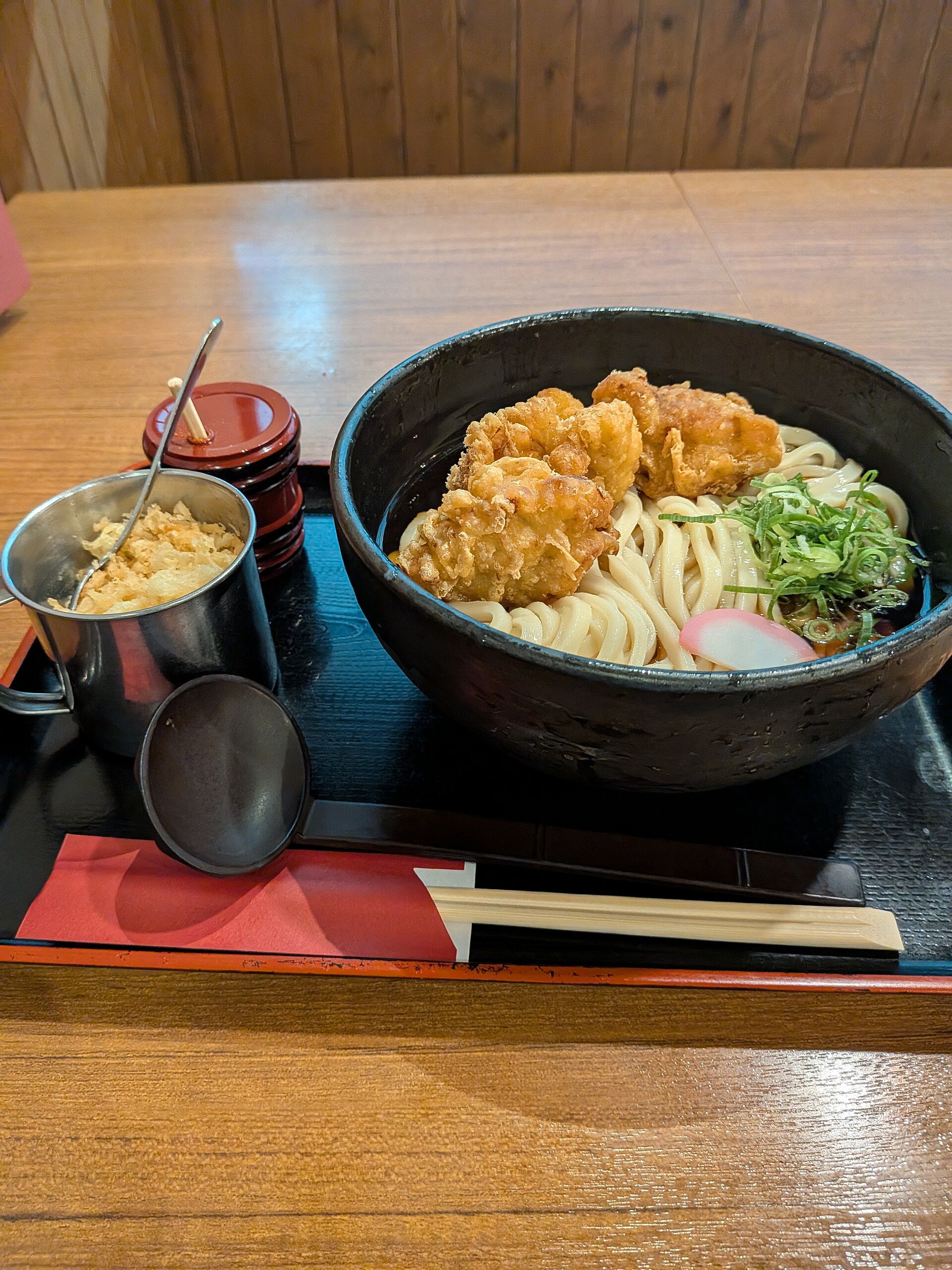
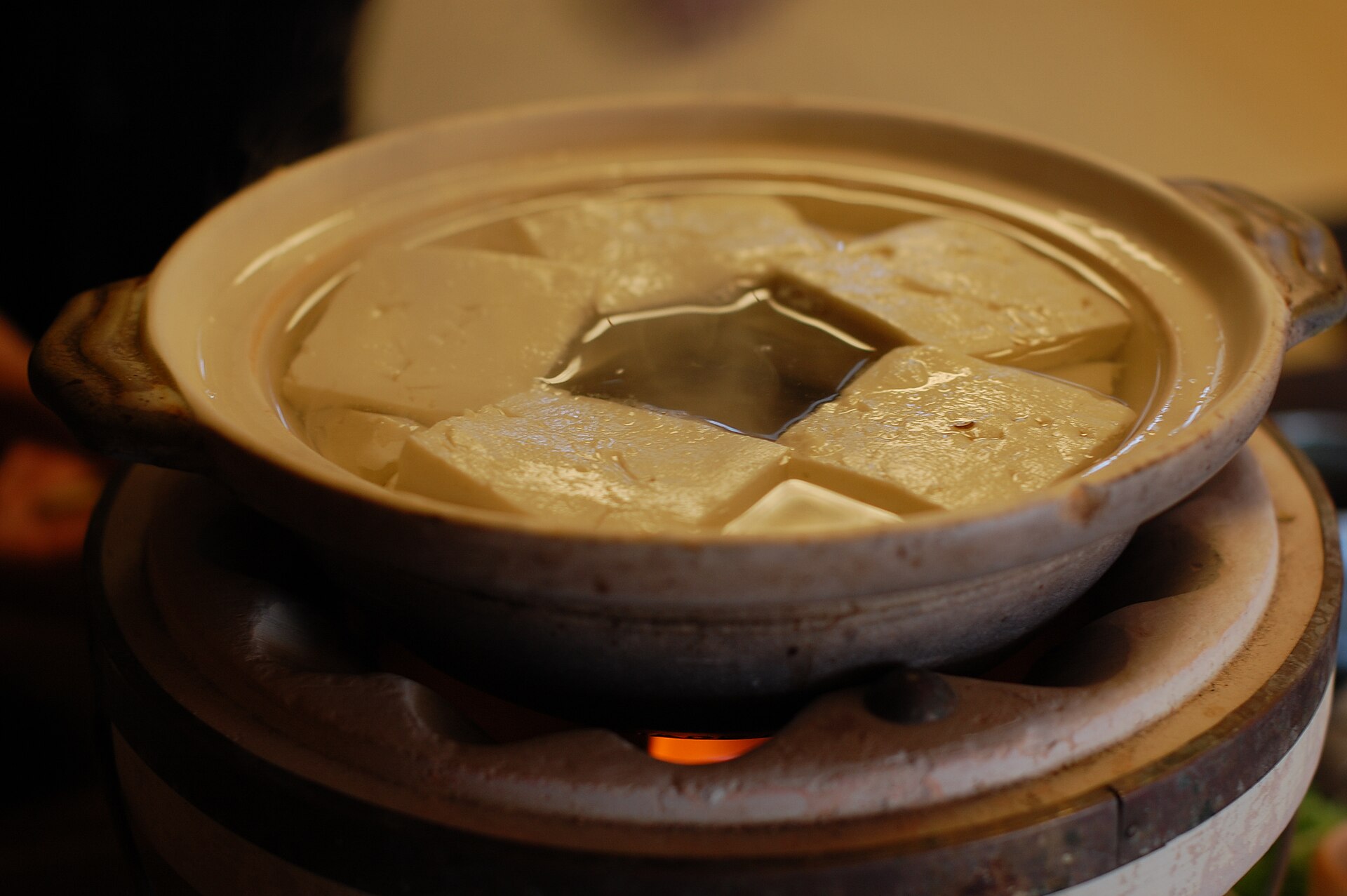
Begin by distinguishing a meal format from an ingredient or a snack. Kyoto’s official guide describes Kyo-kaiseki, shojin-ryori and obanzai alongside tofu preparations, noodles and sweets. These traditions offer different experiences, and a café or bakery visit should not be relabelled as a kaiseki meal simply because it takes place in Kyoto. Choose the food format that fits the appetite and time available.
Kyo-kaiseki is a multi-course approach shaped by ingredients and presentation. Shojin-ryori draws on Buddhist food traditions, while obanzai refers to everyday-style cooking. The city guide warns that modern kaiseki can include meat and seafood, and that some establishments described through vegetarian traditions use fish-based broth. Those distinctions matter more than an attractive cuisine label when a dietary requirement determines the order.
For a noodle meal, Kanoko describes soba, tea soba and udon. Its tea soba uses Uji matcha, connecting the ingredient with a named preparation, while the broth description identifies kombu and fish. Choose the noodle type and read the accompaniments rather than assuming that every bowl has the same texture, dressing or stock. A tea-flavoured noodle is still a meal preparation, not the same experience as an afternoon-tea service.
For a smaller stop, Café Hassui offers sweets and lighter food in an Arashiyama café setting, and Le Petit Mec provides French-style baking at its selected Imadegawa branch. These choices create variety within a Kyoto visit without pretending that every dish originated in the city. Compare a restaurant occasion, a noodle meal and a bakery purchase according to what you want at that point in the day.
Checked 2026-09-29 · Official site · kyoto.travel
Checked 2026-09-29 · Official site · www.inari-kanoco.com
Checked 2026-09-29 · Official site · www.suihotels.com
Checked 2026-09-29 · Official site · www.lepetitmec.com
Choose the district before deciding how many food stops fit into a day. Kanoko belongs to Fushimi, Le Petit Mec’s selected branch is in Imadegawa, Café Hassui is in Arashiyama, and Takasegawa Nijōen is in Nakagyo. These are different Kyoto outings, so they should not be presented as neighbours on one short food walk. Keep the exact operator address beside the meal when building the route.
A Fushimi day can include a noodle restaurant, while an Imadegawa outing can include a bakery purchase. Decide whether the food is the main activity or a pause between other plans. A bowl of soba and a bag of bread serve different appetites, and one does not automatically replace the other. Check the current offering when a particular preparation is the reason for the visit.
Arashiyama gives Café Hassui a separate setting. The operator describes the Hozu River outlook and distinguishes the café from Suiran’s other dining venues. Choose the café or afternoon-tea format, then plan it with time in that part of the city. A hotel dining address alone does not identify which restaurant or service you intend to use.
Takasegawa Nijōen offers another kind of occasion in a garden property. The branch’s course and café links should guide the choice rather than a generic chain description. Leave room for the intended meal and follow the operator’s branch-specific booking instructions. This shortlist provides locations and service formats, but it does not invent travel times or imply that a central restaurant reservation fits neatly between every other Kyoto outing.
Checked 2026-09-29 · Official site · www.inari-kanoco.com
Checked 2026-09-29 · Official site · www.lepetitmec.com
Checked 2026-09-29 · Official site · www.suihotels.com
Checked 2026-09-29 · Official site · www.gankofood.co.jp
Kanoko, 可乃古, is at 59 Fukakusa Inari Nakanomachi in Fushimi. The operator describes homemade soba, tea soba and udon, including Uji matcha in the tea noodles. Its broth uses kombu and fish ingredients. Choose a noodle meal here by the preparation rather than treating the absence of a meat topping as proof of vegetarian cooking. The district address belongs with the selected visit.
Le Petit Mec’s selected branch is Imadegawa at 159 Motokitakojicho. The Japanese operator shop list and its map identify this location separately from Oike, department-store and station outlets. Choose a bakery purchase when the area fits the day, then inspect the current display. The brand’s French-style identity explains the format without making unverified claims about specific products at this branch.
Café Hassui, 茶寮 八翠, is at Suiran in Arashiyama. The operator highlights a café overlooking the Hozu River, lighter food and afternoon tea. Japanese-style beef stroganoff and a sweet-and-savoury tea set are described on the page, with a warning that contents can change. Use the café’s own service and booking route rather than another restaurant at the same hotel.
Takasegawa Nijōen is at 484-6 Higashiikessucho in Nakagyo. GANKO’s branch page identifies the garden-property restaurant, course-menu options and an on-site café. Read the actual branch offering before choosing the meal and follow its telephone-reservation instructions. These four venues meet different needs; they are not a ranked claim that a bakery, noodle restaurant and planned dining occasion are interchangeable.
Checked 2026-09-29 · Official site · www.inari-kanoco.com
Checked 2026-09-29 · Official site · www.lepetitmec.com
Checked 2026-09-29 · Official site · www.suihotels.com
Checked 2026-09-29 · Official site · www.gankofood.co.jp
Start with the meal format. A multi-course restaurant arrangement asks for a different commitment from a noodle order, café purchase or bakery stop. Kyoto’s official food guide describes several traditions, but the selected operator page should establish what the chosen venue actually offers. Ask about the course structure and serving arrangement rather than using kaiseki as a catch-all name for Japanese dining.
For noodles, read the type and preparation together. Kanoko describes soba, tea soba and udon with different characteristics, and its broth has its own ingredient description. Ask how the selected noodles are served and what accompanies them before adding other food. A tea flavour does not establish that a dish is sweet, dairy-free or free of fish stock.
For a café occasion, distinguish a drink-and-sweet pause from a larger set. Hassui describes afternoon tea with both sweet and savoury elements and a separate lighter-food offering. Check the actual selection and intended format before assuming it will serve as lunch for everyone. The café reservation link is also distinct from the hotel’s other restaurant routes.
At a bakery, choose from the branch’s current display rather than borrowing a product from another outlet’s photograph. Le Petit Mec lists several Kyoto locations, and the Imadegawa address identifies this stop. For Nijōen, use the branch’s own booking and menu instructions when the meal is a fixed appointment. A chain name and a garden photograph do not settle the selected course, seating or preparation, so clarify those choices before the visit.
Checked 2026-09-29 · Official site · kyoto.travel
Checked 2026-09-29 · Official site · www.inari-kanoco.com
Checked 2026-09-29 · Official site · www.suihotels.com
Checked 2026-09-29 · Official site · www.gankofood.co.jp
Checked 2026-09-29 · Official site · www.lepetitmec.com
Dietary suitability belongs to the complete preparation rather than the main ingredient. Tofu, vegetables or noodles may be served with fish-based stock, dairy, egg or other accompaniments. Kyoto’s official guide explicitly warns that some establishments described through vegetarian traditions use fish broth. Ask about the selected meal instead of treating a cuisine name as a guarantee.
Kanoko provides a concrete example. Its operator describes broth made with kombu and a blend of fish ingredients. A bowl without visible meat therefore does not establish a vegetarian or vegan order. Ask whether the intended preparation can meet the requirement and confirm the sauce, garnish and side dishes as well as the noodles. Tea soba also introduces wheat or buckwheat questions depending on the actual recipe, so do not infer an allergen policy from the name.
Hassui’s operator directs guests with food allergies to its own information and notes that menu contents may change. Contact the café about the actual set or dish available on the intended visit. An afternoon-tea description includes several preparations, which means a requirement needs to apply to the whole selection rather than just one sweet or savoury item.
At Le Petit Mec, ask about the product you choose at Imadegawa; the broad French-style bakery description does not certify every bread or pastry for a diet. At Nijōen, contact the selected branch before arranging a course meal if acceptable complete options determine the visit. If the operator cannot answer clearly, choose another food plan. This guide records menu and preparation information without certifying an individual order as allergy-safe or assuming that all temple-derived or vegetable-focused cooking follows one recipe.
Checked 2026-09-29 · Official site · kyoto.travel
Checked 2026-09-29 · Official site · www.inari-kanoco.com
Checked 2026-09-29 · Official site · www.suihotels.com
Checked 2026-09-29 · Official site · www.lepetitmec.com
Checked 2026-09-29 · Official site · www.gankofood.co.jp
Skip the idea that every meal in Kyoto must be formal traditional dining. A noodle restaurant, a French-style bakery and a hotel café can each answer a practical need within the trip. Choose them for their actual offering rather than making every visit sound like kaiseki or shojin-ryori. The official guide’s range of food traditions is context, not proof that every selected venue serves all of them.
Avoid branch confusion. Le Petit Mec lists several Kyoto outlets and stores beyond the city, while this guide selects Imadegawa. Hassui is one café within Suiran, separate from the hotel’s other restaurants. GANKO’s selected venue is Takasegawa Nijōen, not an arbitrary chain branch. Use the exact location alongside the service when planning, because the right brand name can still lead to the wrong meal.
Do not build a tight itinerary from district names alone. Fushimi, Imadegawa, Arashiyama and Nakagyo create different outings. Leave space for the journey and the chosen dining format, and check the route from the actual starting point. A café reservation or garden-property meal should not be described as a quick neighbouring stop simply because it appears under Kyoto in the guide.
Skip promises about permanent menus, seasonal arrangements or dietary suitability. Operator descriptions can change, and a vegetarian-looking preparation may involve fish broth or other ingredients. Inspect the current selection and ask about the requirement that determines whether the visit works. No specific terrace season, product availability or meal price is assumed here. A useful food plan can change the dish or venue when the actual offering does not match the group’s appetite or needs.
Checked 2026-09-29 · Official site · kyoto.travel
Checked 2026-09-29 · Official site · www.inari-kanoco.com
Checked 2026-09-29 · Official site · www.lepetitmec.com
Checked 2026-09-29 · Official site · www.suihotels.com
Checked 2026-09-29 · Official site · www.gankofood.co.jp
No. Kaiseki is a multi-course tradition, while the city also has noodle restaurants, cafés, bakeries and other formats. Check the selected operator offering.
The official guide warns that some establishments use fish-based broth. Ask about the actual preparation when avoiding animal ingredients.
Kanoko is at 59 Fukakusa Inari Nakanomachi in Fushimi, with homemade soba, tea soba and udon.
The Imadegawa branch at 159 Motokitakojicho in Kamigyo is selected, distinct from its other shops and station outlets.
No. Hassui is the separate Arashiyama café offering lighter food and afternoon tea, with its own operator service and reservation links.
Use GANKO’s exact Nijōen branch page for its Nakagyo garden-property meal and menu options. The branch currently gives telephone reservation instructions.
Set your days, your pace and the hours you actually want to be out. The planner works around closing days and travel time, and leaves room to eat.