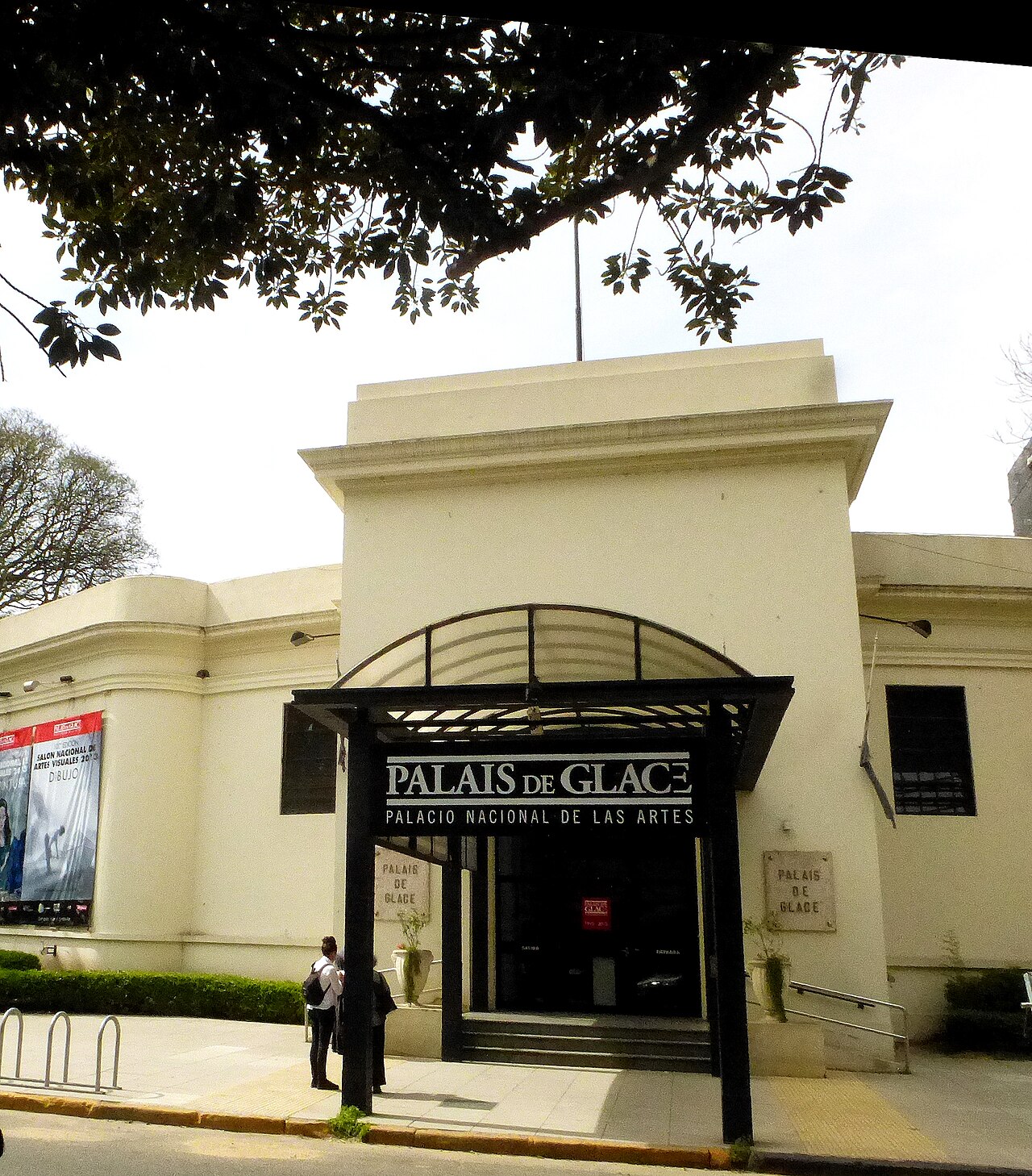
Palais de Glace, also called Palacio Nacional de las Artes, is a circular cultural landmark in Buenos Aires’s Recoleta neighbourhood. The building began as an ice-skating rink and later became a visual-arts institution. Its unusual shape is part of the attraction: the architecture preserves a clear connection with its earlier recreational purpose while now providing a setting for exhibitions and cultural activity. The Palais de Glace, also known as Palacio Nacional de las Artes, is a circular former ice rink in Buenos Aires. Located in the Recoleta neighbourhood, it stands as a nationally important visual-arts institution and a recognised landmark. The building's distinctive circular architecture reflects its original purpose as an ice-skating venue before its conversion to cultural use. It now serves as a significant venue for art exhibitions and cultural events under national administration. No. The Palais de Glace is a former ice rink that has been converted into a visual-arts institution and exhibition venue known as the Palacio Nacional de las Artes.
Inside, the former rink has been adapted for visual-arts presentation. The circular structure gives the building a distinctive spatial character as you move between exhibition areas. Palais de Glace is best experienced as both an architectural stop and a place for contemporary or nationally presented art. Its identity comes from the meeting of a recognisable historic building with changing cultural displays, making the building itself an important part of the visit. The Palais de Glace functions as a visual-arts institution hosting exhibitions and cultural programming. Its circular former ice-rink structure provides distinctive gallery spaces. As the Palacio Nacional de las Artes, it operates under national cultural administration. The interior has been adapted from its original recreational purpose to serve contemporary art presentation.
Plan approximately one to two hours, depending on the exhibition you encounter and your interest in visual art. A shorter visit can focus on the building and the principal displays, while a longer stay allows more deliberate movement through the circular spaces. Palais de Glace fits comfortably into a Recoleta walking day because it offers a substantial cultural experience without requiring the full schedule of a large museum complex.
Build Palais de Glace into a Recoleta day alongside the neighbourhood’s other cultural and historic sights. Indoor galleries make the stop useful in changing weather, while the surrounding streets offer an easy continuation before or after the visit. Exhibition-focused days may attract more people, so a calmer period is preferable if you want to study the architecture and artworks without interruption. Give yourself enough time to experience the building rather than treating it as a quick exterior photograph.
Palais de Glace should be planned as an arts venue whose visitor arrangements may relate to its current exhibition programme. The building’s importance is not limited to a single permanent display: its cultural role is expressed through the exhibitions and events presented inside. Leave room in your day for the programme you encounter, and distinguish this destination from Recoleta’s outdoor landmarks. The official venue channels are the appropriate source for the current visitor offer.
The venue is in Recoleta, an established Buenos Aires neighbourhood connected by city buses and taxi services. It can be included in a walking route through Recoleta, with the surrounding urban streets providing a natural transition between cultural stops. Use a current map for the final approach and organise the visit around the rest of your day’s route. The neighbourhood’s central position makes Palais de Glace practical for travellers staying in several parts of Buenos Aires.
Palais de Glace combines a historic adapted building with exhibition spaces, so the visit may feel different from a purpose-built modern gallery. Move carefully through the interior, respect the displayed works and follow directions around busy exhibition areas. Children can enjoy the circular architecture, but the suitability of individual displays depends on their themes. Pair the visit with nearby Recoleta sights while keeping enough time for a thoughtful look inside rather than rushing between landmarks.
Photography should follow the rules displayed inside the venue and any directions given by staff. Exhibition works may have different image restrictions, while flash and large equipment can interfere with the gallery experience. If photographs are permitted, keep clear of other visitors and avoid turning the visit into a constant camera stop. Reserve time to look at the circular interior and the relationship between the former rink structure and the art shown within it.
Yes. The circular building was created as an ice-skating rink before being converted into the visual-arts institution known as Palacio Nacional de las Artes.
What is the building’s main architectural feature?
Its circular form reflects the building’s original ice-rink function and remains its most recognisable architectural characteristic in Recoleta.
What kind of place is Palais de Glace today?
It is a national visual-arts institution and cultural venue presenting exhibitions and related programming inside the former rink.
Where is Palais de Glace?
Palais de Glace is in Recoleta, a central Buenos Aires neighbourhood with museums, historic landmarks and walkable cultural routes.
How long should I spend at Palais de Glace?
Allow around one to two hours, adjusting the visit according to the exhibition and how closely you want to explore the building and displays.
Can Palais de Glace be combined with a Recoleta walking day?
Yes. Its Recoleta location makes it a natural cultural stop within a route that also explores the neighbourhood’s other historic and artistic attractions.
Nothing non-essential is set before you choose, in regions where consent is required. If you decline, ads still appear and analytics is switched off entirely.