
01
45 min
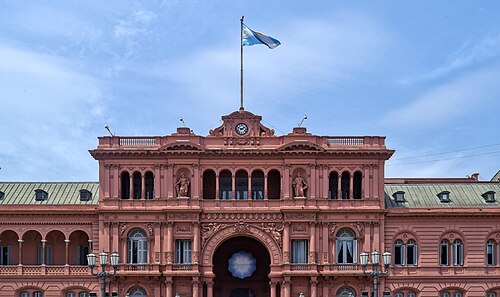
Casa Rosada
Casa Rosada is Argentina's working seat of executive government on the eastern edge of Plaza de Mayo, with its familiar west facade facing the square.
- Must see
- Historic site
City guide · Argentina
Buenos Aires is organised through distinct barrios, each with a different visitor character. Monserrat and San Nicolás form the historic and civic centre; San T...
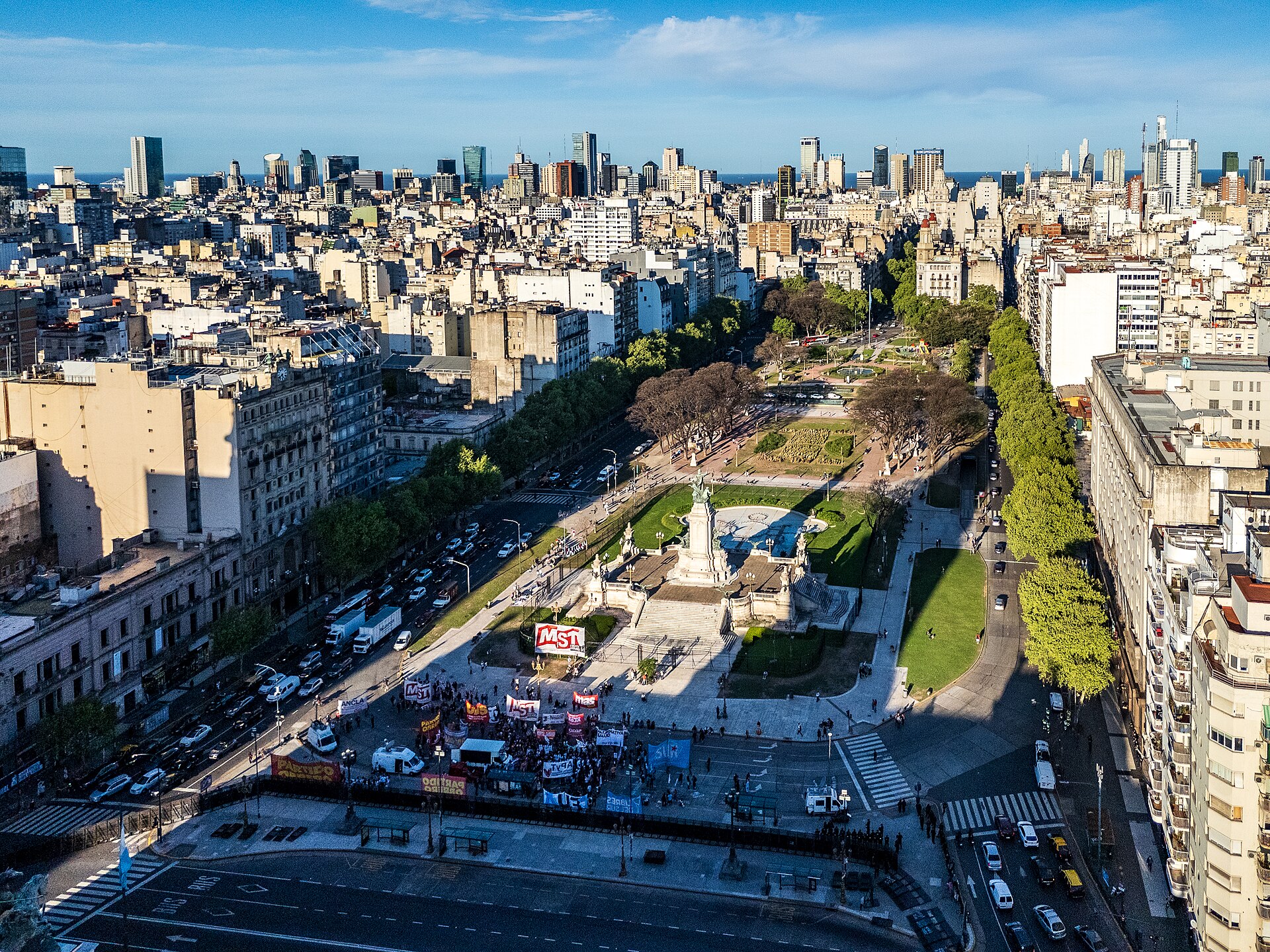
Photograph · ProtoplasmaKid · CC BY-SA 4.0
Set your days, your pace and the hours you actually want to be out. The planner works around closing days and travel time, and leaves room to eat.
Editorial responsibility: Elena Voss · Roavina Travel Editor
Buenos Aires is organised through distinct barrios, each with a different visitor character. Monserrat and San Nicolás form the historic and civic centre; San Telmo and La Boca continue south; Recoleta and Palermo lie north; and Puerto Madero occupies the regenerated waterfront. The official tourism service treats these as separate neighbourhood experiences. Group adjacent barrios and avoid crossing the city repeatedly for isolated sights.
Checked 2026-08-26
November · November's 25.6°C mean high gives Buenos Aires warm spring conditions before peak summer heat.
Ranked by importance — sitelinks, pageviews and heritage status, not editor preference.
14 places match
Category
Typical visit duration
Good for
Interests
Casa Rosada is Argentina's working seat of executive government on the eastern edge of Plaza de Mayo, with its familiar west facade facing the square.
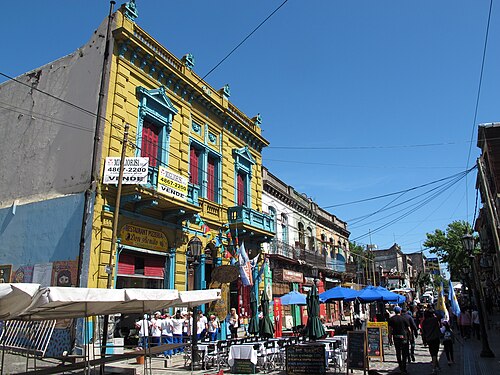
Caminito is a short pedestrian street and open-air museum in the La Boca neighbourhood of Buenos Aires, Argentina. It occupies a roughly 150-metre stretch of cobblestones between Garibaldi and Lamadrid streets.
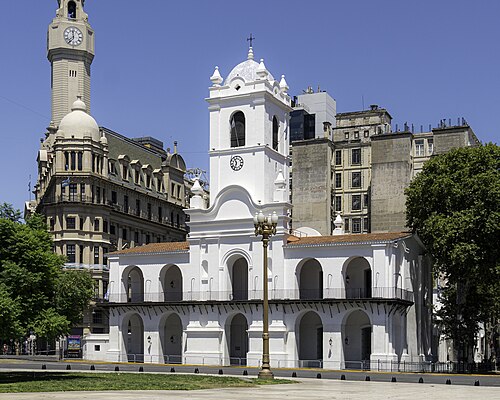
Cabildo de Buenos Aires
The Cabildo of Buenos Aires is a historic public building located on Plaza de Mayo, facing the Casa Rosada. It served as the seat of the colonial city council during Spanish rule and witnessed pivotal moments in Argentine independence.
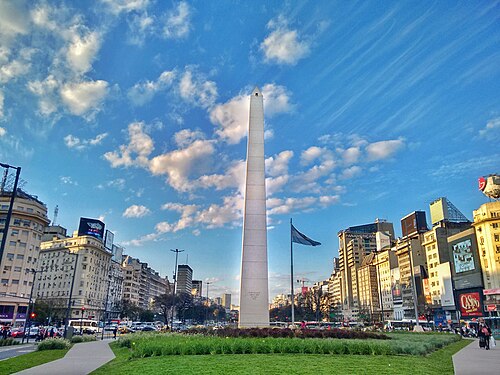
Obelisco
The Obelisk of Buenos Aires is a prominent monument standing at the intersection of Avenida 9 de Julio and Avenida Corrientes. Erected in 1936, it commemorates the quadricentennial of the city's founding.
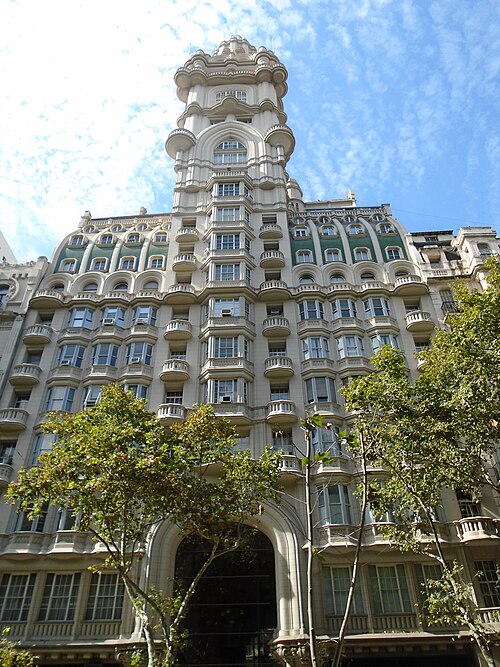
Palacio Barolo
Palacio Barolo is a landmark office building in Buenos Aires designed by Italian architect Mario Palanti and completed in 1923.
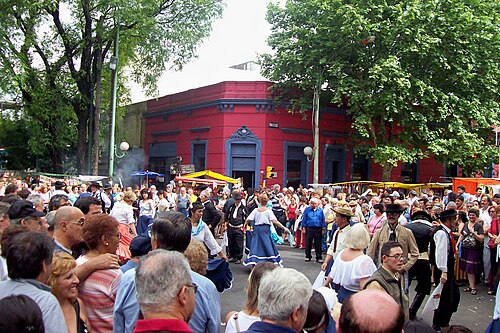
Feria de Mataderos is a Buenos Aires fair devoted to Argentine folk culture. In the western Mataderos neighbourhood, historically associated with livestock markets, it brings rural traditions into an urban setting.

Congreso de la Nación Argentina
The Palacio del Congreso de la Nación Argentina stands as the seat of Argentina's bicameral legislature in Buenos Aires. This monumental Neoclassical building dominates the Plaza del Congreso with its distinctive green copper dome, among the world's largest.
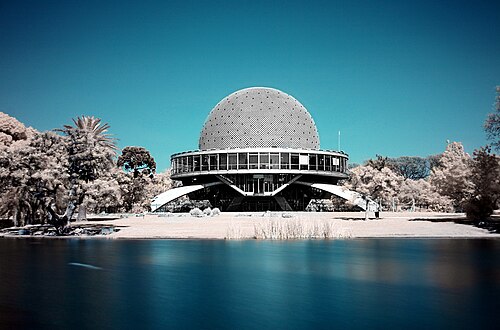
Planetario Galileo Galilei
The Galileo Galilei Planetarium is a distinctive domed science venue in Buenos Aires, Argentina. Located in the Palermo neighborhood, it serves as both a family attraction and a recognized architectural icon of the area.
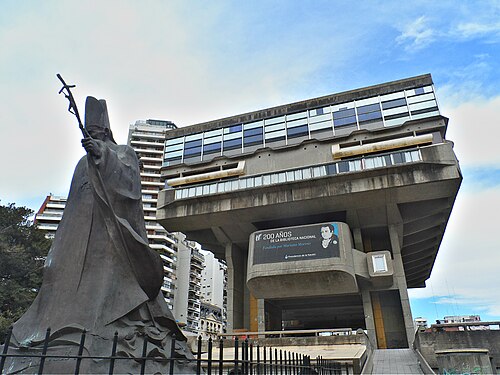
Biblioteca Nacional Mariano Moreno
The Biblioteca Nacional Mariano Moreno is Argentina's national library, housed in a landmark Brutalist building designed by Clorindo Testa.
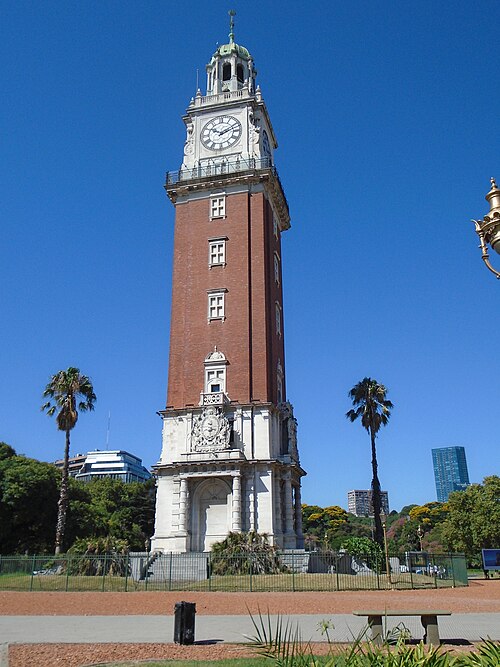
Torre de los Ingleses
Torre Monumental is a historic clock tower located in the Retiro neighbourhood of Buenos Aires. Originally known as Torre de los Ingleses, it was erected as a gift from the local British community.
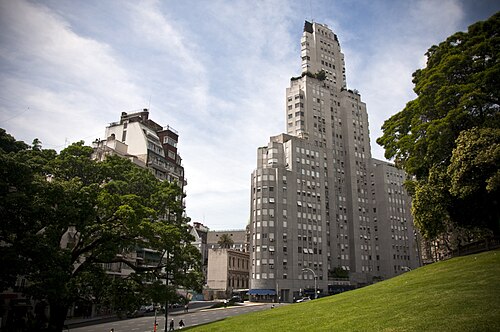
Edificio Kavanagh
The Kavanagh Building, known locally as Edificio Kavanagh, stands as a landmark 1930s skyscraper in Buenos Aires. It ranks among Latin America's most important early modern high-rise buildings.
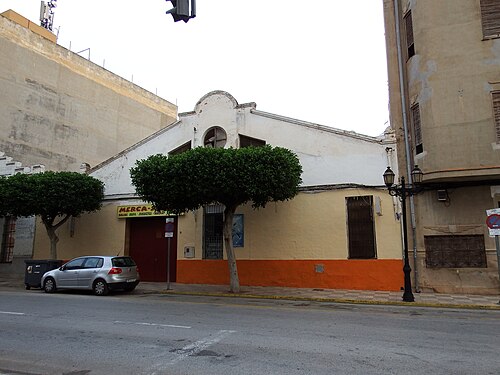
Colón Fábrica
Colón Fábrica is the production facility associated with Teatro Colón, Buenos Aires’s major opera and ballet institution. In La Boca, the complex gives visitors a different view of theatrical culture from a performance inside the downtown theatre.
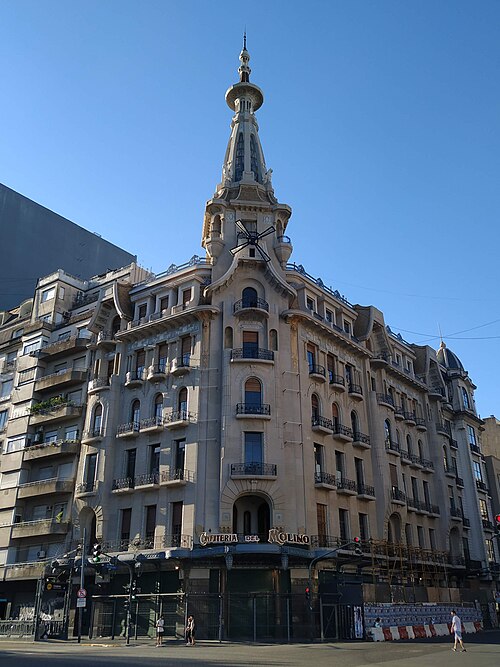
Confitería El Molino
Confitería del Molino is a restored Art Nouveau café and confectionery opposite Argentina’s National Congress in Buenos Aires. Designed by architect Francisco Gianotti, it opened in 1917 and became a celebrated meeting place for politicians, intellectuals, and artists.
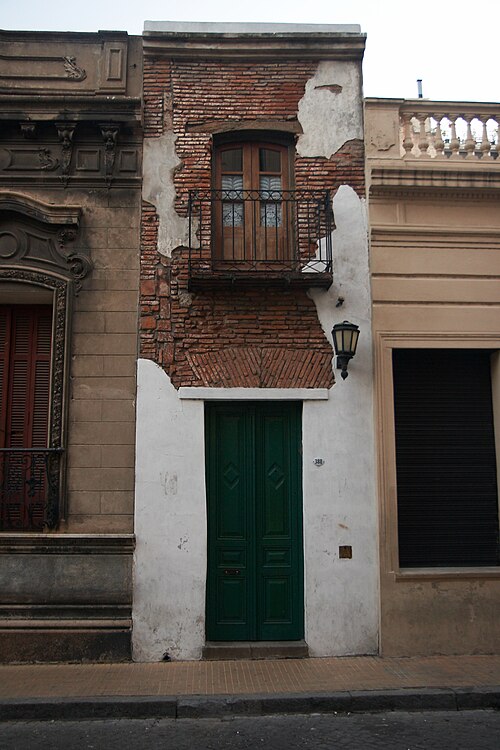
Casa Mínima
Casa Mínima is a notably narrow historic house in Buenos Aires, recognised as one of the city's slimmest preserved residences. Located in the San Telmo neighbourhood, this compact dwelling forms part of the area's colonial heritage circuit.
Plaza de Mayo, Avenida de Mayo, the Obelisk and Teatro Colón anchor the Monserrat-San Nicolás cluster. San Telmo connects the centre with the southern route toward La Boca. Recoleta combines the cemetery, museums and formal avenues, while Palermo spreads across parks, museums and several informal sub-districts. Puerto Madero is a separate riverside walk. Belgrano and outer barrios require their own transit segment.
Checked 2026-08-26
The Subte is often the quickest way to move between central districts, while buses extend coverage across the city. Public transport uses the rechargeable SUBE card. Taxis and the cycle network provide alternatives, and official journey tools compare routes and walking distance. Walk within San Telmo, Recoleta, Palermo or the central core, then use transit between them; approach La Boca with a planned daytime route.
Checked 2026-08-26
Monserrat-San Nicolás, San Telmo, Recoleta, Palermo and Puerto Madero are distinct barrio clusters
Suggested stay for a first visit: 4–5 days. Plan the visit by barrios and selected outer districts.
Use the Subte for central journeys and buses for broader coverage; public transport requires SUBE.
Palermo is a large neighbourhood with several informal areas, so confirm the exact destination.
La Boca is best visited through a planned daytime route rather than an improvised cross-city walk.

