Museo Carlos Gardel
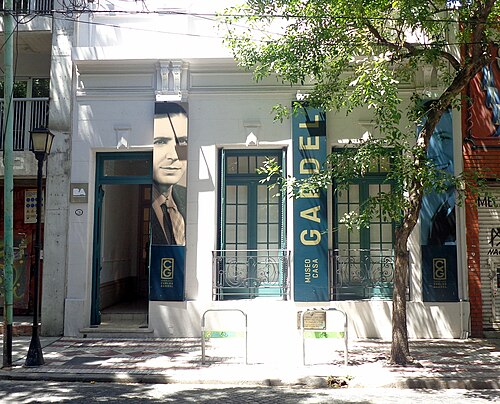
Museo Casa Carlos Gardel
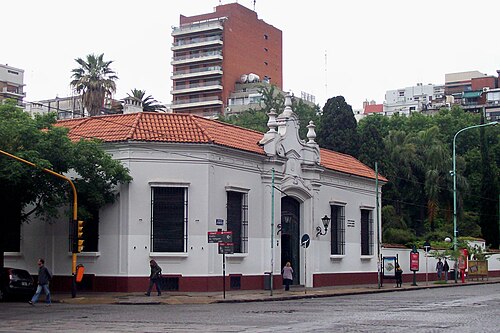
Museo Casa Carlos Gardel is a biographical museum located in the former residence of Carlos Gardel, the legendary singer and central figure in Buenos Aires tango history.
- Must see
- Museum
City guide · Argentina
Buenos Aires is organised through distinct barrios, each with a different visitor character. Monserrat and San Nicolás form the historic and civic centre; San T...
Photograph · ProtoplasmaKid · CC BY-SA 4.0
Set your days, your pace and the hours you actually want to be out. The planner works around closing days and travel time, and leaves room to eat.
Reviewed by Elena Voss · Roavina Travel Editor
Buenos Aires is organised through distinct barrios, each with a different visitor character. Monserrat and San Nicolás form the historic and civic centre; San Telmo and La Boca continue south; Recoleta and Palermo lie north; and Puerto Madero occupies the regenerated waterfront. The official tourism service treats these as separate neighbourhood experiences. Group adjacent barrios and avoid crossing the city repeatedly for isolated sights.
Checked 2026-08-26
September · September combines a 19.3°C mean high with 72.2 mm of rain in Buenos Aires, before the wetter late spring.
Ranked by importance — sitelinks, pageviews and heritage status, not editor preference.
23 places match
Category
Typical visit duration
Interests
Museo Casa Carlos Gardel
Museo Casa Carlos Gardel is a biographical museum located in the former residence of Carlos Gardel, the legendary singer and central figure in Buenos Aires tango history.
Museo Nacional de Arte Decorativo
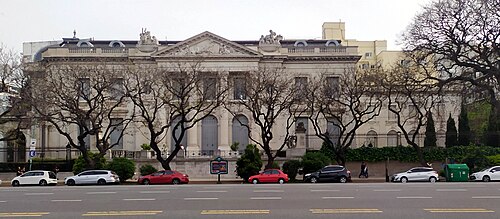
The Museo Nacional de Arte Decorativo occupies a French-style palace in Buenos Aires. The building itself serves as a significant example of European-influenced architecture in Argentina.
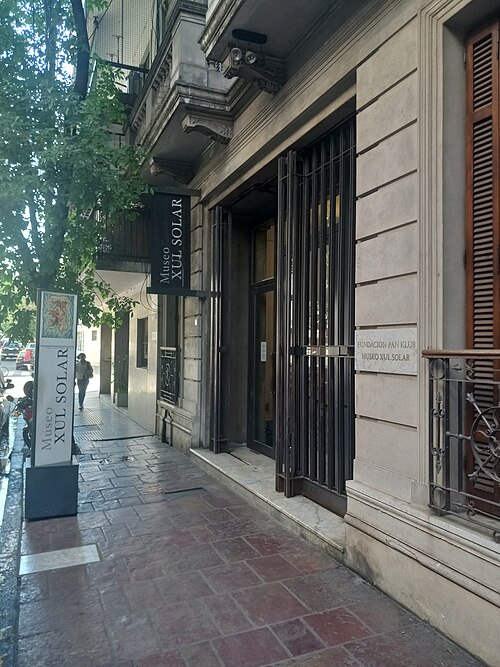
Museo Xul Solar
The Xul Solar Museum is Buenos Aires’s dedicated place for encountering Alejandro Xul Solar, an Argentine artist whose work crosses painting, sculpture, writing, invented languages and visionary design.
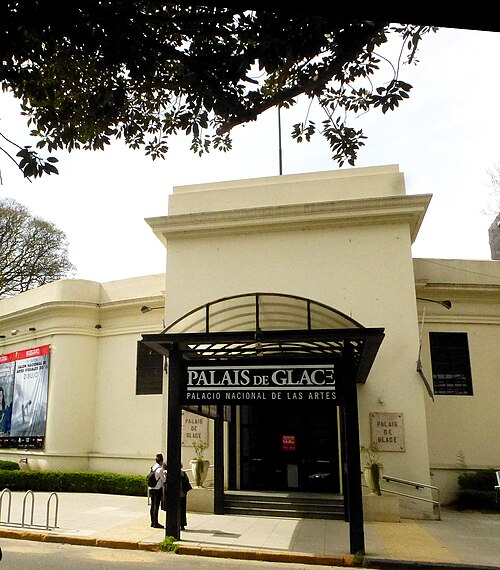
Palais de Glace, also called Palacio Nacional de las Artes, is a circular cultural landmark in Buenos Aires’s Recoleta neighbourhood. The building began as an ice-skating rink and later became a visual-arts institution.
Museo Casa Rosada
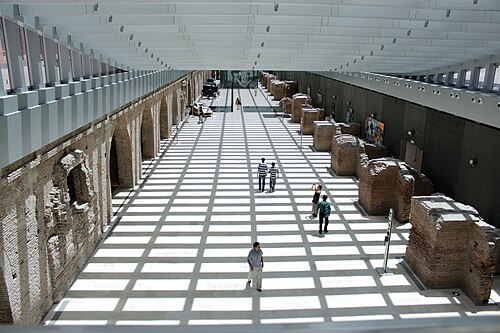
The Museum of the Casa Rosada occupies a subterranean space beneath the presidential palace in Buenos Aires. Its location directly under the seat of Argentine executive power gives it singular symbolic weight.
Museo de la Inmigración
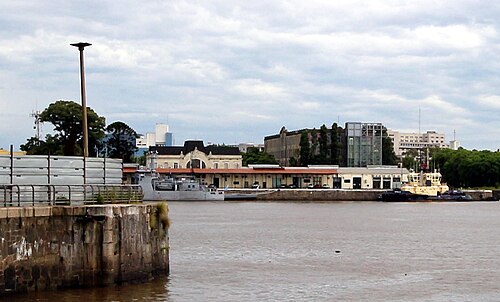
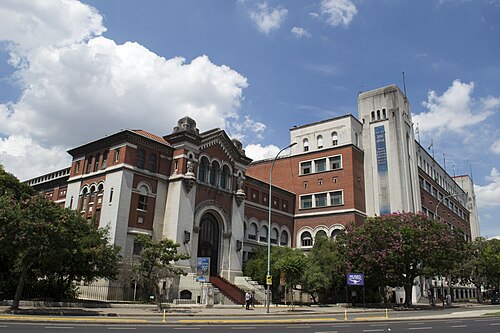
The Immigration Museum occupies the former Hotel de Inmigrantes, a historic building constructed to receive and process the millions of immigrants who arrived in Argentina between the late 19th and early 20th centuries.
Museo Sitio de Memoria ESMA
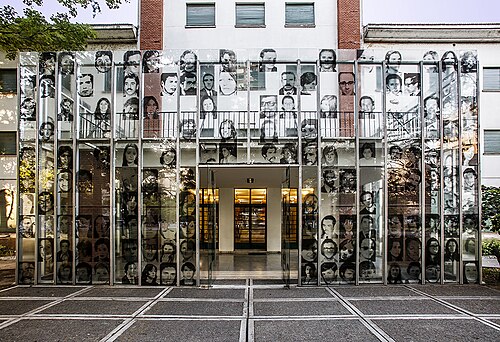
The ESMA Memory Site Museum is a museum and memorial at a former clandestine detention centre operated during Argentina's last military dictatorship from 1976 to 1983.
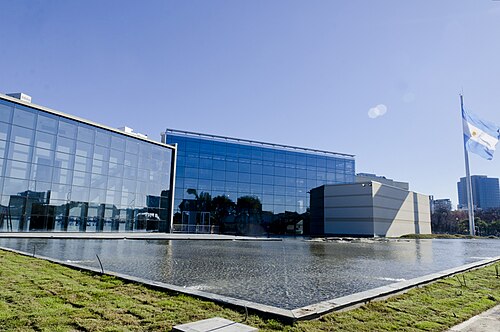
Museo Malvinas e Islas del Atlántico Sur is a national museum in Buenos Aires devoted to the geography, history, and contested memory of the South Atlantic islands known in Argentina as the Malvinas and in the United Kingdom as the…
Museo Argentino de Ciencias Naturales Bernardino Rivadavia
Bernardino Rivadavia Natural Sciences Museum, locally called Museo Argentino de Ciencias Naturales Bernardino Rivadavia, is Buenos Aires’ major natural-history museum. The visit is centered on Argentina’s fossils, dinosaurs, geological history and biodiversity.
Museo de Arte Español Enrique Larreta
The Enrique Larreta Museum of Spanish Art is a house museum in Belgrano, Buenos Aires. It occupies the former home of Enrique Larreta, an Argentine writer and diplomat, and presents Spanish art within preserved domestic surroundings.
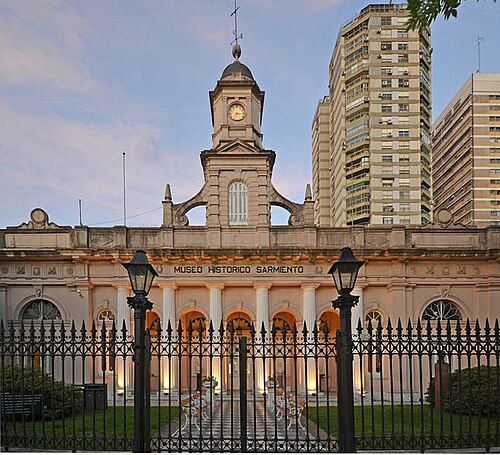
Museo Histórico Sarmiento
The Sarmiento Historical Museum is a heritage institution in Buenos Aires dedicated to interpreting the life and legacy of Domingo Faustino Sarmiento, the Argentine statesman, educator, and writer who served as president from 1868 to 1874.
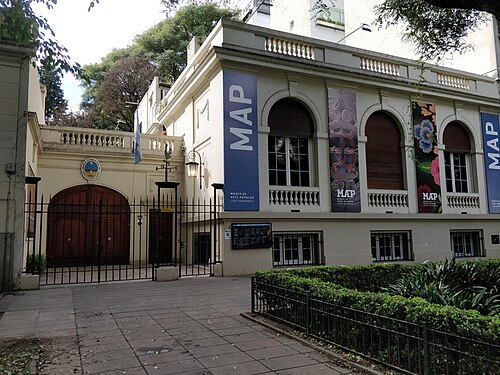
Museo de Arte Popular José Hernández
The Museum of Popular Art Jose Hernandez is a specialist Buenos Aires museum devoted to Argentine folk and decorative arts.
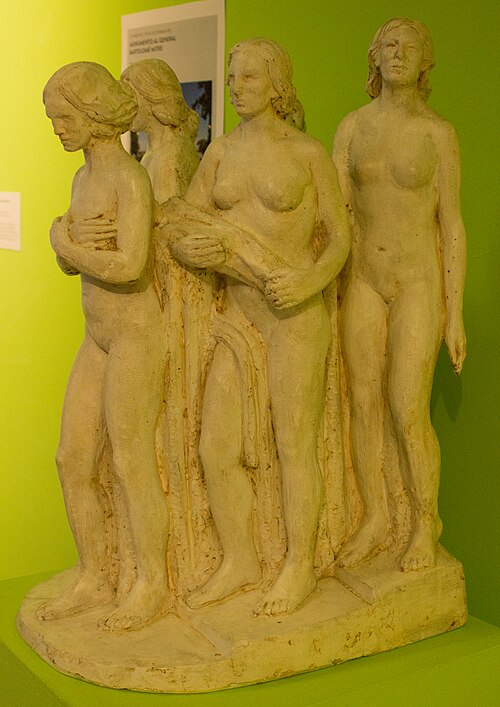
The Luis Perlotti Sculpture Museum, known locally as Museo de Esculturas Luis Perlotti, occupies the former workshop of Argentine sculptor Luis Perlotti in the Caballito neighborhood.
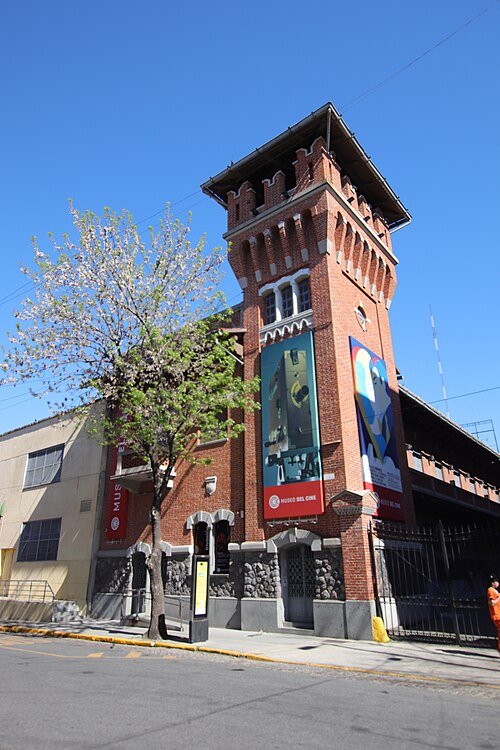
The Pablo Ducros Hicken Cinema Museum, locally called Museo del Cine Pablo Ducrós Hicken, preserves Argentina’s cinematic heritage.
Museo Mundial del Tango
The World Tango Museum, known in Spanish as Museo Mundial del Tango, is a Buenos Aires museum devoted to tango.
Manzana de las Luces
Manzana de las Luces is a historic Jesuit and educational complex in Monserrat, south of Plaza de Mayo. Its name means Block of Enlightenment and recalls the learning institutions established by the Jesuits.
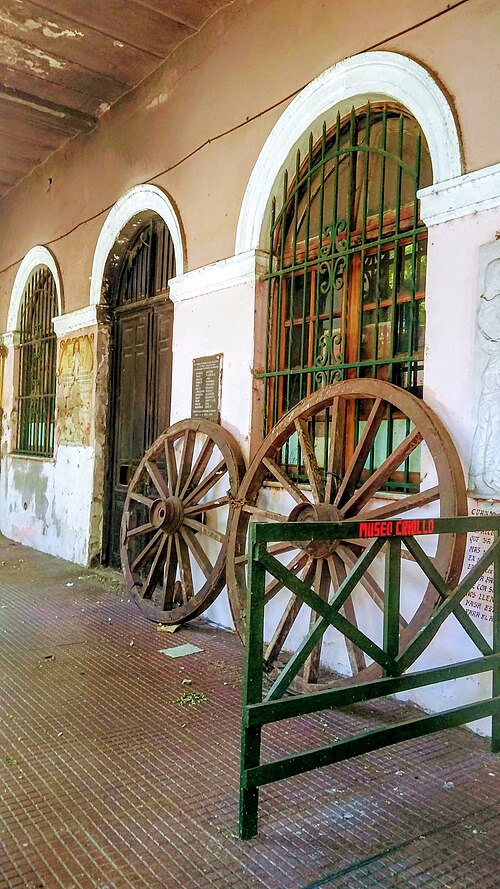
Los Corrales Criollo Museum, also known locally as Museo Criollo de los Corrales, is a Buenos Aires heritage museum devoted to rural traditions, livestock culture, and the market history of its neighbourhood.
Plaza de Mayo, Avenida de Mayo, the Obelisk and Teatro Colón anchor the Monserrat-San Nicolás cluster. San Telmo connects the centre with the southern route toward La Boca. Recoleta combines the cemetery, museums and formal avenues, while Palermo spreads across parks, museums and several informal sub-districts. Puerto Madero is a separate riverside walk. Belgrano and outer barrios require their own transit segment.
Checked 2026-08-26
The Subte is often the quickest way to move between central districts, while buses extend coverage across the city. Public transport uses the rechargeable SUBE card. Taxis and the cycle network provide alternatives, and official journey tools compare routes and walking distance. Walk within San Telmo, Recoleta, Palermo or the central core, then use transit between them; approach La Boca with a planned daytime route.
Checked 2026-08-26
Monserrat-San Nicolás, San Telmo, Recoleta, Palermo and Puerto Madero are distinct barrio clusters
No fixed stay length is recorded; plan the visit by barrios and selected outer districts.
Use the Subte for central journeys and buses for broader coverage; public transport requires SUBE.
Palermo is a large neighbourhood with several informal areas, so confirm the exact destination.
La Boca is best visited through a planned daytime route rather than an improvised cross-city walk.