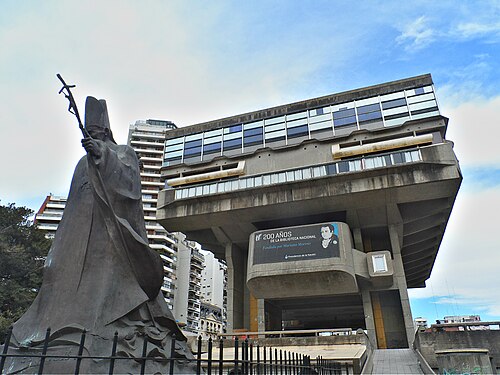
Mariano Moreno National Library building
Biblioteca Nacional Mariano Moreno
The Biblioteca Nacional Mariano Moreno is Argentina's national library, housed in a landmark Brutalist building designed by Clorindo Testa.
- Must see
- Historic monument
City guide · Argentina
Buenos Aires is organised through distinct barrios, each with a different visitor character. Monserrat and San Nicolás form the historic and civic centre; San T...
Photograph · ProtoplasmaKid · CC BY-SA 4.0
Set your days, your pace and the hours you actually want to be out. The planner works around closing days and travel time, and leaves room to eat.
Reviewed by Elena Voss · Roavina Travel Editor
Buenos Aires is organised through distinct barrios, each with a different visitor character. Monserrat and San Nicolás form the historic and civic centre; San Telmo and La Boca continue south; Recoleta and Palermo lie north; and Puerto Madero occupies the regenerated waterfront. The official tourism service treats these as separate neighbourhood experiences. Group adjacent barrios and avoid crossing the city repeatedly for isolated sights.
Checked 2026-08-26
September · September combines a 19.3°C mean high with 72.2 mm of rain in Buenos Aires, before the wetter late spring.
Ranked by importance — sitelinks, pageviews and heritage status, not editor preference.
39 places match
Category
Typical visit duration
Interests
Biblioteca Nacional Mariano Moreno
The Biblioteca Nacional Mariano Moreno is Argentina's national library, housed in a landmark Brutalist building designed by Clorindo Testa.
Parque de la Memoria
Parque de la Memoria is a riverfront memorial and sculpture park in Buenos Aires dedicated to victims of Argentina's state terrorism during the 1976-1983 military dictatorship.
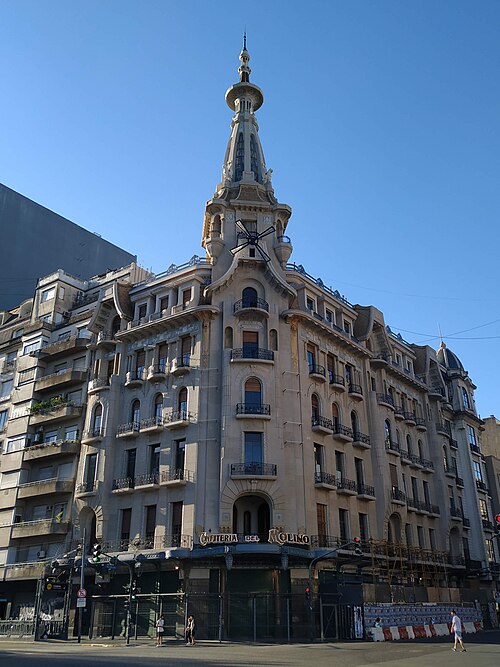
Confitería El Molino
Confitería del Molino is a restored Art Nouveau café and confectionery opposite Argentina’s National Congress in Buenos Aires. Designed by architect Francisco Gianotti, it opened in 1917 and became a celebrated meeting place for politicians, intellectuals, and artists.
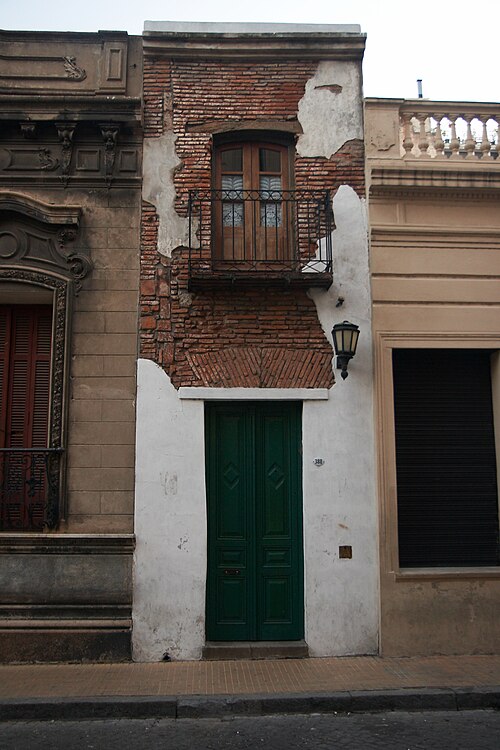
Casa Mínima
Casa Mínima is a notably narrow historic house in Buenos Aires, recognised as one of the city's slimmest preserved residences. Located in the San Telmo neighbourhood, this compact dwelling forms part of the area's colonial heritage circuit.
Basílica de Nuestra Señora del Pilar
The Basilica of Our Lady of the Pillar, or Basílica Nuestra Señora del Pilar, is a preserved colonial church in Buenos Aires’ Recoleta neighbourhood.
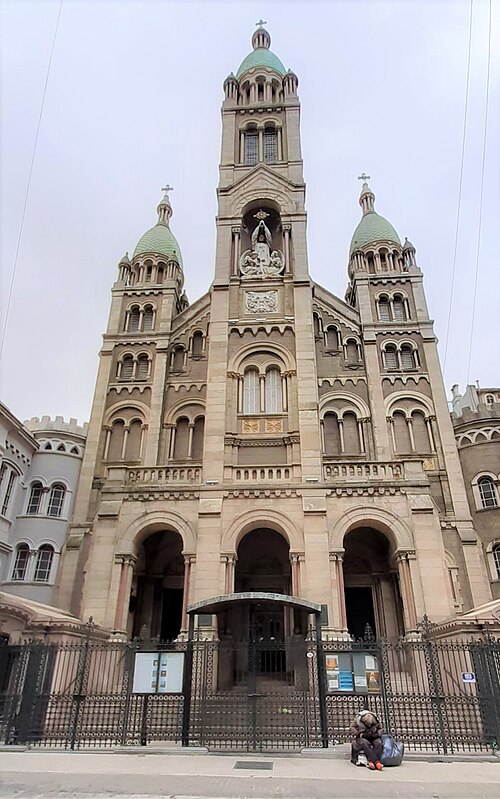
The Basilica of the Blessed Sacrament, known locally as Basílica del Santísimo Sacramento, stands as an ornate early-20th-century church near Plaza San Martín in Buenos Aires.
Sinagoga de la Congregación Israelita (CIRA)
Templo Libertad is Argentina’s oldest synagogue and an important Jewish religious and cultural landmark in Buenos Aires. The complex combines an active house of worship with a Jewish museum devoted to the history of Jewish immigration to Argentina.
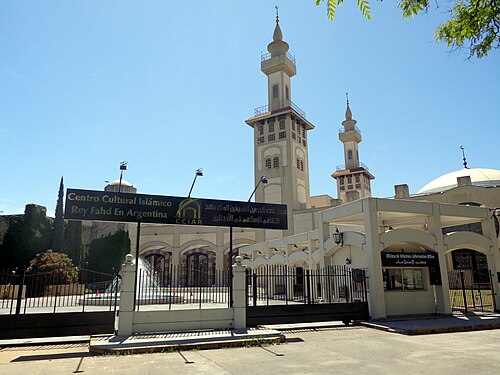
Centro Cultural Islámico Rey Fahd
Centro Cultural Islámico Rey Fahd is a major Islamic cultural and religious complex in Palermo, Buenos Aires. The centre serves the local Muslim community and stands as a distinctive architectural landmark within one of the city’s most visited neighbourhoods.
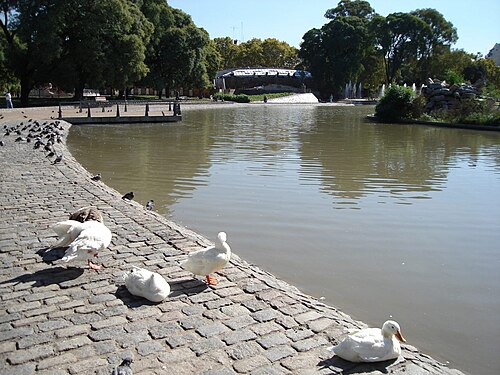
Parque Centenario is a major circular neighbourhood park in Buenos Aires, Argentina. The park serves as a significant green space linking several cultural and recreational attractions within its boundaries.
Parque Lezama
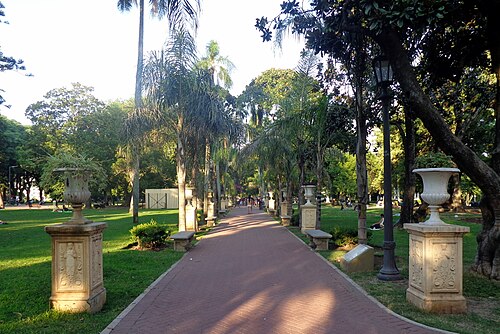
Parque Lezama is a historic public park situated on a pronounced slope that forms a natural boundary between the neighbourhoods of San Telmo and La Boca in Buenos Aires, Argentina.
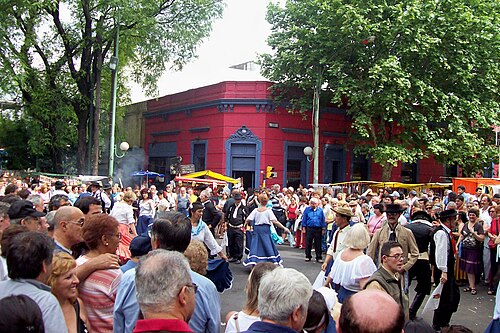
Feria de Mataderos is a Buenos Aires fair devoted to Argentine folk culture. In the western Mataderos neighbourhood, historically associated with livestock markets, it brings rural traditions into an urban setting.
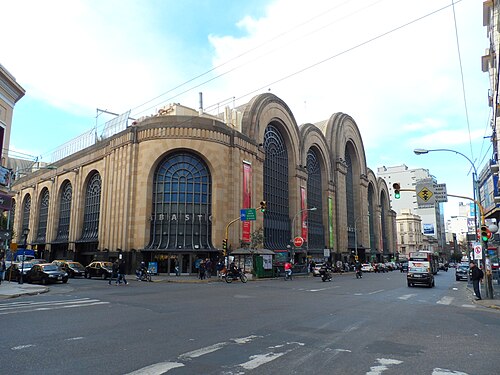
Abasto Shopping
The Abasto Market Building, known locally as Abasto de Buenos Aires, is a monumental Art Deco structure that formerly served as the city's central produce market.
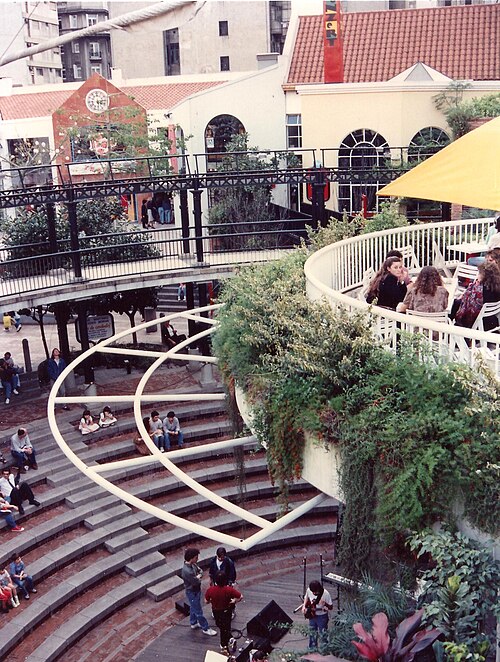
Paseo La Plaza is a dense theatre and cultural complex situated along Avenida Corrientes in Buenos Aires. The complex embodies the live-performance energy for which this famous avenue is renowned throughout Argentina.
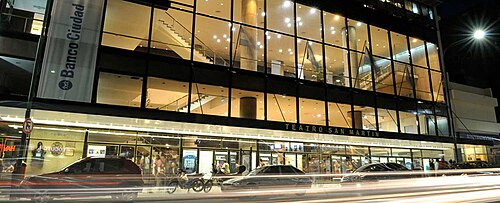
Teatro General San Martín is Buenos Aires' principal public theatre and a major modernist building. It stands as a cornerstone of Corrientes Avenue cultural life.
Plaza de Mayo, Avenida de Mayo, the Obelisk and Teatro Colón anchor the Monserrat-San Nicolás cluster. San Telmo connects the centre with the southern route toward La Boca. Recoleta combines the cemetery, museums and formal avenues, while Palermo spreads across parks, museums and several informal sub-districts. Puerto Madero is a separate riverside walk. Belgrano and outer barrios require their own transit segment.
Checked 2026-08-26
The Subte is often the quickest way to move between central districts, while buses extend coverage across the city. Public transport uses the rechargeable SUBE card. Taxis and the cycle network provide alternatives, and official journey tools compare routes and walking distance. Walk within San Telmo, Recoleta, Palermo or the central core, then use transit between them; approach La Boca with a planned daytime route.
Checked 2026-08-26
Monserrat-San Nicolás, San Telmo, Recoleta, Palermo and Puerto Madero are distinct barrio clusters
No fixed stay length is recorded; plan the visit by barrios and selected outer districts.
Use the Subte for central journeys and buses for broader coverage; public transport requires SUBE.
Palermo is a large neighbourhood with several informal areas, so confirm the exact destination.
La Boca is best visited through a planned daytime route rather than an improvised cross-city walk.