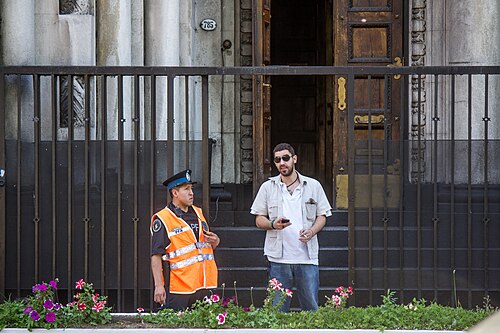
A photograph of Buenos Aires

City guide · Argentina

Buenos Aires

Buenos Aires is organised through distinct barrios, each with a different visitor character. Monserrat and San Nicolás form the historic and civic centre; San T...

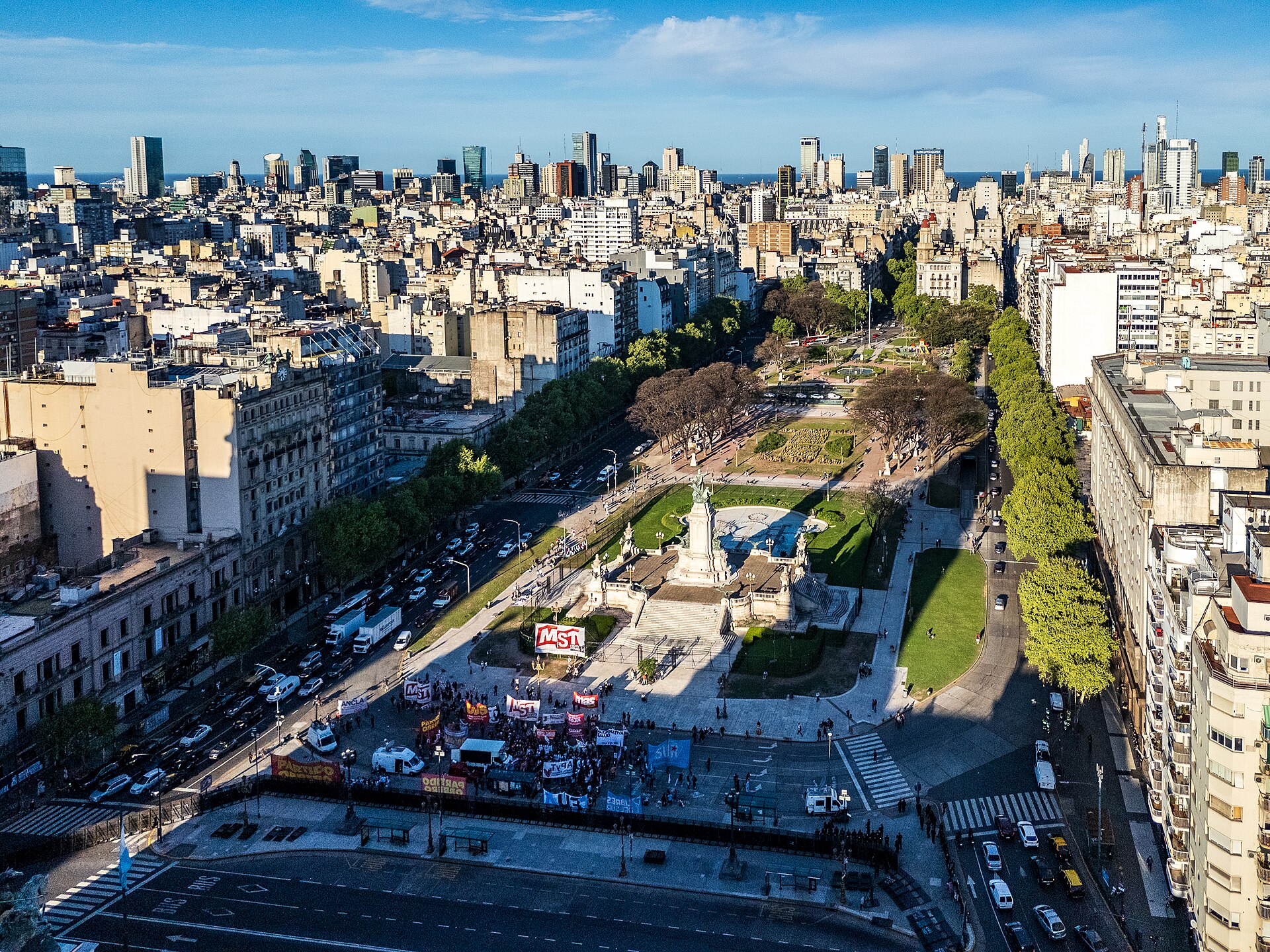
Photograph · ProtoplasmaKid · CC BY-SA 4.0

4,003 Places
Suggested stay
Not recorded
Getting around
Subte, bus, bicycle and taxi

Turn this list into a plan

Set your days, your pace and the hours you actually want to be out. The planner works around closing days and travel time, and leaves room to eat.

Plan Buenos Aires

Reviewed by Elena Voss · Roavina Travel Editor

Buenos Aires is organised through distinct barrios, each with a different visitor character. Monserrat and San Nicolás form the historic and civic centre; San Telmo and La Boca continue south; Recoleta and Palermo lie north; and Puerto Madero occupies the regenerated waterfront. The official tourism service treats these as separate neighbourhood experiences. Group adjacent barrios and avoid crossing the city repeatedly for isolated sights.

Checked 2026-08-26

Practical information

Language spoken
Spanish
National practical orientation; regional and minority languages may also be used
Dialling code
+54
International calling code; local area and mobile prefixes still apply
Currency
Argentine peso (ARS)
Use the official local currency; card acceptance varies by place
Emergency number
911 where available; local numbers vary
Use only for an emergency; tourist assistance may use a separate number
Plug type
Type C and I · 220 V
Check that chargers support the recorded voltage before using an adapter
Tap water
Not recorded
No verified nationwide visitor drinking-water statement was recorded

Planning a visit

September · September combines a 19.3°C mean high with 72.2 mm of rain in Buenos Aires, before the wetter late spring.

  1. January: viable with meaningful trade-offs
  2. February: good time to visit
  3. March: good time to visit
  4. April: best time to visit
  5. May: good time to visit
  6. June: viable with meaningful trade-offs
  7. July: viable with meaningful trade-offs
  8. August: good time to visit
  9. September: best time to visit — current month
  10. October: best time to visit
  11. November: best time to visit
  12. December: good time to visit

Sources

Top things to see

Ranked by importance — sitelinks, pageviews and heritage status, not editor preference.

  1. Templo Libertad Templo Libertad
    32 30 min

    Templo Libertad

    Sinagoga de la Congregación Israelita (CIRA)

    Templo Libertad is Argentina’s oldest synagogue and an important Jewish religious and cultural landmark in Buenos Aires. The complex combines an active house of worship with a Jewish museum devoted to the history of Jewish immigration to Argentina.

    • Must see
    • Place of worship
  2. King Fahd Islamic Cultural Center King Fahd Islamic Cultural Center
    33 30 min

    King Fahd Islamic Cultural Center

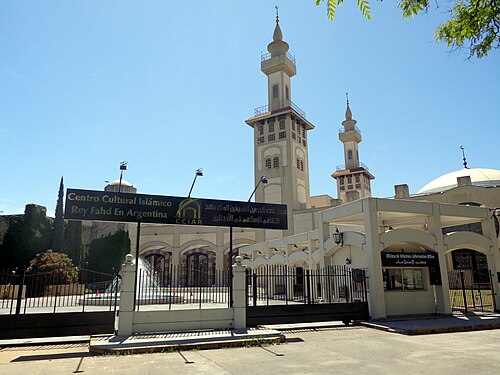
    Centro Cultural Islámico Rey Fahd

    Centro Cultural Islámico Rey Fahd is a major Islamic cultural and religious complex in Palermo, Buenos Aires. The centre serves the local Muslim community and stands as a distinctive architectural landmark within one of the city’s most visited neighbourhoods.

    • High
    • Place of worship
  3. Parque Centenario Parque Centenario
    34 1 hour

    Parque Centenario

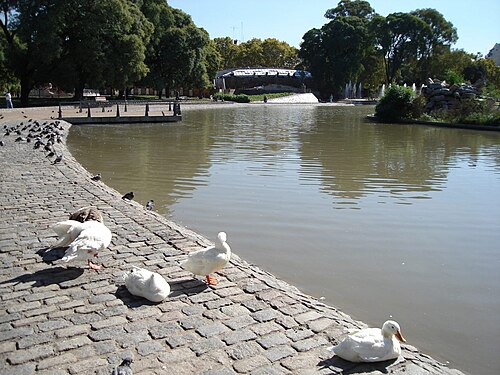
    Parque Centenario is a major circular neighbourhood park in Buenos Aires, Argentina. The park serves as a significant green space linking several cultural and recreational attractions within its boundaries.

    • High
    • Nature site
  4. Lezama Park Lezama Park
    35 1 hour

    Lezama Park

    Parque Lezama

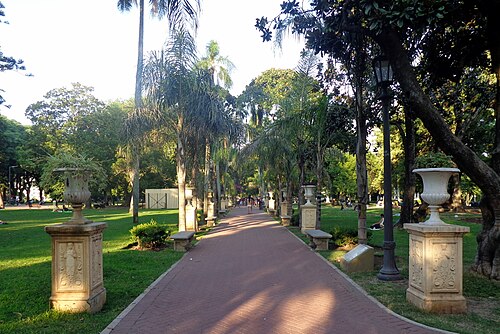
    Parque Lezama is a historic public park situated on a pronounced slope that forms a natural boundary between the neighbourhoods of San Telmo and La Boca in Buenos Aires, Argentina.

    • High
    • Nature site
  5. Feria de Mataderos Feria de Mataderos
    36 45 min

    Feria de Mataderos

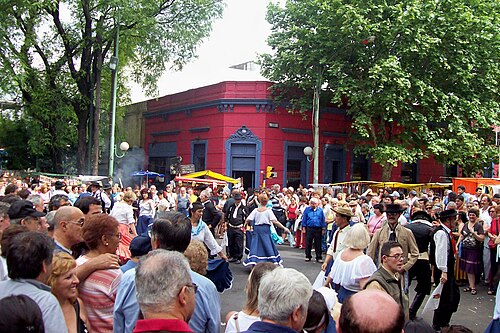
    Feria de Mataderos is a Buenos Aires fair devoted to Argentine folk culture. In the western Mataderos neighbourhood, historically associated with livestock markets, it brings rural traditions into an urban setting.

    • High
    • Historic monument
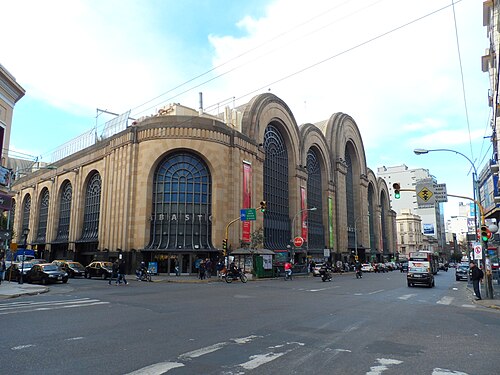
  6. Abasto de Buenos Aires Abasto de Buenos Aires
    37 45 min

    Abasto de Buenos Aires

    Abasto Shopping

    The Abasto Market Building, known locally as Abasto de Buenos Aires, is a monumental Art Deco structure that formerly served as the city's central produce market.

    • High
    • Market
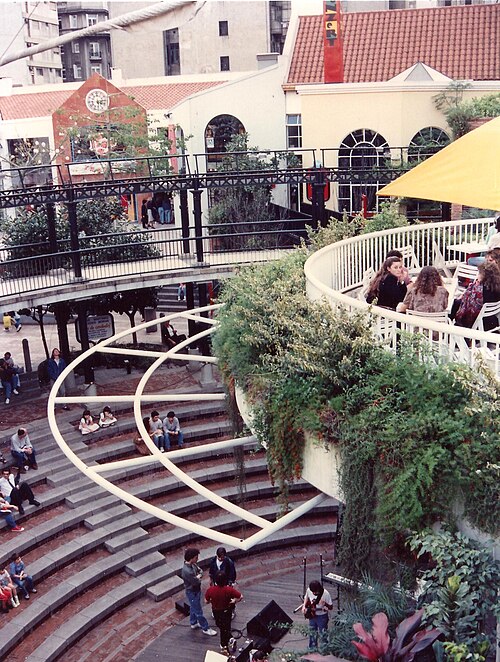
  7. Paseo La Plaza Paseo La Plaza
    38 45 min

    Paseo La Plaza

    Paseo La Plaza is a dense theatre and cultural complex situated along Avenida Corrientes in Buenos Aires. The complex embodies the live-performance energy for which this famous avenue is renowned throughout Argentina.

    • High
    • Market
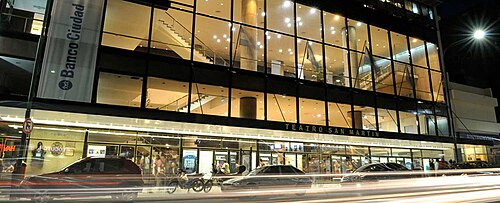
  8. Teatro General San Martín Teatro General San Martín
    39 1 hour

    Teatro General San Martín

    Teatro General San Martín is Buenos Aires' principal public theatre and a major modernist building. It stands as a cornerstone of Corrientes Avenue cultural life.

    • High
    • Art and culture venue

Source: OpenStreetMap contributors, Wikidata ·

How the city is laid out

Plaza de Mayo, Avenida de Mayo, the Obelisk and Teatro Colón anchor the Monserrat-San Nicolás cluster. San Telmo connects the centre with the southern route toward La Boca. Recoleta combines the cemetery, museums and formal avenues, while Palermo spreads across parks, museums and several informal sub-districts. Puerto Madero is a separate riverside walk. Belgrano and outer barrios require their own transit segment.

Checked 2026-08-26

Getting around

The Subte is often the quickest way to move between central districts, while buses extend coverage across the city. Public transport uses the rechargeable SUBE card. Taxis and the cycle network provide alternatives, and official journey tools compare routes and walking distance. Walk within San Telmo, Recoleta, Palermo or the central core, then use transit between them; approach La Boca with a planned daytime route.

Checked 2026-08-26

Common questions

How is Buenos Aires organised for sightseeing?

Monserrat-San Nicolás, San Telmo, Recoleta, Palermo and Puerto Madero are distinct barrio clusters

How many days should I spend in Buenos Aires?

No fixed stay length is recorded; plan the visit by barrios and selected outer districts.

What is the easiest way to get around Buenos Aires?

Use the Subte for central journeys and buses for broader coverage; public transport requires SUBE.

Which places need a separate trip from central Buenos Aires?

Palermo is a large neighbourhood with several informal areas, so confirm the exact destination.

What is the most practical way to plan a day in Buenos Aires?

La Boca is best visited through a planned daytime route rather than an improvised cross-city walk.