Casa Rosada
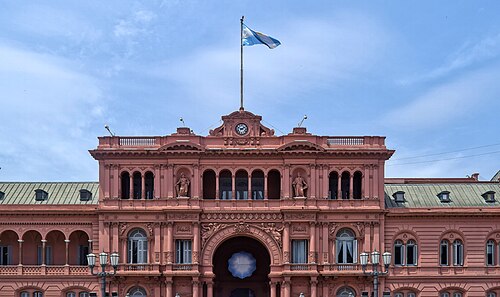
Casa Rosada is Argentina's national government house and contains the president's office, facing Plaza de Mayo at the centre of Buenos Aires' civic landscape.
- Must see
- Historic monument
- Buenos Aires
Language · 11 published
Country guide
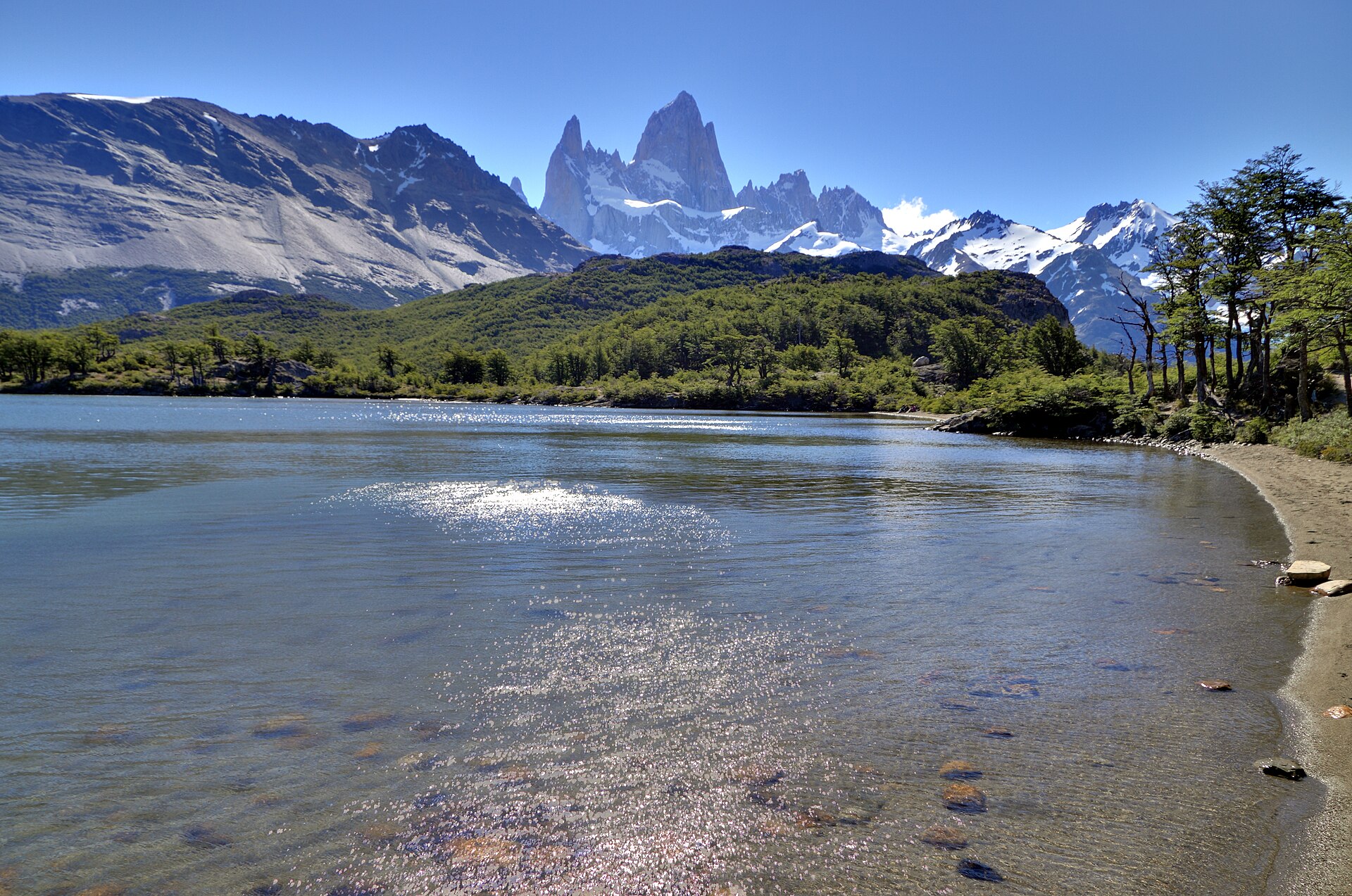
Argentina is 2,780,400 km², the eighth-largest country on earth, and the practical consequence is that its regions do not substitute for one another. Twenty-three provinces and one autonomous city take in subtropical forest and the Iguazú falls in the northeast, the flat cattle country of the Pampas around Buenos Aires, the Andean front of Cuyo where Aconcagua reaches 6,960 m, and then Patagonia, where the glaciers are and where the ground falls to 105 m below sea level at Laguna del Carbón. Choosing a city here is mostly a question of latitude and season.
Reviewed by Elena Voss · Roavina Travel Editor
Every city catalogued in this country so far, ranked by how much there is to see.
Photograph · ProtoplasmaKid · CC BY-SA 4.0
Ranked by importance — sitelinks, pageviews and heritage status, not editor preference.
14 places match
Category
Typical visit duration
Interests
Casa Rosada is Argentina's national government house and contains the president's office, facing Plaza de Mayo at the centre of Buenos Aires' civic landscape.
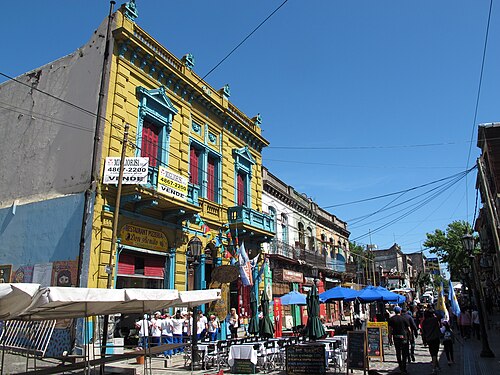
Caminito is a short pedestrian street and open-air museum in the La Boca neighbourhood of Buenos Aires, Argentina. It occupies a roughly 100-metre stretch of cobblestones between Garibaldi and Lamadrid streets.
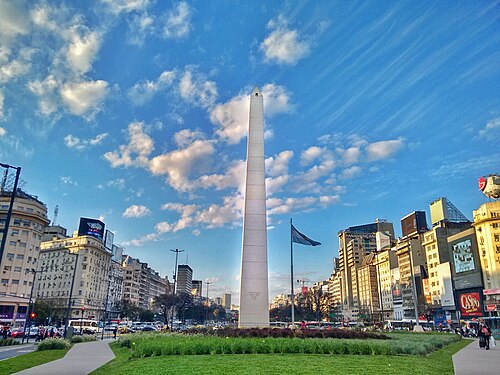
Obelisco
The Obelisk of Buenos Aires is a prominent monument standing at the intersection of Avenida 9 de Julio and Avenida Corrientes. Erected in 1936, it commemorates the quadricentennial of the city's founding.
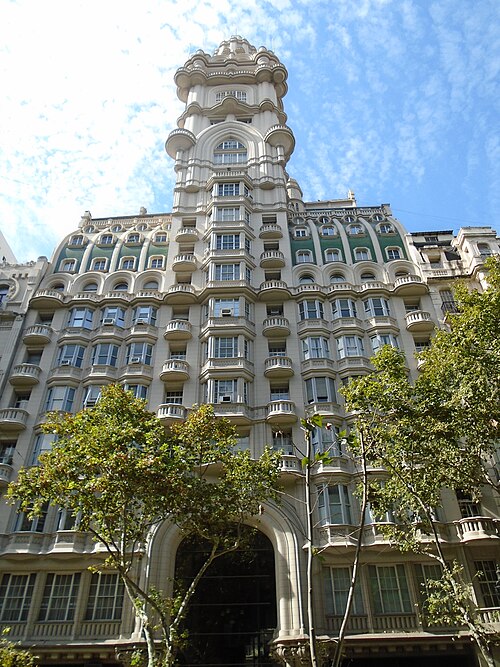
Palacio Barolo
Palacio Barolo is a landmark office building in Buenos Aires designed by Italian architect Mario Palanti and completed in 1923.
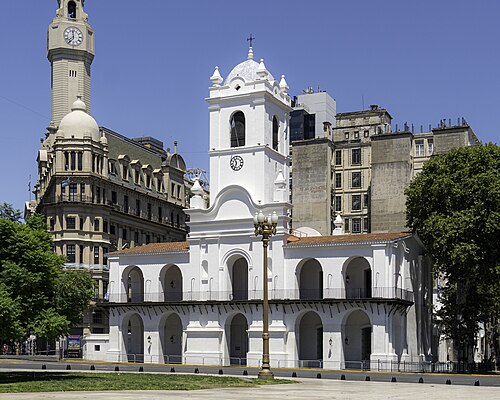
Cabildo de Buenos Aires
The Cabildo of Buenos Aires is a historic public building located on Plaza de Mayo, facing the Casa Rosada. It served as the seat of the colonial city council during Spanish rule and witnessed pivotal moments in Argentine independence.
Congreso de la Nación Argentina
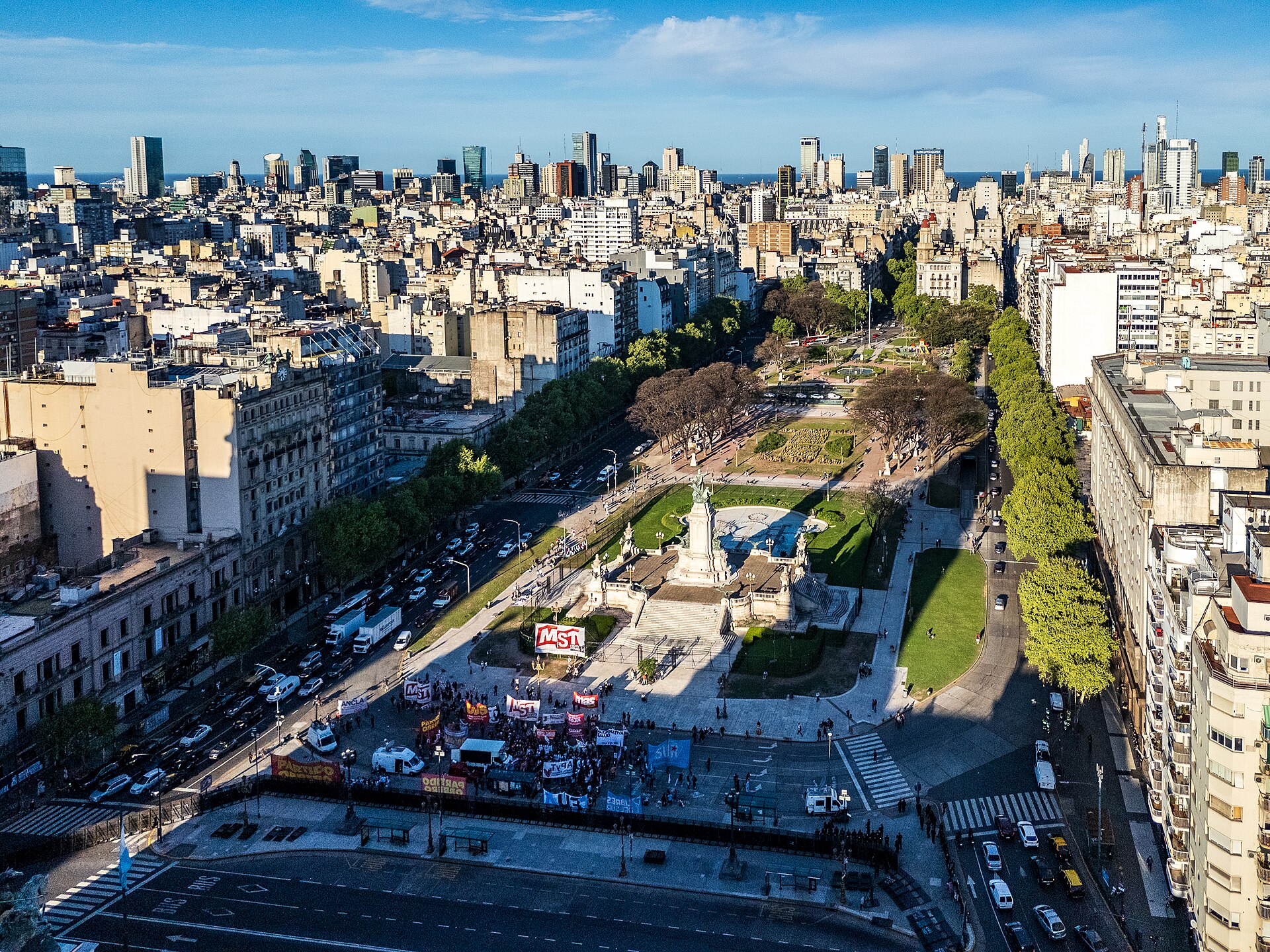
The Palacio del Congreso de la Nación Argentina stands as the seat of Argentina's bicameral legislature in Buenos Aires. This monumental Neoclassical building dominates the Plaza del Congreso with its distinctive green copper dome, among the world's largest.
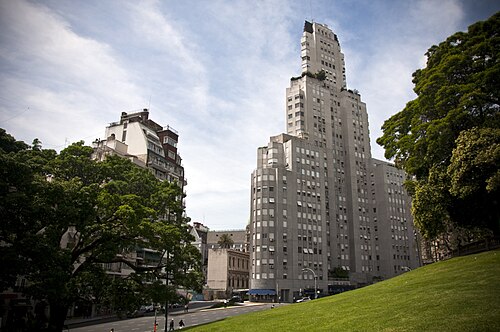
Edificio Kavanagh
The Kavanagh Building, known locally as Edificio Kavanagh, stands as a landmark 1930s skyscraper in Buenos Aires. It ranks among Latin America's most important early modern high-rise buildings.
Torre de los Ingleses
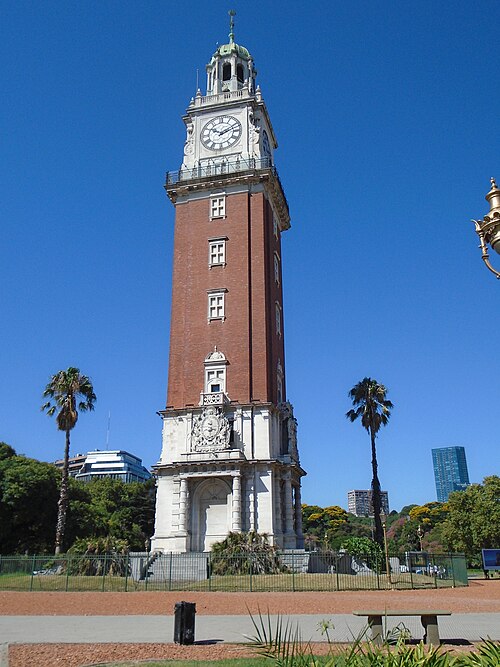
Torre Monumental is a historic clock tower located in the Retiro neighbourhood of Buenos Aires. Originally known as Torre de los Ingleses, it was erected as a gift from the local British community.
Colón Fábrica
Colón Fábrica is the production facility associated with Teatro Colón, Buenos Aires’s major opera and ballet institution. In La Boca, the complex gives visitors a different view of theatrical culture from a performance inside the downtown theatre.
Planetario Galileo Galilei
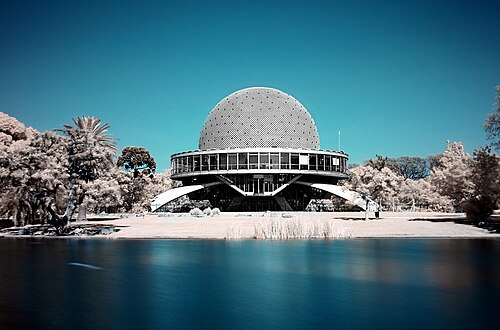
The Galileo Galilei Planetarium is a distinctive domed science venue in Buenos Aires, Argentina. Located in the Palermo neighborhood, it serves as both a family attraction and a recognized architectural icon of the area.
Biblioteca Nacional Mariano Moreno
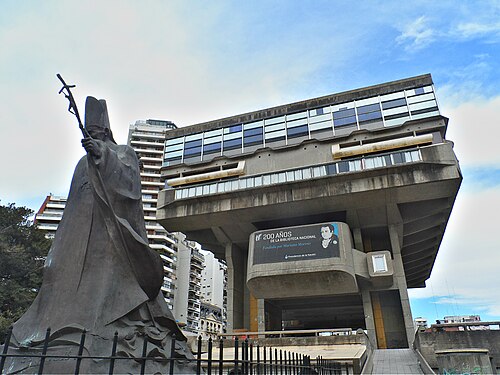
The Biblioteca Nacional Mariano Moreno is Argentina's national library, housed in a landmark Brutalist building designed by Clorindo Testa.
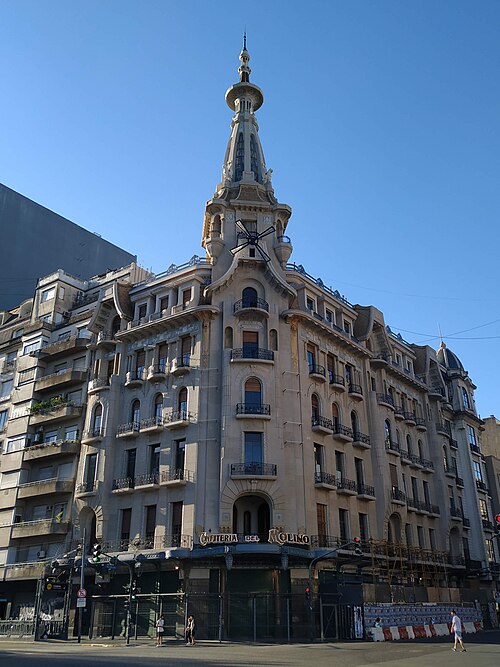
Confitería El Molino
Confitería del Molino is a restored Art Nouveau café and confectionery opposite Argentina’s National Congress in Buenos Aires. Designed by architect Francisco Gianotti, it opened in 1917 and became a celebrated meeting place for politicians, intellectuals, and artists.
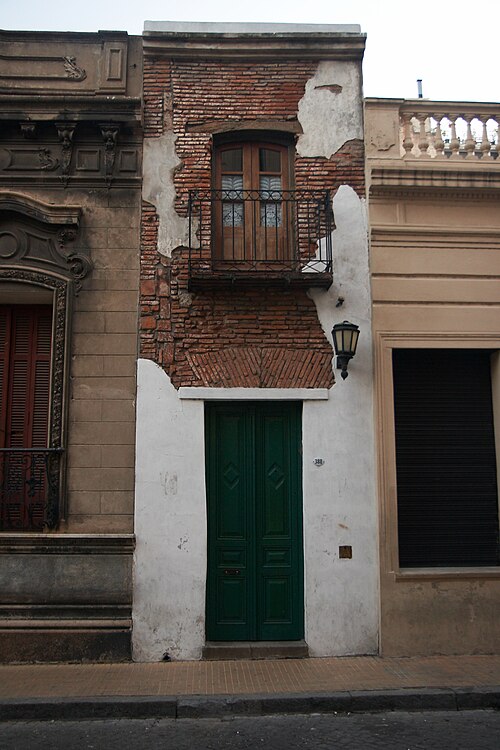
Casa Mínima
Casa Mínima is a notably narrow historic house in Buenos Aires, recognised as one of the city's slimmest preserved residences. Located in the San Telmo neighbourhood, this compact dwelling forms part of the area's colonial heritage circuit.
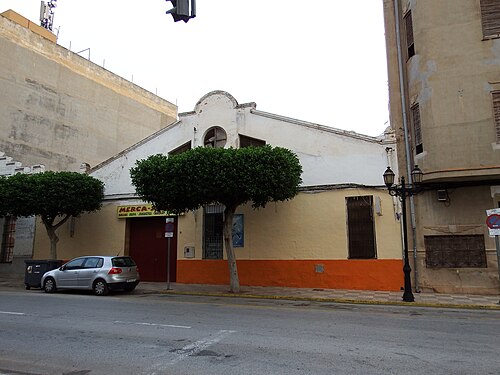
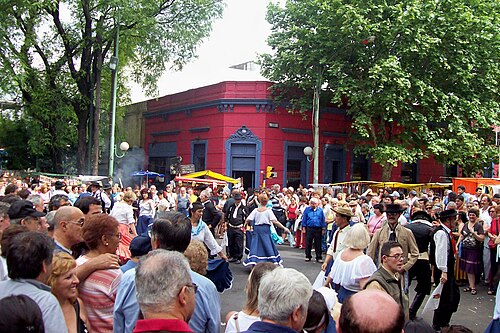
Feria de Mataderos is a Buenos Aires fair devoted to Argentine folk culture. In the western Mataderos neighbourhood, historically associated with livestock markets, it brings rural traditions into an urban setting.
Source: OpenStreetMap contributors, Wikidata ·
A 10–16 day Argentina trip can give Buenos Aires four or five days and use the remaining time for one distant region. Patagonia, the northwest and the Iguazú area should be treated as separate journeys because their transfers consume full travel days.
Argentina’s Dirección Nacional de Migraciones is the authority for admission rules. Passport, visa and permitted-stay conditions vary by nationality and purpose, so verify the current requirement there before purchasing non-refundable travel.
Buenos Aires uses Aeroparque and Ezeiza for different route mixes, while domestic flights and long-distance coaches carry most interregional journeys. Passenger rail serves limited corridors, and each city sets its own local transport payment rules.
March to May and September to November are useful broad windows for Buenos Aires and several central routes. Patagonia, Iguazú and the Andean northwest follow different weather patterns, so choose dates around the region that anchors the trip.
Argentina uses the Argentine peso (ARS). Exchange rates and payment conditions are not recorded here; confirm the amount at a bank or authorised exchange counter before accepting a conversion.
Police assistance is generally reached on 911, although local emergency numbers vary. Argentina uses Type C and I plugs at 220 V; nationwide tap-water guidance is Not recorded, so ask the local water authority or accommodation.