
9 min walk
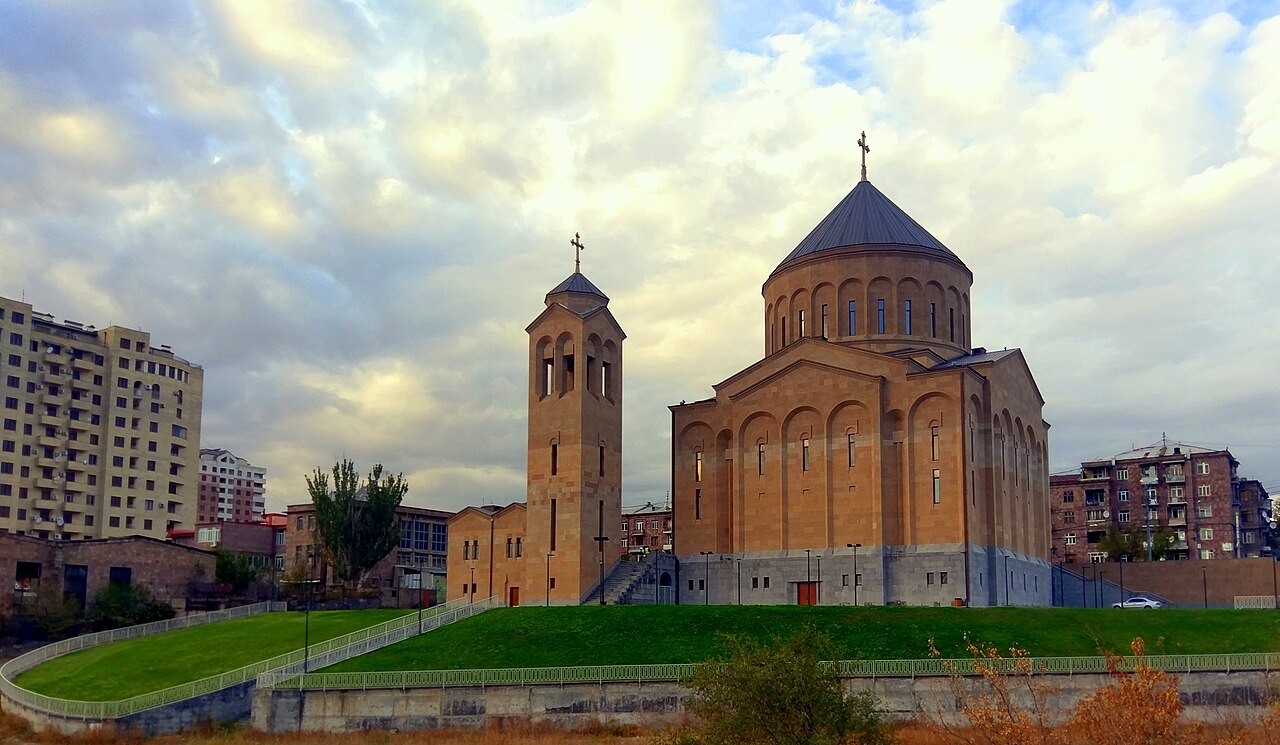
Holy Cross Church, Arabkir
- High
- Place of worship
Language · 11 published
Museum · Yerevan
Կապի թանգարան
Reviewed by Elena Voss · Roavina Travel Editor

This place is a Museum. It was established in 2012.
Communication Museum explores the history of communication technology in Yerevan and Armenia. Its subject reaches from postal services and telephones to telegraphy, radio, and the systems that connected people across distance. This is a useful stop for travelers who enjoy technology with a human story: every device reflects a way that messages, news, instructions, and personal contact moved through society. The museum places communications within Armenia’s changing historical landscape, showing how everyday connection depended on physical equipment before digital networks transformed the experience. It offers a more specialized perspective than a general city museum and rewards curiosity about how information travels.
Checked 2026-08-26 · Source
The displays focus on historical communications equipment, documents, and objects associated with postal, telephone, telegraph, and broadcasting systems. Travelers may encounter the material culture of communication: instruments designed to transmit signals, tools used by operators, postal objects, and evidence of how networks expanded. The collection is most interesting when viewed as a sequence of changing technologies rather than as isolated machines. Compare the size, controls, materials, and intended users of older devices with the compact technologies carried in a modern pocket. The museum’s specialized subject gives an ordinary act—sending a message—an engineering, social, and historical dimension.
Checked 2026-08-26 · Source
Allow roughly forty-five minutes to two hours, depending on how closely you engage with the displays. A shorter visit can cover the main themes and the most recognizable equipment, while a longer stay suits visitors who enjoy reading labels, comparing devices, or following the development of postal and telecommunications systems. The museum’s specialized scale makes it easy to add to a wider Yerevan cultural day. Give yourself enough time to pause at objects that reveal how communication worked in practice. The visit becomes more rewarding when you look beyond the appearance of the equipment and ask what social need each device served.
Checked 2026-08-26 · Source
An indoor communications museum fits comfortably into Yerevan plans in every season. It offers a useful pause during hot summer days and cold winter weather, while spring and autumn provide comfortable conditions for combining the museum with a longer walk through the capital. A morning visit can give you a quiet start to the subject, followed by other central sights, but the best timing is the slot that allows you to read and compare the exhibits without rushing. Build the stop into a day concerned with technology, civic history, or the ways Yerevan connects its past with its present.
Checked 2026-08-26 · Source
Plan the museum as a focused cultural stop whose value comes from its collection and displays. Keep Armenian dram available for small local transactions during your Yerevan day, and avoid allowing the museum to become an awkward gap between timed activities. Visitors with an interest in technology will gain most by moving slowly enough to understand the purpose of the objects. The experience is not simply a room of old devices: it is a story about postal routes, signals, operators, broadcasting, and the systems that made communication possible across Armenia and beyond.
Checked 2026-08-26 · Source
The museum is in Yerevan and can be reached as part of the capital’s network of metro, buses, marshrutka minibuses, taxis, and walkable central streets. Use the mapped OSM location for the final approach and combine the stop with nearby cultural places when designing your day. Walking can help place the museum’s communications story within the city’s everyday life, where phones, signs, streets, and public services continue the subject outside the galleries. A taxi is useful when the museum is one stop in a tightly timed route or when summer heat and winter cold make a longer walk less comfortable.
Checked 2026-08-26 · Source
The museum’s specialist theme may appeal most to travelers who enjoy machinery, social history, or the evolution of technology. Younger visitors can engage with the subject by comparing old communication devices with the phones and networks they use every day. Labels may give greater space to Armenian or Russian than to English, so visual observation becomes an important part of the visit. Move carefully around cases and displays, and keep the museum calm enough for others to read. The city’s summer heat and winter cold matter when combining this indoor stop with outdoor walking around Yerevan.
Checked 2026-08-26 · Source
Communication equipment photographs well because its forms reveal its function. Look for cords, dials, switches, keys, cabinets, antenna elements, postal marks, and the contrast between hand-operated mechanisms and later technologies. Keep the camera at a respectful distance from cases and avoid flash where it could disturb other visitors or affect sensitive material. A detail photograph can show how an object was used, while a wider view explains the relationship between devices and the surrounding display. Photograph for personal memory without blocking labels or other people, and let the museum’s historical story guide the images rather than collecting undirected snapshots.
Checked 2026-08-26 · Source
It focuses on the history of communications in Armenia, including postal services, telephones, telegraphy, radio, broadcasting, equipment, and related historical material.
It suits travelers interested in technology, engineering, postal history, telecommunications, broadcasting, and the social systems that connect people across distance.
Allow roughly forty-five minutes to two hours, depending on how much time you spend reading displays and comparing historical communication devices.
Children who enjoy devices and mechanisms can engage with the exhibits by comparing older communication equipment with the phones and networks they use today.
Yerevan’s metro, buses, marshrutka minibuses, taxis, and walkable central streets provide the main transport choices; use the mapped OSM location for the final approach.
Look for historical telephones, telegraph equipment, postal objects, broadcasting technology, controls, dials, cords, cabinets, and other details that show how communication systems worked.
Loading the interactive map…
The interactive map could not be loaded.
Last updated:
Source: OpenStreetMap contributors, Wikidata ·