Chinatown Melbourne is an ethnic enclave in the central business district of Melbourne, Australia. Established during the Victorian gold rush of the 1850s, it is one of the oldest continuous Chinese settlements in the Western world and the oldest Chinatown in Australia. The precinct centres on Little Bourke Street and extends to surrounding laneways. It is recognised for its historical significance, architectural heritage, and role as a cultural and commercial hub for Melbourne's Chinese community and visitors seeking authentic Asian experiences. Public streets are accessible 24 hours daily; restaurants, shops and heritage buildings keep separate hours. A partially accessible route serves public areas, but heritage stairs, cobbles or venue constraints limit the complete circuit. Public streets are accessible 24 hours daily; restaurants, shops and heritage buildings keep separate hours. Walking public streets is free; meals, tours and attractions cost separately. A partially accessible route serves public areas, but heritage stairs, cobbles or venue constraints limit the complete circuit. Parliament and Melbourne Central stations; trams run along Bourke, Russell and Swanston streets. Yes. Events, maintenance, weather and security can change ordinary access. No. Special tours, exhibitions and activities use separate tickets. Public streets are accessible 24 hours daily; restaurants, shops and heritage buildings keep separate hours. Walking public streets is free; meals, tours and attractions cost separately. A partially accessible route serves public areas, but heritage stairs, cobbles or venue constraints limit the complete circuit. Parliament and Melbourne Central stations; trams
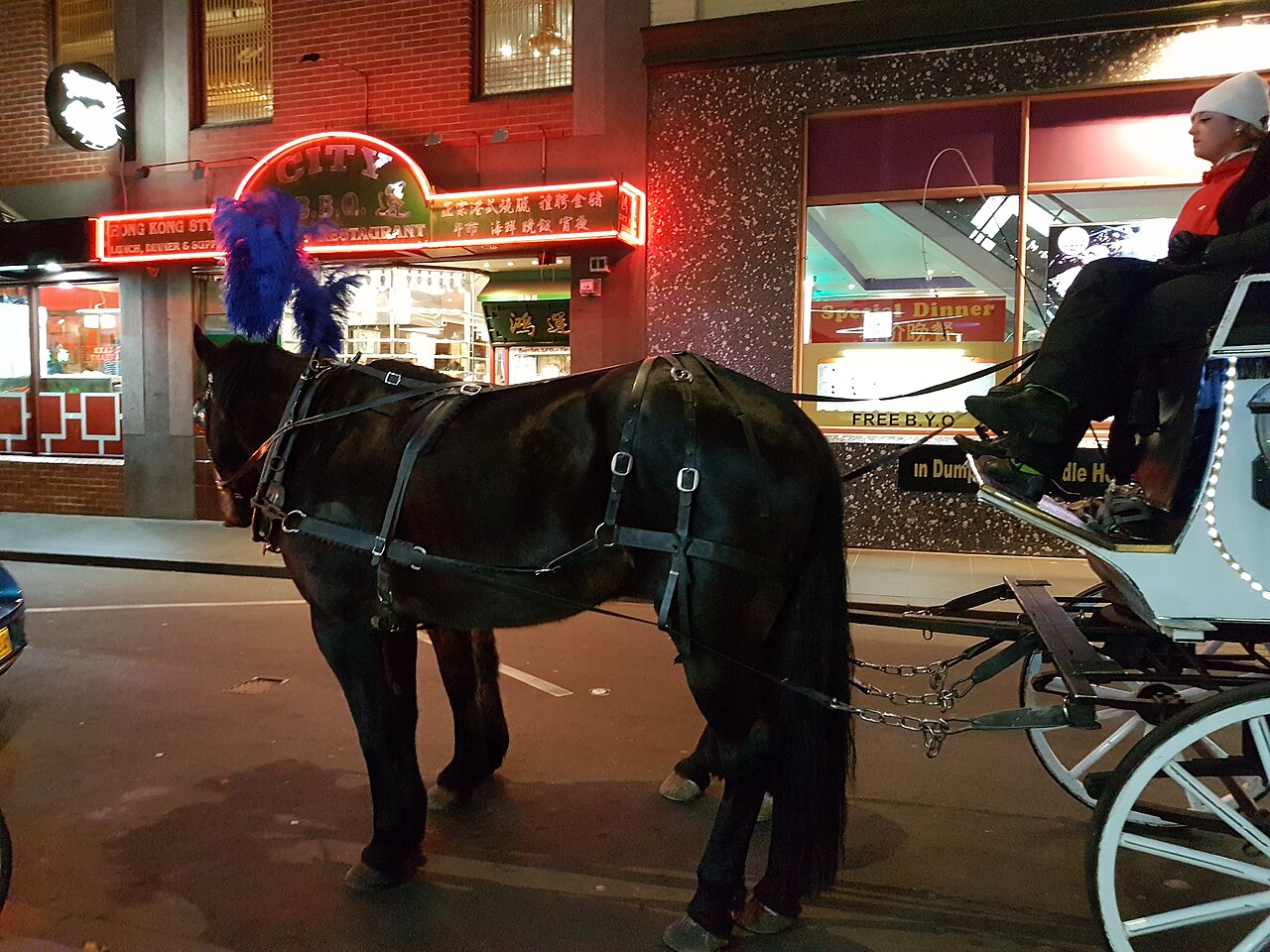
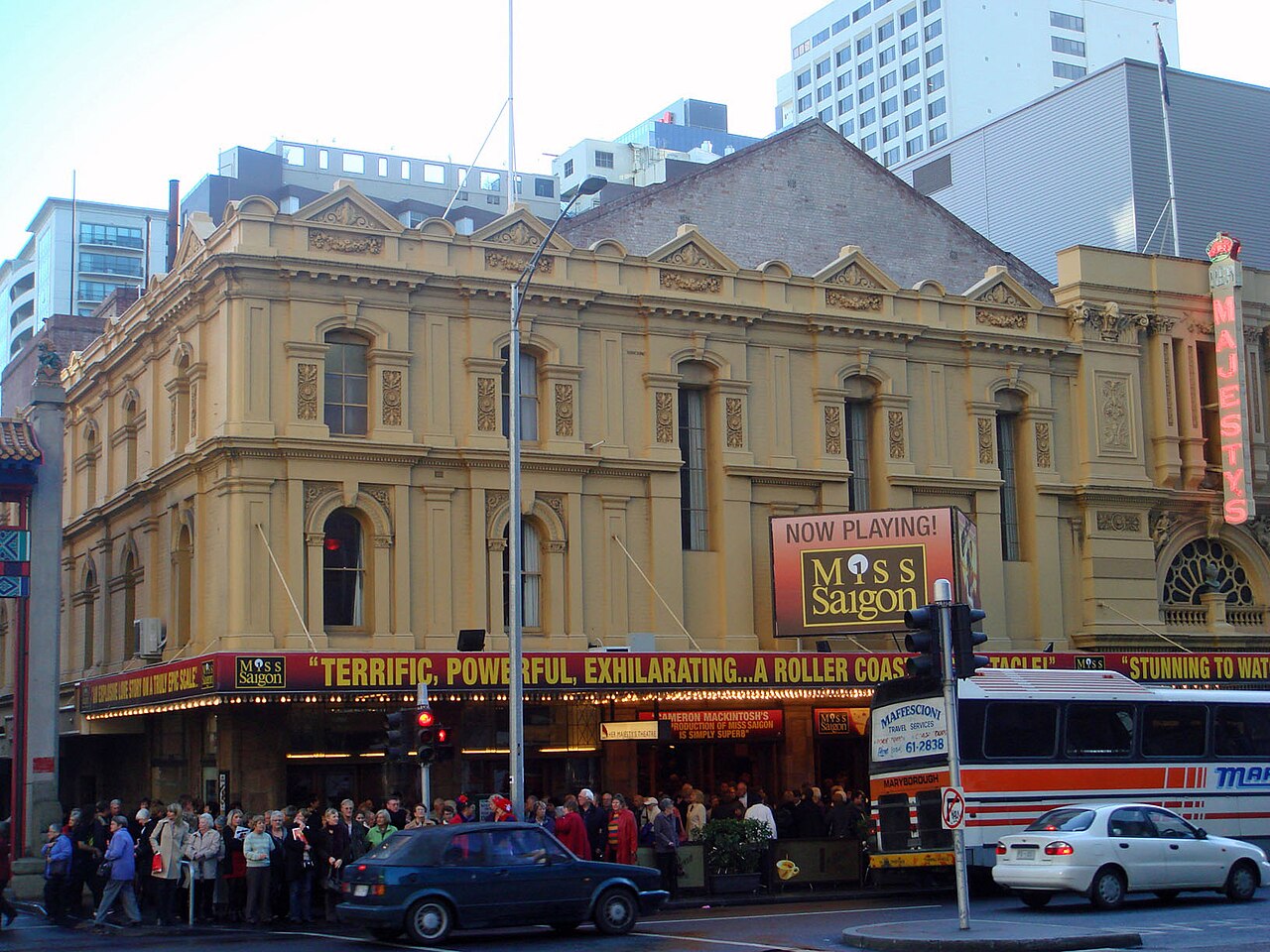
The precinct contains heritage-listed buildings, Chinese restaurants, grocery stores, herbal medicine shops, and cultural institutions. Notable features include the Chinese Museum, the Millennium Dragon, and various temples and clan associations. The area hosts restaurants serving regional Chinese cuisines alongside other Asian culinary traditions. Decorative elements such as paifang arches and lanterns mark the streetscape. The narrow laneways contain additional businesses and some street art. The density of dining establishments makes it a significant food destination within central Melbourne. Walking public streets is free; meals, tours and attractions cost separately. Parliament and Melbourne Central stations; trams run along Bourke, Russell and Swanston streets.
A thorough exploration of Chinatown Melbourne requires approximately two to three hours for walking the main thoroughfares and laneways, observing architectural details, and visiting the Chinese Museum. Dining experiences extend this duration considerably. Visitors focused primarily on a meal and brief atmospheric walk may complete their visit in sixty to ninety minutes. Those with specific interests in heritage architecture or photographic documentation should allocate additional time. Evening visits, particularly for dinner service, represent the most common pattern of engagement with the precinct. A partially accessible route serves public areas, but heritage stairs, cobbles or venue constraints limit the complete circuit.
Public streets are accessible 24 hours daily; restaurants, shops and heritage buildings keep separate hours. Dated closures, ceremonies, performances, weather or security notices from the operator take priority over ordinary hours. Arrive early enough to complete the public route before final admission. Follow staff directions on arrival.
Walking public streets is free; meals, tours and attractions cost separately. The base ticket excludes transport, tours, premium access, special exhibitions and independently operated activities unless explicitly listed. Carry any required identity or concession document. Follow staff directions on arrival. Follow staff directions on arrival.
Parliament and Melbourne Central stations; trams run along Bourke, Russell and Swanston streets. Use the named entrance and station because security, separate exits and large complexes can change the practical route. Allow extra time for screening and the final walk. Follow staff directions on arrival.
A partially accessible route serves public areas, but heritage stairs, cobbles or venue constraints limit the complete circuit. Public streets are accessible 24 hours daily; restaurants, shops and heritage buildings keep separate hours. Walking public streets is free; meals, tours and attractions cost separately. A partially accessible route serves public areas, but heritage stairs, cobbles or venue constraints limit the complete circuit. Historic surfaces, crowds and security remain relevant.
The paifang gates at either end of Little Bourke Street provide identifiable framing devices. Early morning offers reduced pedestrian interference for architectural photography. Night photography benefits from illuminated signage and lantern installations, though tripod use in crowded areas requires consideration for pedestrian traffic. The Chinese Museum permits photography under specific conditions; visitors should inquire internally. Interior restaurant photography requires establishment permission. Heritage building facades on Little Bourke Street and Crossley Street offer consistent visual interest. Overcast conditions reduce harsh shadows across the narrow street corridor. Walking public streets is free; meals, tours and attractions cost separately.
Nothing non-essential is set before you choose, in regions where consent is required. If you decline, ads still appear and analytics is switched off entirely.