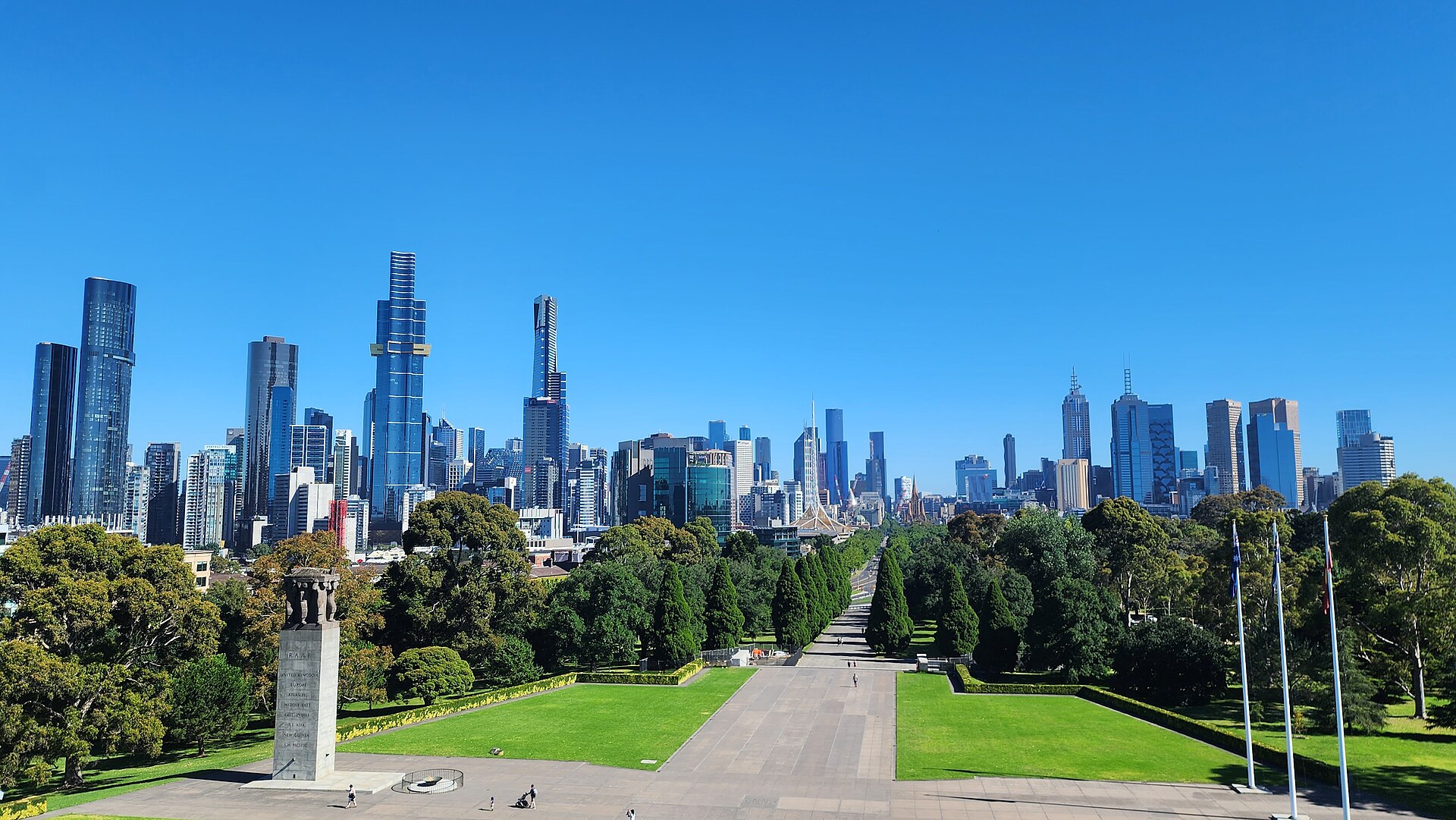
A photograph of Melbourne

City guide · Australia

Melbourne

Melbourne's central grid meets the Yarra at Federation Square, giving the main galleries, arcades, markets and riverfront a clear urban base. Carlton and Fitzro...

Photograph · Shkuru Afshar · CC BY-SA 4.0

12,435 Places
Suggested stay
Not recorded
Getting around
Walking, train, tram and bus

Turn this list into a plan

Set your days, your pace and the hours you actually want to be out. The planner works around closing days and travel time, and leaves room to eat.

Plan Melbourne

Reviewed by Elena Voss · Roavina Travel Editor

Melbourne's central grid meets the Yarra at Federation Square, giving the main galleries, arcades, markets and riverfront a clear urban base. Carlton and Fitzroy extend north beyond that grid, while St Kilda is a separate bayside destination. Regional Victoria begins beyond the metropolitan sightseeing pattern and should be planned as an excursion rather than attached to a crowded central day.

Checked 2026-08-26

Practical information

Language spoken
English is the principal language; no federal official language
National practical orientation; regional and minority languages may also be used
Dialling code
+61
International calling code; local area and mobile prefixes still apply
Currency
Australian dollar (AUD)
Use the official local currency; card acceptance varies by place
Emergency number
000
Use only for an emergency; tourist assistance may use a separate number
Plug type
Type I · 230 V
Check that chargers support the recorded voltage before using an adapter
Tap water
Safe from treated public supplies
Follow local notices in remote communities and after disruptions

Planning a visit

September · September warms to a 16.9°C mean high at Melbourne Airport, though wind speed and wet-day normals remain relatively high.

  1. January: good time to visit
  2. February: good time to visit
  3. March: best time to visit
  4. April: best time to visit
  5. May: good time to visit
  6. June: viable with meaningful trade-offs
  7. July: viable with meaningful trade-offs
  8. August: viable with meaningful trade-offs
  9. September: good time to visit — current month
  10. October: best time to visit
  11. November: best time to visit
  12. December: good time to visit

Sources

Top things to see

Ranked by importance — sitelinks, pageviews and heritage status, not editor preference.

  1. Arts Centre Melbourne Arts Centre Melbourne
    07 45 min

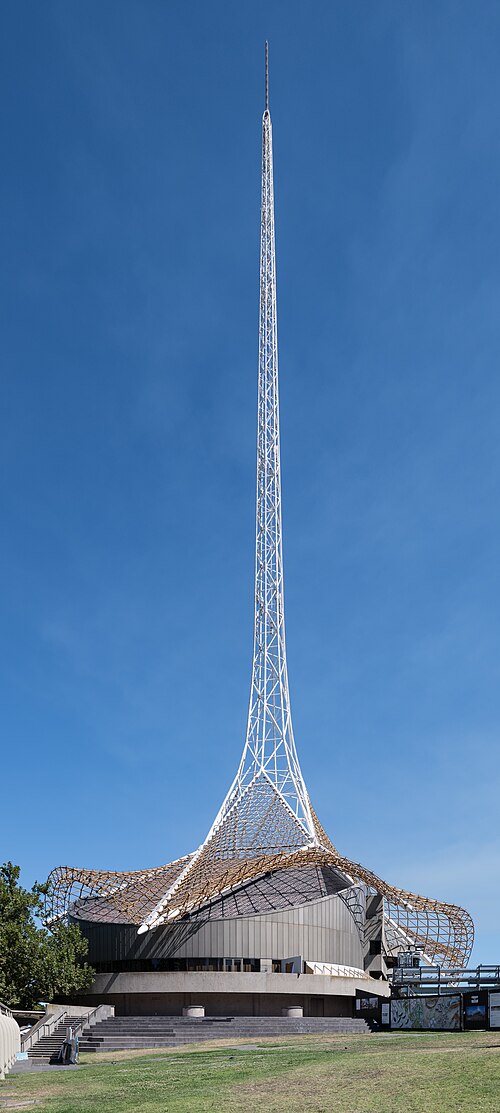
    Arts Centre Melbourne

    Arts Centre Melbourne is a performing arts centre located in the Southbank precinct of Melbourne, Victoria. It serves as a major hub for theatre, music, dance, and cultural events in Australia's second-largest city.

    • Must see
    • Historic monument
  2. Chinatown Melbourne Chinatown Melbourne
    08 1 hour

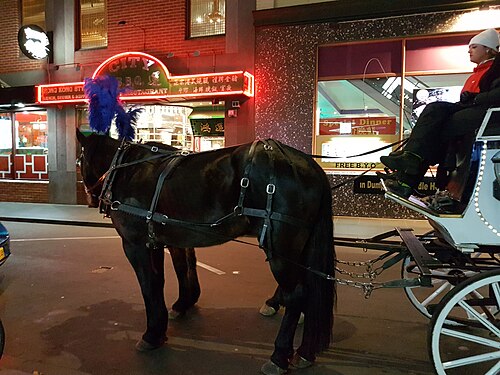
    Chinatown Melbourne

    Chinatown Melbourne is an ethnic enclave in the central business district of Melbourne, Australia.

    • Must see
    • Historic monument
  3. Royal Arcade Royal Arcade
    09 30 min

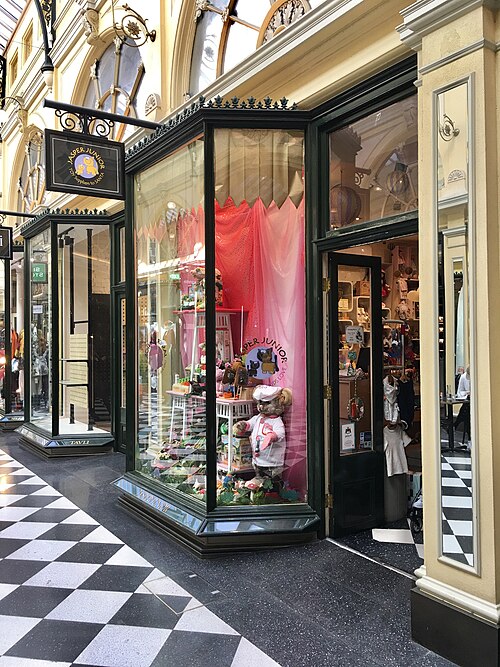
    Royal Arcade

    Royal Arcade is a working nineteenth-century shopping passage in central Melbourne, opened in 1870 and still linking the city’s retail streets.

    • Must see
    • Historic monument
  4. Centre Place Centre Place
    10 45 min

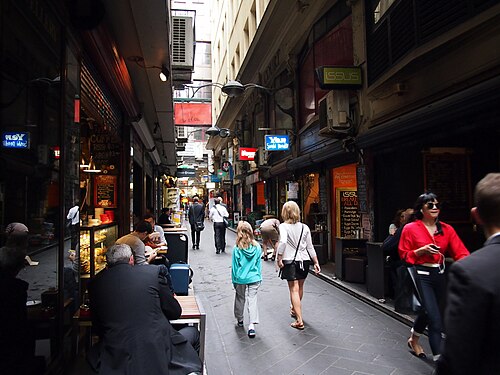
    Centre Place

    Centre Place is a narrow pedestrian laneway in central Melbourne, running between Flinders Lane and Collins Street.

    • Must see
    • Historic monument
  5. Melbourne Town Hall Melbourne Town Hall
    11 45 min

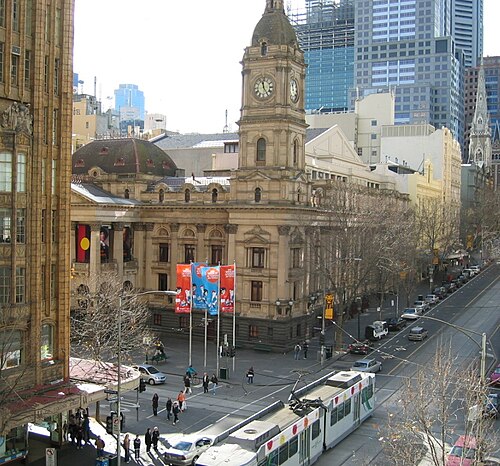
    Melbourne Town Hall

    Melbourne Town Hall is a civic building serving as the seat of the City of Melbourne local government. Located on Swanston Street in the central business district, it occupies a prominent position in the city's civic and cultural landscape.

    • Must see
    • Historic monument
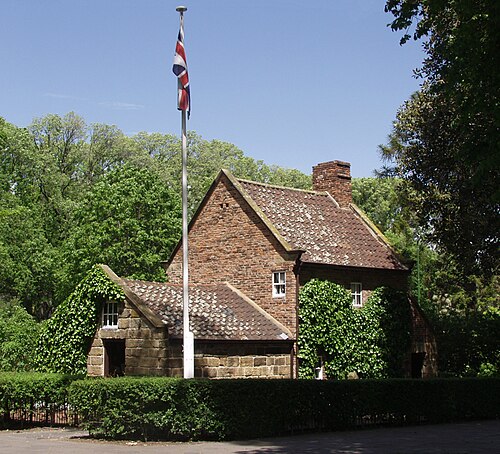
  6. Cooks' Cottage Cooks' Cottage
    12 45 min

    Cooks' Cottage

    Cook's Cottage is a historic building in Melbourne's Fitzroy Gardens. It was built in 1755 in Great Ayton, Yorkshire, England, then dismantled, shipped to Australia and rebuilt in Melbourne in 1934.

    • Must see
    • Historic monument
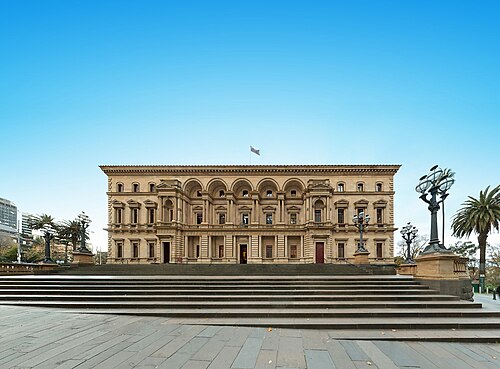
  7. Old Treasury Building Old Treasury Building
    13 45 min

    Old Treasury Building

    Old Treasury Building is a grand nineteenth-century public building in Melbourne, Victoria. Built during the Victorian gold rush era, it reflects the wealth and administrative ambition that shaped the young city.

    • Must see
    • Historic monument
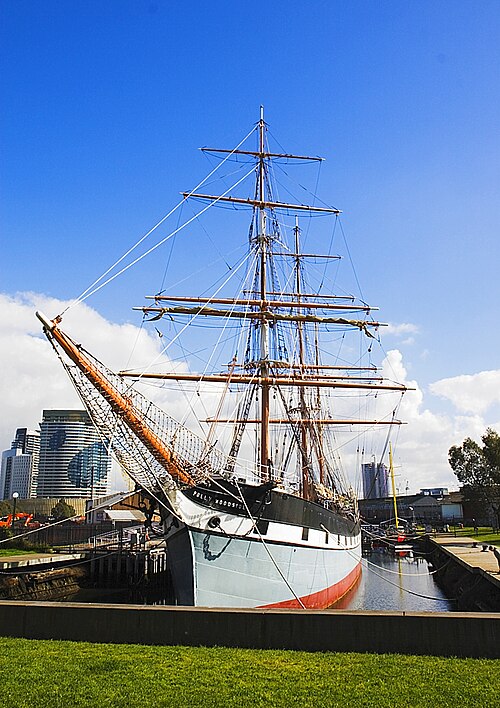
  8. Polly Woodside Polly Woodside
    14 45 min

    Polly Woodside

    Polly Woodside is a historic iron-hulled sailing ship preserved as a maritime heritage attraction in Melbourne. Built in 1885 in Belfast, Northern Ireland, the vessel operated as a cargo ship for decades before retirement.

    • Must see
    • Historic monument
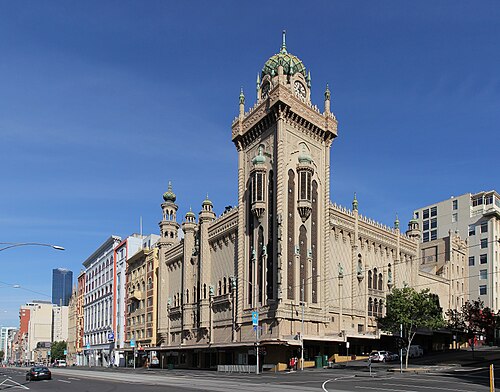
  9. Forum Theatre Forum Theatre
    15 45 min

    Forum Theatre

    Forum Melbourne

    Forum Melbourne is a historic entertainment venue located in the central city area. The building features distinctive architectural elements that contribute to its recognition as a significant Melbourne landmark.

    • Must see
    • Historic monument
  10. Werribee Park Mansion Werribee Park Mansion
    16 45 min

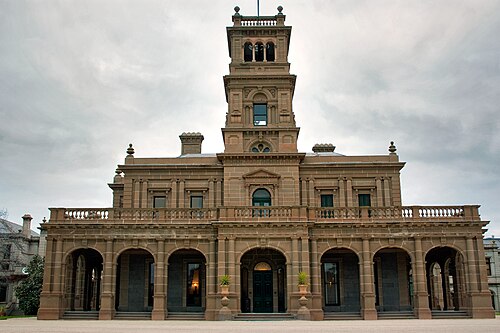
    Werribee Park Mansion

    Werribee Park Mansion is an Italianate-style nineteenth-century mansion in the western part of Greater Melbourne. Built in the 1870s, it reflects the wealth of Victoria’s pastoral era and stands at the center of the wider Werribee Park precinct.

    • High
    • Historic monument
  11. Montsalvat Montsalvat
    17 45 min

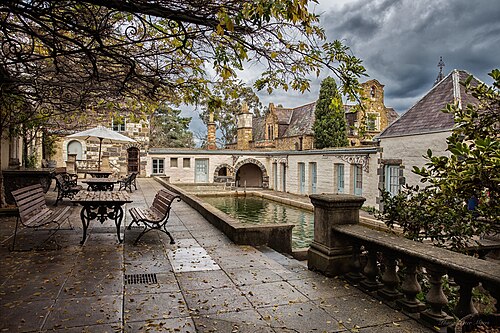
    Montsalvat

    Montsalvat is an artists' colony and cultural precinct located in Eltham, within the greater Melbourne metropolitan area. Established in the 1930s, it occupies a distinctive hillside property that has served as a creative community for multiple generations.

    • High
    • Historic monument

Source: OpenStreetMap contributors, Wikidata ·

How the city is laid out

Start with a lane-and-gallery circuit in the central grid and cross the Yarra only for the Southbank institutions selected that day. Pair Carlton with the northern edge of the centre, and treat Fitzroy as another neighbourhood walk. St Kilda belongs in a bayside block. Airport transfers and regional Victoria use different corridors, so neither should be folded into an already full city itinerary.

Checked 2026-08-26

Getting around

Melbourne's tram network is the practical link between central streets and nearby precincts, with trains and buses serving journeys that do not follow a tram corridor. Walking is effective inside the central grid, Carlton, Fitzroy or St Kilda, but not as a substitute for the trip between them. Public Transport Victoria should be checked for disruptions, replacement services and the correct connection before each longer leg.

Checked 2026-08-26

Common questions

How many days should I spend in Melbourne?

No official stay duration is recorded for Melbourne. Cover the central grid and Yarra institutions first, then give Carlton, Fitzroy and St Kilda their own neighbourhood periods. Regional Victoria requires additional time outside the city schedule.

How should I organise sightseeing in Melbourne?

Arrange the centre around Federation Square, the lanes and the river, then move north for Carlton or Fitzroy. Keep St Kilda for a bayside half-day or evening rather than interrupting a central museum route.

How do I get around Melbourne?

Use trams for many central and inner-city links, trains for rail corridors and buses where neither reaches. Public Transport Victoria publishes the current network information and disruption notices needed to choose the route.

Can I explore Melbourne mainly on foot?

Walking suits the central grid, Yarra banks and a single inner neighbourhood. The distance between those areas and St Kilda makes public transport the practical choice for a wider Melbourne itinerary.

Which Melbourne trips need separate planning?

Treat St Kilda, the airport and destinations in regional Victoria as distinct transport plans. Check the operating route and return service before leaving the central network, especially when works trigger replacement buses.