
4 min walk · Hietzing
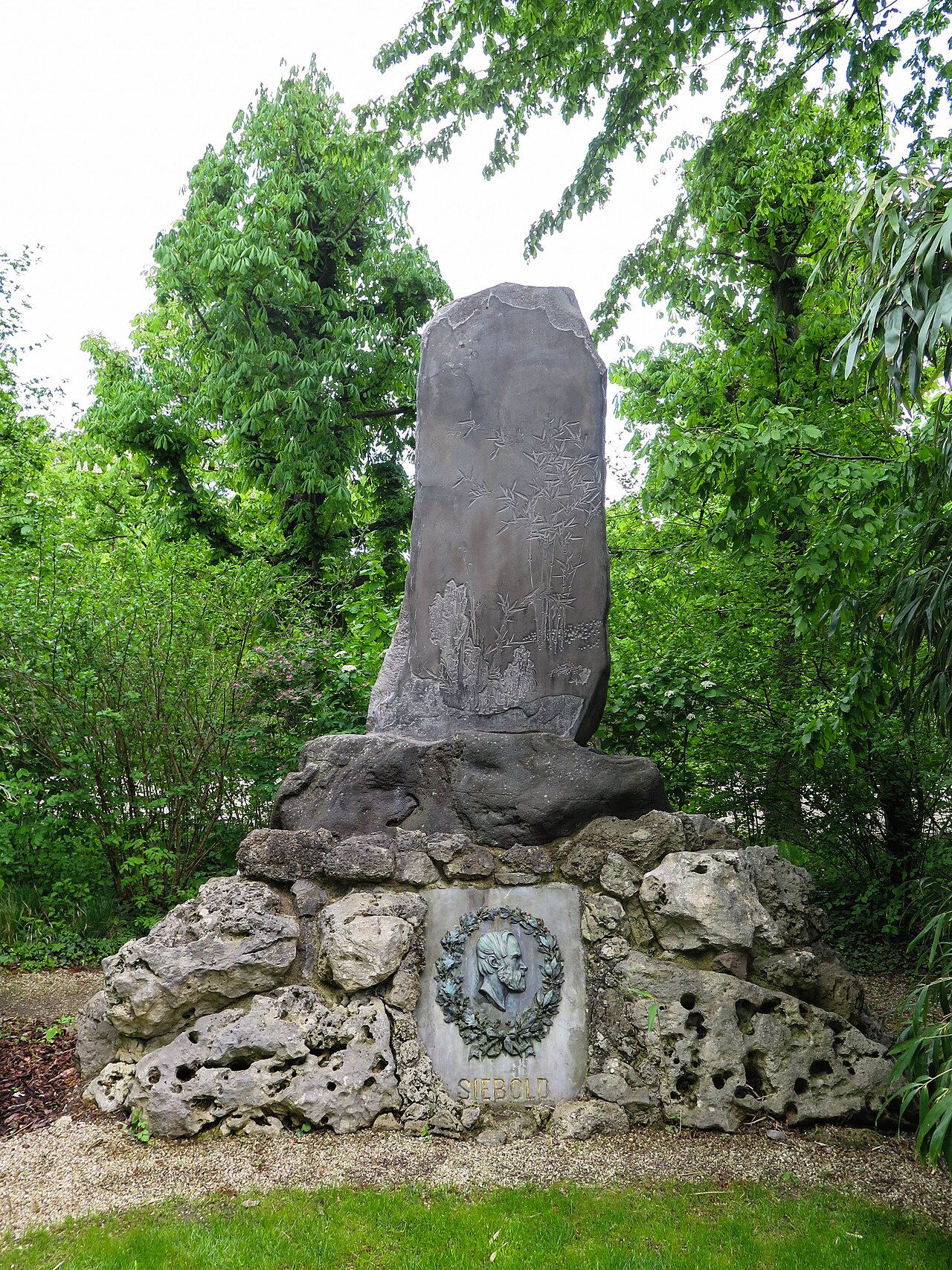
Philipp Franz von Siebold memorial
- High
- Historic monument
Language · 11 published
Family attraction · Hietzing, Vienna
Tiergarten Schönbrunn
Reviewed by Elena Voss · Roavina Travel Editor
| Monday | 09:00 – 18:30 |
|---|---|
| Tuesday | 09:00 – 18:30 |
| Wednesday | 09:00 – 18:30 |
| Thursday | 09:00 – 18:30 |
| Friday | 09:00 – 18:30 |
| Saturday | 09:00 – 18:30 |
| Sunday | 09:00 – 18:30 |
Checked 2026-08-31 · Source
Read from the OpenStreetMap access tags; anything not listed has no tag recorded.
Set the group type to family in the planner and the day window contracts to about three quarters of a solo day.
It was established in 1752.
Tiergarten Schönbrunn sits inside the grounds of Schönbrunn Palace and is the oldest zoo in the world still operating on its original site.
Franz I Stephan, husband of Maria Theresa, founded it in 1752 as an imperial menagerie built around the palace's baroque Kaiserpavillon, a pavilion that still stands at the centre of the grounds and now serves as a café.
The zoo passed out of exclusively imperial use in the nineteenth century and opened to the paying public; it has been continuously rebuilt and modernised since, most recently through a series of naturalistic enclosures replacing the old menagerie cages.
Checked 2026-08-24 · Source
Giant pandas, a rainforest house, and the eighteenth-century pavilion at the centre of it all.
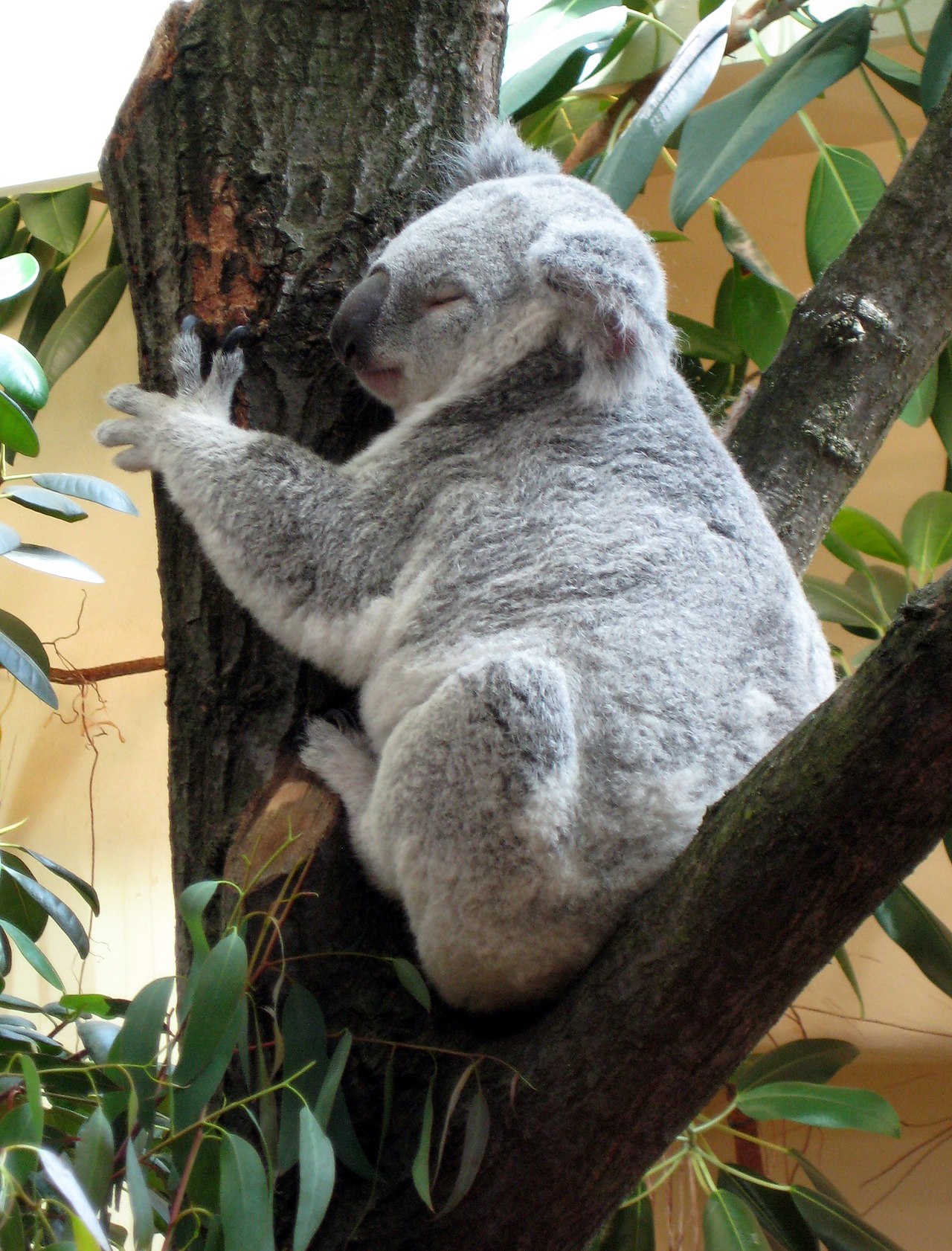
The zoo has held giant pandas on loan from China since 2003 and has bred several cubs there, among a small number of European zoos to do so. The Amazonian rainforest house recreates a tropical canopy under glass, and separate houses cover polar and desert species.
The Kaiserpavillon, Franz I Stephan's original 1750s structure, sits at the hub where the radial paths meet and today functions as a café rather than an animal enclosure — it is the zoo's own oldest surviving building, distinct from the palace itself.
Checked 2026-08-24 · Source
Two to three hours covers the collection without rushing; committed visitors take longer.
The grounds are compact compared with many modern zoos, radiating out from the central pavilion, which keeps walking distances short between houses.
Feeding times for the pandas and other headline species draw crowds and are worth timing a visit around rather than against.
Combining the zoo with the palace gardens and the climb to the Gloriette turns the whole Schönbrunn grounds into a full day rather than a half day.
Checked 2026-08-24
Morning, before the palace's own crowds arrive next door and before the animals retreat from midday heat in summer.
Outdoor enclosures are most active in the cooler parts of the day; a hot summer afternoon sends many species into shade or indoor housing where they are harder to see.
The zoo stays open through winter, when the indoor houses — rainforest, desert, polar — carry more of the visit than the outdoor paths do.
School holidays bring family crowds through the middle of the day; the first hour after opening stays noticeably quieter year-round.
Checked 2026-08-24
The zoo is ticketed separately from the palace and the wider Schönbrunn gardens, which are themselves free to enter.
Current admission prices are not published on the sources this page uses and are not reproduced here.
Combined tickets covering the zoo alongside the palace tour or other Schönbrunn attractions exist in principle; confirm current combinations at the ticket office rather than assuming one.
Checked 2026-08-24
Inside the Schönbrunn grounds in Hietzing, the 13th district, reached the same way as the palace itself.
Schönbrunn and Hietzing stations, both on U-Bahn line U4, sit at the two ends of the palace grounds; the zoo has its own entrance inside the park rather than sharing the palace's front gate.
A visit to the zoo does not require a palace ticket, since the gardens that connect them are open to anyone.
Checked 2026-08-24 · Source
The zoo entrance is separate from the palace's main gate and is easy to miss when arriving expecting one combined entrance for the whole grounds.
Panda and other flagship enclosures draw the heaviest crowds around published feeding times; arriving early avoids the worst of it.
Some older paths still reflect the zoo's radial nineteenth-century layout rather than a modern loop, so a printed or app map helps more here than at a purpose-built modern zoo.
Strollers move slowly on the busier radial paths around midday; the quieter outer loops are easier going with young children in tow.
Checked 2026-08-24
The Kaiserpavillon itself, seen from one of the radiating paths with an enclosure in the foreground, is the shot that ties the zoo back to its eighteenth-century origin.
Glass-fronted houses such as the rainforest exhibit reflect badly in direct light; shooting at an angle rather than straight-on avoids most of the glare.
Animal photography rewards the quieter hours around opening, before enclosures fill with visitors standing between the camera and the glass.
The panda enclosure draws the thickest crowds of any single exhibit, and a clear shot there usually means waiting for a gap rather than pushing to the front.
Checked 2026-08-24
Yes, founded in 1752 by Franz I Stephan and still operating continuously on its original site inside the Schönbrunn grounds.
Yes, on loan from China since 2003, with several cubs bred there since.
Franz I Stephan's original 1750s pavilion at the centre of the zoo, now a café rather than an animal enclosure.
Yes, the zoo is ticketed separately from both the palace tour and the free Schönbrunn gardens.
Two to three hours covers the collection without rushing; the grounds are compact and radiate from the central pavilion.
The zoo has its own gate inside the Schönbrunn park, separate from the palace's main entrance.
Loading the interactive map…
The interactive map could not be loaded.

Last updated:
Source: OpenStreetMap contributors, Wikidata ·