_20181227_entree.jpg)
2 min walk
Autoworld
- Must see
- Museum
Language · 11 published
Museum · Brussels
Musée Art & Histoire - Museum Kunst & Geschiedenis
Reviewed by Elena Voss · Roavina Travel Editor
| Monday | Closed |
|---|---|
| Tuesday | 09:30 – 17:00 |
| Wednesday | 09:30 – 17:00 |
| Thursday | 09:30 – 17:00 |
| Friday | 09:30 – 17:00 |
| Saturday | 10:00 – 17:00 |
| Sunday | 10:00 – 17:00 |
Parsed from OpenStreetMap opening hours on 2026-09-09.
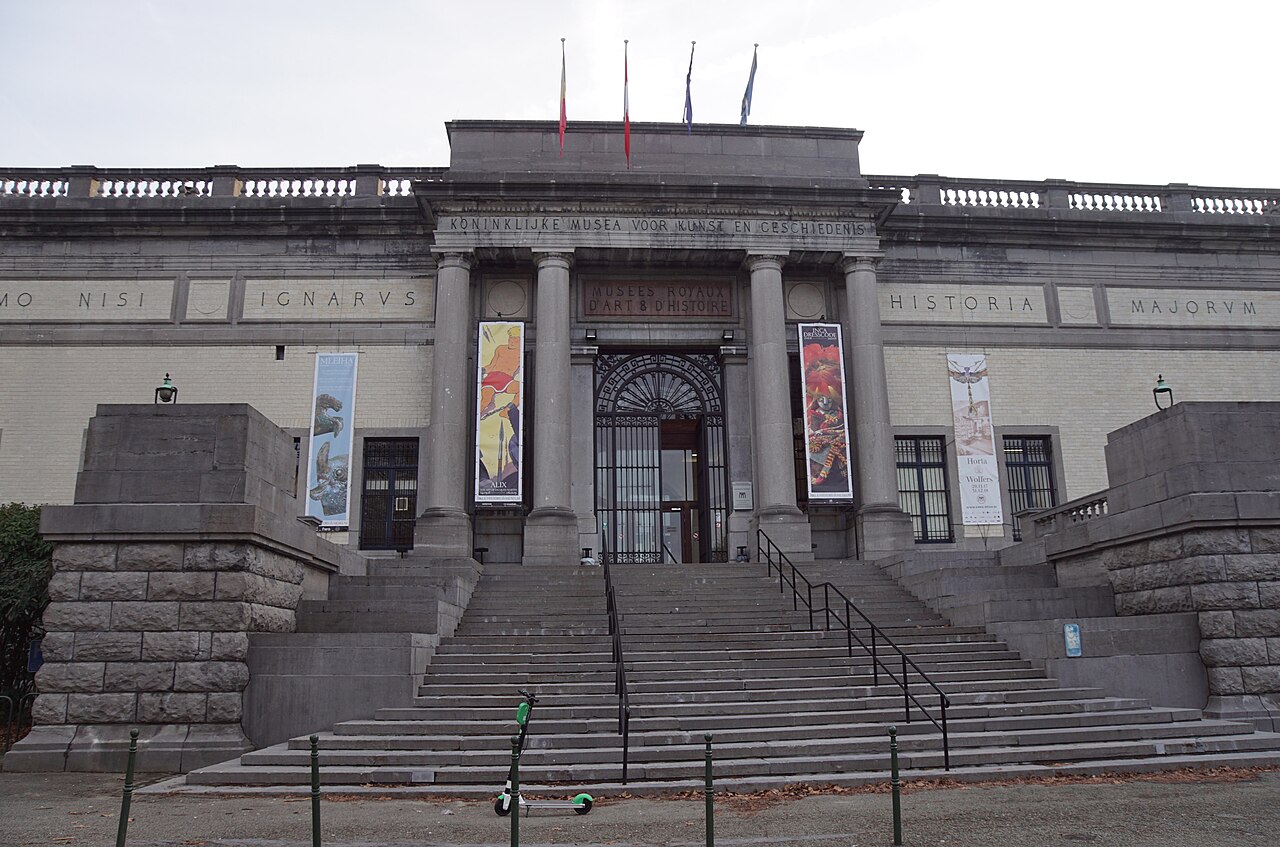
This place is a Museum. It opened in 1835. It was built in the Neoclassical architecture style. It carries the protected monument heritage designation.
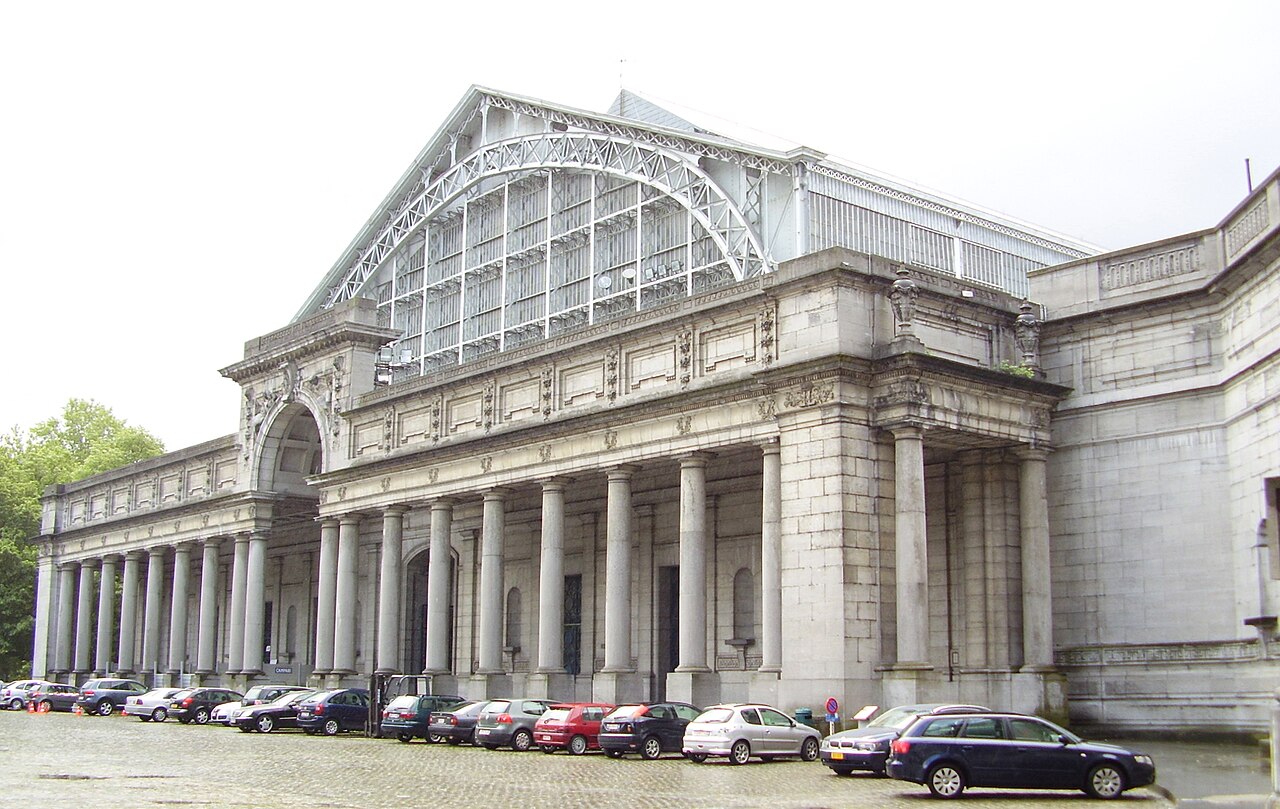
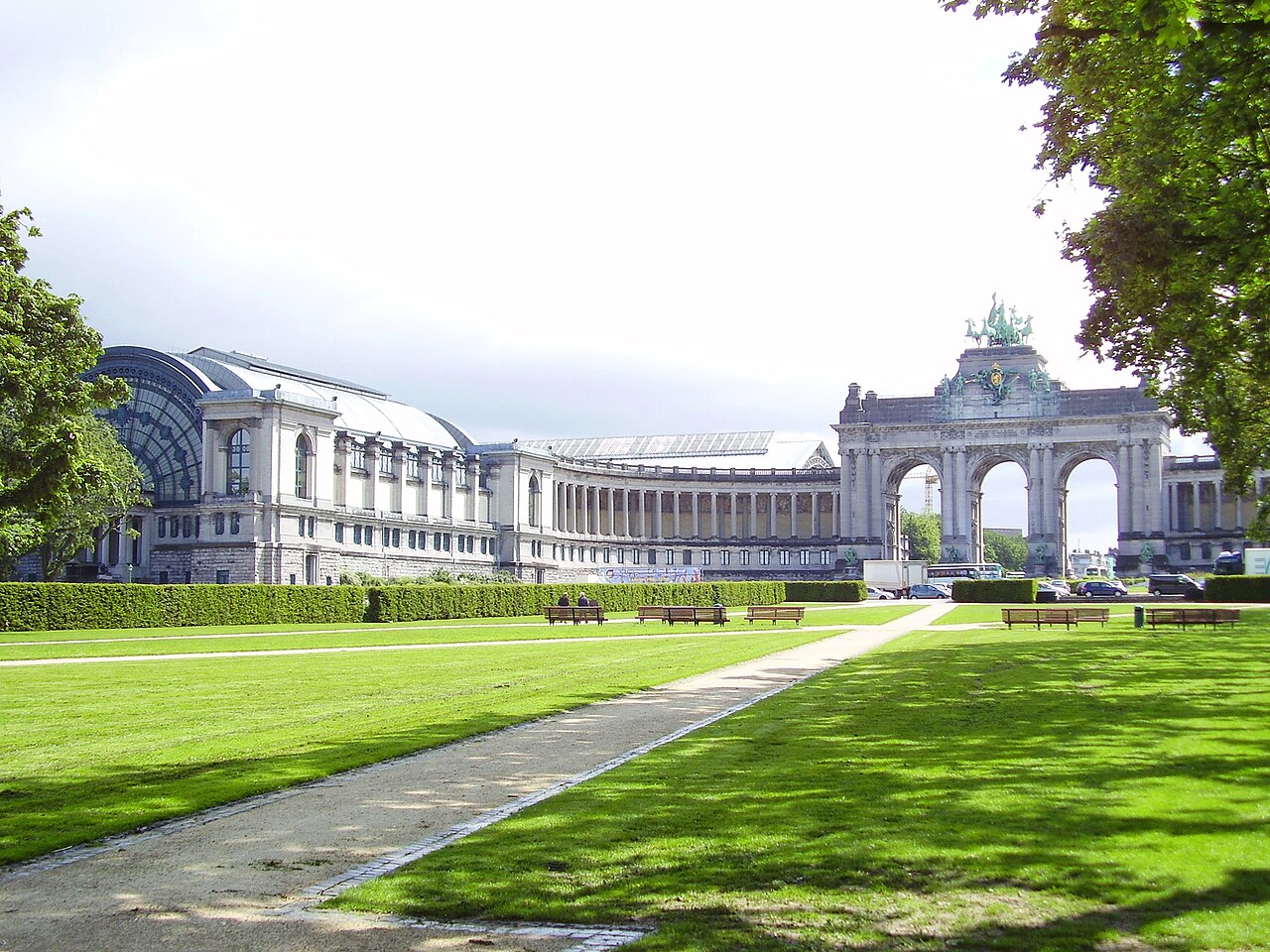
Art & History Museum, also called Musée Art & Histoire and Museum Kunst & Geschiedenis, is a major Brussels museum in Cinquantenaire Park. The monumental complex presents the city with an encyclopedic journey through art, archaeology, and material culture. Its grand halls and park setting are part of the visit, offering a broad perspective on human history rather than a single national or artistic period. The Art & History Museum, known locally as Musée Art & Histoire and Museum Kunst & Geschiedenis, is a major cultural institution in Brussels. It forms part of the Royal Museums of Art and History, a federal scientific institution under Belgian national administration. The museum occupies an imposing purpose-built complex in the Cinquantenaire Park, constructed in the late nineteenth century to showcase national collections. Its neoclassical architecture and grand exhibition halls reflect the ambitions of the Belgian state during a period of intensive museum building across Europe. These names refer to the same institution. The building complex occupies the Cinquantenaire Park, generating informal designation. Official nomenclature reflects bilingual federal practice.
Checked 2026-08-26 · Source
The collections range from Egyptian, Greek, and Roman antiquities to Byzantine and Islamic art, medieval European sculpture, metalwork, textiles, tapestries, furniture, silver, and ceramics. Galleries also cover Asian, American, and Oceanian civilizations. Musical instruments and historic coinage add further variety. The museum rewards selective exploration: choose a region, period, or collection before entering, then let the building’s sequence of rooms guide you toward related objects. The museum holds extensive collections spanning antiquity through to decorative arts. Its holdings include significant Egyptian, Greek, and Roman archaeological material, alongside Byzantine and Islamic art. The medieval European collections feature sculpture, metalwork, and textiles. Non-European civilizations are represented through Asian, American, and Oceanian collections. The decorative arts sections encompass tapestries, furniture, silver, and ceramics. Musical instruments and historic coinage form additional specialist collections. The breadth reflects nineteenth-century encyclopedic museum principles rather than contemporary thematic curation approaches.
Checked 2026-08-26 · Source
Allow at least ninety minutes for a targeted visit to one or two collection areas. A broader tour can occupy several hours, and a detailed visit may take more than half a day. The scale makes repeat visits sensible: trying to cover every gallery at once can reduce attention and enjoyment. Build in pauses, especially if you are moving between archaeology, decorative arts, and non-European collections.
Checked 2026-08-26 · Source
The museum works particularly well on a day when you want substantial indoor cultural time, with Cinquantenaire Park providing an outdoor setting before or after the galleries. Weekday mornings may feel more relaxed than busy periods. Special exhibitions can change the rhythm of a visit, while the park approach is more pleasant in dry weather. Choose a manageable section rather than treating the entire collection as one continuous route.
Checked 2026-08-26 · Source
Plan this as a full museum visit rather than a quick photo stop. The collection’s breadth gives the museum value for travellers interested in several periods or regions, while a focused ticketed visit can still work when your day is tight. If you are visiting more than one Brussels museum, organise your admissions together so that the Art & History Museum receives enough uninterrupted time for its larger galleries.
Checked 2026-08-26 · Source
The museum is in Cinquantenaire Park in eastern Brussels. Schuman is a useful nearby metro connection, followed by a walk through the European Quarter or the park approaches. Buses serve the surrounding avenues, and the park creates a clear landmark for the final part of the journey. From Brussels Central, allow time for a connection or a longer walk. Driving is less convenient in this dense administrative district.
Checked 2026-08-26 · Source
The museum’s encyclopedic scale can become tiring, so decide which galleries matter most before you begin. Grand stairs and extensive floors call for comfortable shoes. Crowds may gather around famous objects while quieter rooms contain equally rewarding material. Gallery routes and displays can change as collections are conserved or rotated. Pay attention to signs and staff directions, particularly where photography rules or temporary exhibition conditions differ from the permanent galleries.
Checked 2026-08-26 · Source
Photography can be useful for remembering the museum’s architecture, decorative arts, and selected objects, but gallery rules may differ. Watch for signs before taking pictures, especially in temporary exhibitions. Keep flash, tripods, and selfie sticks away when they obstruct other visitors or conflict with gallery instructions. The monumental interior offers strong compositions from doorways and long corridors; quiet, unobtrusive photography suits the museum best.
Checked 2026-08-26 · Source
You can see collections covering Egyptian, Greek, Roman, Byzantine, Islamic, medieval European, Asian, American, and Oceanian cultures, along with decorative arts, musical instruments, and historic coinage.
The museum occupies a monumental complex in Cinquantenaire Park in eastern Brussels. The park setting makes the building easy to pair with a walk through the European Quarter.
A focused visit can take about ninety minutes, while exploring several major collections requires several hours. The museum is extensive enough that returning on another day can be worthwhile.
No. Its collections have an international scope, spanning ancient Mediterranean civilizations, non-European cultures, medieval Europe, and a wide range of decorative and specialist arts.
Use public transport toward Schuman, then walk through the European Quarter or Cinquantenaire Park. The park provides a pleasant final approach and helps orient you to the museum complex.
Pick a few priority galleries, wear comfortable shoes, and include pauses. The collection is broad, so a selective route usually produces a more rewarding experience than trying to see everything quickly.
Loading the interactive map…
The interactive map could not be loaded.
Last updated:
Source: OpenStreetMap contributors, Wikidata ·