
1 min walk
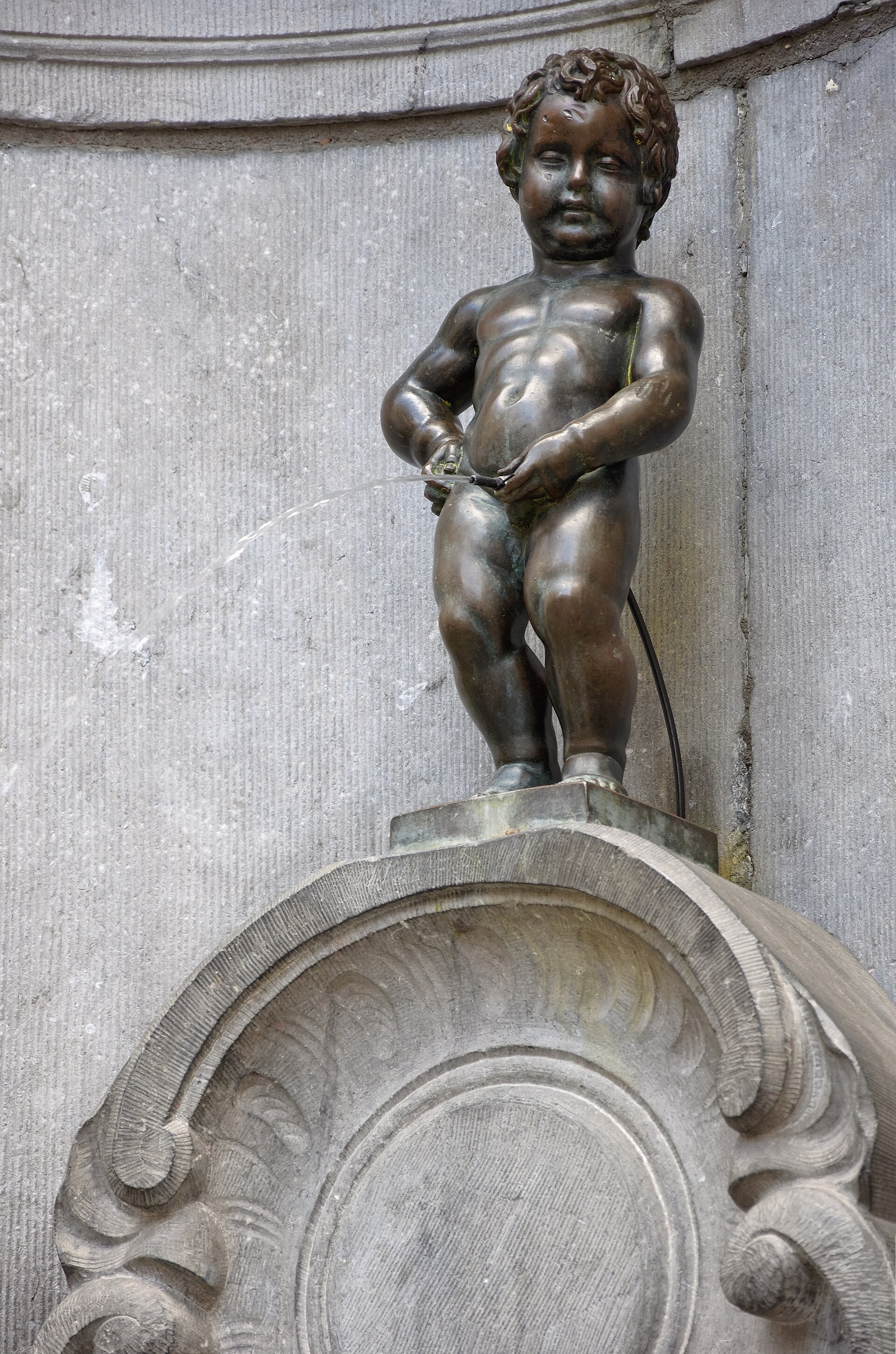
Manneken Pis
- Must see · Heritage site
- Historic monument
Language · 11 published
Museum · Brussels
Choco Story Brussels
Reviewed by Elena Voss · Roavina Travel Editor
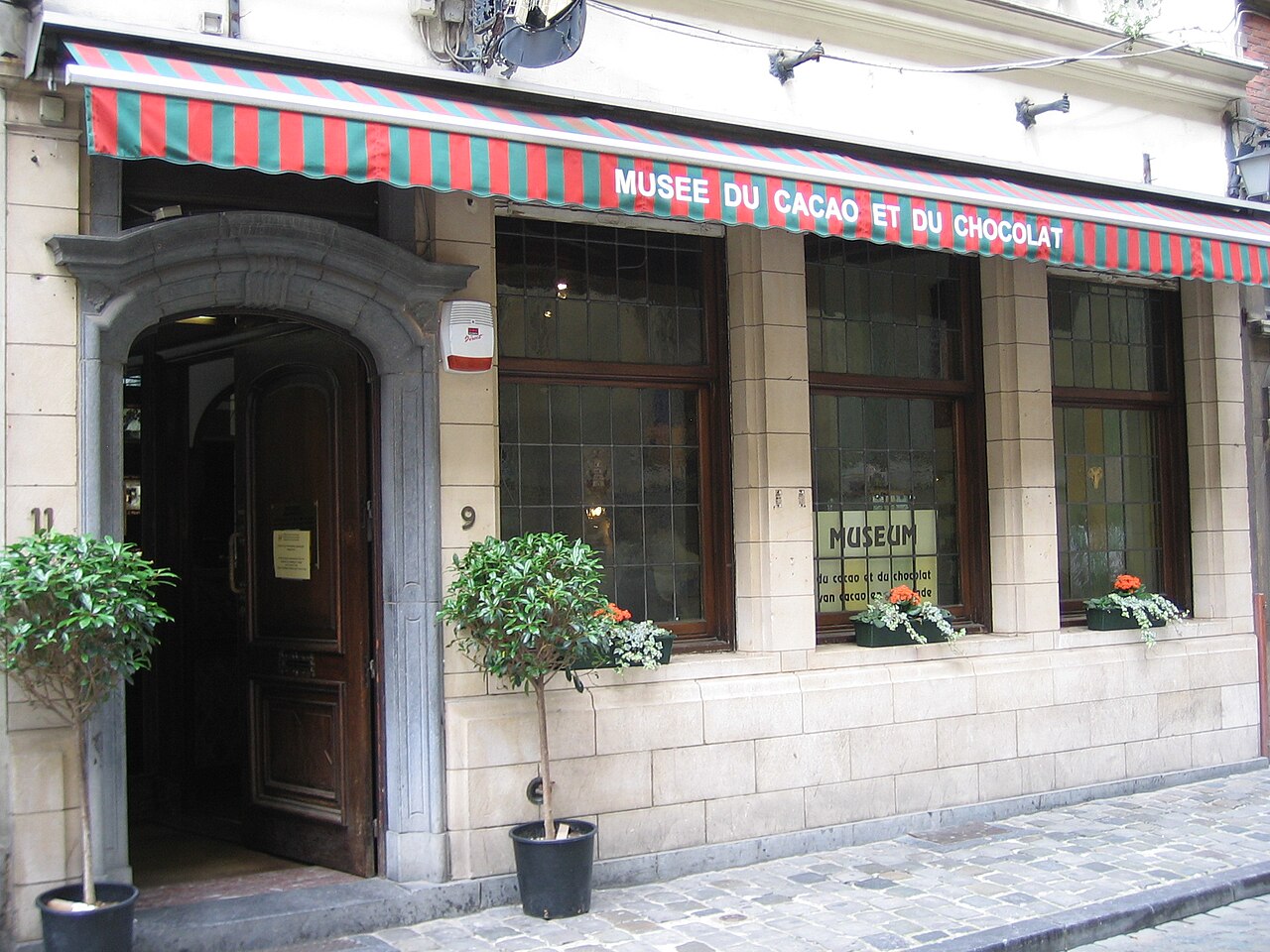
This place is a Museum. It opened in 2014.
Choco-Story Brussels is a museum devoted to chocolate in the Belgian capital. The visit connects cocoa’s Mesoamerican origins with the development of European chocolate-making and Brussels’ strong praline tradition. Rather than treating chocolate only as a finished sweet, the museum frames it as a product shaped by cultivation, processing, technology, trade, craft, and local culture. That combination makes the attraction a useful introduction to Belgium’s chocolate identity before exploring Brussels’ chocolatiers, cafés, and food streets on foot. Choco-Story Brussels is a chocolate museum located in Brussels, Belgium. The museum explores the history and production of chocolate, from ancient Mesoamerican origins to modern Belgian craftsmanship. It is situated in a city renowned globally for its chocolate heritage, with numerous artisan chocolatiers operating throughout the capital. The attraction serves visitors interested in understanding cocoa cultivation, processing techniques, and the cultural significance of chocolate within Belgium. Chocolate museums generally appeal to younger visitors through interactive elements and tasting opportunities. Parental supervision remains necessary around exhibits and hot production demonstrations.
Checked 2026-08-26 · Source
Inside, the museum follows chocolate from cocoa harvesting and bean processing to finished confectionery. Exhibits explain the history of cocoa, the tools and machinery used in production, and the traditions that shaped Belgian chocolate. Visitors can connect global cocoa history with local specialities such as pralines and other refined chocolate forms. The experience includes tasting as part of its chocolate story, giving the visit a sensory element alongside the historical displays. Read the production sequence in order: origin, transformation, technique, and the Belgian craft tradition that follows.
Checked 2026-08-26 · Source
Plan roughly one to one and a half hours for Choco-Story Brussels. That gives enough time to follow the historical displays, examine production equipment, read about cocoa and Belgian chocolate, and enjoy the tasting element. Visitors who linger over the technical explanations or arrive with children may need longer. The museum works well as a focused indoor stop between central Brussels landmarks. Leave additional time after the visit if you want to compare the museum’s chocolate history with products from chocolatiers elsewhere in the city.
Checked 2026-08-26 · Source
Choco-Story Brussels is an indoor activity that fits comfortably into a Brussels day in any season. Summer and the December holiday period bring strong visitor demand to the city’s chocolate attractions, so the museum can feel busier then. Weekday mornings are a calm choice for visitors who want more time with the displays and tasting experience. Rainy weather is no obstacle to the museum itself, and the visit pairs well with nearby historic-centre sightseeing when conditions outside are less comfortable.
Checked 2026-08-26 · Source
Choco-Story Brussels is a ticketed museum, with the visit centred on chocolate history, production displays, and tasting. The attraction is easiest to budget as a dedicated museum stop rather than as an unnamed add-on to a food tour. Visitors interested in workshops or special experiences should treat those as distinct from the core museum visit until the venue presents them as part of the entry offer.
Checked 2026-08-26 · Source
Choco-Story Brussels is within Brussels’ central visitor area, where walking connects many attractions and food destinations. The city’s STIB/MIVB metro, tram, and bus network provides the wider approach, while Brussels Central and other main railway stations connect the centre with national and international services. Once in the historic core, combine the museum with a walking route through the surrounding streets. The dense central setting makes public transport and walking more useful than planning a car journey through the old city.
Checked 2026-08-26 · Source
Chocolate tasting can involve dairy, nuts, soy, and other ingredients, so visitors with allergies should take care around samples and ask staff about the products being offered. Busy periods can reduce the time available at popular displays or tasting points. Chocolate purchases in a museum setting may cost more than comparable products elsewhere in Brussels. The attraction is most satisfying when the historical and production explanations are given as much attention as the tasting. Keep children close around equipment, displays, and any hot preparation area.
Checked 2026-08-26 · Source
Chocolate-making tools, cocoa displays, finished pralines, and interpretive installations provide varied subjects for personal photographs. Use the displays to tell a visual sequence from raw cocoa to Belgian confectionery, then reserve close framing for textures, moulds, and finished pieces where permitted. Keep bags and equipment compact in busy rooms. Follow signs and staff directions, especially around demonstrations, food preparation, and other visitors. A camera is most useful here for details and colour; the museum’s story is carried as much by the production process as by large objects.
Checked 2026-08-26 · Source
The museum explains cocoa’s origins, harvesting, processing, chocolate production, and the development of Belgian chocolate traditions.
Yes. Tasting forms part of the visitor experience alongside the historical displays and explanations of chocolate production.
Plan roughly one to one and a half hours for the exhibits, production story, and tasting experience.
The chocolate subject, production displays, and tasting make the museum suitable for a family visit, with children kept close around exhibits and preparation areas.
The museum fits a walking route through central Brussels, combining chocolate history with the historic centre’s landmarks, streets, cafés, and confectionery shops.
Chocolate samples may contain dairy, nuts, soy, or other ingredients, so visitors with allergies should ask staff about the products before tasting.
Loading the interactive map…
The interactive map could not be loaded.
Last updated:
Source: OpenStreetMap contributors, Wikidata ·