.jpg)
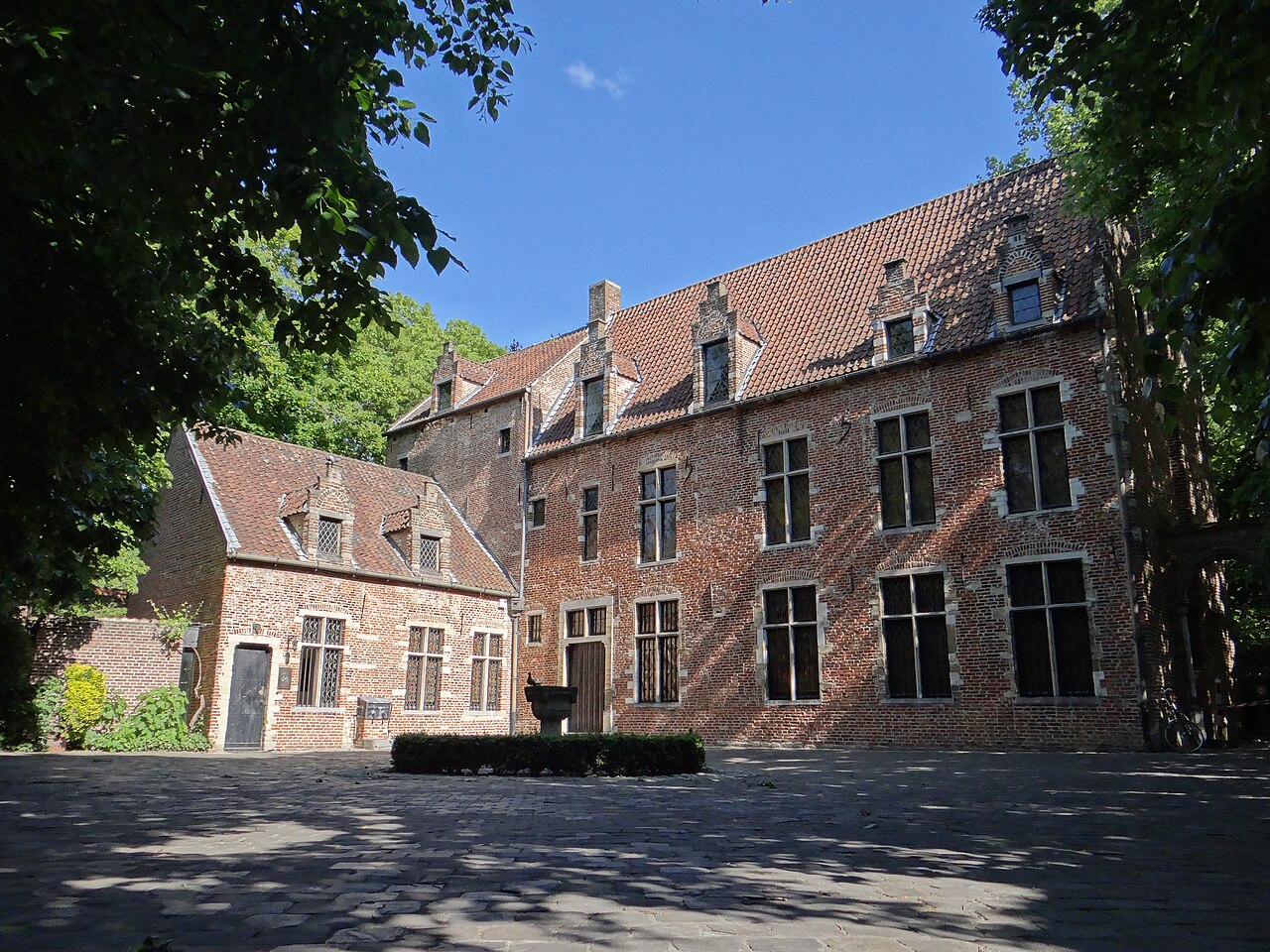
14 min walk
Erasmus House
- Must see · Heritage site
- Museum
Language · 11 published
Museum · Brussels
Musée Maurice Carême - Maurice Carême Museum
Closed today, Sunday. Next open Wednesday at 10:00 — the planner will not place a stop here on a Sunday.
Plan around itReviewed by Elena Voss · Roavina Travel Editor

| Monday | Closed |
|---|---|
| Tuesday | Closed |
| Wednesday | 10:00 – 17:00 |
| Thursday | Closed |
| Friday | Closed |
| Saturday | Closed |
| Sunday | Closed |
Closed to visitors between 12:00 – 14:00
Parsed from OpenStreetMap opening hours on 2026-09-09.
This place is a Museum. It is run by Fondation Maurice Carême.
The Maurice Carême Museum is a Brussels literary house museum dedicated to the Belgian poet Maurice Carême. It occupies the home where he lived and worked, allowing visitors to encounter his writing through the domestic surroundings connected with his life. Carême is especially associated with accessible French-language poetry, including poetry for children. The museum preserves both a personal environment and a piece of Belgian literary culture. The Maurice Carême Museum is a literary museum in Brussels dedicated to the Belgian poet Maurice Carême. The museum occupies the house where the poet lived and worked. Carême was known for his accessible French-language poetry, particularly works for children. The institution preserves his personal environment and promotes understanding of his contribution to Belgian francophone literature. The museum preserves a poet's house with literary and historical focus.
Checked 2026-08-26 · Source
Inside, visitors can see the poet’s preserved living spaces, furniture, personal belongings and study. Manuscripts, first editions and correspondence connect these rooms with Carême’s literary career. The experience is less like a broad survey of literature and more like entering the environment in which one writer lived and worked. Pay attention to the relationship between the documents and the domestic setting, because both illuminate his creative life. The museum contains Maurice Carême's preserved living space, including furniture, personal objects, and documents related to his life and work. Visitors can view the poet's study and domestic interiors as they existed during his residence. The collection includes manuscripts, first editions, and correspondence that illustrate his literary career. Exhibition materials trace his poetic development and his role in Belgian cultural life.
Checked 2026-08-26 · Source
Allow around forty-five minutes to one hour for a normal visit. That is enough time to move through the preserved rooms, view the study and read the documents connected with Carême’s work. Readers, poetry enthusiasts and visitors interested in literary biography may want longer to examine manuscripts and personal effects. The compact house format encourages a reflective visit rather than a fast circuit through extensive galleries. A typical visit to the Maurice Carême Museum requires approximately forty-five minutes to one hour for visitors interested in the poet's life and domestic setting. Those with deeper interest in literary history or Belgian poetry may wish to spend additional time examining documents and personal effects.
Checked 2026-08-26 · Source
The Maurice Carême Museum works well as a quiet cultural pause in a Brussels itinerary. Its indoor rooms make the visit comfortable in changing weather, while the intimate setting rewards travellers who enjoy literary places and personal stories. Choose it when you can give attention to the house and the writing rather than fitting it between hurried appointments. The museum also suits visitors exploring Belgian francophone culture through a single distinctive figure.
Checked 2026-08-26 · Source
Plan the museum as a short, concentrated literary visit. Its main value lies in the preserved home, the study, personal objects and documents associated with Maurice Carême, not in a large sequence of galleries. A flexible day makes it easy to combine the museum with another Brussels cultural stop while still leaving enough time to read and reflect. Visitors familiar with French poetry may find the domestic context especially rewarding.
Checked 2026-08-26 · Source
The museum is in Brussels and can be included in a walking-and-transit day focused on literary or neighbourhood discoveries. Use its mapped location to plan the route and allow time for the final approach. Because the destination is a preserved home rather than a prominent monumental complex, navigation is best handled with the precise map point open. The surrounding city journey can form part of the museum’s unhurried atmosphere.
Checked 2026-08-26 · Source
A preserved residential house may have stairs, narrow passages and rooms arranged for domestic life rather than for large visitor flows. Move gently around furniture, documents and personal objects, and keep bags close. The museum’s literary focus may be most accessible to visitors who enjoy reading and quiet observation. Exhibition language can be especially relevant here because Carême’s work is rooted in French-language Belgian culture.
Checked 2026-08-26 · Source
The museum preserves a poet’s home, so photography should remain discreet and considerate. Do not touch furnishings or documents while framing an image, and keep equipment clear of narrow domestic routes. Follow posted directions and staff requests, and avoid flash unless clearly permitted. A quiet camera-free pause in the study can be as valuable as a photograph, especially when the room’s character is central to the visit.
Checked 2026-08-26 · Source
He was a Belgian poet known for accessible French-language poetry, including work for children.
You can see his preserved home, study, furniture, personal objects, manuscripts, first editions and correspondence.
Allow approximately forty-five minutes to one hour for the house, documents and study.
It occupies the home where Maurice Carême lived and worked, linking his literary life with his domestic surroundings.
Yes. Maurice Carême was known in part for accessible poetry written for children.
The preserved study and domestic rooms place Carême’s manuscripts and literary life in their personal setting.
Loading the interactive map…
The interactive map could not be loaded.
Last updated:
Source: OpenStreetMap contributors, Wikidata ·