


8 min walk
René Magritte Museum
- High
- Museum
Language · 11 published
Museum · Brussels
Musée du Réverbère - Museum van de Straatlantaarn
Reviewed by Elena Voss · Roavina Travel Editor
| Monday | 00:00 – 23:59 |
|---|---|
| Tuesday | 00:00 – 23:59 |
| Wednesday | 00:00 – 23:59 |
| Thursday | 00:00 – 23:59 |
| Friday | 00:00 – 23:59 |
| Saturday | 00:00 – 23:59 |
| Sunday | 00:00 – 23:59 |
Parsed from OpenStreetMap opening hours on 2026-09-09.
This place is a Artwork. It opened in 2004. It is built of streetlight.
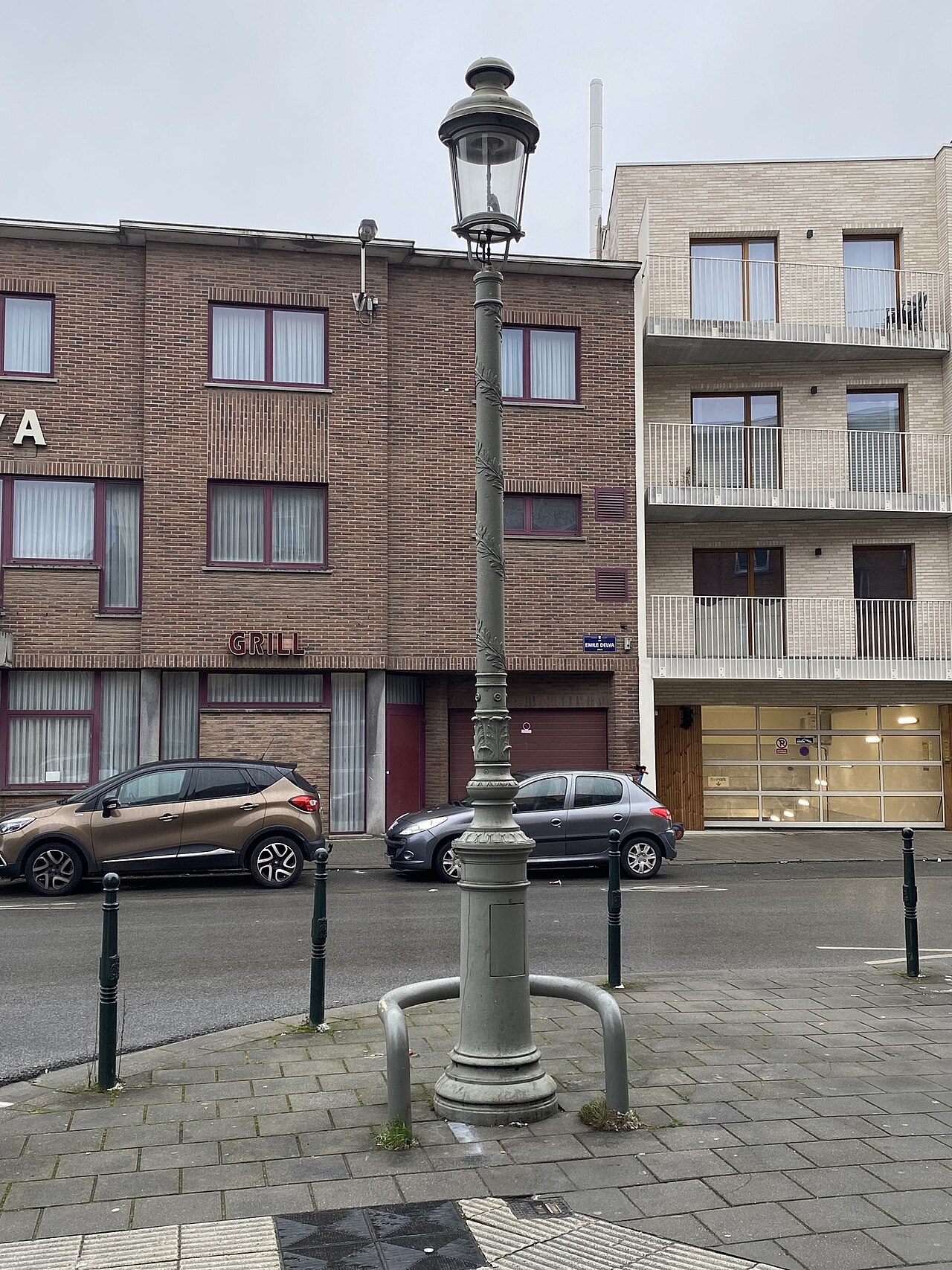
Street Lamp Museum, also called Musée du Réverbère and Museum van de Straatlantaarn, is a Brussels museum devoted to the history of street lighting. It offers an unusual heritage experience built around the lamps and lighting technology that shaped urban streets after dark. The subject gives visitors a fresh way to think about Brussels as a city of public space and infrastructure. This POI was assigned through pois.city_place_id for Brussels, with stored production names and coordinates copied without approximation. The museum is dedicated to the history and collection of street lighting apparatus, representing an unusual cultural heritage niche within the Belgian capital. Its Wikidata entry Q108223036 provides a formal identifier for this specific institution. way/975801424 Musée du Réverbère and Museum van de Straatlantaarn Yes, Q108223036 Copied without approximation It explores the history and collection of street lighting apparatus in Brussels. The French name is Musée du Réverbère.
Checked 2026-08-26 · Source
The museum's central theme is the street lamp: its forms, uses and place in urban history. Travellers can look at lighting apparatus and consider how cities changed as streets moved from darkness toward regular public illumination. The collection offers a specialised alternative to Brussels' major art museums and suits visitors interested in design, engineering, architecture and everyday urban life. As a museum bearing the name Musée du Réverbère, visitors may reasonably anticipate exhibits related to historical street lamps, lanterns, and associated lighting technology. However, without direct institutional documentation, specific collection details remain unverified. The entry-specific source identifies this exact visitor POI but does not enumerate displayed artifacts. Prospective visitors should seek supplementary information from the museum directly or consult recent visitor accounts for current exhibition particulars before planning their visit.
Checked 2026-08-26 · Source
Use Street Lamp Museum as a compact specialist stop in a Brussels itinerary. The subject is narrow but visually distinctive, so the visit can complement a day spent walking through historic streets and noticing how public lighting shapes the city after sunset. Visitors fascinated by engineering, design or urban history will naturally want more time with the displays. Visitor judgement suggests that small specialized museums typically demand between thirty minutes and two hours, depending on individual interest in the subject matter and the comprehensiveness of displayed collections. The actual time investment will vary considerably based on whether visitors engage with detailed technical information, historical documentation, or simply browse the exhibits superficially. Without confirmed visitor flow data or institutional guidance, precise duration estimates cannot be responsibly provided for this Brussels POI.
Checked 2026-08-26 · Source
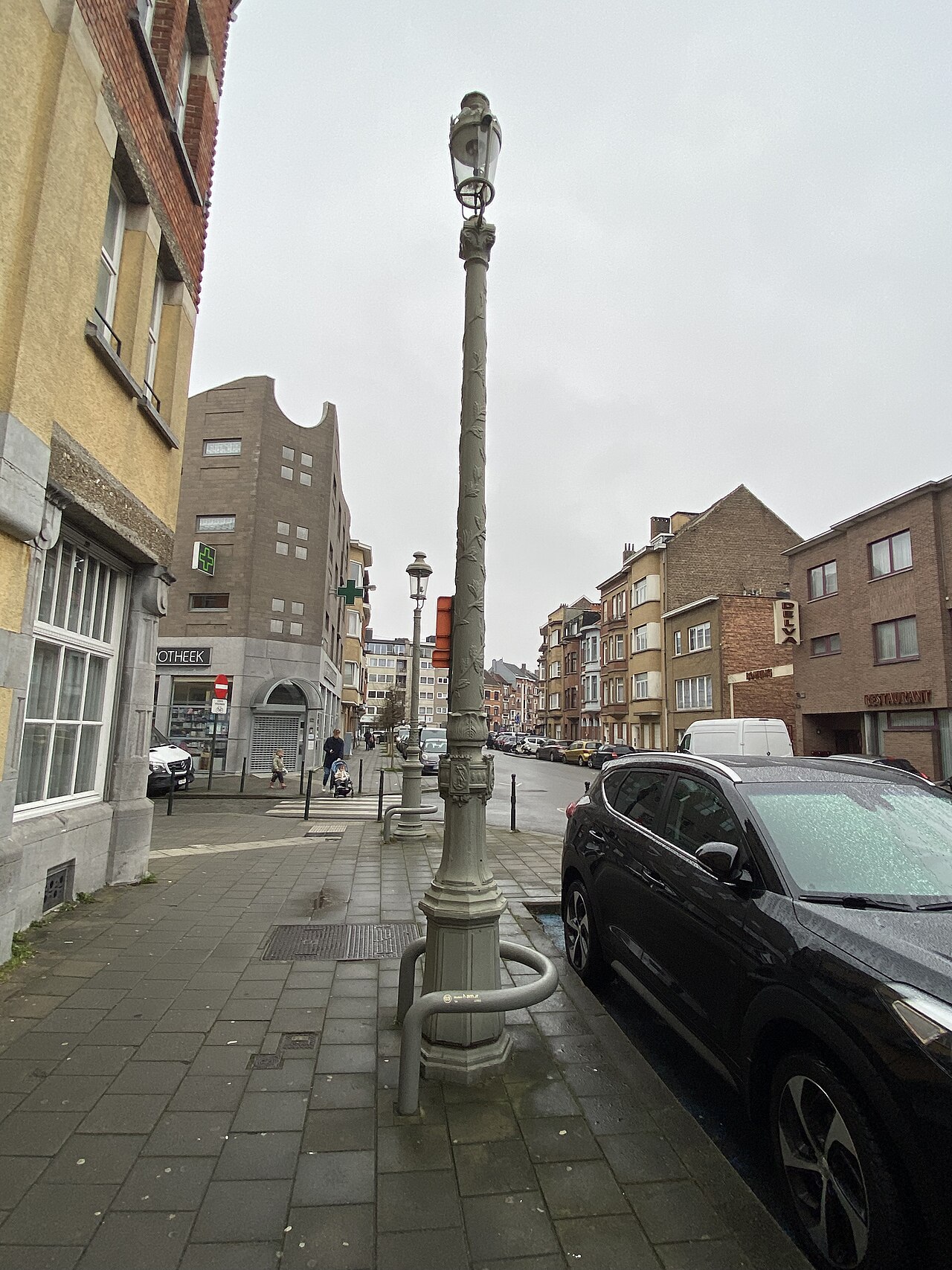
The museum pairs especially well with an itinerary about Brussels streets, architecture and public space. Visit it as an indoor cultural stop when weather interrupts walking. Its theme also gives an evening stroll added meaning: after seeing historic lighting equipment, notice the lamps, shadows and illuminated façades around the city with greater attention. Visitors must independently verify current accessibility through direct contact with the museum or by consulting updated official channels. Unverified assumptions about opening hours risk disappointment and wasted travel effort. The entry-specific source identifies this exact visitor POI.
Checked 2026-08-26 · Source
Plan the museum as a specialist heritage attraction rather than as a general entertainment venue. The reason to include it is the unusual subject and the opportunity to see street lighting treated as cultural history. It fits travellers who prefer distinctive, smaller museums and who enjoy connecting an indoor collection with the streets and buildings outside.
Checked 2026-08-26 · Source
Use the museum's English, French or Dutch name when searching for directions: Street Lamp Museum, Musée du Réverbère or Museum van de Straatlantaarn. Brussels public transport and walking routes make neighbourhood exploration practical. Build the stop into a route with nearby streets and architecture, so the journey itself reinforces the museum's interest in urban lighting.
Checked 2026-08-26 · Source
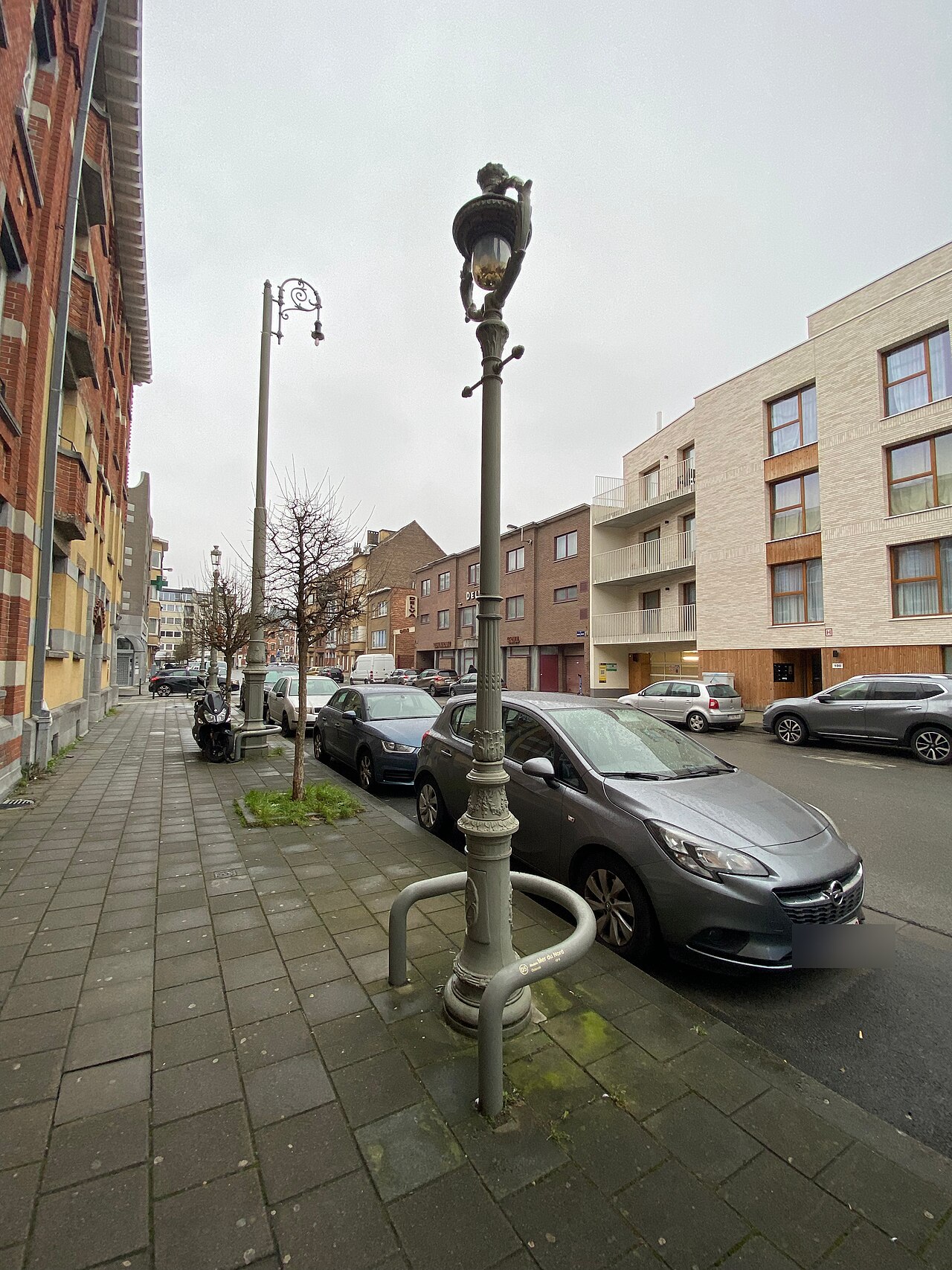
This is a niche museum, so approach it with an interest in overlooked parts of city life rather than expecting a large, broad collection. Look beyond the decorative shape of each lamp to its practical role in streets, safety and public movement. The bilingual names matter when navigating Brussels and help distinguish this venue from ordinary outdoor lighting displays.
Checked 2026-08-26 · Source
Street lamps offer strong subjects for photographs because their shapes, materials and shadows communicate the museum's theme immediately. Capture details as well as wider views, then compare them with the lamps outside in Brussels' streets. Keep photography unobtrusive indoors and let other visitors approach the displays comfortably while you work on close-up compositions.
Checked 2026-08-26 · Source
It explores the history and collection of street lighting apparatus in Brussels.
The French name is Musée du Réverbère.
The Dutch name is Museum van de Straatlantaarn.
It suits visitors interested in urban history, design, engineering, architecture and public space.
Notice the lamps, shadows and illuminated façades during a later walk through Brussels.
Yes. It is an indoor specialist museum that can complement a Brussels walking itinerary when rain intervenes.
Loading the interactive map…
The interactive map could not be loaded.
Last updated:
Source: OpenStreetMap contributors, Wikidata ·