
_(14771269734).jpg)


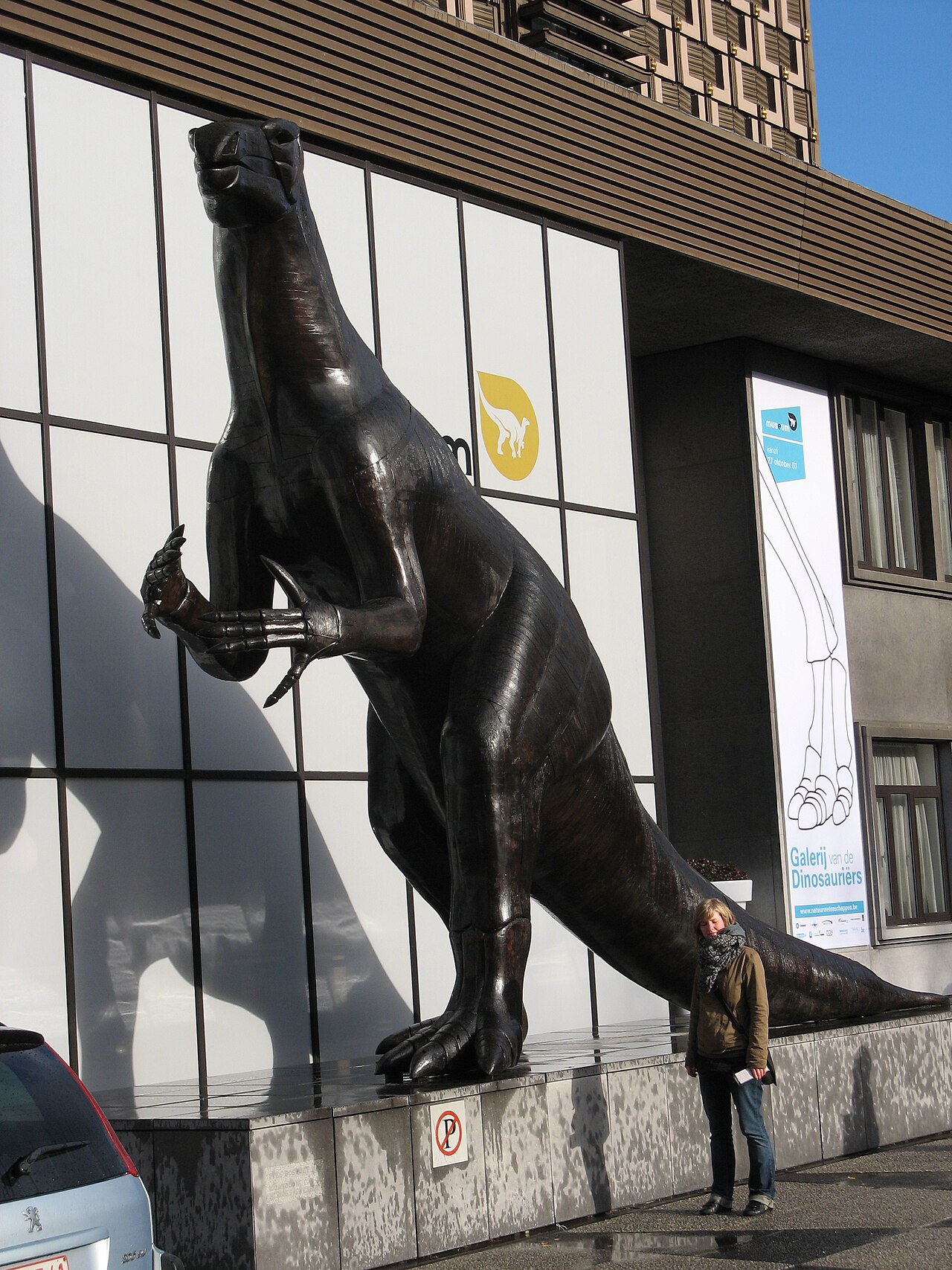
2 min walk
Museum of Natural Sciences of Belgium
- Must see
- Museum
Language · 11 published
Museum · Brussels
Musée Wiertz Museum
Closed today, Saturday. The next opening is not recorded — the planner will not place a stop here on a Saturday.
Plan around itReviewed by Elena Voss · Roavina Travel Editor
| Monday | Closed |
|---|---|
| Tuesday | Closed |
| Wednesday | Closed |
| Thursday | Closed |
| Friday | Closed |
| Saturday | Closed |
| Sunday | Closed |
Parsed from OpenStreetMap opening hours on 2026-09-09.
This place is a Museum. It was established in 1868. It carries the protected monument heritage designation.
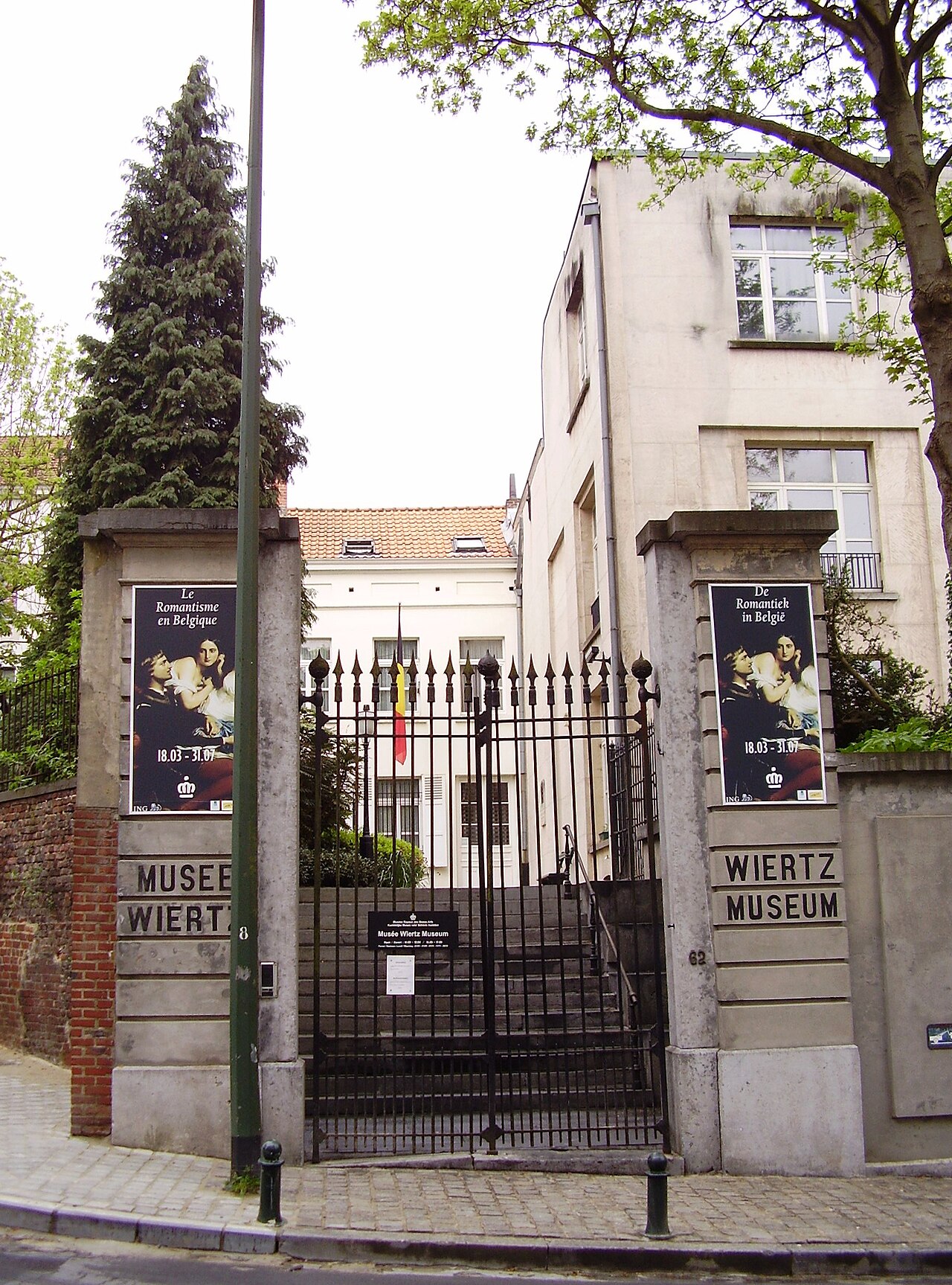
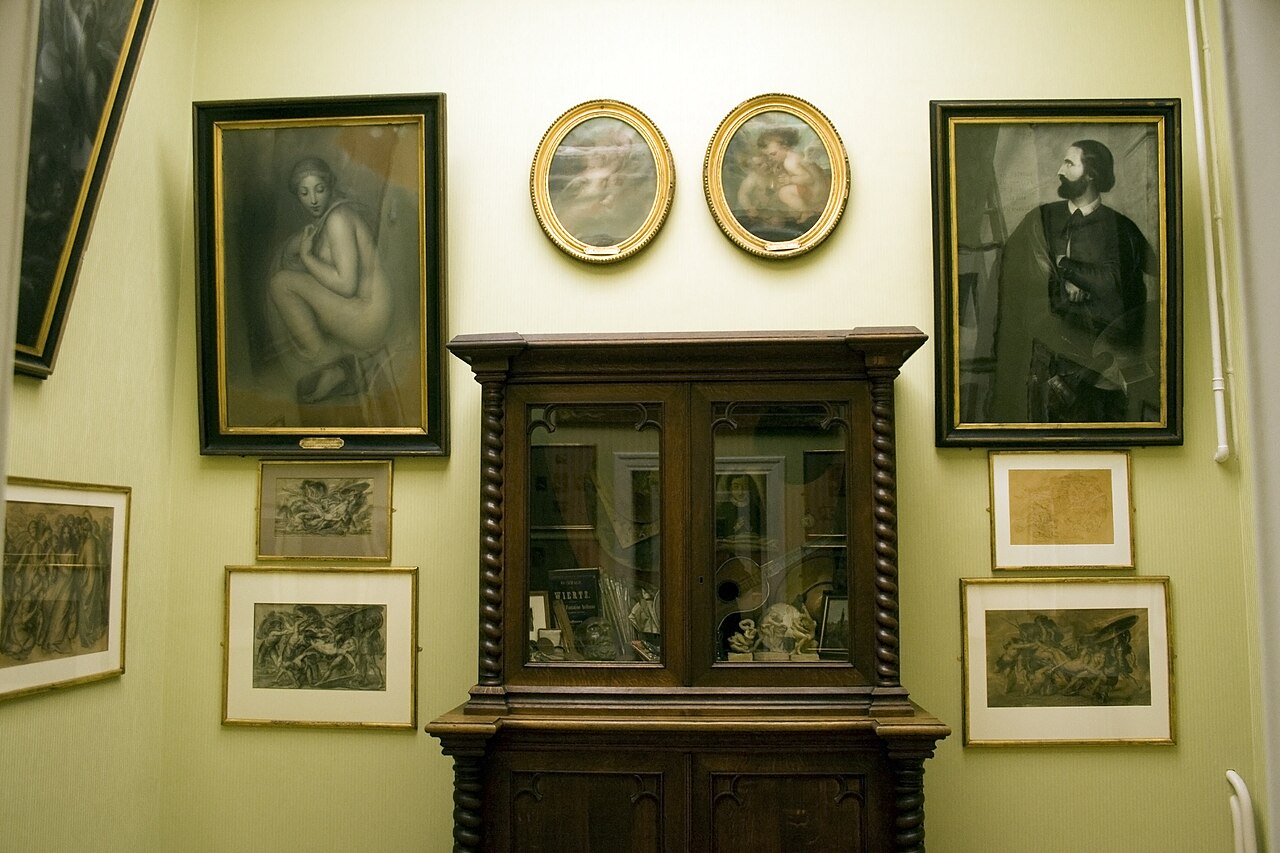
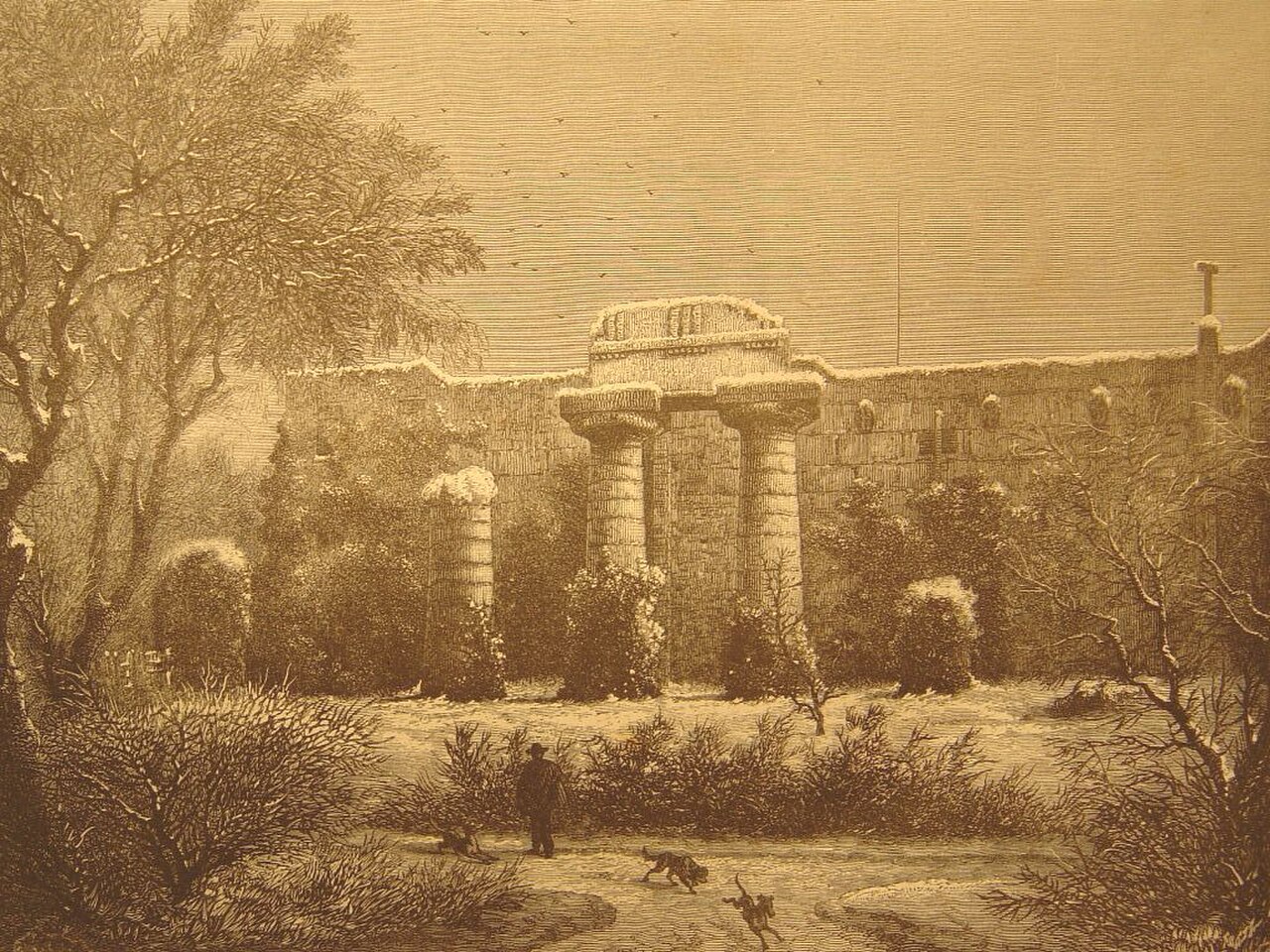
The Wiertz Museum in Brussels is devoted to Antoine Wiertz, a Belgian Romantic painter and sculptor. The museum occupies the artist's former studio and residence, making the building part of the visit rather than a neutral container for the collection. Wiertz is associated with dramatic, large-scale compositions and challenging philosophical, social and religious subjects. The museum belongs to the Royal Museums of Fine Arts of Belgium network and stands in Ixelles, a municipality southeast of central Brussels with its own cultural character. The Musée Wiertz Museum is a museum in Brussels dedicated to the works of Antoine Wiertz, a Belgian Romantic painter and sculptor. Housed in the artist's former studio and residence, the museum preserves the atmospheric setting where Wiertz lived and worked. Yes, it operates under the Royal Museums of Fine Arts of Belgium.
Checked 2026-08-26 · Source
The collection brings together Wiertz's paintings, sculptures, drawings and studies. Monumental canvases are central to the experience, while preparatory sketches reveal how the artist developed his compositions. The former studio retains a period atmosphere and includes high ceilings suited to oversized works. Visitors encounter art concerned with philosophical, social and religious themes, often with a strong emotional or theatrical charge. The concentrated single-artist presentation makes it easier to follow Wiertz's ambitions, working methods and recurring visual concerns than in a broad survey museum.
Checked 2026-08-26 · Source
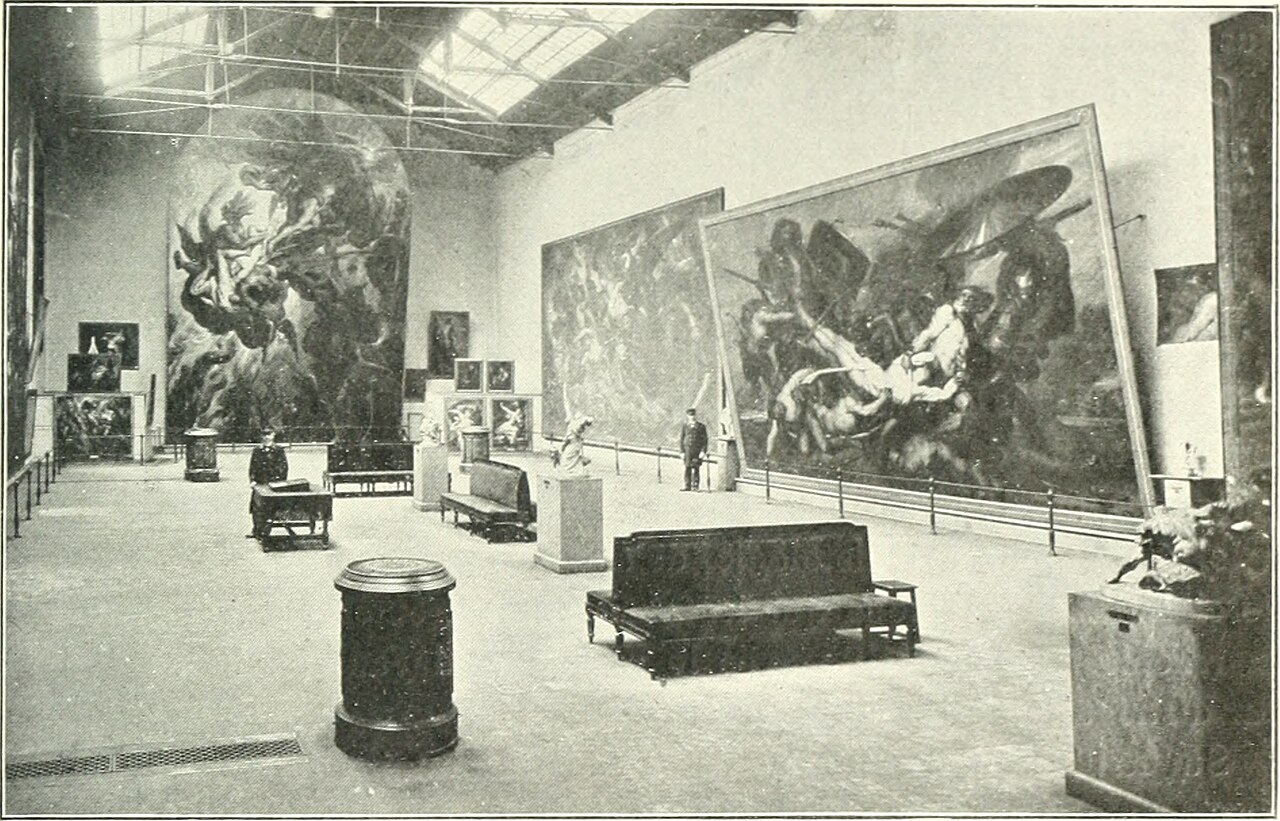
Allow about one to one and a half hours for a focused visit. The museum's compact scale supports a deliberate circuit without the physical demands of a large complex. Spend extra time with the monumental paintings, then look for the drawings and studies that show the stages behind the finished compositions. Visitors interested in Belgian Romanticism, nineteenth-century art or Wiertz's iconography may want longer for close comparison. The single-artist focus gives the visit a clear narrative, so casual visitors can also complete it efficiently.
Checked 2026-08-26 · Source
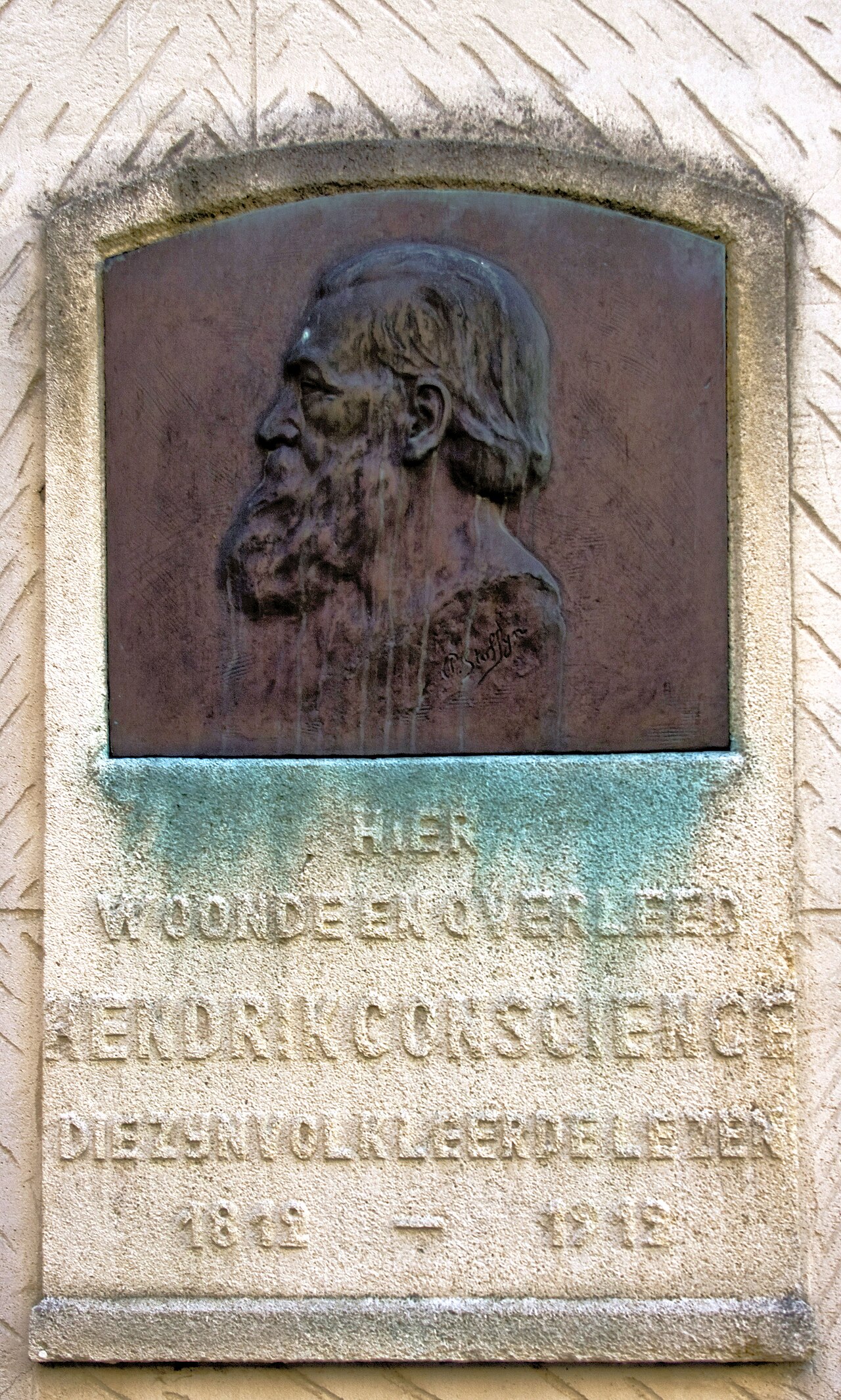
A morning visit can suit travellers seeking a quieter encounter with a specialised collection. The Wiertz Museum works well as a focused cultural stop in Ixelles, especially for visitors who want to move beyond Brussels' best-known central museums. Leave time for the journey into the southeastern municipality and for the return to the main sightseeing area. The museum's former studio setting rewards a slower pace than a quick checklist stop, because the room scale and atmosphere help explain why Wiertz made such ambitious works.
Checked 2026-08-26 · Source
The Wiertz Museum operates within the Royal Museums of Fine Arts of Belgium network, so its admission arrangements belong to a wider national museum context. The collection's value is concentrated in the former studio, the artworks and the experience of seeing a complete artistic world devoted to one Belgian Romantic figure. Visitors planning several museums in the network can consider the Wiertz Museum as a specialised addition rather than a substitute for the larger collections. Set aside enough time to appreciate the building as well as the art.
Checked 2026-08-26 · Source
The museum is in Ixelles, southeast of central Brussels. STIB-MIVB tram and bus services serve the wider municipality, while visitors approaching from the centre may combine surface transport with a walk. Brussels' urban streets make route planning useful, particularly for travellers unfamiliar with the municipal boundaries. Cycling can work for confident city riders, while driving brings the usual pressures of traffic and limited parking in a dense capital. Treat the journey as part of the outing and allow time for the final approach.
Checked 2026-08-26 · Source
Wiertz's art can be intense, dramatic and macabre, so the museum is better suited to visitors ready for challenging nineteenth-century imagery than to very young children seeking a light cultural activity. The former studio has historical character rather than the uniform circulation of a modern gallery. High ceilings help accommodate large compositions, while the specialised presentation rewards close looking. Labels and historical context may require comfort with Brussels' French- and Dutch-speaking environment. Keep the visit focused and leave room afterwards for a change of pace.
Checked 2026-08-26 · Source
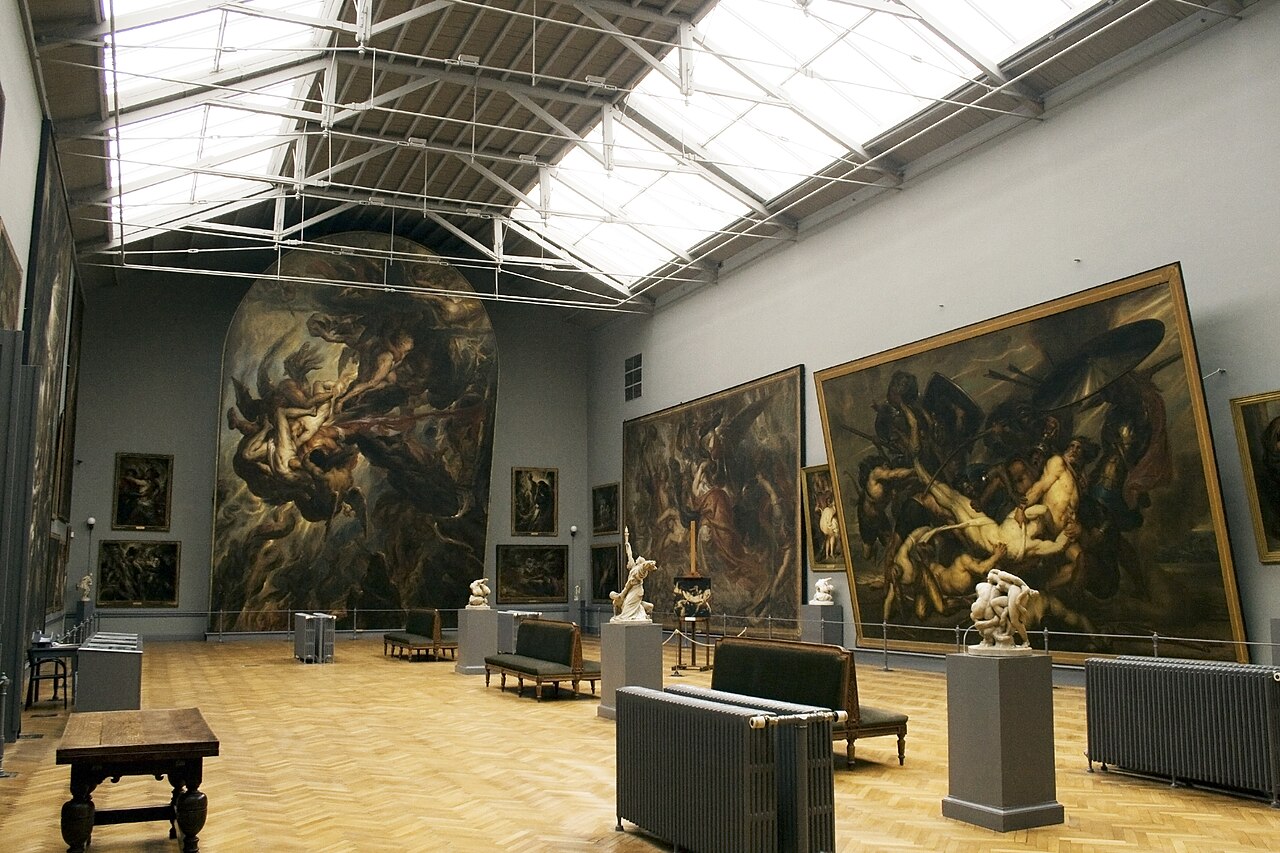
Wiertz's monumental compositions are visually suited to careful photography because scale, contrast and theatrical lighting are central to their impact. Use the museum's permitted visitor practice, keep flash and bulky equipment out of the way, and follow staff directions around the works. A quiet frame should not interrupt another visitor's view. Personal images work best when they record the studio atmosphere and architectural scale as well as individual details. Reproduction or commercial use of artworks carries different obligations from ordinary holiday photography.
Checked 2026-08-26 · Source
Antoine Wiertz was a Belgian Romantic painter and sculptor whose work includes dramatic, large-scale compositions.
The museum is in Ixelles, in the southeastern part of Brussels.
It displays Wiertz's paintings, sculptures, drawings and studies.
The museum occupies Antoine Wiertz's former studio and residence, so the setting forms part of the heritage experience.
Yes. It operates under the Royal Museums of Fine Arts of Belgium network.
A focused visit takes about one to one and a half hours, with extra time useful for detailed study.
Loading the interactive map…
The interactive map could not be loaded.
Last updated:
Source: OpenStreetMap contributors, Wikidata ·